

On a raw November morning in Boston, the first instinct for many commuters is still the same. Check the sky, check the traffic, and see whether the people who usually explain both are still there. That small ritual is why the latest round of WBZ-TV buyouts landed with more force than a routine personnel note. Investigative reporter Cheryl Fiandaca, reporter Kristina Rex, and meteorologist Jacob Wycoff are among the on air staff taking voluntary exits as parent company Skydance pursues about $6 billion in cuts. The station remains on the air. The question is what kind of local news a thinner roster can still deliver.
Why a Boston station still feels like public infrastructure
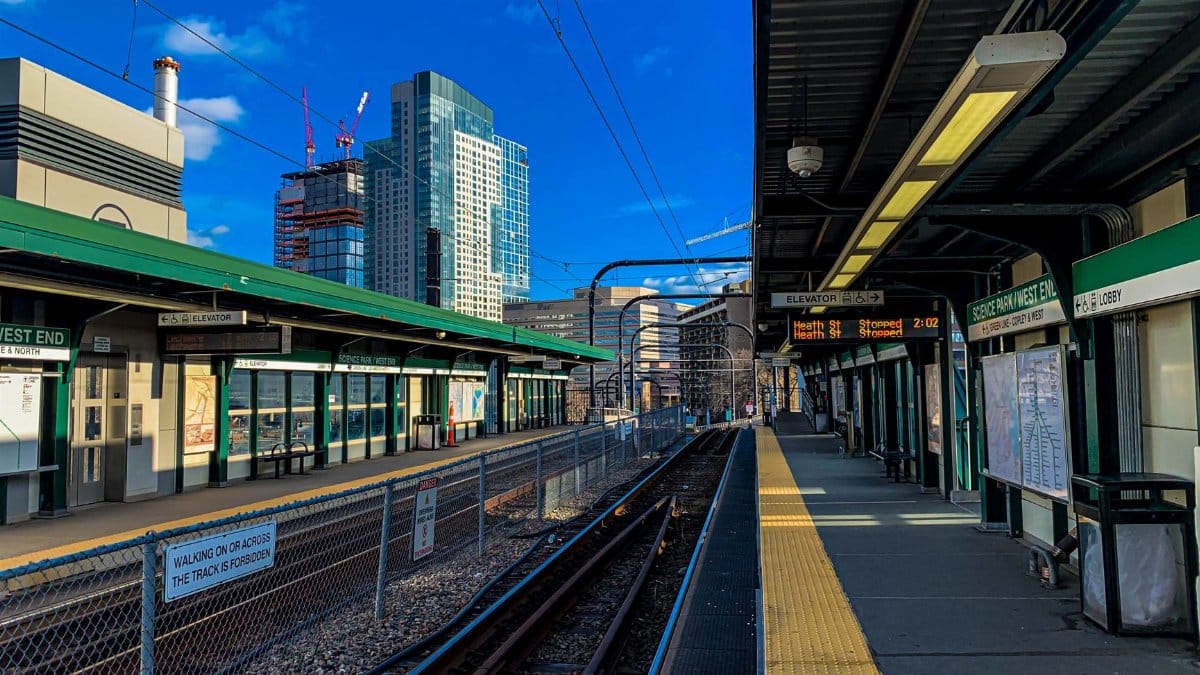
WBZ has long occupied a peculiar place in the civic imagination of eastern Massachusetts. It is a commercial television station, not a government office, yet viewers treat it as something closer to a utility when the weather turns dangerous or a public agency stumbles. Storm coverage, school closings, and accountability reporting are not lifestyle extras in a coastal city with hard winters and crowded roads. They are part of how households decide whether to leave home.
That expectation sits awkwardly beside the economics of modern television. National owners measure a station by ratings, retransmission fees, and the cost of salaries. Neighbors measure it by whether someone is still around to stand in the sleet and say what the next twelve hours will bring. Both measures are real. They do not point to the same definition of value.
The names viewers are losing

The departures are specific, which is why they register. Cheryl Fiandaca built a reputation on investigative work, the slow kind that depends on records, patience, and a newsroom willing to let a story take weeks rather than a single live shot. Kristina Rex has been a familiar reporting presence for people who follow day to day coverage of the region. Jacob Wycoff, as a meteorologist, occupied one of the few television roles that viewers can name even when they cannot name the network executive who approves the budget.
A buyout is not a firing in the formal sense, and it should not be described as one. People accept packages for private reasons: family, fatigue, a calculation that the offer will not return. Still, when several recognizable journalists leave in the same season, the public does not experience the event as a set of individual choices. It experiences a gap in the broadcast.
What voluntary actually means in a shrinking company

Companies prefer the word voluntary because it suggests consent. In a strict legal sense, that can be accurate. No one is required to take the package. In a newsroom facing a multi billion dollar savings target, consent is rarely free of pressure. Staff watch colleagues leave, hear that more reductions may follow, and weigh a known payment against an unclear future.
Skydance, as the parent, is pursuing roughly $6 billion in cuts. A figure that large is not met by canceling a few expense accounts. It is met by changing the size of the workforce across many properties. A single Boston station is only a line in that spreadsheet. For people who live with the newscast, the line is the whole story.
How parent company math reaches a local desk

Consolidation has a predictable sequence. A deal closes. Bankers and boards set a savings number. Division leaders translate that number into head count. Local managers then decide which roles can be combined, which shows can share staff, and which veterans might accept an exit. The language at each step grows more abstract. By the time it reaches a viewer, it has become a missing face at 5 or 6 or 11.
None of this requires a villain in a corner office who dislikes Boston. It requires an owner that has promised investors a large reduction and a television business that no longer throws off easy money. Digital advertising is fragmented. Cord cutting has thinned the old bundle. Local stations still produce revenue, but they are asked to do it with fewer people and more hours of programming.
Investigative reporting is the first craft to thin
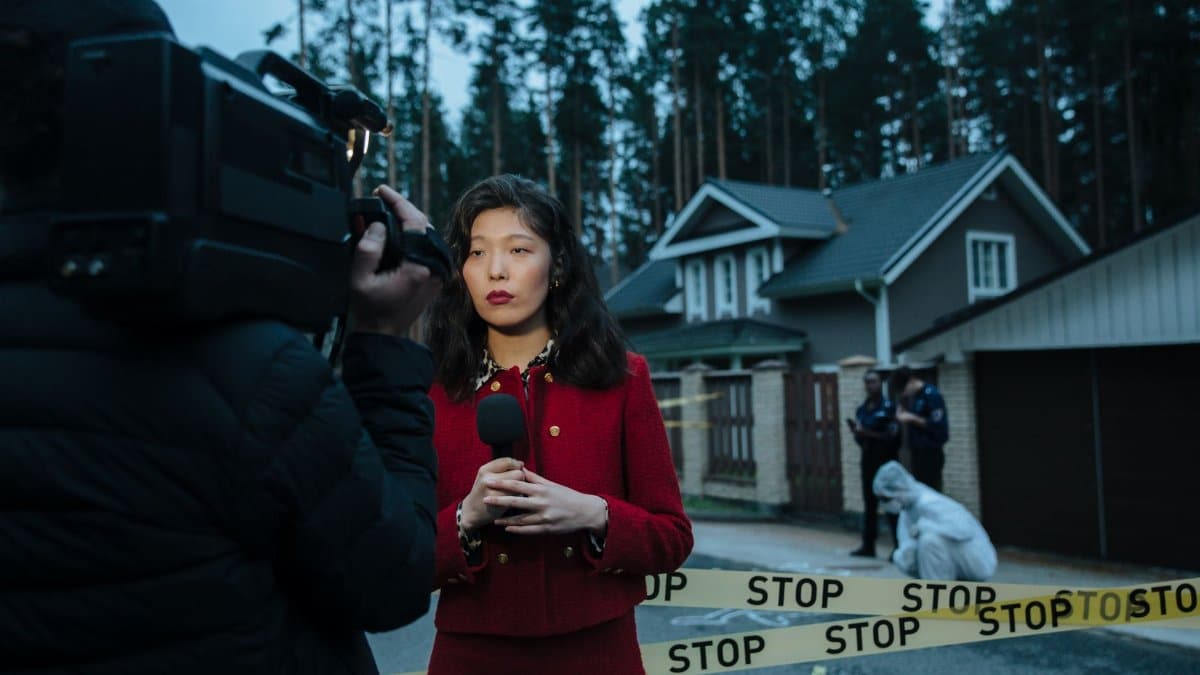
Daily reporting can be stretched. A general assignment journalist can cover a hearing in the morning and a fire in the afternoon. Investigative work does not stretch the same way. It needs time that does not produce a segment every day. It needs editors who will kill a weak story and lawyers who will stand behind a strong one. When a newsroom loses an investigative reporter, the loss is not always visible the next morning. It shows up months later, as the story that never airs.
Fiandaca’s exit matters for that reason, not because one person is irreplaceable in some romantic sense. Institutions remember how to do hard reporting only if someone is still practicing it. A voluntary package can be a fair personal outcome and still leave the public with less scrutiny of the powerful.
Weather is the broadcast people notice first
Meteorology is the other craft viewers miss immediately. A forecast is not entertainment, even when it is delivered with charm. In New England it is a safety service dressed as television. People plan school pickup, roof work, and coastal evacuations around what a trusted meteorologist says. Wycoff’s departure does not mean the station will stop offering a forecast. Stations always fill the weather slot. Trust is harder to reassign than a graphic.
Audiences form that trust slowly. They learn whose caution matches the actual storm and whose certainty does not. Replacing a known meteorologist with a capable newcomer can work. It takes seasons, not a promo. During those seasons, some viewers drift to an app, a rival station, or a national cable loop that does not know the neighborhood.
The rest of the roster and the work that stays

It would be a mistake to treat three departures as the death of a station. WBZ still has journalists, producers, photographers, editors, and anchors who will file stories tomorrow. Many of them will absorb extra duties without a press release. That is how newsrooms usually absorb cuts. The broadcast looks continuous. The strain is backstage: fewer people to chase a second source, fewer editors to catch an error, more reliance on official statements because no one had time to test them.
Rex’s reporting role points to that quieter loss. A regional reporter is the person who already knows which town official returns calls and which claim needs a document. Institutional memory is not a luxury item. It is what keeps a 90 second story from being wrong.
A pattern larger than one call sign

Boston is not unique, and pretending otherwise would flatter the city. Across the country, local television staffs have been asked to produce more digital clips with fewer specialists. Owners describe the shift as efficiency. Sometimes it is. A shared graphics hub can be smarter than five stations building the same map. Sometimes efficiency is a polite name for asking one person to do three jobs and calling the result innovation.
The distinction matters for WBZ-TV buyouts because the public cannot see the difference from the couch. A slick open and a full weather wall do not reveal whether anyone is left to sit with a records request. Viewers should judge the station by the reporting that airs over the next year, not by the assurance that standards will be maintained.
What viewers can reasonably ask for now

A commercial station does not owe the audience a permanent cast. It does owe accuracy, and it owes a good faith effort to cover the city it licenses itself to serve. Viewers can watch whether investigative segments continue, whether weather coverage stays specific to this coastline, and whether political and corporate power in Massachusetts still meets questions that are not supplied by a spokesperson.
They can also separate grief for familiar journalists from a demand that no one ever leave. People retire. People change careers. The fair test is whether the newsroom is being rebuilt or merely harvested. If new hires follow, with time to learn the city, the buyouts may be a painful transition. If the openings stay empty, the transition is a reduction dressed up as choice.
The ledger and the storm

Skydance will be judged by investors on whether the $6 billion target is met. WBZ will be judged by Bostonians on a colder morning, when the forecast is uncertain and a public decision needs explaining. Those two scorecards will not be reconciled in a memo. They meet only in the newscast that remains after the packages are signed.
The WBZ-TV buyouts of Fiandaca, Rex, and Wycoff are legal, explainable, and, for the people who took them, possibly wise. They are also a reduction in the number of trained observers paid to watch this region. A city can survive that. It should not confuse survival with the same standard of attention it had last month. The cameras will still be on. The harder measure is who is left to decide what they point at, and whether anyone in the building still has the hours to stay with a story after the live shot ends.