
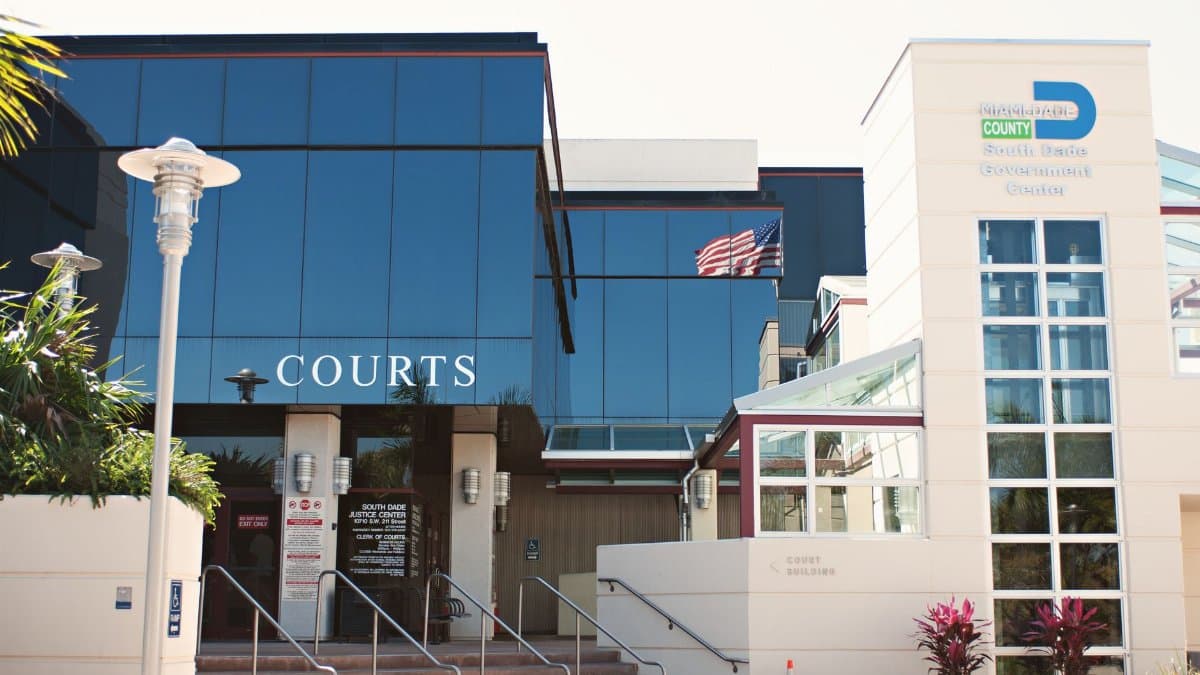
On a weekday afternoon in Conroe, a figure on a county agenda can feel abstract until it meets a tax bill. Commissioners in one of the fastest growing counties in Texas have balked at a courthouse plan whose price has climbed from $180 million to nearly $500 million. The Montgomery County justice center, once presented as a practical answer to crowded courts and an aging campus, has become a test of how much residents will spend to modernize the rooms where liberty, fines, and family disputes are decided. Architects have been sent back, not because the need disappeared, but because the bill no longer matches the promise that launched the work. The argument is no longer only about bricks. It is about whether a public building can stay honest about its cost.
A price that outran the original pitch

Public projects rarely stay frozen at the first estimate. Steel, labor, interest rates, and design changes all push numbers around. What startles people here is the scale of the jump. A plan once discussed near $180 million is now described at nearly $500 million, a gap large enough to rewrite the politics of the entire effort. Reporting in the Houston Chronicle describes commissioners pushing back and asking designers to return with a cheaper version rather than treat the higher figure as inevitable.
That reaction is familiar to anyone who has watched a school, a hospital wing, or a road project swell after the early sketches. First estimates often describe a building in outline. Later estimates describe a building in detail, with security, technology, parking, and the unglamorous systems that keep a courthouse running. Detail is not a scandal by itself. The failure, if there is one, would be an inability to explain which details produced which dollars, and which of those details the county can still live without.
What the complex was meant to contain
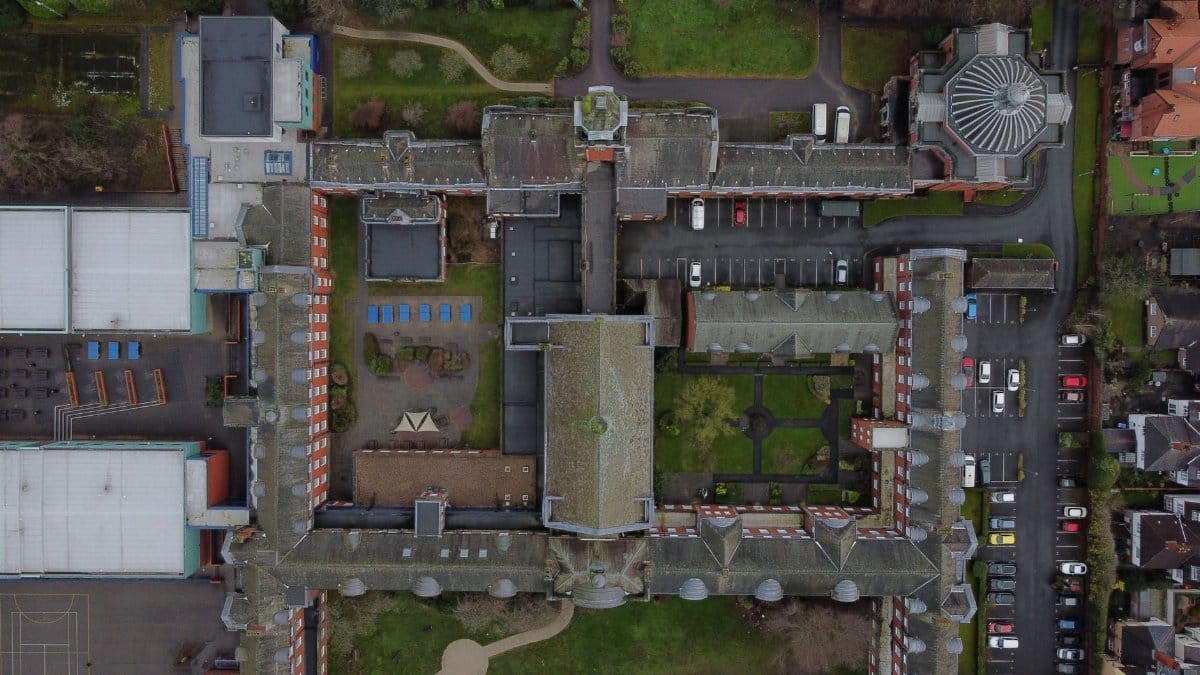
A modern justice campus is not a single courtroom with a flag. It is a cluster of functions that must sit near one another if the day is going to work. Judges need chambers. Clerks need counters that can absorb a Monday morning rush. Prosecutors and defense lawyers need rooms that are not hallways. Jurors need a place to wait without overhearing the case they may decide. Defendants in custody need a secure path that does not cross a public lobby.
Those requirements help explain why the Montgomery County justice center was never going to be a modest annex. The county has grown quickly for years, drawing families from Houston and from farther away, and growth shows up first as longer lines, fuller dockets, and parking lots that fill before the morning call. A building sized for a smaller county becomes a daily inconvenience and, on bad days, a fairness problem. People miss hearings because they cannot find a seat, a restroom, or a quiet corner to speak with a lawyer.
Commissioners choose delay over a blank check

The pushback from the commissioners court is the most important political fact in the story. Elected officials can praise a project and still refuse the number attached to it. Sending architects back is a way of saying that scope, not only inflation, is open to revision. Fewer courtrooms, a phased opening, shared space, or a simpler exterior can change a budget without abandoning the idea that the county needs more room.
Delay has a cost of its own. Construction prices do not pause because a vote is uncomfortable. Borrowing costs move. Staff keep working in buildings that were never meant to hold this volume of cases. Still, a pause can be the responsible move when the alternative is to lock residents into a debt they did not understand. The commissioners are, in effect, asking for a second draft of a civic promise before anyone treats the larger number as fate.
A county that keeps adding residents

Montgomery County sits in the path of Houston’s outward growth. Subdivisions, retail corridors, and new schools have remade communities that older residents still remember as quieter towns. Courts do not expand at the pace of rooftops. A criminal case, a divorce, a probate matter, or a juvenile proceeding still has to land somewhere with a judge, a file, and a clock.
Population is not the only pressure. Deadlines set by law do not soften because a bond discussion is messy. Victims and defendants both have a claim on timely process, even when timely process is expensive to house. Wait too long, and a county pays in overtime, in leased space, and in the slow erosion of confidence. Build too much, too fast, or too ornately, and debt service crowds out roads, drainage, and ordinary county work. The present argument lives in that narrow space between too little and too much.
The arithmetic behind a civic building
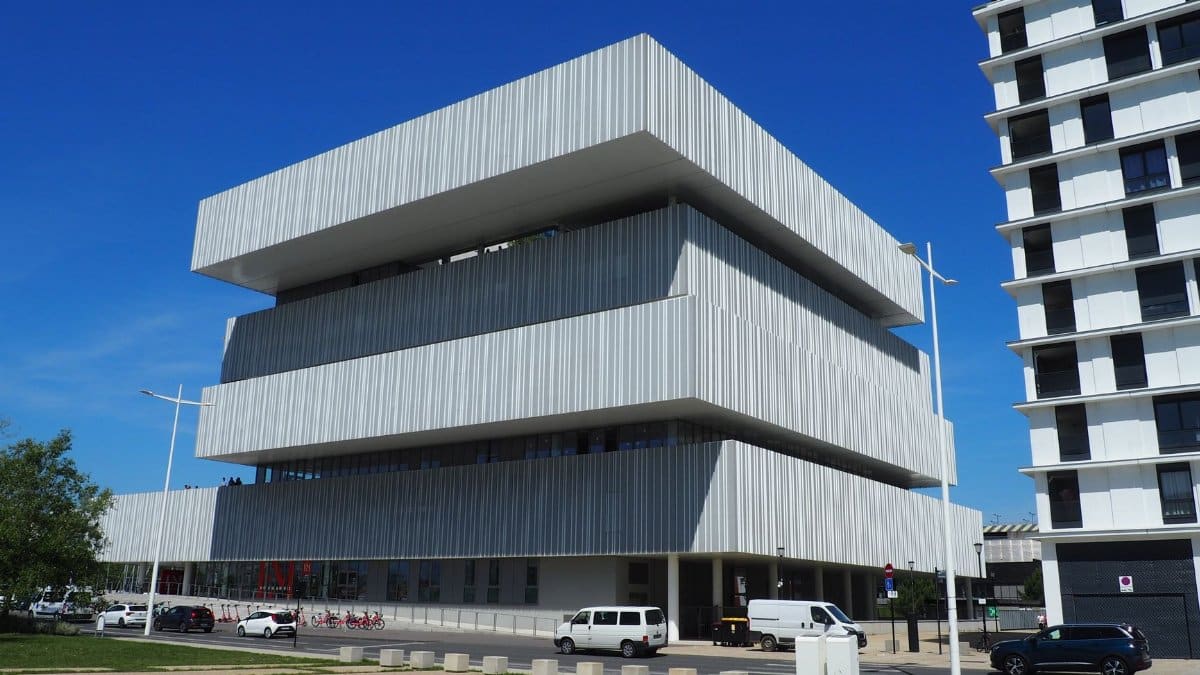
Nearly $500 million is not a decorative figure. Spread across a bond term, it becomes a line on tax statements for years. Spread across a growing tax base, it can look smaller per household than the headline suggests. Both statements can be true, and both can be used to mislead. Residents deserve the household math, the interest math, and a plain account of what would be cut if the project shrinks.
They also deserve to know what the county would still lack if it tried to revive the $180 million version without adjusting for years of price movement. A lower number from an earlier era is not automatically a bargain. It may describe a smaller building, a different site, or a design that no longer meets security rules. Honesty requires a comparison of like with like, not nostalgia for a figure that cannot be rebuilt at the old price.
Waiting rooms, dockets, and dignity
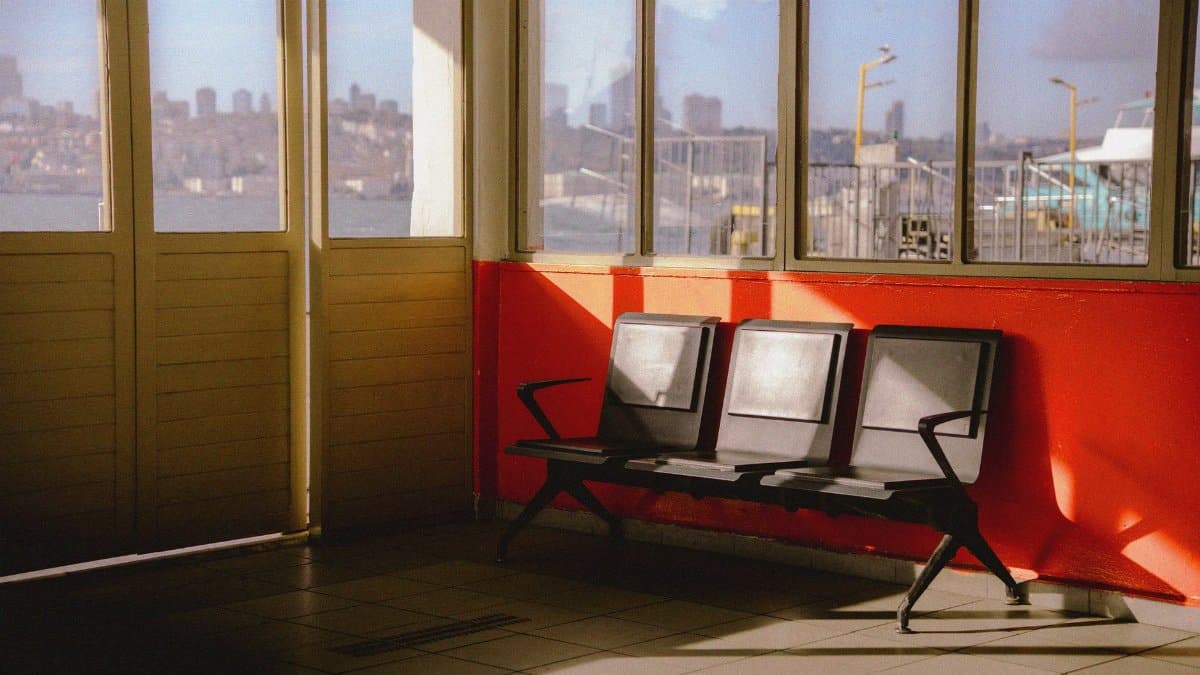
Courthouses carry a moral weight that spreadsheets rarely capture. People arrive on the worst day of a hard year. They are looking for a protective order, a probation hearing, a custody schedule, or a verdict that will follow them home. The architecture either treats that moment as worthy of order and calm, or it treats people as a crowd to be managed.
This is where the debate brushes something deeper than square footage. A justice building is one of the few places where government meets a resident face to face and asks to be trusted. Long lines, tired elevators, and rooms too small for a private conversation send a message before any judge speaks. So does a palace that seems to celebrate itself. The Montgomery County justice center will be judged, if it is built, by whether ordinary people can find their way, hear their name, and leave believing the process was serious.
Designers head back with a narrower charge

Architects do not set tax rates. They translate political instructions into walls, sightlines, and mechanical rooms. A request to cut cost is a request to choose. Which functions can share a floor. Which courtrooms can be slightly smaller. Which public spaces can be handsome without being lavish. Which technology can wait for a later year rather than arrive on day one.
Those choices should be visible. A revised plan that simply lowers a total without showing what vanished will not settle the argument. Residents can accept a plainer building. They are less likely to accept a mystery. If the Montgomery County justice center returns at a lower price, the county ought to publish a side by side account of rooms, seats, parking, and security features, written so a general reader can follow it without a glossary.
Bonds, taxes, and public trust

Large county buildings in Texas often depend on bonds, which means voters, or at least a commissioners court willing to answer to voters later. Trust is the real currency. Once a price nearly triples, every future capital request carries a shadow. Drainage work, parks, and road bonds can suffer because people remember a courthouse number that seemed to slip.
Commissioners who slow the project are protecting more than one line item. They are protecting the habit of consent. A county that explains a cut, shows the revised drawings, and invites questions is practicing a form of civic respect. A county that waves the higher figure through because the process has already consumed years is asking residents to confuse momentum with agreement. That confusion is expensive long after the ribbon is cut.
What a pause can still accomplish

A pause is not a solution. Cases will still be filed next month. Deputies will still move people between holding areas and courtrooms. Clerks will still stamp papers in rooms that feel too small. The need that justified a new center has not been repealed by sticker shock. Staff and the public will keep absorbing the strain of buildings that have run out of grace.
What the pause can accomplish is a cleaner bargain. If designers return with a plan that meets the core work of criminal, civil, and family courts, and if the price is explained without fog, commissioners can ask the public to judge a real proposal rather than a shock. If they cannot get there, the honest outcome may be a campus built in chapters the tax base can absorb. Either path is more serious than treating nearly $500 million as unavoidable.
The Montgomery County justice center will not be remembered for the first rendering. It will be remembered for whether the county matched its growth with a building people can afford, can navigate, and can respect. That is a narrower ambition than a landmark, and it is the right one.