
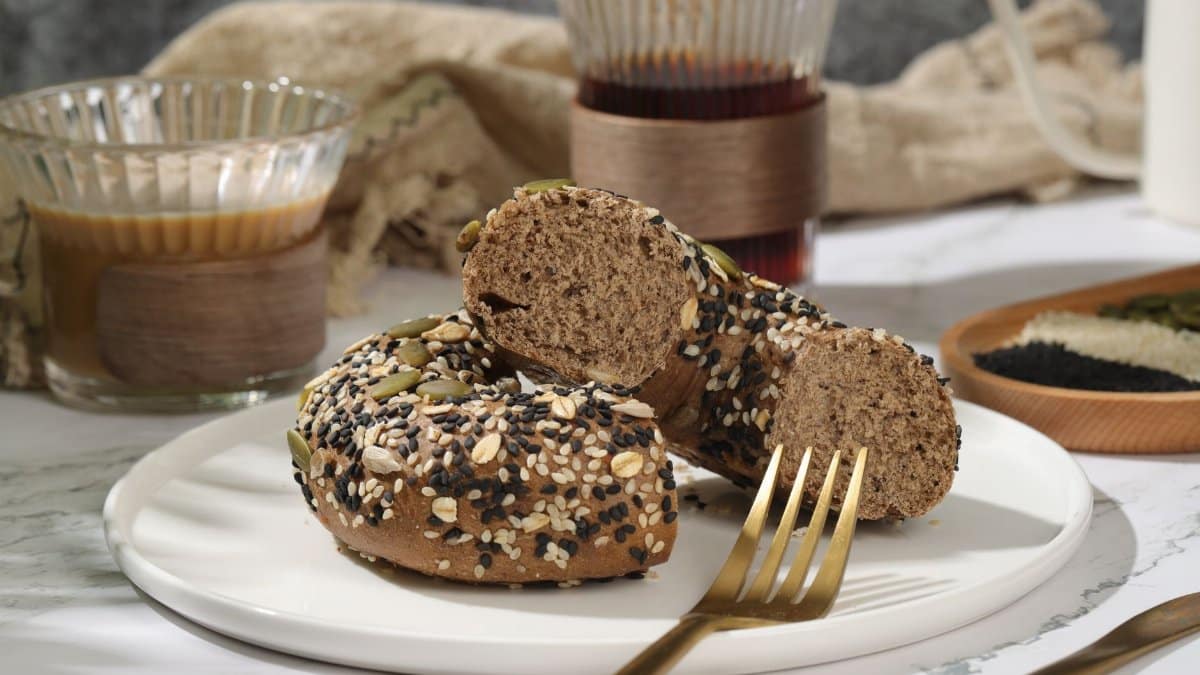
On a bright afternoon at Citi Field, the smell of toasted sesame drifted past the concession ramps while judges moved from table to table with clipboards and coffee. Vendors from across the country had come to Queens for New York BagelFest, a gathering that treats the humble ring of dough with the seriousness usually reserved for wine. Among the 27 shops on the floor, a North Texas chain called Starship Bagel walked away with the day’s loudest cheer: gold for best sandwich, plus two silver medals.
A gold medal in a city that sets the standard

New York did not invent pride, but it did invent a certain kind of bagel argument. Ask ten people on a subway platform what makes a proper specimen and you will get ten answers, most of them delivered with the confidence of a person who has never been wrong about breakfast. Into that climate walked a chain from the Dallas area, not as a tourist stunt but as a competitor. The gold for best sandwich is the sort of prize that travels. It says the judges, moving through a crush of samples, found a combination of bread, filling, and balance that beat the field. For a shop whose regulars already swear by the morning rush, the medal is less a revelation than a translation. It puts a local habit into a language the rest of the country understands: a score, a stage, and a city that does not hand out compliments lightly.
What the judges were tasting for
A sandwich medal is a strange object. A plain bagel can be judged on chew, blister, and the faint sweetness that comes from a proper ferment. A sandwich asks for more: proportion, temperature, and whether the filling respects the bread or smothers it. Too much cream cheese and the crumb collapses. Too little and the bite feels like a stunt. At a festival with 27 vendors, fatigue is the hidden judge. Palates dull. Salt starts to shout. The shops that win are often the ones that stay clear when everyone else gets loud. That clarity is a craft decision, made at 4 in the morning when someone decides how long to boil, how dark to bake, and when to stop adding. None of that drama shows on a medal, which is why medals can feel both thrilling and incomplete. They freeze a morning that was, in the kitchen, a series of small corrections.
Two silvers beside the gold
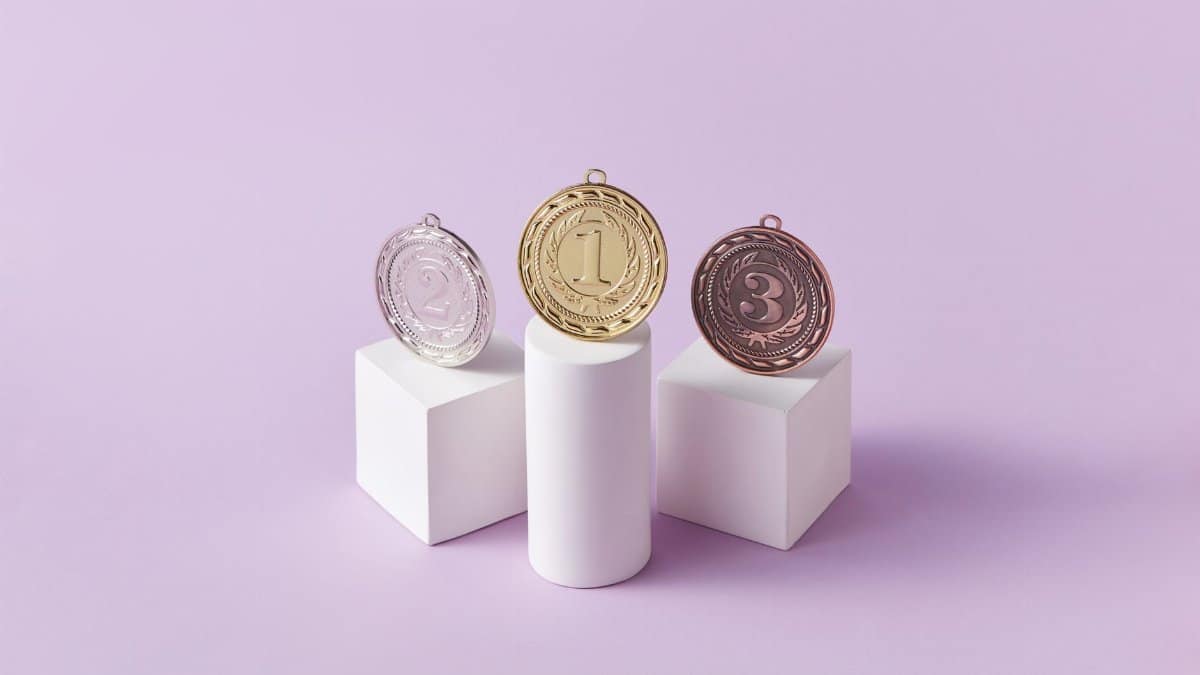
The day was not a single shout. Alongside the sandwich gold came two silver medals, a reminder that judging is a stack of categories rather than one throne. Early public accounts, including reporting in The Dallas Morning News, framed the result as a three award afternoon for the North Texas chain. I will not pretend to know which trays earned the silvers, because a medal without its category is only half a story, and half stories travel too fast already. What can be said is simpler. A shop that places more than once is not lucky in a single bite. It has a range. Judges found more than one thing worth keeping. In a hall full of specialists, range is its own kind of argument. It suggests the boil, the bake, and the build are pulling in the same direction, not just one hero item carried by a quiet menu.
From a North Texas counter to Queens
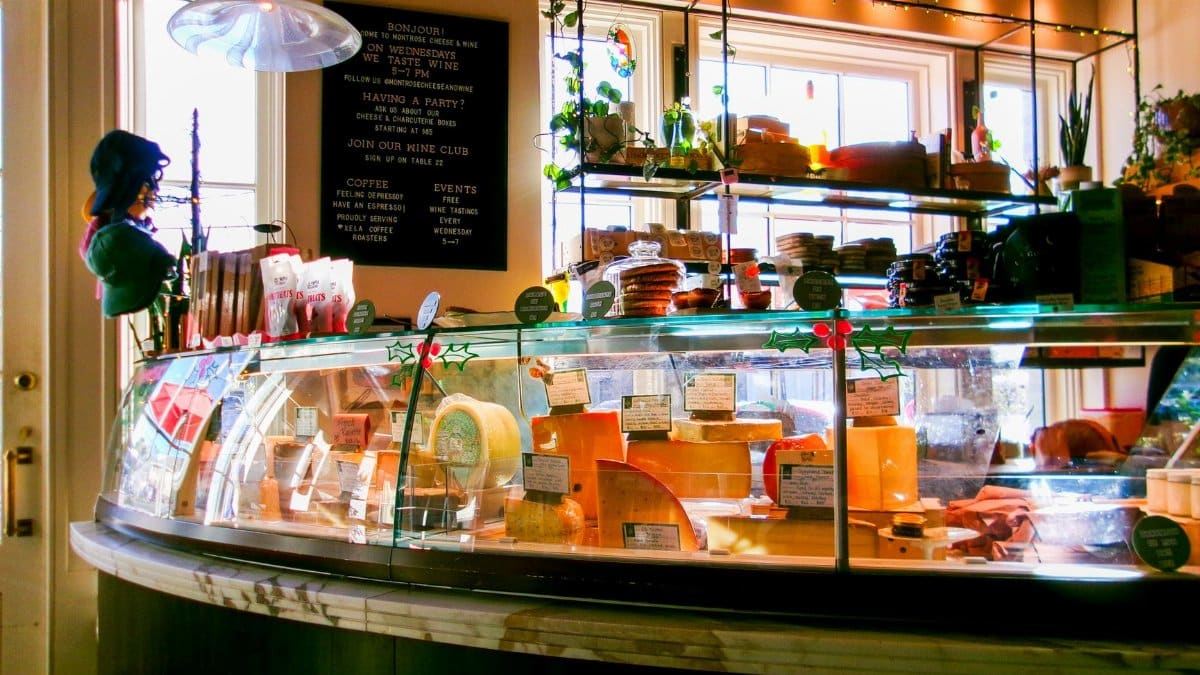
Regional chains rarely get the romantic treatment. The story people like is the single oven, the owner who sleeps on flour sacks, the line around the block on Saturday. A multi shop operation in North Texas does not fit that postcard, and it should not have to. Consistency across counters is a different skill. It means a bagel in one suburb tastes like a bagel in another, and that a sandwich built at speed still has a point of view. Starship Bagel arrived at Citi Field with that kind of reputation among people who actually live near the shops, which is a harder audience than a festival judge. Neighbors notice when the Saturday batch runs out. They notice when it does not. Carrying that daily test into a national tasting is an odd kind of courage. You are no longer feeding people who already know your name.
The ballpark as a tasting room

Citi Field is built for innings, not for crumb analysis, which is part of the charm. Concourses that usually smell of mustard and spilled beer took on sesame, poppy, and the sweet edge of malt. Families who came for baseball found themselves in a different contest, one measured in bites rather than runs. Festivals like this do a quiet public service. They put makers in the same room, which is how standards move. A baker from Texas watches a New York shop slice. A New York shop watches a visitor toast. Nobody has to announce a lesson. The lesson is the line. With 27 vendors, the floor was crowded enough to feel like a market and focused enough to feel like a test. That combination is rare. Most food events are either a party or a judging room. BagelFest tried to be both, and the medals only make sense inside that noise.
Why the sandwich carried the day
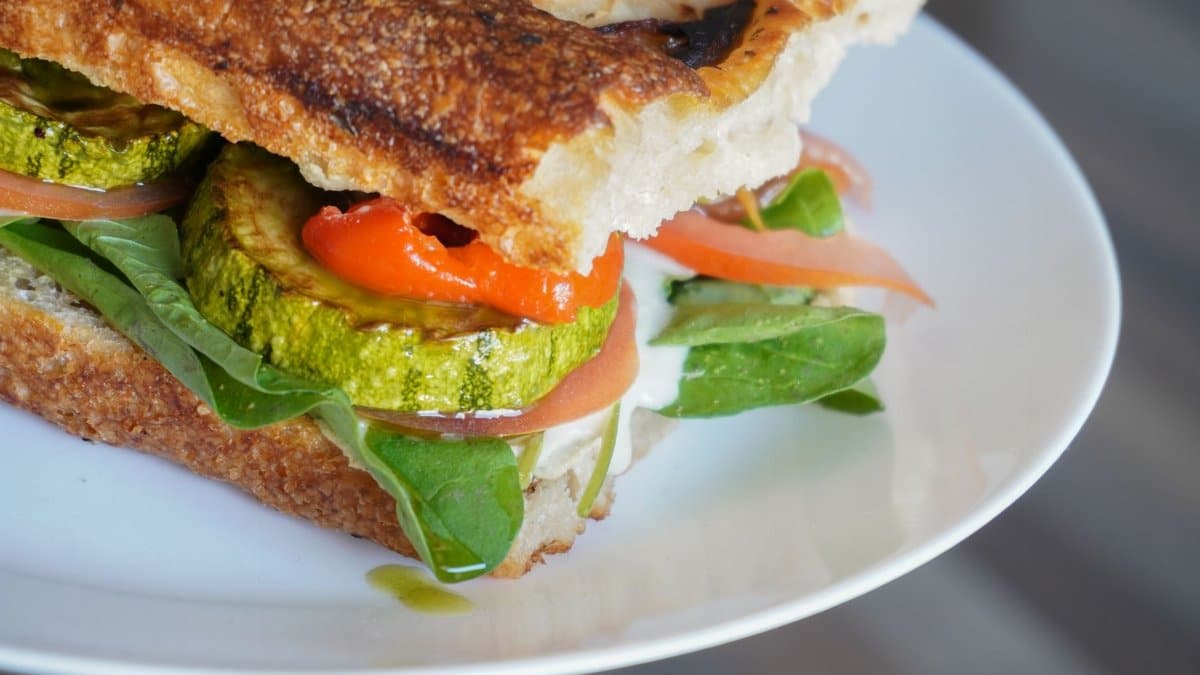
People remember sandwiches because sandwiches are how most of us actually eat. A pristine bagel with nothing on it is a baker’s argument. A sandwich is a citizen’s argument. It has to survive a car ride, a desk, a child who will not sit still. Gold in that category says something practical: the winning build held together as food, not only as craft. Texture met filling. Salt met sweetness. Nothing slid into a napkin tragedy. I have eaten enough sad versions, in airports and in hotel lobbies, to know how often that balance fails. The bread is fine and the filling is fine and together they are a chore. When a festival crowd reacts, it is usually because someone solved that chore in public. The gold medal is a way of saying the solution was not an accident.
Breakfast as a small shared rite
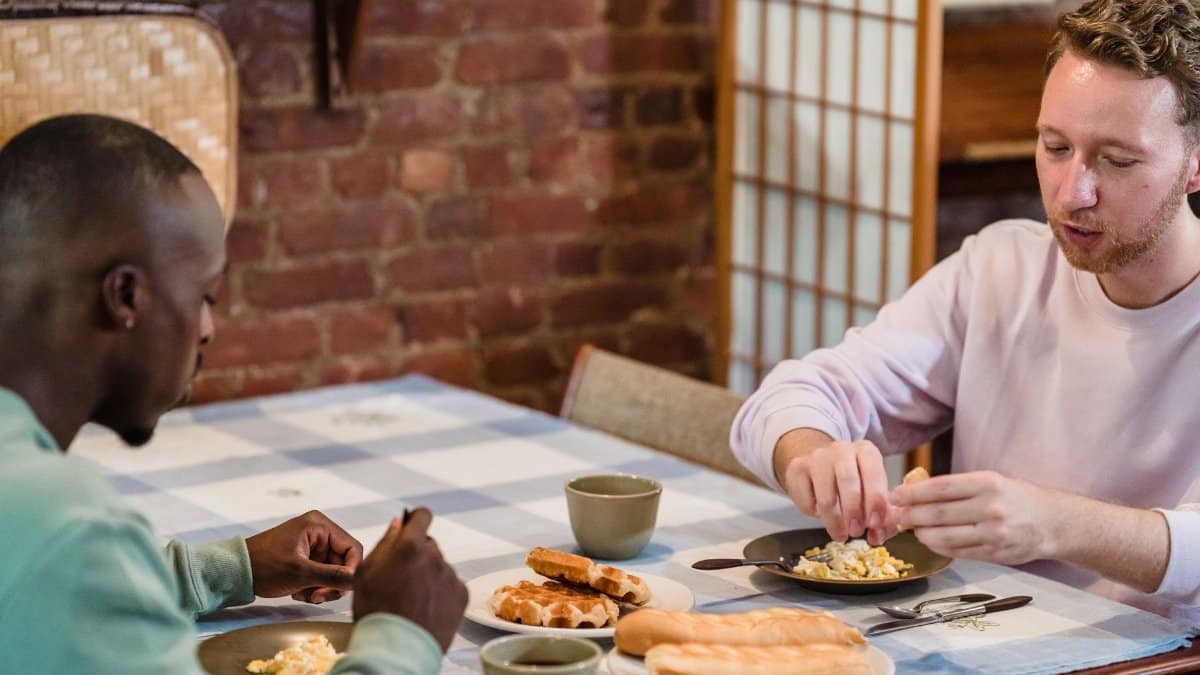
This is where a food prize brushes against something older than awards. Morning food is one of the last ordinary rituals many households still keep. Someone boils water. Someone slices. Someone asks, without much poetry, whether you want yours toasted. In a hurried country, that question is a form of care. Festivals that celebrate the bagel are, in a sideways way, celebrating the table that still gathers people before the day scatters them. You do not need incense or a creed to notice it. You need a line, a paper bag, and the willingness to wait. Readers who follow spiritual trends sometimes look for meaning in retreats and in apps. They might also look at the counter where a neighbor knows your order. A medal in Queens does not sanctify a menu. It does remind a wider public that ordinary bread can still organize a community, which is no small civic fact.
What a medal changes and what it leaves alone
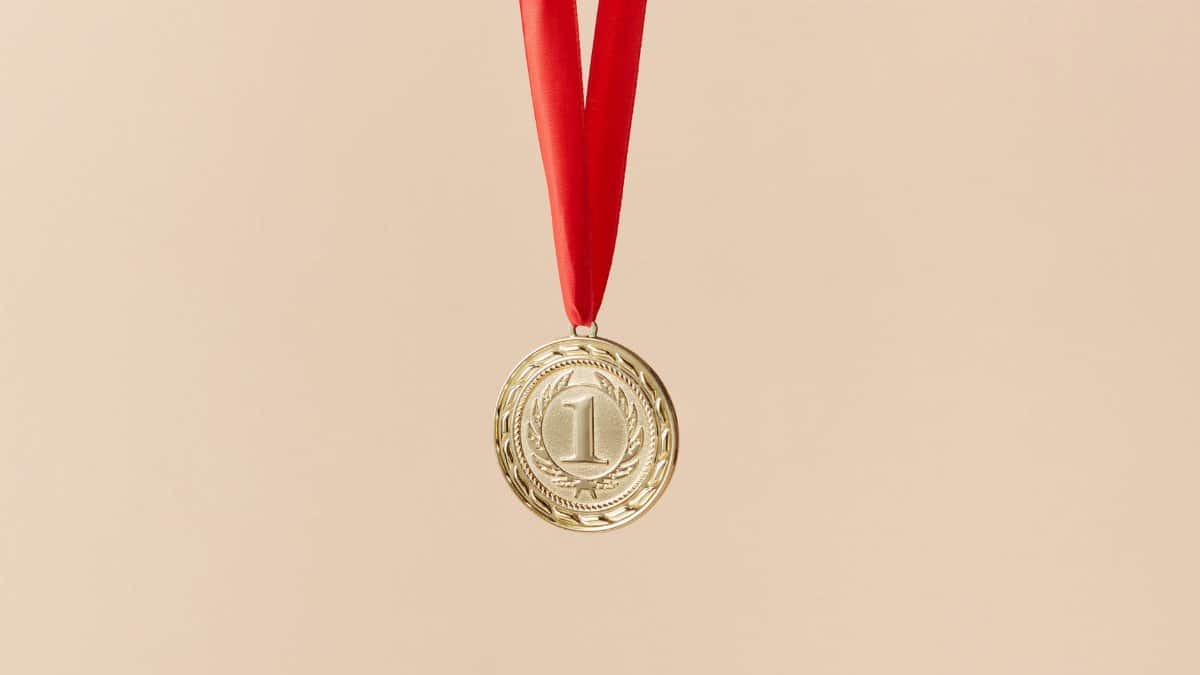
Awards rearrange attention. They do not rearrange dough. On Monday the ovens in North Texas will still heat on the same schedule, and the person working the slicer will still have to get the angle right. What changes is the conversation at the door. A customer who never cared about contests may mention the gold. A traveler may detour. A young baker may decide the craft is worth the hours. Those are real effects, and they are easy to overstate. The internet will flatten the story into a scoreboard: Texas beats New York, or New York welcomes Texas, depending on who is posting. Neither slogan is the point. The point is that a regional shop submitted its work to a room that did not owe it anything, and the room answered with metal. Starship Bagel now has to live with that answer, which is a nicer problem than obscurity and still a problem.
The argument that does not end

Bagel people do not retire their opinions because a judge held up a card. That is healthy. A festival medal is a snapshot, taken under lights, with a finite number of trays. Tomorrow’s batch will be a little different, because flour and weather and hands are a little different. The useful response, for eaters and for bakers, is to stay curious rather than tribal. Try the thing that won. Try the thing that did not. Notice whether you are tasting bread or tasting a story you already wanted to believe. Starship Bagel earned a gold and two silvers in 2026 at a gathering of 27 vendors. That sentence is sturdy enough to stand without myth. What happens next is quieter and more interesting: another morning, another boil, another person at the counter deciding, with no clipboard in sight, whether this one is worth the wait.