
On a warm Austin evening, a candidate looked into a crowd that had spent another summer watching power bills climb and said she would freeze electricity rates on her first day in office. The line landed the way simple promises do, with relief and applause. Gina Hinojosa, a Democratic state representative from Austin who is seeking the governorship, has made that pledge a centerpiece of her pitch to Texans tired of volatile household costs. The trouble is not the desire for stable bills. The trouble is the map of authority in a state that deliberately took most retail power prices out of political hands.
A promise built for a campaign stage

Hinojosa has told voters she would act immediately, not after a long session of hearings and amendments. In political terms the offer is clean. Households know what a kilowatt hour costs when the statement arrives. They do not need a seminar on wholesale auctions to feel the sting. A freeze sounds like a ceiling someone can enforce with a signature.
Campaign language rarely carries the statute book with it. Reporters who have pressed the idea have heard a familiar reply from energy lawyers and former regulators: the governor does not possess a general power to set the price that most Texans pay a retail electric provider. That gap between the sentence on the trail and the sentence in law is the obstacle. It is large enough that day one, however dramatic, cannot close it by will alone.
Texas built a market, not a price board

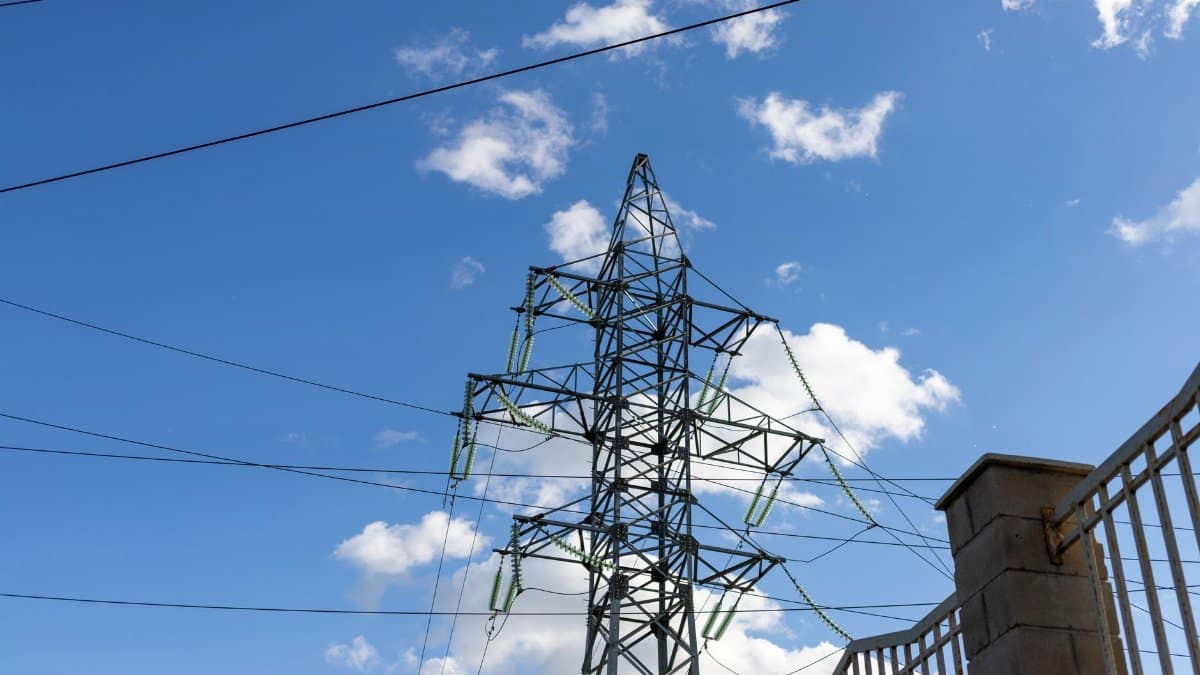
For more than two decades, much of the state has lived under a competitive retail model. Customers in those areas pick a company, sign a contract, and pay the rate that contract describes. The wires company that delivers the power is separate from the company that sells it. Transmission and distribution charges are regulated. The energy charge on a competitive plan is not a tariff the governor writes each morning.
The Public Utility Commission of Texas oversees pieces of that system, including market rules and the rates of regulated wires utilities. The Electric Reliability Council of Texas operates the grid that serves most of the state and runs the wholesale market where power is bought and sold in real time. None of those institutions is a retail price board for every kitchen in Houston or Dallas. A governor who wants to freeze electricity rates runs into that design before she runs into partisan opposition.
The office does not set most bills

Texas governors appoint the three commissioners who lead the utility commission, subject to Senate confirmation. That appointment power is real. It shapes who writes rules, who questions generators after a storm, and who decides how scarcity is priced in the wholesale market. It is not the same as a legal right to cap every residential contract already in force.
An executive order can direct agencies that already have authority. It cannot invent authority the Legislature withheld. If a commissioner tried to nullify private retail contracts across the competitive market, providers would be in court by the afternoon, and they would have a serious case. Judges look for a statute, not a campaign timetable.
Retail choice and the fine print

In the competitive zones, a household might be on a fixed plan, a variable plan, or a prepaid product with its own rules. Some plans include bill credits that appear only if usage stays inside a narrow band. Others pass through wholesale costs with little cushion. A single statewide freeze would have to decide which of those arrangements it touches, for how long, and who eats the difference when wholesale prices jump.
That last question is the one campaigns prefer to postpone. If retail companies must sell below their cost of power, someone still pays the generators. The state could subsidize the gap, which means taxpayers. Companies could absorb it until they exit the market, which means fewer choices later. Or the freeze could be so narrow that it barely changes the bill that provoked the promise. Each path has a price. None of them is a pen stroke.
Public power outside the competitive zone
Not every Texan shops for a retail plan. Austin, San Antonio, and other cities run municipal utilities. Electric cooperatives serve wide stretches of rural country. Those systems set rates through their own boards, city processes, or member governance. A governor in Austin does not sit on those boards.
Hinojosa’s home city is itself a reminder. Austin Energy answers to local officials, not to a statewide retail freeze. A new governor could urge city councils and cooperative boards to hold rates flat. Urging is not ordering. Local leaders answer to their own bond covenants, fuel contracts, and voters. A day one directive that ignores that split would describe a Texas that does not exist.
What commissioners can actually move

There are levers, and it would be misleading to pretend the executive branch is helpless. Commissioners can revisit ancillary service costs, scarcity pricing, and the charges that wires companies recover from every customer. They can press for programs that help low income households, within the budgets and statutes the Legislature allows. They can scrutinize whether market rules reward reliability or merely reward volatility.
Those tools change the backdrop of prices. They do not freeze the offer a retail provider posts on a comparison site next Tuesday. Even a sympathetic commission would need a record, a proposed rule, comment periods, and a defensible legal theory. That process is measured in months. It is the opposite of a promise that the freeze begins when the oath ends.
Why a freeze sounds like relief

I have sat at kitchen tables where the power bill was the document people were afraid to open. The politics of that fear are not fake. After Winter Storm Uri in 2021, Texans learned how fast a market can turn cruel when supply collapses and prices are allowed to soar. Later reforms, weatherization rules, and changes in how the commission thinks about reliability were responses to that trauma. They did not erase the memory, and they did not make summer bills feel gentle.
So the pledge to freeze electricity rates speaks to a real grievance. Voters are not wrong to want predictability. They are being offered a remedy that the office cannot deliver in the form advertised. The humane response is not to sneer at the grievance. It is to separate the hurt from the instrument.
The memory of a grid that failed

Any serious talk about rates in this state still passes through February 2021. People died. Pipes burst. Wholesale prices hit the cap for days. Lawsuits followed. The Legislature rewrote pieces of the market and gave regulators a harder charge on reliability. Those facts sit underneath every new promise about bills.
A freeze aimed at retail customers would not, by itself, keep plants online in a freeze of the other kind. It would not add transmission. It would not decide whether new gas plants, batteries, or wind and solar get built. Price and reliability are related, but they are not the same knob. Treating them as one slogan is how policy gets thinner than the problem.
Tools that exist without a rate edict

If the goal is lower and steadier bills, the available work is slower and less cinematic. Lawmakers can fund bill assistance with actual appropriations instead of press releases. They can examine regulated wires charges, which show up on competitive bills whether the energy plan is cheap or dear. They can require clearer retail disclosures so a teaser rate cannot hide a bill that doubles in August. They can keep pressure on weatherization and on reserve margins so wholesale spikes become rarer.
A governor can champion that agenda, appoint commissioners who will carry it, and veto bills that make volatility worse. She can also ask the Legislature for explicit authority if she truly wants the state to freeze electricity rates. Asking is honest. Claiming the power already lives in the governor’s desk is not.
The obstacle waiting on inauguration morning
Suppose Hinojosa wins. Suppose she walks into the Capitol ready to sign. The competitive contracts remain. The municipal utilities remain outside her reach. The commission still needs statutes, records, and votes. Retail providers still have to buy power in a wholesale market that does not pause for a press conference. The pledge collides with that machinery on the first morning, not in some distant technicality.
Energy specialists who have watched this market for years describe the same limit in different words. Texas law does not hand the governor a retail price pen for most customers. That is not a talking point invented by one party. It is the structure voters ratified, piece by piece, when they accepted deregulation and local control. Changing it would be a legislative project, contested, expensive, and slow.
None of this means rates are fine, or that leaders should shrug. It means a day one promise to freeze electricity rates faces an obstacle larger than staffing or messaging. The obstacle is jurisdiction. Until a campaign says plainly what it will ask the Legislature to change, and who will pay when wholesale costs rise under a cap, the pledge remains a feeling rather than a plan. Texans have earned both sympathy and a straighter account of what their governor can actually do.