

On a weeknight along the Columbia, after the mill traffic thins and the river towns grow quiet, a ringing phone can still be the most practical form of mercy a person finds. Washington is adding capacity to that thin line of contact. Olympic Health and Recovery Services is becoming the state’s fourth 988 crisis hub, answering mental health crisis calls from Cowlitz County and the Great Rivers region. For families who have waited through a bad hour with no nearby clinic open, the change is less a slogan than a promise that someone local will pick up.
Why a fourth hub matters now

The national shift to 988 was meant to make help easier to remember than a ten digit local number. Ease of memory does not, by itself, create a person on the other end who knows the county, the hospitals, and the roads. Washington chose a regional model so that calls would land with organizations already tied to local crisis systems. Three hubs came first. The fourth extends that design into a stretch of the state where distance, weather, and thin clinical staffing have long shaped what help looks like after dark.
Olympic Health and Recovery Services will take calls from Cowlitz County and the broader Great Rivers region. That geography is not an abstraction. It includes river communities, timber towns, and coastal counties where a drive to the nearest psychiatric bed can consume an entire evening. A hub based in that landscape is an argument that crisis care should sound like the place it serves.
What callers can expect when they reach out

A person can call or text 988, or use the chat option offered through the national lifeline site at https://988lifeline.org. The intent is a trained counselor, not a dispatcher sorting sirens. The conversation may be brief or long. It may end with a safety plan, a referral, a mobile team, or simply the knowledge that someone stayed on the line until the worst of the panic loosened.
People call about suicidal thoughts, panic, substance use, grief that will not settle, and the fear that a loved one is slipping beyond reach. They also call because they do not yet have language for what is wrong. A good counselor does not demand a polished story. The work is to slow the moment, ask direct questions about safety, and connect the caller to whatever local option actually exists at that hour.
How this differs from dialing 911
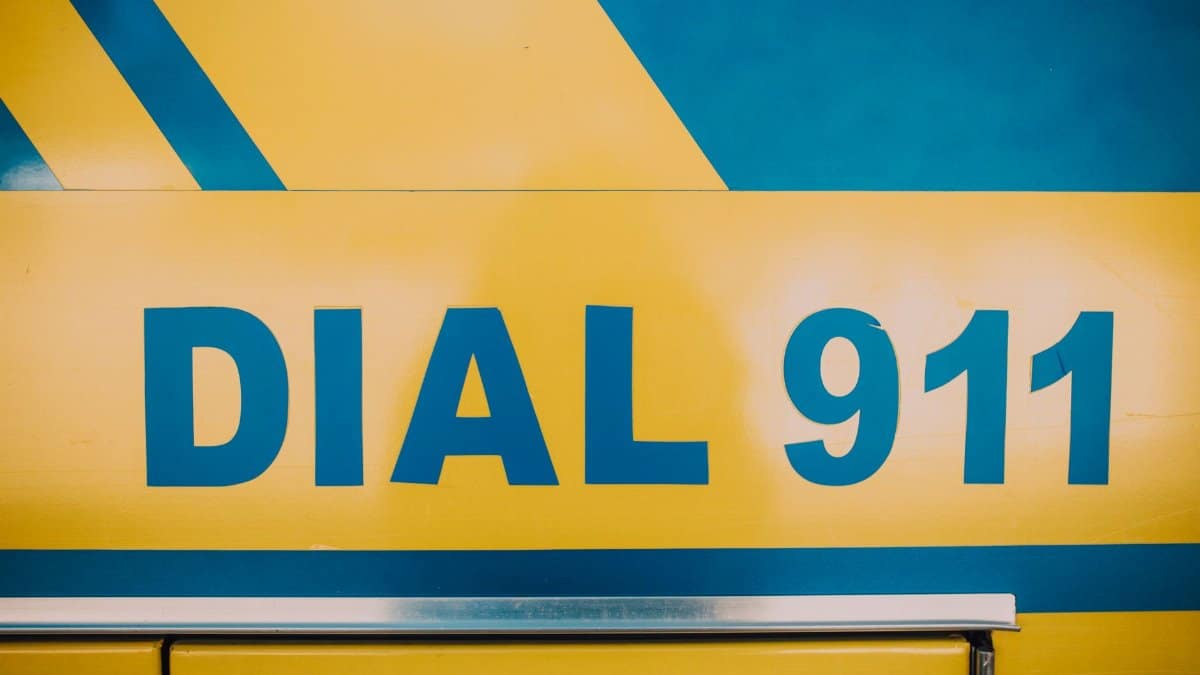
Emergency dispatch remains essential when a person is in immediate physical danger, when a weapon is involved, or when medical collapse is underway. Many mental health crises are urgent without being a scene that armed response is built to handle. Families have learned, sometimes painfully, that the wrong door can escalate fear. A dedicated line gives them another door.
The distinction is not purity. Crisis work overlaps. A counselor may still need emergency services if a caller cannot stay safe. The hope is that fewer moments begin with lights and uniforms when what was required was time, clinical judgment, and a follow up call the next morning. Communities that treat 988 and 911 as rivals misunderstand both. They are different tools for different risks, and the public deserves to know which tool fits.
The Great Rivers landscape

Southwest Washington does not experience crisis the way a dense city does. A young adult in a small town may have one bus route, one employer, and a circle of relatives who will hear about a hospital visit before sunset. Privacy is fragile. So is transportation. A hub that understands those constraints can avoid advice that sounds sensible in a metro area and useless on a county road with no evening clinic.
Olympic Health and Recovery Services already works in recovery and crisis services. That history matters. Call centers fail when they are phone rooms floating above the counties they serve. They do better when the people answering know which mobile teams are staffed, which emergency departments are diverting, and which shelter beds vanished after a winter storm. Local knowledge is not a courtesy. It is the difference between a referral and a dead end.
The counselors behind the number

Public talk about 988 often stops at the digits. The harder subject is labor. Answering crisis calls requires stamina, supervision, and a wage that makes the job survivable. Turnover hollows out skill. A new counselor can be kind and still miss a cue that a veteran would catch. Hubs that last invest in training, quiet rooms, and clinical backup when a call turns grave.
Listeners also carry what they hear. Secondary stress is not a metaphor. Organizations that treat staff care as optional eventually pay for it in missed shifts and thinner coverage at 2 a.m., which is precisely when coverage cannot be thin. A fourth hub is therefore a staffing project as much as a technology project. Phones can be purchased faster than judgment can be grown.
Follow through after the call ends

The call is the visible part. The less visible part decides whether the system earns trust. Did someone check the next day? Was a mobile team available, or only a voicemail? Could a person who lacked insurance still be seen? Washington’s crisis reforms have tried to braid the phone line to in person response and short term stabilization. Braiding is slow work. A hub that answers beautifully and then hands the caller into a void will be remembered for the void.
Families should ask plain questions of local providers. Who comes if we need someone at the house? How long is the wait? What happens if the person refuses transport? Those questions are not hostility. They are how a community tests whether a new service is real. Olympic Health and Recovery Services will be judged, fairly, on the answers that hold up on a Saturday night, not on the language of a launch announcement.
Money, politics, and staying power

Crisis lines attract bipartisan warmth and uneven appropriations. Everyone agrees that a person in despair should reach a human being. Agreement thins when the bill arrives for workforce, technology, mobile teams, and beds. A hub can open on grant momentum and struggle when the grant recedes. Readers should watch the budget the way they watch the ribbon cutting. Sustainability is the adult version of hope.
There is also the question of data. How many calls come from the new territory? How many are answered in state rather than rolled to a national backup? How often does contact lead to a mobile response, a clinic visit, or an emergency dispatch? Published numbers, explained in ordinary language, let the public see whether the fourth hub is absorbing real volume or merely existing on paper. Opacity breeds rumor. Rumor is a poor companion to a service people must trust with their worst night.
Faith communities and the old work of sitting with pain

This expansion sits, perhaps unexpectedly, inside a spiritual story as well as a clinical one. Long before crisis lines, congregations, tribal communities, and neighborhood elders did a version of this labor. They sat with the bereaved. They brought food. They noticed who had stopped coming to the table. Modern care should not romanticize that past. Informal networks miss people, shame people, and sometimes fail people in danger. They also hold a truth the health system keeps relearning: suffering is eased by presence, not only by protocol.
A 988 crisis hub can partner with that older instinct without turning the phone line into a pulpit. Clergy and lay visitors are often the first to hear that someone has stopped sleeping or started giving away belongings. If those leaders know when to encourage a call, and when a call is not a substitute for emergency care, the net gets tighter. The spiritual trend worth naming is not a new doctrine. It is a renewed willingness to treat mental suffering as a shared responsibility rather than a private defect.
What families can do before a crisis peaks

Waiting for the worst night to learn the number is a common mistake. Put 988 where a household already looks: a refrigerator note, a phone contact, a card in a wallet. Talk, while things are calm, about what each person would want if panic or suicidal thoughts returned. Name the clinic, the trusted friend, the medications, the pets that cannot be left alone. A plan written in daylight is sturdier than a plan invented in terror.
Parents of adult children face a particular bind. Privacy law can close doors just as worry opens. A call to 988 can still orient a frightened parent, even when the counselor cannot share details about another adult. The line is not only for the person in crisis. It is for the person trying to love them without making things worse. That second caller is easy to forget in policy briefs and impossible to forget in a kitchen at midnight.
Limits that honesty requires

No phone service ends suicide, addiction, or the housing shortage. A hub cannot invent inpatient beds, repair a closed rural hospital, or undo years without a therapist. Overclaiming would insult people who have already been disappointed by systems that promised transformation and delivered a pamphlet. The honest claim is narrower and still worth making. More calls from this region should reach counselors rooted in this region. More of those counselors should know the next local step. Fewer families should feel they have nowhere to turn except a number they do not trust.
There will be bad calls. There will be waits. There will be nights when backup centers outside the area take what the local hub cannot. Transparency about those limits protects the service better than cheerleading. Trust grows when officials say what is true, including what is not yet built.
A cultural shift measured in ordinary hours

I have come to think of these lines as a civic habit, closer to a fire station than to a campaign. You hope never to need them. You are grateful they are staffed by people who chose a hard job. The fourth 988 crisis hub will not announce itself with drama if it works. It will show up as a shorter wait, a counselor who knows Longview from Aberdeen, a follow up that actually happens, a teenager who tells a friend the number because the friend was not shamed for using it.
Middle age is often when people become the ones who get the late call: from a parent, a spouse, a coworker, a child who left home and is not all right. Knowing where that call can go is a form of preparedness as practical as a smoke alarm. Washington’s decision to place another hub in Olympic Health and Recovery Services is a bet that preparedness can be local. The coming months will show whether the bet is funded, staffed, and worthy of the people who will test it with their real voices.
How to use the line tonight

If you or someone near you is in immediate danger, call 911. If the need is a mental health crisis and you can reach a phone, call or text 988, or begin a chat at https://988lifeline.org. You do not need a diagnosis, insurance card, or composed sentence. Say what is happening. Ask what help exists near you. If you are in Cowlitz County or the Great Rivers region, the expansion of this 988 crisis hub is meant to make that answer more local than it was before.
Keep the number. Tell one other person. The point of a crisis system is not that any of us plans to use it. The point is that, when the weeknight goes wrong, the next voice does not have to be a stranger to the place we live.