
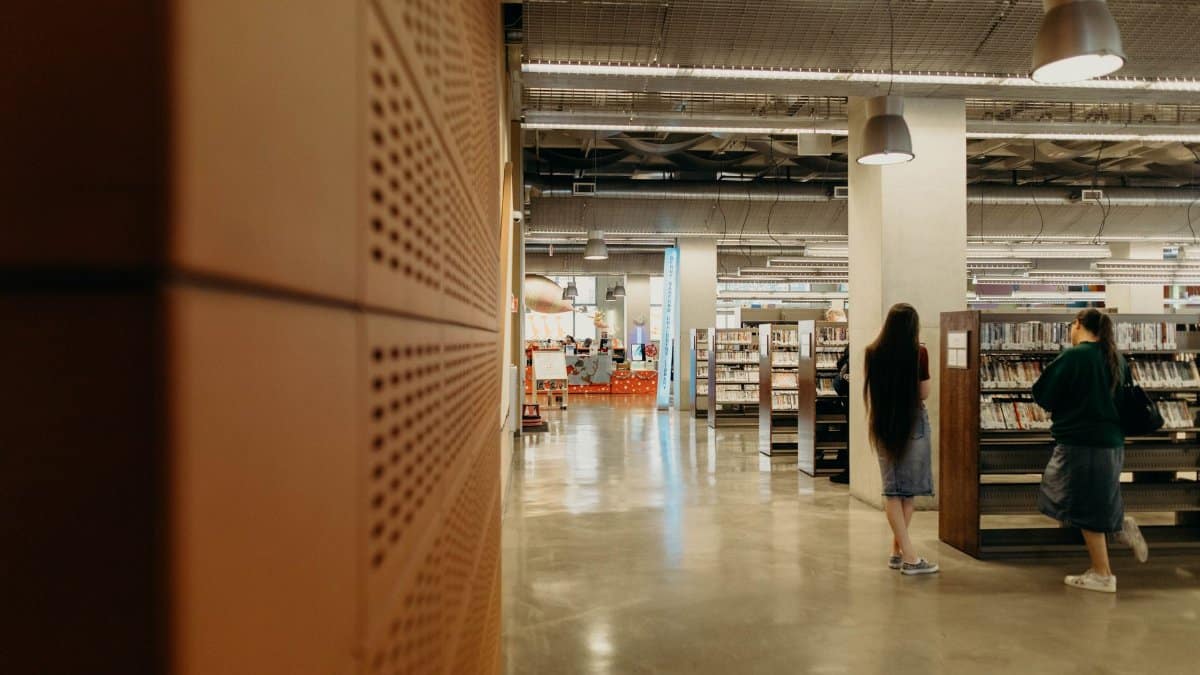
On a bright afternoon in the Mission, people who had grown used to walking past a closed civic building stopped at the doors again. The Mission Branch Library has reopened after a renovation priced at $40 million, and the return is less a ribbon cutting than a restoration of ordinary neighborhood life. Parents steered strollers toward a larger children’s room. Students claimed tables in a reading room brought back to something like its earlier dignity. Staff set out part of a collection expanded by 44,000 new items. For a city that argues constantly about what public money is for, the reopening offers a plain answer: a room, a book, and a place to sit without buying anything.
A door that had been shut too long

Branch libraries disappear from daily routes faster than residents expect. A detour becomes a habit. Homework moves to a kitchen table. Story time moves to a phone screen. When the doors open again, the first visitors are not making a political statement. They are testing whether the old promise still holds: that a public room will be warm, lit, and free.
In the Mission, that promise has always carried extra weight. The neighborhood holds longtime families, new arrivals, small businesses, and people who treat the street itself as a living room. A library here is not a quiet annex to downtown culture. It is one of the few interiors where age, language, and income do not decide who may stay.
What the money was asked to do

Forty million dollars is a sum that can sound abstract until it is translated into walls, roofs, wiring, and shelves. Renovating an old public building is rarely a matter of fresh paint. It means bringing an early structure up to the expectations of a city that now asks one room to serve toddlers, job seekers, teenagers, and elders in the same afternoon.
The visible gains are the ones families will notice first. A bigger children’s room changes the scale of noise a building can absorb. A restored reading room restores a kind of attention that open offices and cafes rarely allow. Behind those rooms sit the unglamorous systems that decide whether a reopening lasts: accessible entries, reliable heat, safe stairs, and enough power for the devices people now carry as a matter of course.
Forty four thousand reasons to browse

A renovation that only polished the architecture would have missed the point. The collection grew by 44,000 new items, a number large enough to change what a browser finds on a random Tuesday. New books are not decoration. They are how a branch signals that it expects readers who did not grow up with the old card catalog, and readers who did.
In a neighborhood as linguistically alive as the Mission, a useful shelf is a varied shelf. Picture books, novels, practical guides, and materials in more than one language keep a building from becoming a monument to a single idea of literacy. Staff will spend months learning which titles move and which sit. That adjustment is part of the work, not a flaw in the purchase.
The children’s room as a public square
A larger children’s room is easy to celebrate and harder to design well. Small children need floor space, low shelves, and sightlines that let a caregiver look up without losing a toddler. They also need a room that does not treat noise as a moral failure. The best children’s rooms accept mess and then return, by closing time, to order.
For many families, this is the front door to the whole institution. A child who associates the building with songs and cardboard books is more likely, years later, to ask for a novel or a quiet table. The civic return on that habit is slow, which is precisely why cities under budget pressure are tempted to ignore it. The Mission Branch Library reopening treats that slow return as worth the cost.
A reading room brought back into use
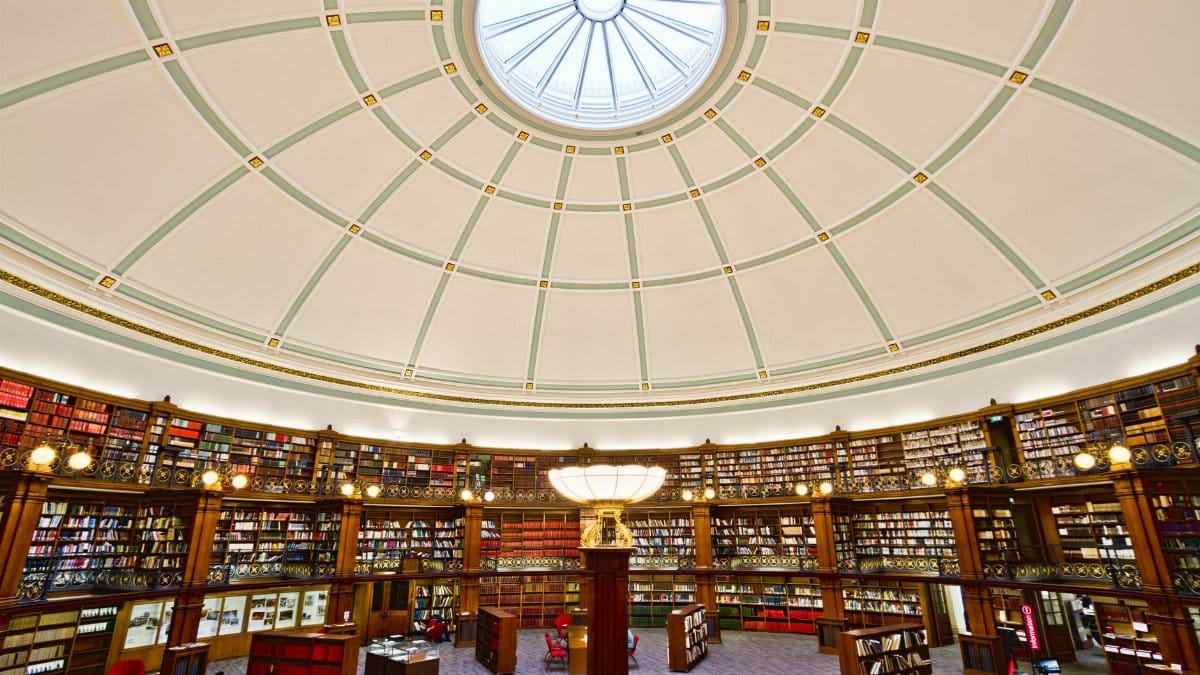
The restored reading room answers a different need. Adults come to libraries to escape apartments that are too small, shifts that end late, and homes where concentration is a luxury. A good reading room does not perform hospitality with slogans. It offers chairs, light, and a shared agreement that conversation can wait.
Restoration matters because these rooms were built to teach a posture. High windows, solid tables, and a clear span of quiet tell a visitor that staying is allowed. In a city where so many interiors are organized around a purchase, that permission has become rare. People will photograph the room. The more important measure is whether they remain after the photograph, with a book open and a bag on the floor.
Construction as a test of patience
Closures test neighborhoods. Residents are asked to believe that absence is temporary and that the finished building will justify the wait. Some will have found other branches. Some will have stopped going altogether. Reopening day does not automatically restore those habits. It only creates the conditions under which habits can return.
City agencies rarely get credit for the years when nothing public is happening on a site except dust and delay. Yet those years decide whether a renovation is a refresh or a rescue. Old libraries accumulate leaks, outdated systems, and layouts that no longer match how people read. Spending the money before failure becomes dramatic is a form of maintenance, even when the price tag invites argument.
Design that respects an older building
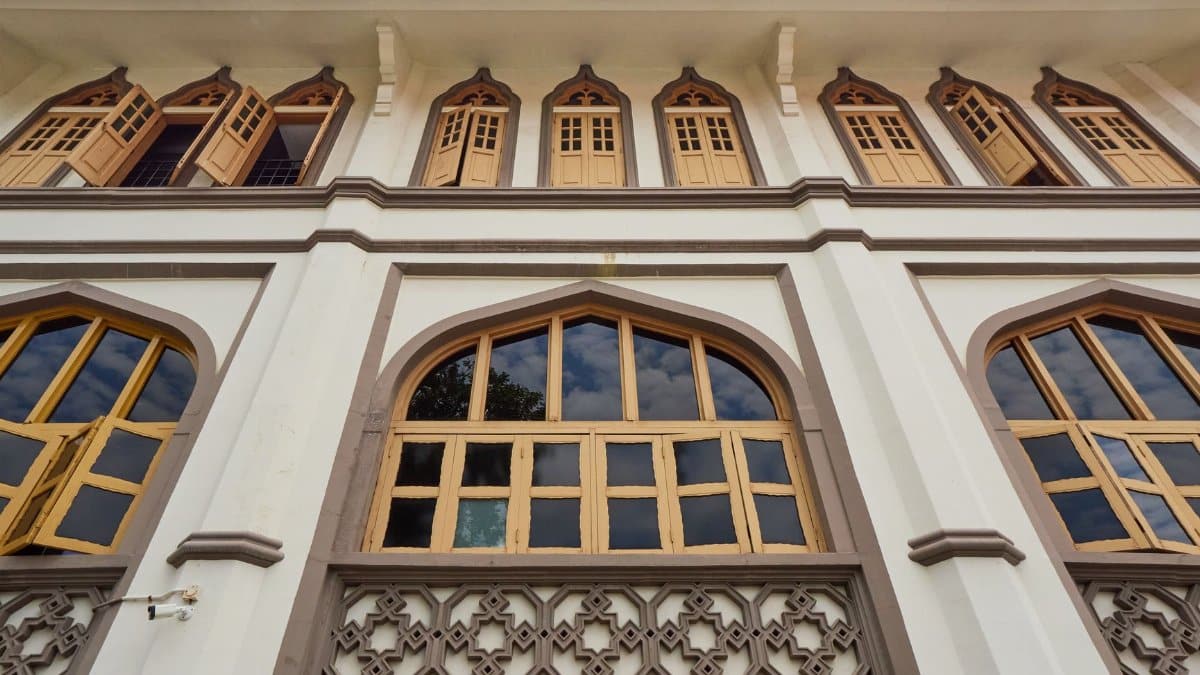
The hardest renovations keep what a neighborhood already loves and discard what no longer works. Historic reading rooms earn loyalty because they look unlike the rest of the street. New service desks, accessible routes, and flexible program space earn loyalty because they let more people use the loyalty. A successful project holds both ideas at once.
Visitors will judge the result with their bodies. Can a person with a walker reach the main floor without a workaround? Can a teenager find a seat that is not in the path of strollers? Can staff see the room without hovering? These are design questions, and they are also questions of dignity. A beautiful building that frustrates its users becomes a postcard. A plain building that works becomes a habit.
Programs that give the shelves a voice
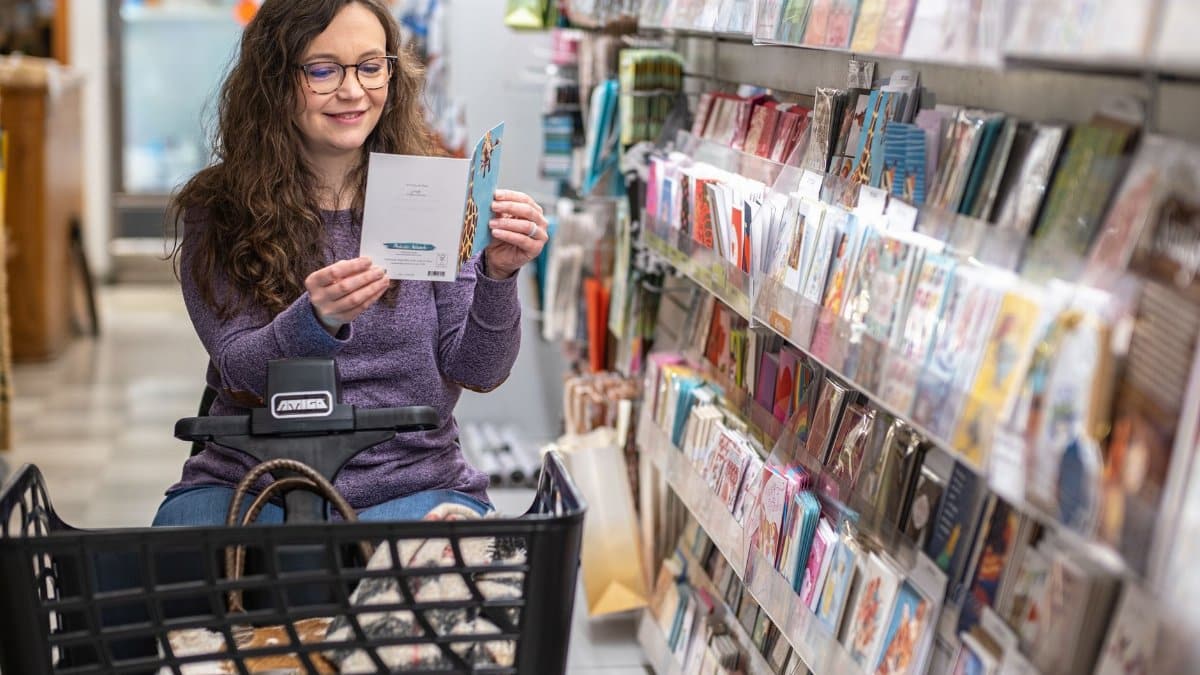
Books do not recruit their own readers. Story hours, homework help, language classes, and quiet clubs do that work. After a long closure, programming is how a branch reintroduces itself to people who changed addresses, jobs, or schools while the doors were shut. The calendar matters as much as the collection.
The Mission has no shortage of gathering places, from churches to parks to storefront galleries. A library’s advantage is range. It can host a tax workshop in the afternoon and a poetry reading at dusk without asking either group to belong to a club. That range is easy to underestimate until a neighborhood loses it. Then the loss shows up as longer lines at other branches and fewer places where a stranger can ask a question without spending money.
Language, work, and the practical shelf

Not every visitor comes for literature. Some come for forms, citizenship materials, job listings, and a printer that does not demand a credit card. Others come because home internet is unreliable or shared among too many people. A branch that treats these errands as lesser uses misunderstands its own history. Public libraries have always mixed the sublime and the practical.
In a district shaped by immigration and by rising rents, practical help is not a side service. It is how the institution stays honest. A novel can change a life. So can a quiet hour with a resume and a staff member who knows which database actually works. The new items on the shelves should include both kinds of tools, and the rooms should make both kinds of use feel welcome.
Quiet as a civic practice
There is a spiritual dimension to this reopening that has nothing to do with doctrine. A library asks people to slow down in public. It treats attention as something a city can shelter. In a culture organized around alerts and transactions, that request can feel almost countercultural.
Regulars know the feeling. You enter with an errand and leave having read twenty pages you did not plan to read. The room did not convert you. It simply removed, for a while, the pressure to be elsewhere. Cities that preserve such rooms are preserving a kind of inner life that markets will not supply on their own. That is not mysticism. It is infrastructure for reflection.
Who is likely to walk back in
The first weeks will draw neighbors curious about the finish, parents testing the children’s room, and students hunting for outlets. The more telling visitors will come later: the person who needs a computer for an application, the elder who wants a newspaper and a familiar chair, the teenager who has nowhere else to wait between school and a shift.
If those visitors stay, the renovation will have done more than restore a landmark. It will have rebuilt a constituency. Public buildings survive budget cycles when enough people can describe, without rhetoric, what they would lose if the doors closed again. A reading room full of ordinary afternoons is the strongest argument a branch can make.
The measure that will matter next year
Ribbon cuttings fade. Circulation numbers, program attendance, and the simple sight of a full children’s room will tell a truer story. So will complaints. A building this complex will reveal small failures: a confusing sign, a chair that squeaks, a shelf that does not match how people actually search. Listening to those complaints is part of finishing the work.
San Francisco has spent $40 million to return a neighborhood institution to daily use, with 44,000 new items and rooms scaled again to children and to quiet study. The Mission Branch Library will justify that sum not on opening day but on a wet Wednesday months from now, when nobody is watching and the doors are simply open. That is the standard worth keeping. A city that can still meet it has not lost its capacity for care.