

On a gray Tuesday in mid November, the questions start early. Will the drive to a parent’s house stay clear. Will the pies cool on a porch that is merely chilly, not frozen. The early Thanksgiving forecast for New England points to high pressure and a dry stretch from November 25 through November 27, with afternoon temperatures in the 50s across Greater Boston on the holiday itself. For a region that has learned to pack both boots and doubt, that is a gentler opening than many Novembers offer.
What the early outlook actually says

Meteorologists looking at the middle of next week see a broad area of high pressure settling over the Northeast. High pressure favors sinking air, fewer clouds, and less chance of steady rain or a messy mix. The result, as it stands, is a mostly dry holiday window rather than a storm track aimed at the coast. In Greater Boston, highs near the 50s would feel mild for late November, closer to a brisk walk than a hard freeze. Nights should still drop into the 30s in many spots, so the mild label applies to the afternoon, not to the hour before dawn. The Thanksgiving forecast at this range is a pattern call: dry, quiet, and seasonably soft by day.
That reading comes from the same public outlooks the National Weather Service updates as new model runs arrive. Readers who want the official language can follow the National Weather Service and the Boston area forecast office rather than a single social media screenshot. Early agreement among the major models is encouraging. Agreement is not the same thing as certainty.
High pressure and a quiet sky
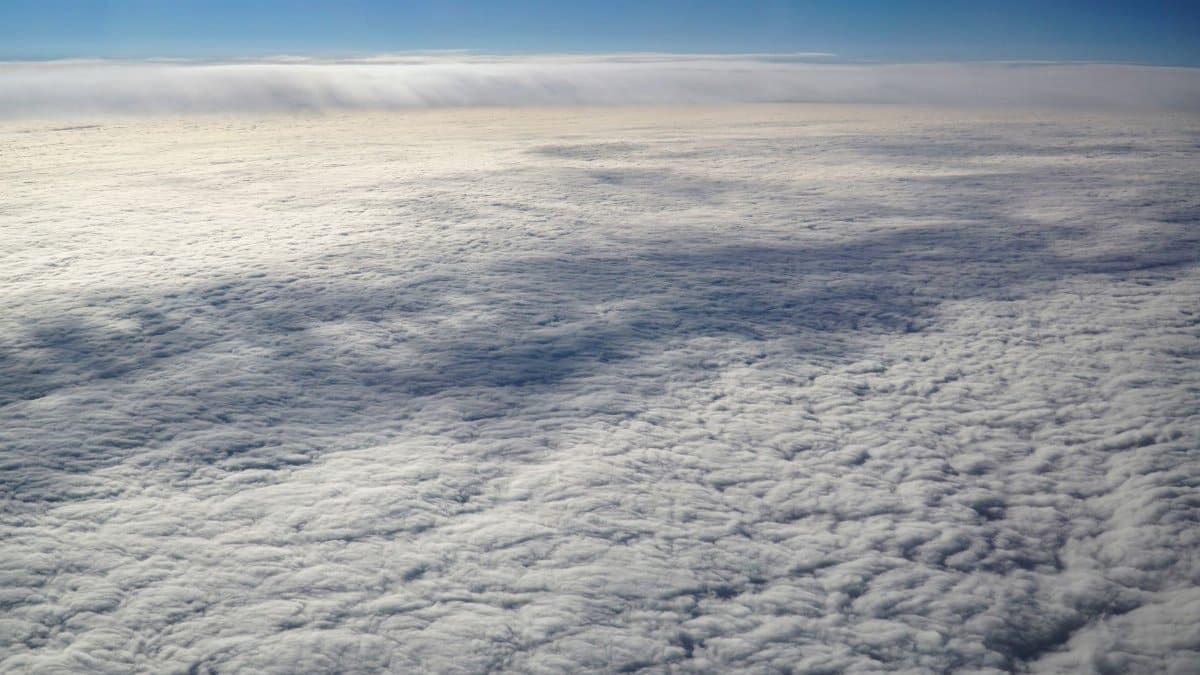
High pressure is easy to underestimate because it does not arrive with a name or a dramatic radar loop. It is a large dome of relatively heavy air. Under it, winds often ease, fog can form in sheltered valleys overnight, and precipitation struggles to organize. For a holiday built around roads, ovens, and front steps, that kind of dull weather is a gift. A dry cold front may brush the region before the weekend, but the signal now is that any such front would be weak and would not linger as a soaking rain.
Sunshine is the more likely companion than a gray lid, especially away from the immediate shore in the middle of the day. Where clouds do hang on, they should be thin enough that temperatures still climb. The practical translation is simple. Coats yes. Umbrellas probably not. Shovels can stay in the garage unless a later shift appears, and there is no strong sign of one in the current maps.
Greater Boston on the holiday

On Thursday itself, Greater Boston looks like the mild heart of the regional picture. Afternoon readings in the 50s would let people move between car and kitchen without the shock of a true arctic day. Sidewalks should be dry. Playing fields and small parks may be firm rather than muddy if the days before stay rain free. Evening will cool quickly once the sun drops, as it always does this time of year, so the walk home from a late dinner still wants a real jacket.
Wind is the detail that can change how 50 degrees feels. A light breeze under high pressure would keep the holiday comfortable. A stronger northwest flow off a departing front would make the same number feel sharper, especially near the water and on open bridges. Hosts planning porch photos or a short stroll after the meal should check the wind forecast on Wednesday night, not only the high temperature. I have stood in enough grocery lines the week of the holiday to know that people ask about the sky before they ask about cranberries.
The roads before and after dinner
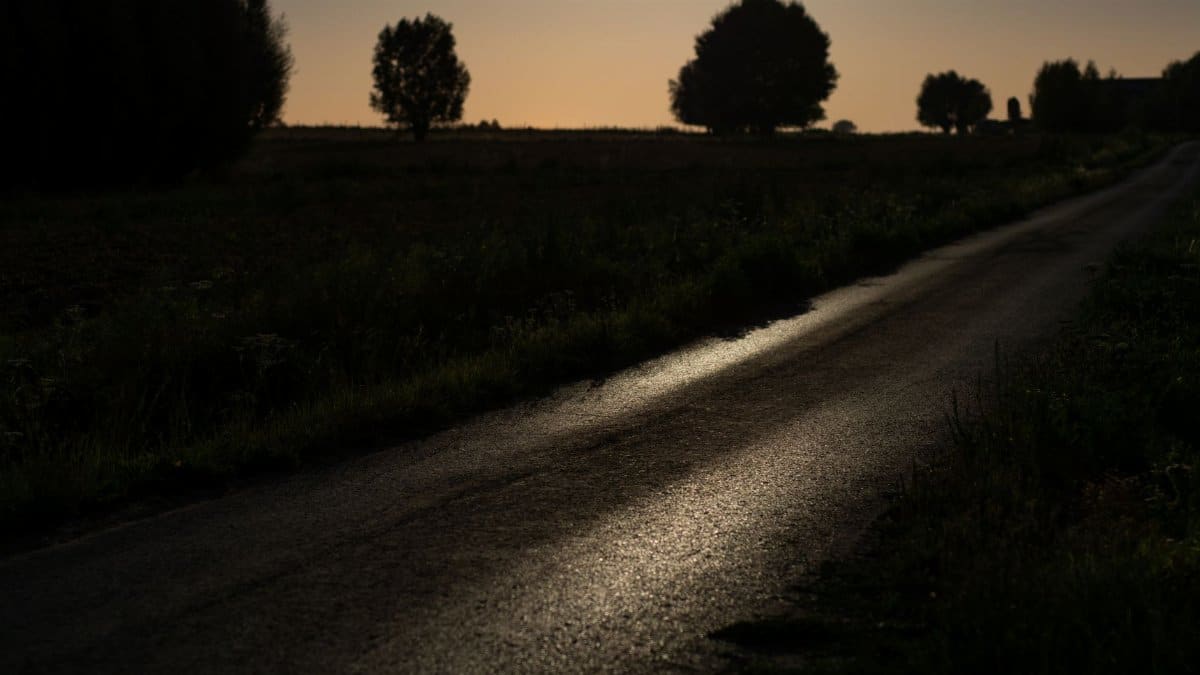
Travel is where a quiet pattern earns its keep. Wednesday, the heaviest driving day for many families, currently sits on the dry side of the outlook as well. Thursday looks similar. Friday, the return trip for a lot of guests, also leans dry under the same high pressure, though clouds may increase later as the dome begins to shift. Dry pavement does not erase traffic. It does remove the extra danger of spray, black ice on elevated roads, and the sudden slowdown that comes when rain starts during the evening rush out of the city.
That is why the Thanksgiving forecast matters as much to people planning a highway departure as to hosts timing a roast. A dry day still rewards an early start. Construction zones, game day crowds, and the simple fact of millions of cars do not care that the radar is empty. What the weather removes is one major reason to delay. For bus riders and train passengers, dry platforms and clear tracks are their own small mercy. Airlines will still deal with the national system, including storms that may be nowhere near New England, so a kind local sky is not a promise of an on time flight.
Mountains coast and the rest of New England

New England is not one climate. A 50 degree afternoon in Boston can sit beside 40s in the Berkshires and colder pockets in northern New Hampshire and Maine, especially after sunset. Higher elevations may see a freeze each night even if the holiday afternoon feels mild in the valleys. Anyone heading to a cabin should still pack for a cold morning and a possible skim of frost on the car. Coastal Massachusetts, Rhode Island, and southern Maine can run a little cooler than inland suburbs when an onshore breeze is present, and they can also hold clouds longer.
Ski areas watching for an early base should not read a mild, dry holiday as the start of a thaw that ruins the month. Three days of 50s in the lower elevations do not erase a season. They do mean that natural snow is unlikely to fall on the travel days themselves. Rain gear can stay packed. Layers still belong in the car, because a mountain afternoon and a city afternoon are not the same errand.
Why an early outlook still moves

An early Thanksgiving forecast is a sketch, not a contract. Ten days out, models are skilled at seeing large features such as a strong high or a deep storm. They are less skilled at the exact hour a cloud band arrives or whether a coastal town stays two degrees warmer than an inland town. Small shifts in the position of the high can change wind direction, and wind direction changes how mild the day feels. A storm that looks harmless over the Great Lakes on one run can edge closer on the next, even if that is not the favored path now.
The honest way to use this outlook is to plan the big things and leave the small things flexible. Menu, guest list, and departure window can proceed on the assumption of dry roads. Outdoor seating, a long walk on the beach, or a dawn hike should wait for forecasts inside three days, when meteorologists can speak with more confidence about wind and cloud cover. The Boston forecast office will refine the details as the holiday draws near. Refreshing that page beats refreshing a rumor.
How households use a weather report

A forecast is also a family document. It decides whether the extra chairs go on the porch or stay in the dining room. It decides if the turkey rests near an open window. It decides which cousin is asked to drive the older relatives. In apartments without much storage, a dry stretch means boots do not have to occupy the entry all weekend. In houses with long driveways, it means one less morning of scraping windshields before a full car heads out.
People tend to remember the holiday that went wrong, the year the rain turned to a glaze or the power flickered during the meal. A mild, dry outlook will not make the news in the same way, and that is part of its value. Quiet weather lets the day be about the table. It also lowers the chance that someone pushes a risky drive because the alternative is missing dinner. Safety, in this season, is often just the absence of a reason to hurry on a wet road.
Gratitude under a dry sky
Weather is not a moral lesson, and a mild holiday is not a reward. Still, the backdrop matters to how a gathering feels. A dry afternoon gives room for the walk after the meal, the conversation that happens better outside than beside a loud kitchen, the short visit to a neighbor who cannot travel. For many households the weekend carries a spiritual weight that has little to do with forecasts: thanks offered at a table, names spoken of people who are absent, a pause that the rest of November rarely allows. Clear air does not create that pause. It simply refuses to interrupt it.
There is a humility in checking the sky and then setting the phone down. The maps will update. The meal will not wait on the next model cycle. What families can control is the invitation, the ride offered to someone who should not drive at night, the willingness to move plans indoors if Friday turns cloudier than Thursday. Gratitude, in practical form, looks like that flexibility.
What deserves a second look next week

Between now and the holiday, watch three things. First, whether high pressure remains centered nearby or slides offshore, which would change the wind. Second, whether any weak disturbance on the northern edge of the pattern grows enough to bring a brief shower, especially to Vermont, New Hampshire, or Maine. Third, the nighttime lows, because a dry day can still end with a freeze that matters for late gardens, outdoor pipes, and pets left on a porch. None of those checks currently points to a washout. They are the ordinary edits that turn an early sketch into a useful plan.
For now the Thanksgiving forecast is the rare November note that asks for coats, not shovels. Greater Boston can reasonably expect a dry holiday with highs in the 50s, and much of the rest of New England can expect a similar, if cooler, kind of quiet. Hold the big plans. Recheck the small ones on Tuesday. Then let the day be about who is in the room, not about what is falling from the sky.