

By late Monday morning, most of the lights were back on. The phrase Western WA windstorm power had already become a shorthand in kitchens and group chats for a weekend that began with a forecast and ended with chainsaws, cold coffee, and utility trucks parked at odd angles along rural shoulders. Gusts reached 69 mph in places, and tens of thousands of customers lost electricity. For many of them, the outage lasted long enough to rearrange a Sunday, and for a smaller number it stretched into the workweek.
What the weekend actually delivered

The storm was not a historic monster in the way longtime residents remember the great blows of past decades. It was still enough. A strong Pacific system shoved marine air inland, and the usual gaps and ridges of the lowlands funneled that air into sudden bursts. Meteorologists had flagged the risk in advance. The timing, late in the weekend, meant fewer commuters on the roads and more people at home when the first limbs came down.
Peak gusts near 69 mph were reported at exposed sites. Inland neighborhoods saw lower but still damaging winds, the kind that snap shallow rooted maples and send loose tarps into power lines. Rain accompanied the wind in many valleys, softening soil just enough that trees which had stood for years finally leaned.
How many homes went dark
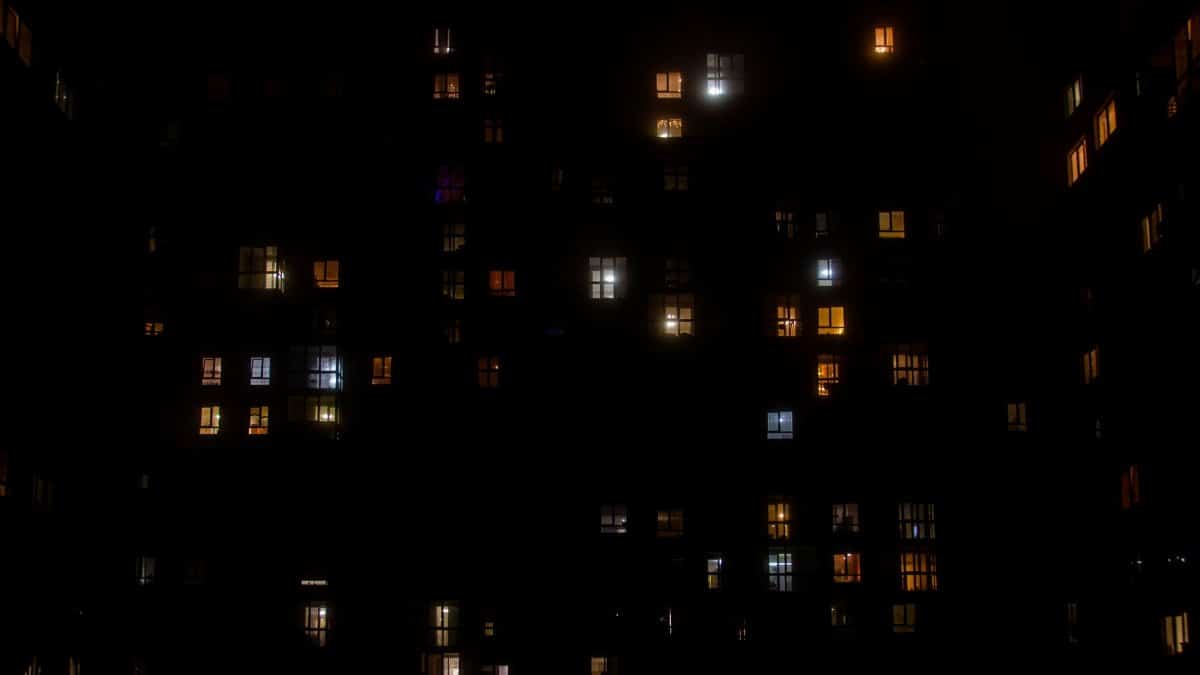
Outage maps lit up across the region as the front passed. At the height of the event, utilities reported on the order of eighty thousand customers without power in Western Washington, a figure that moved hour by hour as crews restored some circuits and new trees took others down. The exact peak depended on which utility dashboard a person refreshed, and on whether apartment buildings were counted as one meter or many households.
Seattle and its close in suburbs accounted for a large share of the calls. Rural stretches of Kitsap, Snohomish, Pierce, and Thurston counties contributed fewer customers per mile of line and far longer drives between trouble spots. That geography is the quiet fact behind every regional wind story. Density restores faster. Distance does not.
The work of getting the current back
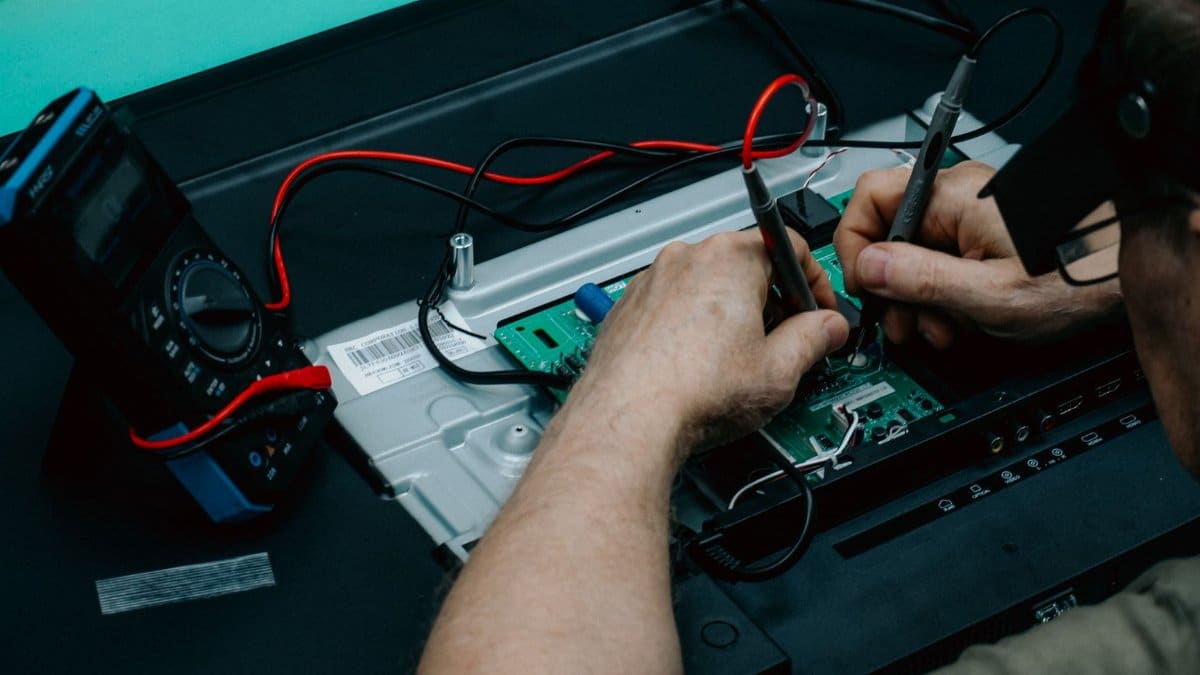
Restoration is less dramatic than the outage and more exacting. Crews do not simply flip a switch at a substation and declare victory. They patrol feeders, isolate damaged spans, and rebuild sections where conductors have been pulled from their hardware. A single fallen fir can take out a transformer, a crossarm, and several hundred feet of wire. Until that hardware is safe, the line stays open.
Utilities brought in mutual aid and extended shifts. Readers who have watched this pattern before know the sequence. Hospitals, water systems, and other critical sites move first when they are on affected circuits. Then come the large trunk lines that return power to thousands at once. The last customers are often those on long laterals where a crew must cut a tree, set a new pole, and string wire by hand in the dark or the drizzle.
By the time most of the region had service again, the public story had shifted from crisis to cleanup. That shift can feel abrupt to anyone still waiting. It is also how these events usually end. Not with a single announcement, but with a shrinking list.
Why Western WA windstorm power failures cluster where they do

The phrase Western WA windstorm power points to a structural problem as much as a weather event. Distribution lines still run through second growth forest and along streets planted a century ago with species that outgrew their planting strips. When soil is saturated and wind arrives from the southwest, the failure mode is familiar. A tree outside the official right of way falls inward. The utility did not own that tree. The customer, or the city, or nobody in particular, did.
Undergrounding would remove much of that risk. It is also expensive, slow, and disruptive to streets that are already full of water, gas, and fiber. Utilities and cities have been debating the trade for years. A weekend like this one does not settle the debate. It refreshes it, usually in the comment sections, and then the rates conversation returns to whatever else is on the agenda.
What people did while they waited

Outages sort households quickly. Some had generators sized for a refrigerator and a few lamps. Others had camping stoves, battery banks, and a habit of keeping the freezer closed. Many had none of those things, because a typical year does not demand them, and because not every apartment can vent a generator or store fuel.
Charging became a small public ritual. Libraries, coffee shops, and big box stores with power turned into informal offices. People who still had heat invited neighbors. People who did not went to relatives across a county line that the storm had treated more gently. The social media posts were half practical and half comic. A fallen fence. A dog unimpressed by the dark. A pot of soup finished on a camp stove in a garage.
There is a temptation to romanticize that improvisation. It is better to note it plainly. Most people managed. A smaller number, including those who rely on medical equipment, did not have a comfortable margin. Utilities and emergency managers urge those customers to register for priority notification. Registration is not the same as a guarantee. It is still one of the few tools that exists before the wind arrives.
Roads, ferries, and the other systems that blinked

Electricity was the headline, not the only disruption. Debris closed lanes. Traffic signals went dark at intersections that drivers then treated, with varying success, as four way stops. Some ferry runs adjusted to weather and to terminal conditions. Schools and offices that had planned a normal Monday discovered that a fraction of their staff could not leave driveways blocked by limbs.
Transit agencies posted service notices as they assessed overhead wire and blocked routes. For riders without a car, a power outage is also a mobility outage. That link is easy to miss in coverage that focuses on utility maps. A bus that cannot run is a different kind of dark house.
How forecasters framed the risk
The National Weather Service and local broadcast meteorologists had described a wind advisory level event, with the usual caveats about exposed headlands and gaps. Forecast language is careful because wind is local. A 40 mph gust in a sheltered cul de sac is a different experience from the same number on a ridge or a bridge deck. Readers who wanted a single number for the whole region were always going to be disappointed.
What the forecasts did well was timing. People had a day to charge phones, to park cars away from doubtful trees, and to decide whether a planned trip across a floating bridge was wise. That lead time is the real product of modern forecasting. It does not stop a fir from falling. It changes what a household can do before the fir falls.
The numbers behind a routine emergency
Eighty thousand outages sounds enormous until it is set beside the customer base of the large regional utilities, which together serve well over a million meters. As a percentage, the weekend was a serious but contained failure. As a lived experience, percentage is the wrong unit. The right unit is the house, the night, the medication that needs refrigeration, the shift that starts at six.
Public updates from Puget Sound Energy, Seattle City Light, and smaller public utility districts tracked restorations in batches. Those updates are worth reading closely. They often distinguish between customers restored and customers still out, and they often warn that a new falling limb can reverse an afternoon of progress. Anyone who has refreshed an outage map knows the small cruelty of a marker that disappears and then returns.
Trees, responsibility, and the argument that follows every blow

After the trucks leave, the argument starts. Who should have cut the tree. Who owns the planting strip. Whether a city pruning cycle is too slow. Whether a homeowner who likes the shade is obliged to accept a crew in the yard. These arguments are local, legal, and surprisingly emotional. A cedar is not only a hazard. It is also a view, a habitat, and sometimes a memorial.
Utilities generally may trim inside their rights of way. Outside that strip, authority is shared or absent. Hazard tree programs exist, and they are never funded at the scale that a perfectly resilient grid would require. Western WA windstorm power troubles will keep returning to this same fence line, literally, until the region spends more on vegetation management or accepts multi day outages as the price of a forested city.
What restoration does not fix
Power returning does not stand a fence back up or haul a trunk out of a garden. Insurance claims for fallen trees are their own maze, especially when the tree came from a neighbor’s lot and the policy language turns on negligence rather than weather. Many people simply pay a tree service and move on, because the alternative is a dispute that outlasts the season.
Spoiled food is another quiet cost. A refrigerator that warmed for eighteen hours is a judgment call, and public health guidance is more cautious than most family lore. The dollar loss is small beside a damaged roof and large beside a weekly grocery budget. Outage coverage rarely itemizes it. Households do.
A region that knows this weather and still gets surprised
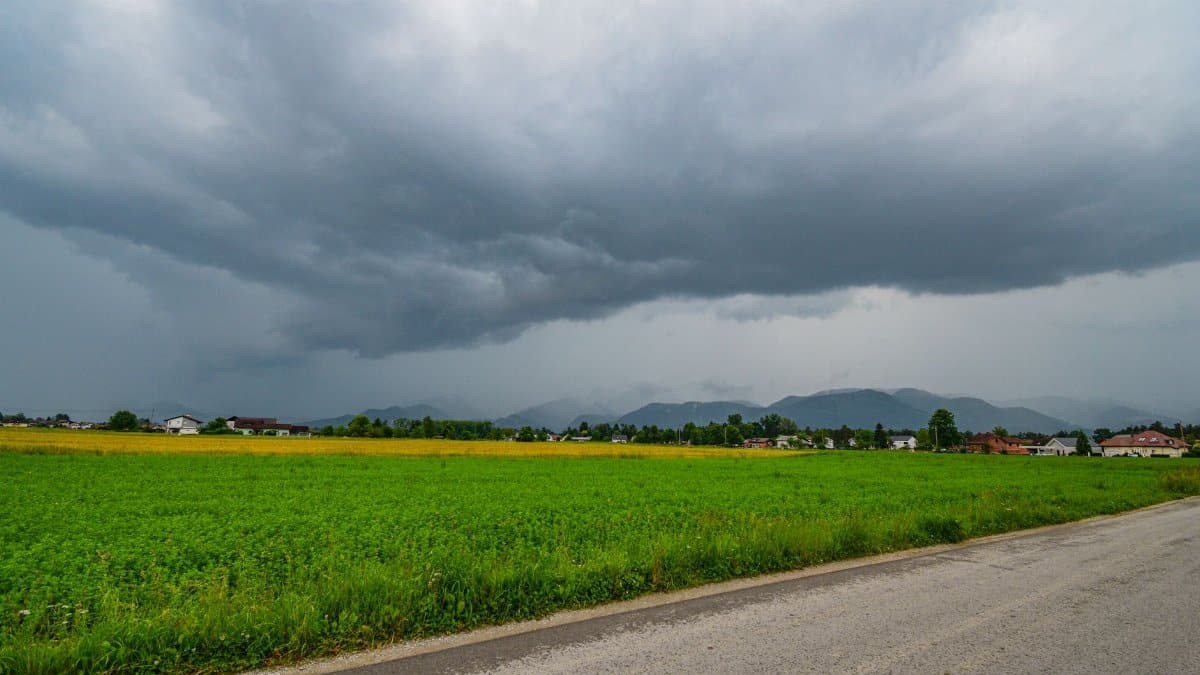
Western Washington is not naive about wind. The marine climate delivers these blows most autumns and winters. What changes is the built environment around the lines. More houses at the edge of remaining stands. More people working from home, so an outage is also a lost workday. More devices that assume a charged battery and a live router.
Preparedness advice is familiar enough to feel like nagging. Water, flashlights, a way to hear alerts that does not depend on a home Wi Fi network, a plan for relatives who need power for medical devices. The weekend did not reveal a new lesson so much as it graded an old one. Some households passed. Others discovered that the kit in the closet had dead batteries and a radio nobody remembered how to tune.
Looking at the week ahead

With most customers restored, the operational story becomes ordinary maintenance. Crews will keep clearing hangers, those half fallen limbs that have not yet taken a line down but will if the next front is rude. Arborists will be booked. Cities will log complaints about limbs on sidewalks. The wind itself will ease, and the news cycle will move to whatever arrives next.
It is worth staying slightly alert. Soaked soils and wounded trees do not reset when the outage map goes green. A calm Tuesday can still drop a branch that Saturday’s gust only loosened. People walking under canopies, and people parking under them, have a reason to look up for a few days.
How to read the next outage map

When the following storm comes, and one will, the useful habits are simple. Check the utility outage map rather than a screenshot from a stranger. Report a downed line rather than approaching it. Treat every line on the ground as live. Keep a paper list of the numbers for your utility, your pharmacy, and the relative who still has a guest room.
If you depend on electricity for health, tell the utility before the wind, not during it. If you manage a building, know which circuits feed the elevator, the sump pump, and the exit signs. If you are simply a household that dislikes the dark, a charged battery and a full bathtub of flush water will outperform most gadgets sold in the seasonal aisle.
The story the maps leave out

Western WA windstorm power is a regional headline and a private inconvenience, and both descriptions are true. The restoration numbers say the system bent and mostly held. The people still stacking cut wood at the curb would add that holding is not the same as being ready. Between those two sentences is the actual condition of this place in winter. Skilled crews, aging hardware, too many trees in the wrong places, and a public that forgets the dark a little faster than it should.
Most of the tens of thousands are back on the grid. The weekend will fade into the list of storms that were serious and not legendary. The next one will test the same lines, the same crews, and the same households. Remembering what this one required is the only preparation that costs nothing and still gets skipped.