
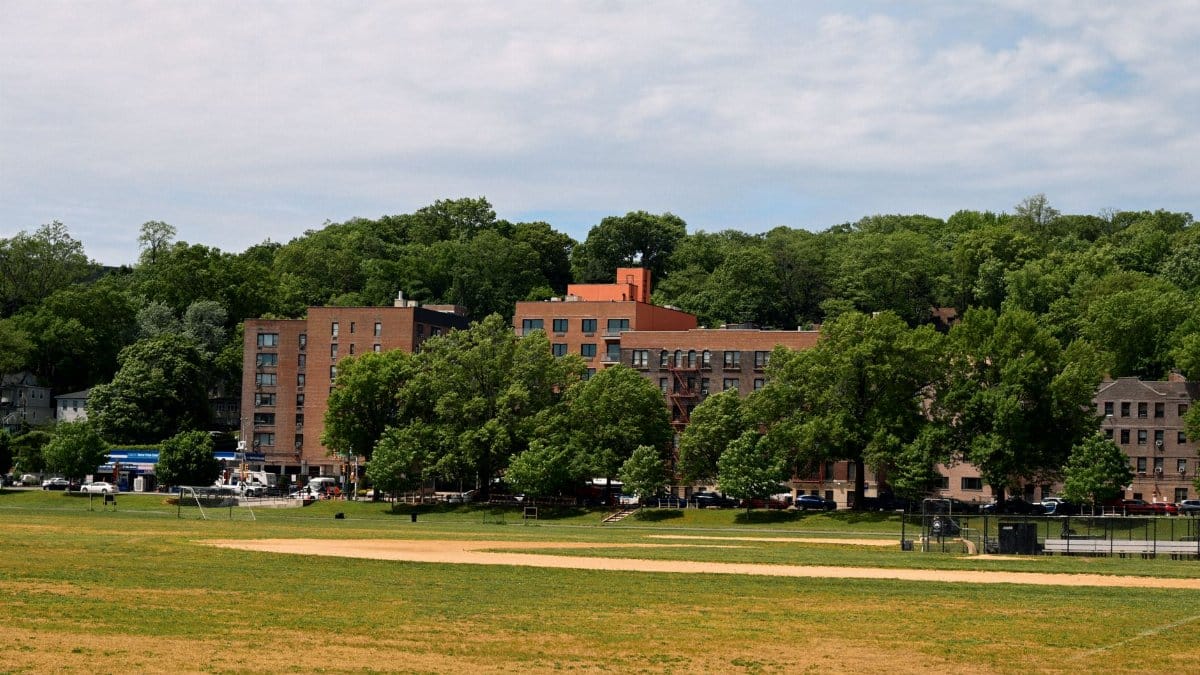
On a weekday morning in Cramer Hill, laundry lines and school backpacks still mark a place that much of the region drives past without slowing down. The brick courts look tired, and yet the sidewalks are busy with the ordinary traffic of people getting to work, church, and the corner store. Ablett Village Camden sits inside that routine, a public housing community now pulled into a larger argument about what reinvention should mean when the people already living there have waited the longest. As of late 2026 the cranes and the planning meetings have not erased that daily life. They have only made it harder to pretend the old buildings can stand forever.
A neighborhood that outlasted the plans
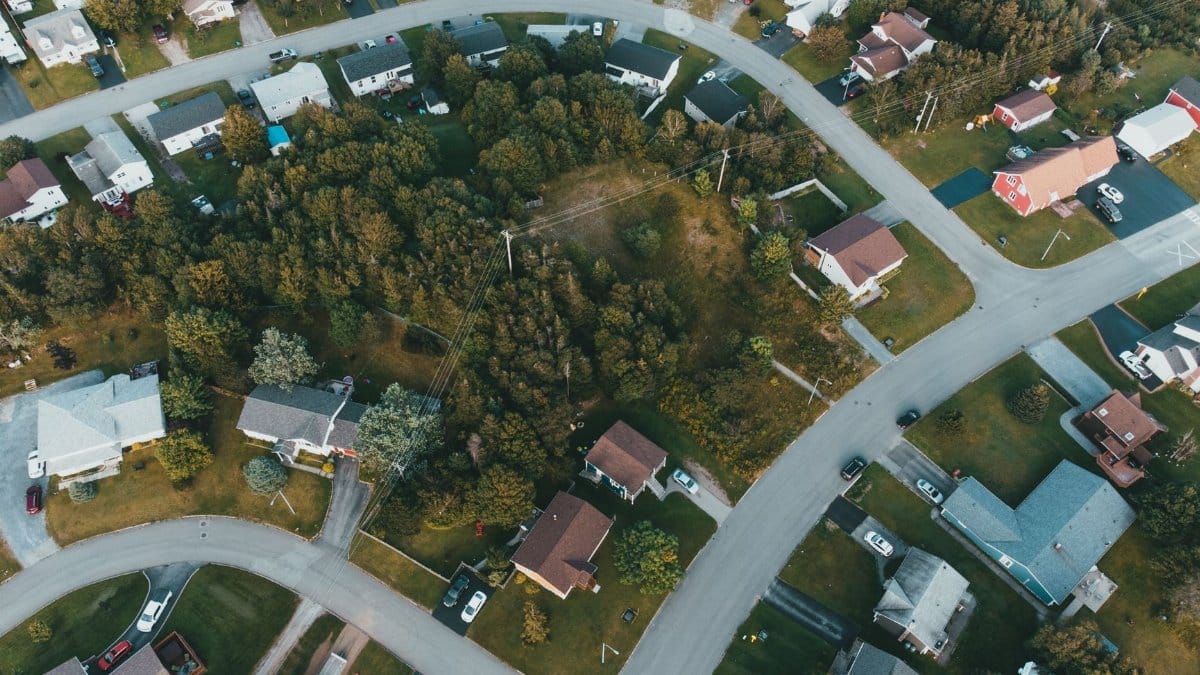
Cramer Hill has never been a blank map. Families here have buried relatives, raised children, and argued with landlords and housing authorities through decades when Camden was written about mainly as a crisis. Ablett Village grew up inside that story as a practical answer to a shortage of decent homes, then aged into a symbol of how public housing can be left to weather while policy fashions change. Residents know the leaks, the stairs, and the corners where maintenance arrives late. They also know which neighbors will watch a child after school. Any account of demolition and replacement that skips that knowledge starts in the wrong place.
Why the old courts became impossible to ignore
Outdated public housing fails in ways that do not photograph well. Heat that cannot be regulated. Units that cannot accommodate a wheelchair. Windows that waste money every winter. Common spaces that feel unsafe after dark because lighting and sightlines were never updated. Officials and advocates have described Ablett Village Camden as the kind of site where patchwork repair no longer matches the cost of starting over. That judgment is technical and moral at once. A city cannot ask people to be grateful for shelter that undermines health, and it cannot treat replacement as a favor bestowed from outside.
What new units are supposed to change

The reinvention, as planners have framed it, turns on new homes rather than a cosmetic coat of paint. Newer units are meant to meet current codes, use energy more carefully, and offer layouts that fit multigenerational households without forcing everyone into the same box. Ground level access matters for older residents. Storage, decent kitchens, and rooms that can hold a desk matter for children who do homework at the table. Improved living conditions are not a slogan if the boiler works and the mold does not return. They are also not guaranteed by renderings. The test is whether people can stay through construction and recognize the place afterward.
Students arrive with more than clipboards

One of the stranger and more promising threads in the current moment is the presence of students. Camden has long been a classroom for universities that study poverty and then leave. Partnerships around Ablett Village are being watched for whether they break that pattern. Students in design, public health, social work, and related fields can document conditions, help residents prepare for meetings, and translate planning language into plain questions. They can also become another temporary audience. The useful version of this work is slow. It means office hours in a community room, not a one semester project that ends when grades are posted.
Veterinary medicine and an unexpected campus logic

Veterinary medicine may seem far from public housing until you stand in Cramer Hill and notice how institutions expand. Training sites, clinics, and student housing pull land, traffic, and attention toward neighborhoods that were previously easy to overlook. Coverage of Ablett Village Camden has tied that academic growth to questions of diversity: who is admitted to new professional programs, who is hired, and whether animal care and human care are imagined as separate worlds. A clinic that treats pets can be a modest civic good. It becomes something else if the surrounding blocks are cleared to make the campus prettier. Residents are right to ask what the school owes the street it faces.
Diversity is a housing question too

Diversity in this setting is not a brochure word. Camden’s population is overwhelmingly Black and Latino, and public housing has been one of the few stable footholds for families with low incomes. If new units are fewer, smaller, or attached to rules that screen out the people who endured the old ones, the project will have traded one form of exclusion for another. Student bodies that do not resemble the city create a second gap. A serious plan names returning residents first, keeps rents within reach, and treats language access as infrastructure. Without those choices, reinvention is a change of tenants under a kinder name.
The daily inventory of a failing building
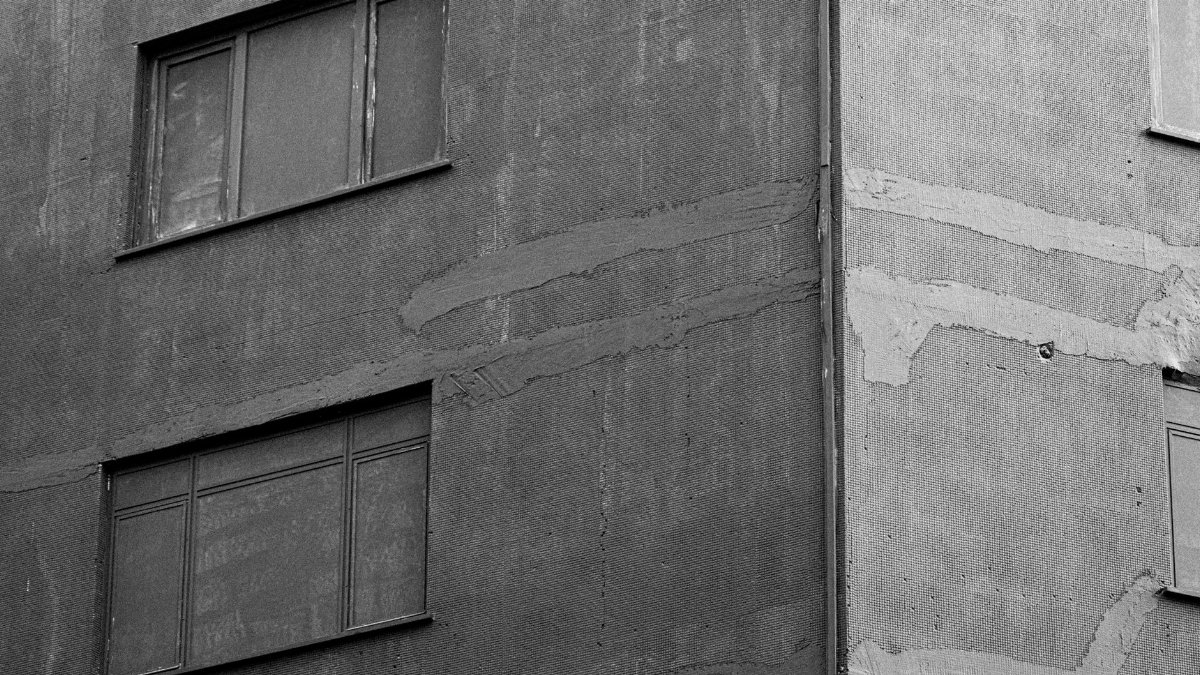
Talk to people who have lived in aging courts and the complaints arrive in a list, not a speech. Water stains shaped like maps. Elevators or stairwells that isolate anyone who cannot climb. Pests that management letters do not stop. Children doing homework beside a space heater. These are not atmosphere. They are the reason improved living conditions belong at the center of the story rather than at the end, after the architecture prizes. Public housing was built as a public obligation. When systems fail for years, the obligation has already been breached, whatever the budget narrative says about deferred maintenance.
Faith communities and the meaning of a roof

Cramer Hill’s congregations, storefront churches, and mosque communities have often done the work that master plans forget: rides to appointments, funeral meals, a room for a tenants meeting when the official room is locked. Housing is a spiritual subject in the plain sense that a home is where people pray, grieve, and decide whether the city still includes them. Pastors and lay leaders do not replace engineers. They do keep a memory of who was promised a right to return. In a news climate that files this story under development, it is worth saying that shelter is also a question of dignity, and dignity is not measured only in square footage.
Trust is harder to finance than brick

Redevelopment fails in public when residents believe the meeting is theater. Ablett Village Camden has a long memory of announcements. Trust grows when relocation is temporary and specific, when people can see their names on a list of returning households, and when construction dust is managed as a health issue rather than an inconvenience. It grows when students are introduced by neighbors, not dropped in by a dean. It thins when a press event outruns a signed guarantee. Journalists should treat trust as a material fact, as real as a foundation wall, because a plan without it will be fought in the only forums left: comments, lawsuits, and refusal to move.
Money, timelines, and the November horizon

By November 2026 the reinvention is no longer a distant concept, but it is not a finished neighborhood either. Funding for public housing remakes is a braid of federal support, local authority, and private partners, and each strand can slip. Timelines slip with them. Readers should be wary of any sentence that treats a groundbreaking as the same thing as keys in a door. The honest schedule includes temporary housing, phased demolition, and the months when a family lives between an old unit and a new one. Those months are where projects either keep their word or reveal that the word was flexible.
What other cities can learn without copying the script

Camden is not a laboratory for visiting experts, yet the choices here will be cited elsewhere. The useful lesson is narrow. Replace buildings that harm people. Design the new ones with the people who will live in them. Tie nearby campuses to jobs, clinics, and admissions that face the neighborhood rather than away from it. Do not assume student energy is a substitute for maintenance staff and property management that answers the phone. Other cities with worn public housing can take that list without pretending Cramer Hill is a template. Geography, politics, and the veterinary school next door are local facts.
The work that remains after the renderings fade

Reinvention will be judged in ordinary rooms: a child sleeping through the night because the heat is steady, an elder who does not have to leave the community to find an accessible bath, a household that moved out for construction and moved back without a new debt. It will also be judged by who is missing. If the courts are brighter and the former residents are scattered, the city will have renovated a site and vacated a community. Ablett Village Camden deserves the first outcome. The second is the old American habit of improvement that improves the view for everyone except the people who held the place together.
A closing measure that is not a slogan

There is no clean ending yet, and a feature that supplies one would be doing publicity. The measure, over the next several years, is simple enough to track without a consultant. Count the original households who return. Count the units that stay affordable. Count the student projects that continue after the semester. Listen for whether veterinary and health programs hire and train people from Cramer Hill. Walk the block after dark and see whether the lighting and the doors match the promises made in daylight. Public housing reinvention is not a mood. It is a series of kept appointments with people who have already waited long enough.