
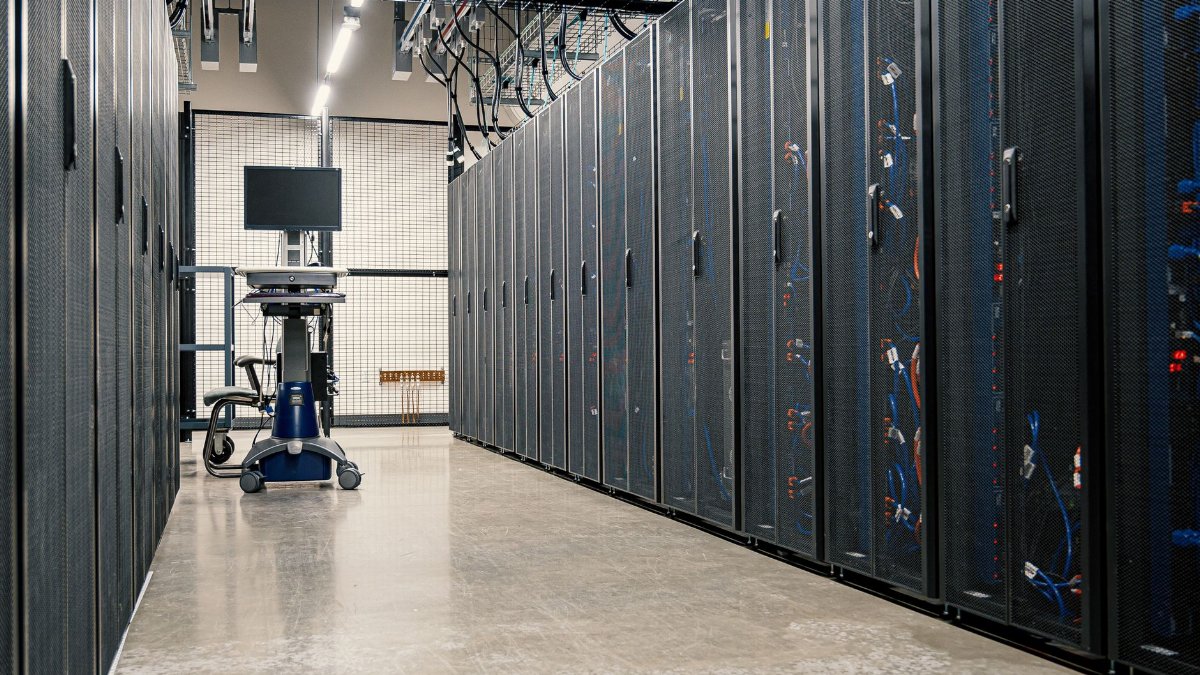
On a clear morning in the high desert, the land looks empty until you notice the fences, the grazing leases, and the power lines that already cut across it. That quiet acreage is now part of a national argument over data centers public land, and over who gets to decide what those acres are for. Sen. Martin Heinrich of New Mexico has stepped into that argument with unusual force, challenging Trump administration plans to site large computing campuses on federal ground across Western states. The timing is political as well as practical. Democrats expect to hold more leverage in Congress, and Heinrich is signaling that the fight will not wait for a ribbon cutting.
A senator from the West draws a line

Heinrich is not a newcomer to energy fights. He represents a state where oil, solar, wind, and transmission politics collide on the same map. His objection is less a blanket refusal of computing than a demand that public land not be treated as spare inventory for an industry that consumes extraordinary amounts of electricity and water. In his telling, the administration is moving faster than the public process that usually governs federal acres. Allies hear a warning to agencies. Critics hear a partisan brake on investment. Both readings can be true at once, which is why the dispute has traveled beyond New Mexico.
The phrase that keeps returning in hearings and hallway conversations is simple. Should data centers public land be paired as a matter of policy, or should companies keep buying private parcels and negotiating with counties the old way? Heinrich wants the second path to remain the default unless Congress says otherwise.
Why federal acres look tempting
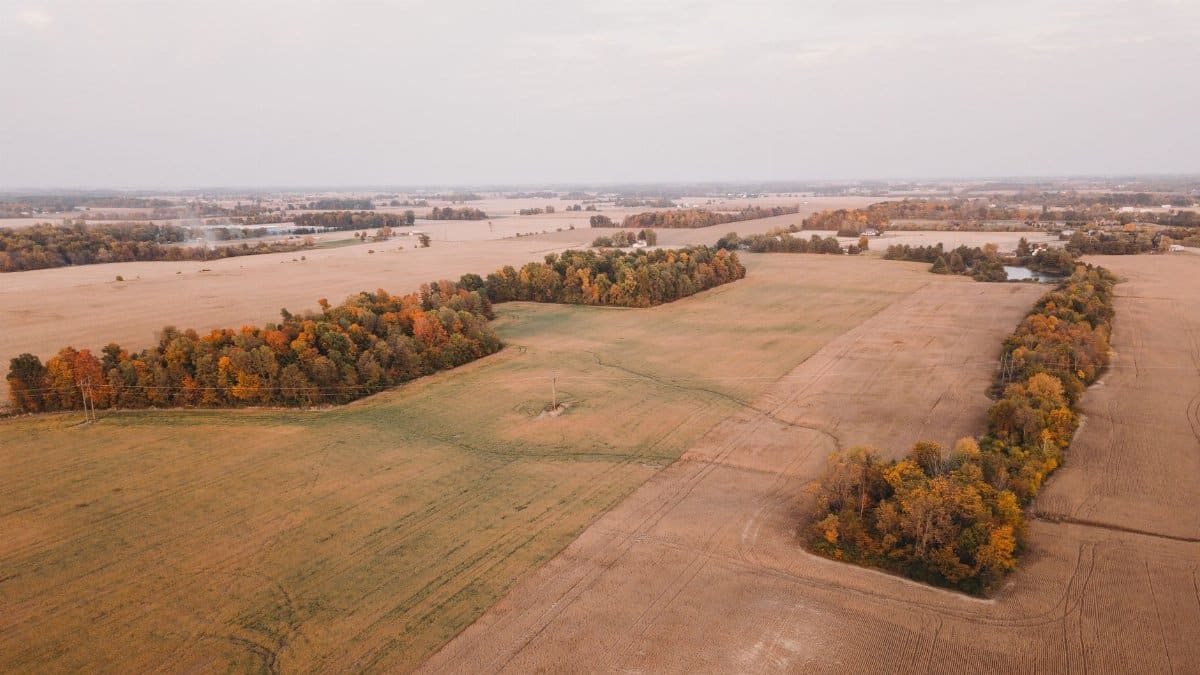
Developers like certainty. A single federal landlord can look cleaner than a patchwork of ranch owners, tribal governments, and county boards. Public land also sits near corridors where new lines might be built, and near basins where water rights are already contested. For an industry racing to house machines that train and run artificial intelligence systems, speed is the product. Delay is treated as a cost.
That logic collides with a century of Western political memory. Federal land is not vacant in the way a spreadsheet implies. It carries grazing, recreation, wildlife habitat, cultural sites, and military uses. Communities that live beside it have learned to distrust announcements that arrive fully formed from Washington. When the proposal is a campus of windowless buildings and backup generators, the distrust arrives even faster.
What the administration is selling

The Trump push, as described by lawmakers who oppose it, frames data centers as a national competitiveness project. The argument is that computing capacity is infrastructure, closer to ports and power plants than to ordinary real estate. If private sites are scarce, slow, or expensive, federal land becomes a shortcut. Supporters say the country cannot afford to lose the next wave of investment to rivals abroad. They also say rural counties could gain construction jobs and tax like payments if agencies structure the deals with care.
Opponents answer that competitiveness is not a land use category. A data hall does not function like a dam or a highway that the public uses. It is a private facility with public externalities. Electricity, water, noise, and transmission are the externalities that matter. Heinrich has pressed agencies to show their work before any site list hardens into policy.
Power first, land second
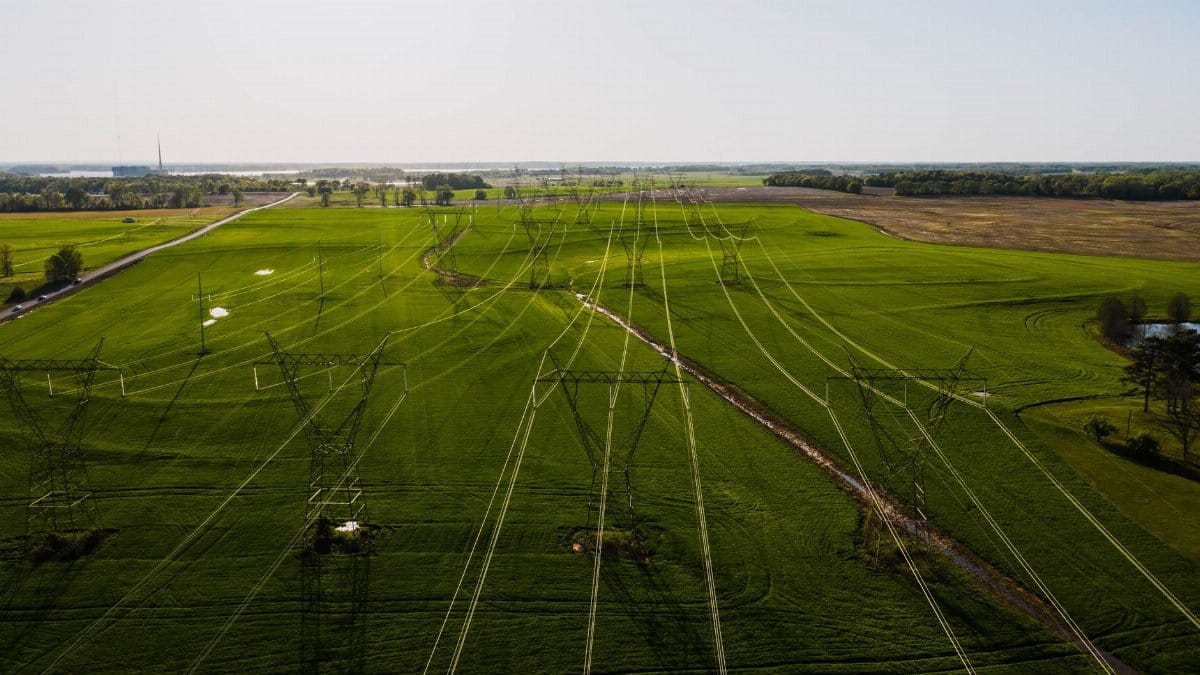
The scarce resource is often not dirt. It is megawatts. A single large campus can demand as much electricity as a mid sized city, and the demand arrives in a lump rather than in the slow climb of household growth. Utilities in several Western states are already rewriting resource plans because of data center requests. New gas plants, delayed coal retirements, and rushed transmission projects are all on the table. Public land siting does not conjure those electrons. It can, however, place the buildings closer to lines that do not yet exist, which shifts the political pain onto ratepayers and onto landscapes that would host the wires.
Heinrich and other Democrats have argued that the sequence should be reversed. Prove the power. Prove the water. Then talk about parcels. Republicans who back the administration say that sequence is a polite word for no. The argument is familiar from pipelines and mines. What is new is the customer. Computing campuses do not ship a visible commodity. They ship heat, and a service most voters never see.
Water in a dry country

Cooling is the other constraint that does not yield to rhetoric. Some designs use less water than older campuses, and some rely on air systems that trade water savings for higher electricity use. In the interior West, either choice has a cost. Aquifers are already spoken for by cities, farms, and tribes. A federal lease that ignores senior water rights will not survive contact with state law, no matter how enthusiastic the press release.
Local officials who might welcome jobs still ask a blunt question. Whose well drops? Whose river reach warms? Those questions do not require a national ideology. They require hydrology. Heinrich has used them to argue that data centers public land proposals cannot be evaluated as if the West were a blank industrial park. The land office does not own the rainfall.
Tribes, ranchers, and recreation users

Any serious map of Western public land is also a map of tribal interests, treaty rights, and sacred places that do not appear in commercial listings. Ranching families hold permits that can be altered but not casually erased. Hunters, hikers, and off road users treat access as a civic habit. A data center campus, with security fencing and constant operations, is a poor neighbor to all three.
That coalition is awkward and therefore powerful. It does not vote as a bloc. It does share a suspicion of deals struck far from the county seat. Heinrich, whose state includes pueblos, rural counties, and a large federal estate, is positioned to speak to that suspicion without sounding like a coastal critic of growth. Whether he can hold the coalition together once specific sites are named is the test that has not yet arrived.
The calendar in Congress
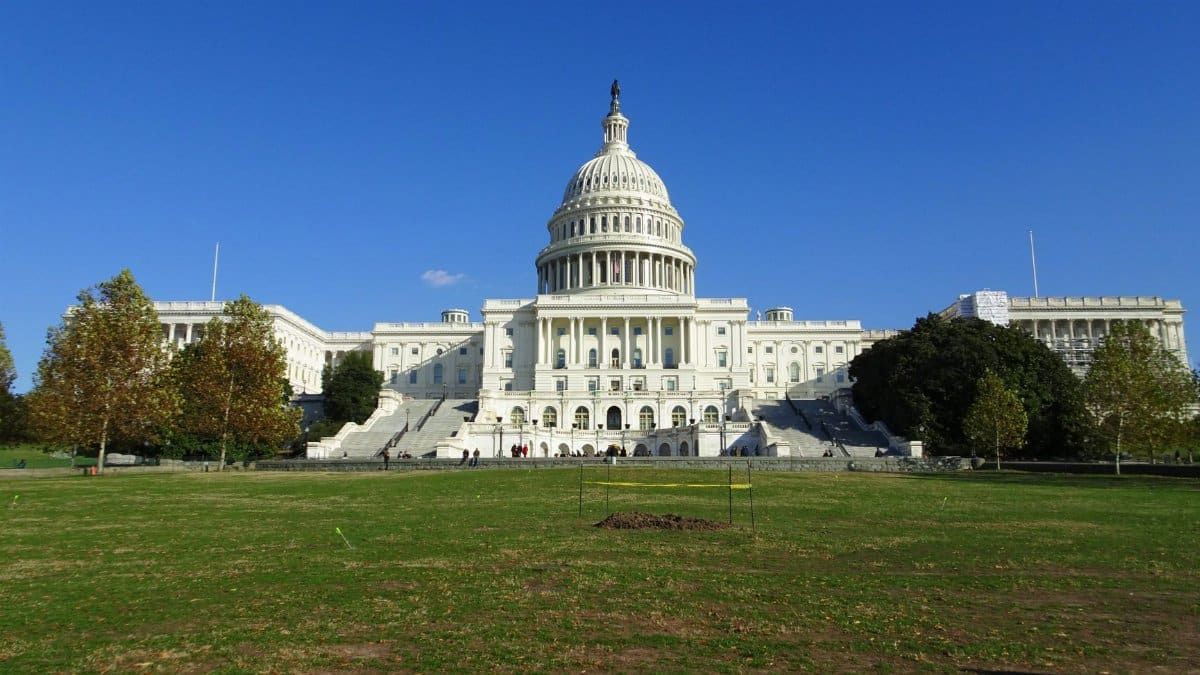
The meta politics are plain. Heinrich is a senior Democrat with energy jurisdiction, and his party is preparing for a period of greater control in Congress. Challenging the administration now is both oversight and positioning. If Democrats gain the gavels they expect, they can demand documents, slow leases, and write limits into appropriations. If they do not, the challenge still creates a record that states and courts can use.
Administrations of both parties have learned that public land decisions made in a rush tend to unwind. Lawsuits over inadequate review are a Western tradition. Heinrich is effectively inviting that tradition to begin early, before bulldozers, so that the political cost lands on the policy rather than on a half built campus. Investors read that signal too. Capital dislikes a site whose permit can become a campaign slogan.
States that want the jobs anyway

Not every Western Democrat shares Heinrich’s emphasis. Governors facing budget gaps and anxious about losing projects to Texas or the Midwest have courted data center developers with tax incentives and expedited permits. Some of those projects sit on private land and never touch a federal lease. The public land push matters most where private parcels near transmission are gone, expensive, or politically stuck.
The split inside the region is therefore practical. A county that wants a project may resent a senator who slows it. A neighboring county that would host only the power line may resent the governor who cheered it. Heinrich’s stand forces that split into the open. It also forces a question the industry prefers to keep technical. Who is the customer for public land, the community or the balance sheet?
What oversight can actually do

Congress cannot design a cooling system from a hearing room. It can refuse to fund a land program, attach conditions to agency budgets, and require public comment that an administration would rather skip. It can ask for load forecasts that utilities have shared with commissions. It can insist that any federal site compete with private alternatives in the open, rather than appear as a favor to a short list of firms.
Those tools are slow, which is the point. Heinrich is not offering a substitute industrial policy in a single speech. He is trying to deny the administration a quiet path. In that sense the clash over data centers public land is a process fight dressed as a land fight. Process fights bore readers until the substation appears at the edge of town. Then they become the only politics that matter.
Industry promises and public patience

Companies in this sector have learned a new vocabulary of community benefits. They promise workforce programs, payments in lieu of taxes, and renewable contracts that sound cleaner than the grid that will actually serve them. Some of those promises are real. Some are marketing that outruns procurement. Public patience is thin because earlier waves of development, from mines to server farms in other regions, left towns with noise and rate pressure after the construction crews left.
A fair reading gives the industry credit for technology that uses less water per unit of computing than a decade ago, and withholds credit for any claim that the total burden will shrink. Total demand is rising faster than efficiency. That arithmetic does not depend on which party holds the White House. It does depend on whether federal land becomes an escape hatch from local bargaining.
A Western argument with a national bill

Voters outside the West may treat this as a regional zoning quarrel. It is not. The electricity and the water are regional. The computing services are national, and the firms are global. If federal land policy tilts toward a handful of campuses, the costs concentrate and the benefits diffuse. That is a familiar pattern in American development, and it is why senators from public land states punch above their population in these debates.
Heinrich is betting that voters can hold two ideas. The country needs more computing capacity. It does not need to hand over data centers public land as the easiest acreage in reach. The administration is betting that speed will be forgiven if the projects land and the lights stay on. Between those bets sits a stack of environmental reviews, utility filings, and county meetings that no slogan can skip.
What readers should watch next

The useful clues will be dull. Watch for agency requests that invite industry to nominate federal parcels. Watch for utility filings that name new load without naming a site. Watch for appropriations language that either funds or starves a siting initiative. Watch for tribal consultation calendars that are either real or ornamental. Those documents will tell you more than any rally.
I have covered enough Western land fights to know that the first map is never the last map. Parcels drop off when water rights fail or when a cultural survey comes back hot. What endures is the precedent. If this administration establishes that data centers public land belong together as national policy, the next administration will inherit the expectation even if it changes the rhetoric. Heinrich is fighting the precedent as much as any single lease. That is why a computing campus, of all things, has become a test of who still believes public land is public.