
On a humid evening in the South Bronx, a church basement filled with people who still call the island home even after decades on the mainland. Folding chairs scraped the floor. A pastor asked for patience. Then a phrase moved through the room that sounded less like a slogan than a dare: Puerto Rico Mamdani Hochul. For many in that room the names stood for a wager that New York politics, after a Democratic midterm sweep, might finally treat the island as kin rather than a distant crisis. I have sat in rooms like this before, and the hope always arrives before the fine print.
A church basement and a political wager
The gathering was not a rally in the classic sense. People came from food shifts and hospital floors, carrying stories about cousins still waiting on a transformer and grandparents who refuse to leave a house that has already survived more than one storm. In that company a city mayor and a state governor matter because New York is where so much of the diaspora actually lives. Allies describe the promise as increased support after Democrats strengthened their hand. Support can mean money. It can also mean attention that does not vanish when the cameras leave.
What the island still asks of the mainland
Puerto Rico does not need another season of sympathy. Residents and migrants can recite the list without notes: an electric system that fails in ordinary rain, water that cannot be trusted in too many taps, hospitals that plan around outages, schools that lose days no district on the mainland would accept as normal. Federal help aimed at water and power crises matters, and it should be said plainly. It does not settle who answers when the lights fail again. A serious pledge has to survive that test. A press release is not a grid.
Why these two names travel together

After the midterms, the phrase Puerto Rico Mamdani Hochul began to circulate in group chats and union halls as shorthand for a Democratic theory of obligation. Mayor Zohran Mamdani comes from a left tradition that treats housing, wages, and public goods as moral questions, not only as budget lines. Gov. Kathy Hochul works a different lane, more managerial, more alert to what Albany can pass. The island does not need two copies of the same speech. It needs a mayor who can move a city with a huge Puerto Rican population and a governor who can move a state budget.
The New York relationship is older than this election
New York did not discover Puerto Rico in this cycle. Generations moved north for work, for medicine, for a school that stayed open. They built churches, bodegas, union locals, and political clubs. They also built a memory of being courted in October and forgotten in March. That memory is the real opposition in any talk of new pledges. When I listen to older organizers, they do not ask whether a politician can pronounce a neighborhood correctly. They ask who stayed after the last hurricane, who funded the legal clinic, who treated colonial status as a live injury rather than a civics footnote.
Power and water as the daily referendum

Electricity is politics in its least abstract form. A family cannot refrigerate medicine in a speech. A small business cannot keep milk cold on a promise. Water tells the same story through another pipe. Engineers will argue about privatization, about decades of deferred maintenance, about debt arrangements that left the public holding the risk. Those arguments are real. So is the simpler scene of a child doing homework by phone light. If these leaders mean a new day, their staffs will be judged by outage hours and boil notices, not by the warmth of a statement. Relatives will compare notes by text before any newspaper does.
Albany, City Hall, and the limits of a pledge
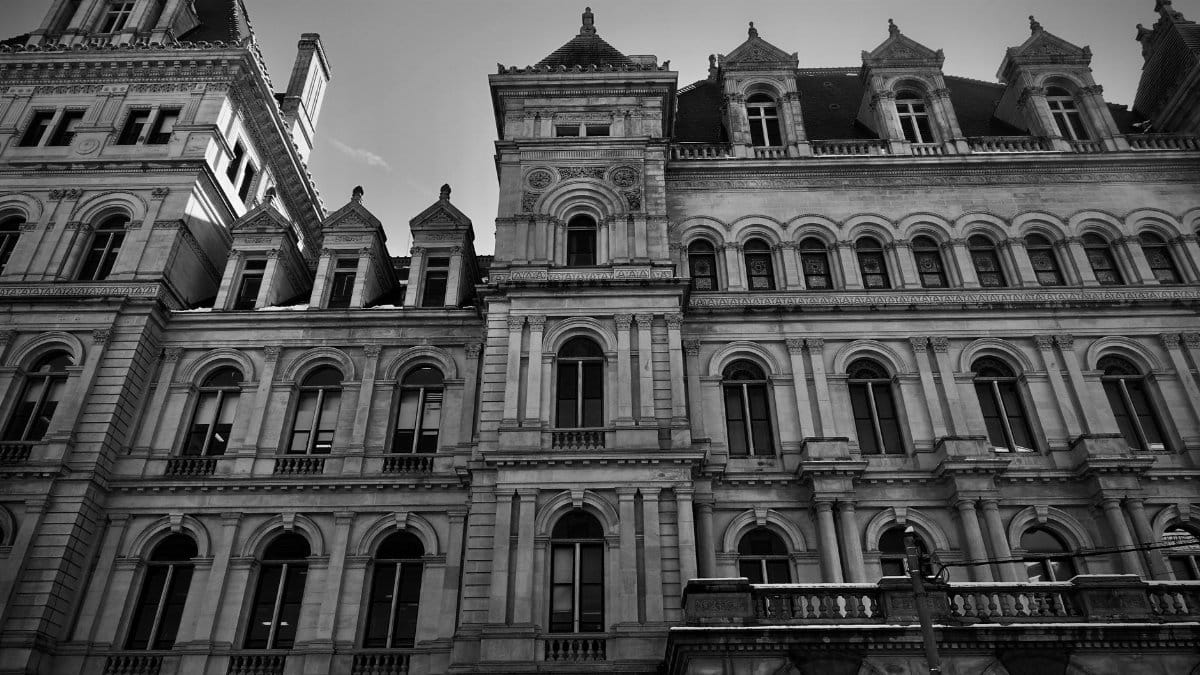
A mayor does not control federal disaster law. A governor does not appoint every board that has loomed over island finances. Honesty about those limits is not cynicism. It is the start of a credible plan. Hochul can press state agencies that already touch health networks, migrant services, and university partnerships. She can use her voice with congressional Democrats who returned stronger. Mamdani can direct city agencies toward language access, housing help, and emergency coordination for families split between the boroughs and the island. Neither can rebuild a utility alone. Saying so early would separate this pledge from the ones people have already memorized and discarded.
Faith, vigil, and a moral language
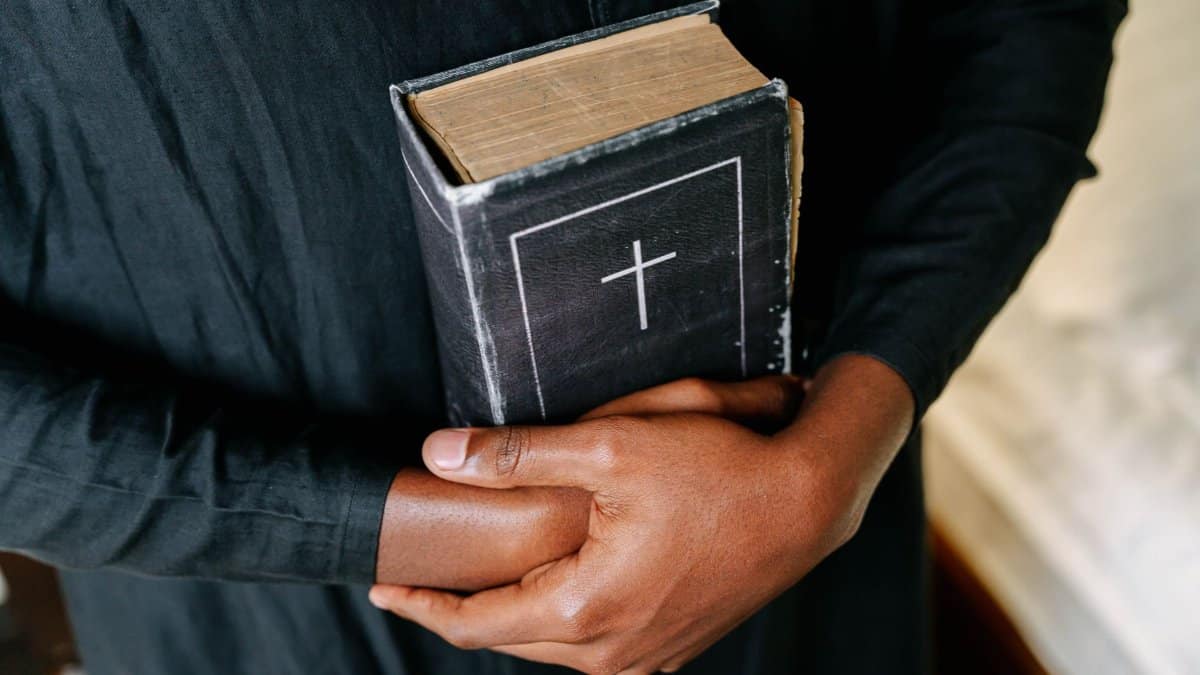
Congregations already know how to tell this story. In Pentecostal storefronts and Catholic parishes, the island is not an abstract territory. It is the place named in prayers for the sick and in collections taken after every storm. Pastors rarely speak in the grammar of subcommittee markups. They speak about neighbor love and about whether a wealthy nation keeps faith with citizens who are still made to feel provisional. That spiritual current does not dictate a preference on political status. It does insist that indifference is a moral failure. Leaders who borrow the language of a new day should expect questions about sacrifice, not only about announcements.
Status, dignity, and the argument Democrats postpone
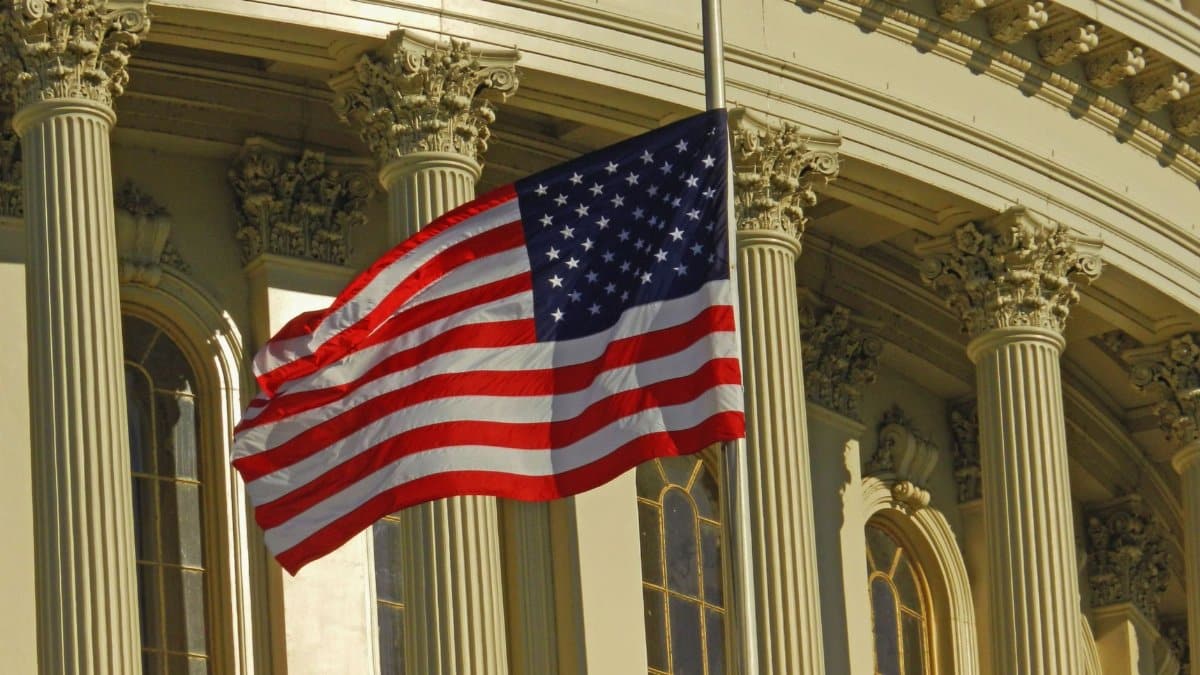
Support can become a way to avoid the status question. Statehood, independence, and the present commonwealth arrangement each have sincere defenders, including inside New York. Disagreement here is not a misunderstanding. It is a conflict about sovereignty, taxes, culture, and history. While that conflict continues, leaders can refuse the habit of treating the island as a laboratory for austerity. They can also refuse the habit of speaking about Puerto Ricans in New York as a turnout machine and about Puerto Ricans on the island as a photo opportunity. Dignity is not a substitute for a status resolution. It is the minimum while that resolution remains unfinished.
The midterm map and the diaspora vote

Democrats did not win the midterms because of one community, and they should not talk as if they did. Still, Puerto Rican voters in New York and beyond have learned both their leverage and their disappointments. A sweep creates room. It does not create trust. Organizers who knocked on doors in the cold will now watch whether the phrase Puerto Rico Mamdani Hochul shows up in budget documents or only on banners. The test will be boring on purpose: line items, timelines, staff who answer the phone in Spanish and in English, and a public accounting when a project slips. Boredom is a gift if it replaces spectacle.
Skeptics who have earned the right
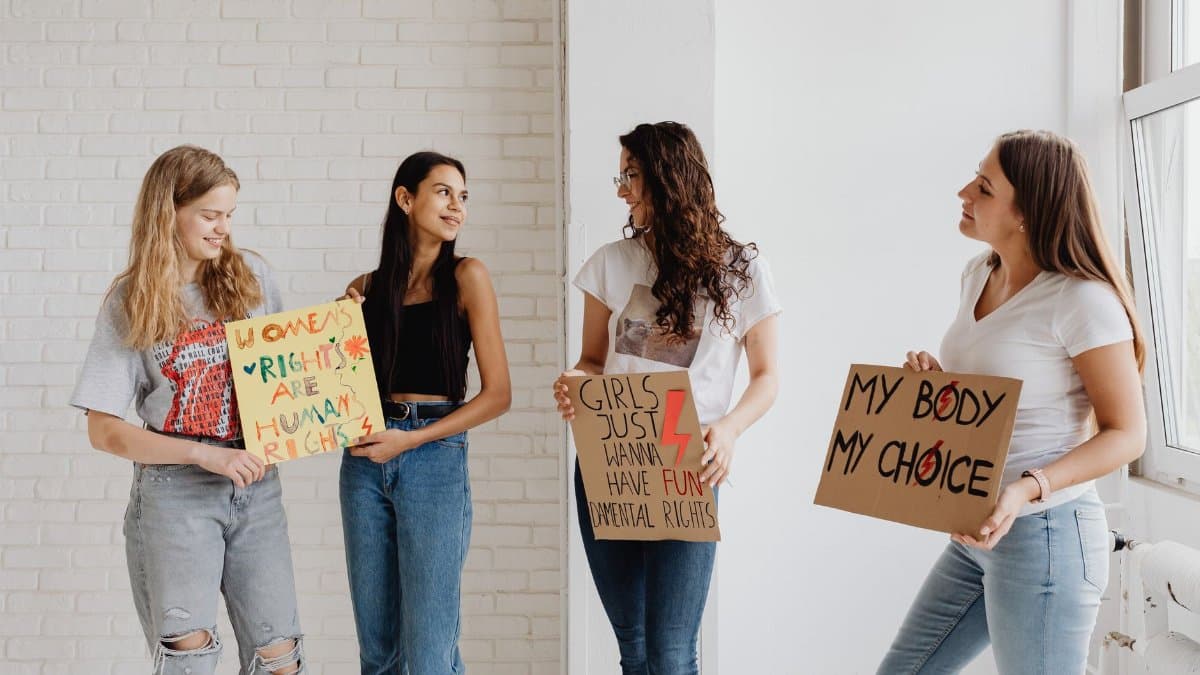
Skepticism is not sabotage. Island journalists, retired utility workers, and young activists have watched contracts enrich consultants while neighborhoods stayed dark. They will ask who profits from the next round of help. They will ask whether private operators are being rescued under a banner of compassion. They will ask why citizens lack a full federal vote in the system that governs so much of their fate. Movement allies are used to sharp demands. Institutional allies are used to caution. The useful friction is a public one. If either camp treats questions as disloyalty, the new day will look like the old one with better lighting at the podium.
What a new day would actually look like

A new day would be modest enough to recognize. Fewer days without power. Faster repair crews. Clear water. Clinics that do not improvise. Students who do not lose a month to weather the mainland would call a bad week. It would include New York hospitals, unions, and universities lending skill without extracting a rescue story. It would include Hochul rejecting projects that photograph well and function poorly. It would include Mamdani telling supporters when a demand exceeds city authority. In that sense Puerto Rico Mamdani Hochul is less a slogan than a scorecard readable in Ponce and in East Harlem without a translator for political spin.
The morning after the applause

Applause is cheap, and the midterms already spent a great deal of it. The harder morning is the one in which staff open their mail and find competing claims on the same dollar. Climate risk will not pause for a transition. Debt politics will not become gentle because an election felt cleansing. I do not think hope is foolish. I do think it has to be adult. The people in that Bronx basement were not asking for a miracle. They were asking for a government that stays. If Puerto Rico Mamdani Hochul is to mean anything beyond a headline, two New York leaders will have to accept a standard their constituents can check, and they will have to keep talking after the room goes quiet.