
The weekend was supposed to be still. Aides had sketched a lighter Sunday, the kind of pause a campaign calendar rarely allows once October tightens. Then the phones kept ringing from states where ballots were already in motion, and the plan changed in public. Trump midterm rallies returned to the schedule for Kansas and Iowa, two stops meant to lift Senate hopefuls who cannot afford a quiet weekend while early voting climbs.
A calendar rewritten after the cancellations
Campaigns live on paper until they do not. According to reporting that first surfaced through The Associated Press and was carried by the Star Tribune, President Trump had been set to skip the weekend travel before aides reversed course and put the Sunday rallies back in place. The shift was not a minor tweak. It told donors, volunteers, and local television producers that the White House still sees these races as worth a presidential day.
Rescheduling is its own message. Voters hear the speeches. Operatives hear the priority list. When a trip is canceled and then restored, the restoration is the headline, and the headline is turnout. In a midterm year the president is not on the ballot, yet his time remains the scarcest resource his party can deploy.
Why Kansas and Iowa still pull a Sunday
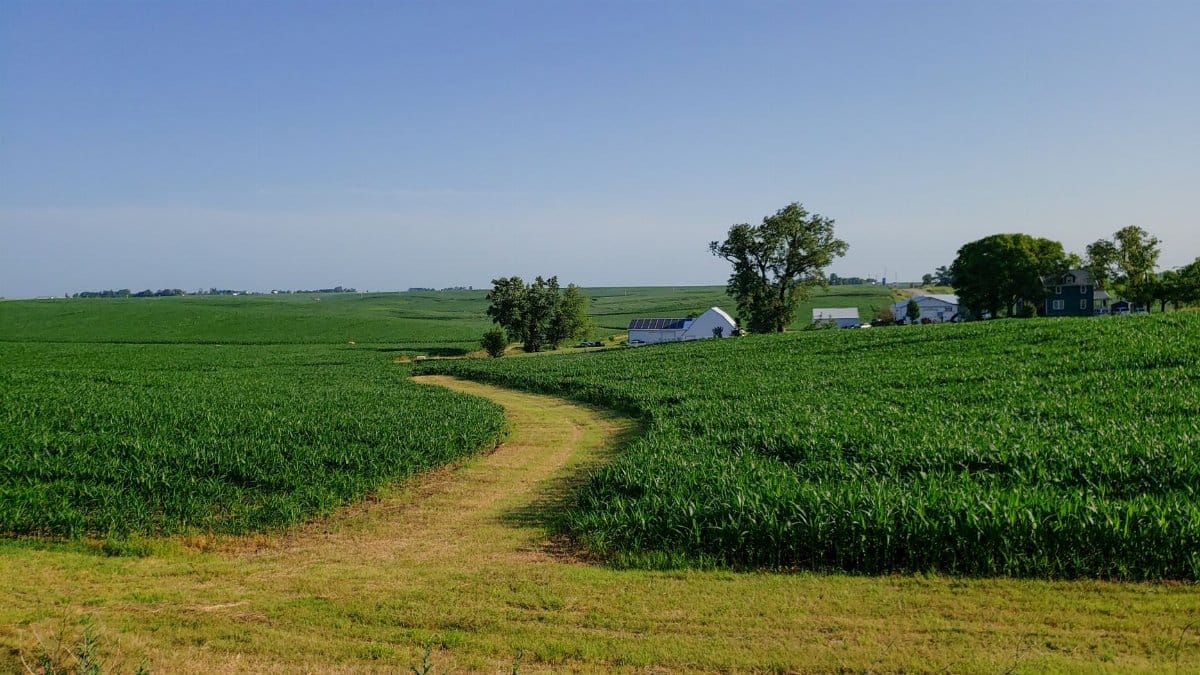
Neither state is a coastal media market, which is precisely why a Sunday there can matter. Senate contests in the middle of the country often turn on a few counties, a farm radio audience, and whether infrequent voters decide the race is about them. A rally does not rewrite a poll. It can fill a hall, feed local news for forty eight hours, and give a candidate a clip to run until Election Day.
Kansas and Iowa also sit inside a Republican map the party believes it can hold if enthusiasm does not sag. The president’s advisers have treated these weekends as insurance. If early ballots favor the other side in urban precincts, a loud rural and suburban push is the counterweight they know how to stage. That is the logic, even when the data is noisier than the choreography.
Early voting and a clock that no longer waits
Early voting has changed what a rally is for. A generation ago, the last weekend was the last weekend. Now a large share of the electorate has already chosen, or is choosing, while candidates are still introducing themselves on television. The surge in early ballots does not make late events pointless. It makes them selective. They speak to people who have not yet voted, and to people who might still be persuaded to bring a neighbor.
State rules differ, and so do habits. Some voters treat the first day of early voting as a civic appointment. Others wait for a scandal, a debate, or a sense that their ballot might actually move a close race. Campaigns that once saved their best surrogate for the final Monday now spend that surrogate whenever the mail and the in person lines start to thicken. Sunday in Kansas and Iowa fits that newer clock.
What a rally can still accomplish
Strip away the lights and a rally is a distribution system. It gathers local activists who will knock doors the next morning. It creates pictures that travel farther than the hall. It lets a candidate stand beside the president and borrow his crowd without paying for the whole production. Critics call that dependence. Allies call it leverage.
There are limits, and honest strategists admit them. A speech rarely converts a voter who has already mailed a ballot. It can even harden opposition in places where the president’s image is a mobilizing force for the other party. The calculation in these Senate races is narrower: not a national persuasion tour, but a bet that the people still holding unmarked ballots lean toward the GOP if someone asks them, loudly, to show up.
Alaska and an investigation that will not stay local
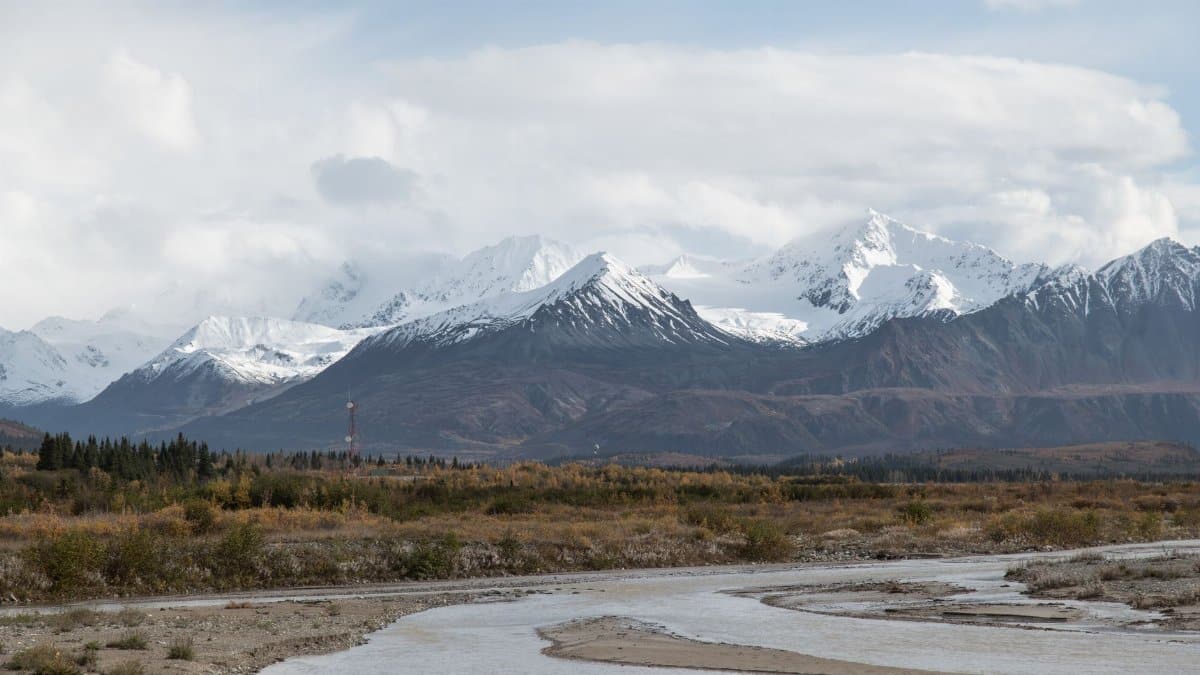
While the travel plans shifted in the Midwest, an investigation in Alaska continued to widen, pulling attention toward a race and a political culture that national coverage often treats as distant. Widening probes have a way of becoming national stories whether the facts are settled or not. They consume candidate time. They invite opposing ads. They give reporters a second narrative to place beside the rally footage.
For the White House, the tension is familiar. A Sunday speech wants a single theme: turnout, stakes, a Senate majority. An expanding inquiry wants documents, timelines, and caution from lawyers. Campaigns rarely get to choose which story leads the evening news. They only choose whether the president still boards the plane. This weekend, the answer was yes, even as Alaska remained an open thread rather than a closed one.
Readers should be careful here. An investigation is not a verdict. It is a process, and process moves slower than a news cycle. What matters for the midterms is the attention tax. Every hour a candidate spends answering questions about a probe is an hour not spent on prices, wages, or the condition of local roads. Rallies cannot erase that tax. They can only compete with it.
Michigan Democrats and a fight inside the tent
The Republican calendar is not the only one under strain. In Michigan, Democrats are managing their own argument, the kind of intraparty fight that looks small until it affects coordination, fundraising, and which voters feel claimed by the ticket. A party that agrees on the opponent can still disagree on tone, on which suburb to chase, and on how hard to lean on national figures.
That friction matters because Michigan remains a proving ground for whether Democrats can hold a coalition that includes union households, Black voters in Detroit, and college educated suburbs that have drifted their way. Internal fights do not automatically doom a ticket. They do create clips, and clips travel. While Trump midterm rallies try to unify one side around a single voice, the other side is negotiating how many voices it can afford.
I have watched enough autumns to know that party quarrels in October are often described as fatal and then forgotten if the votes land. They are still real while they last. Volunteers notice. So do donors who want a clean story before they write the last check.
Senate math and the uses of presidential time
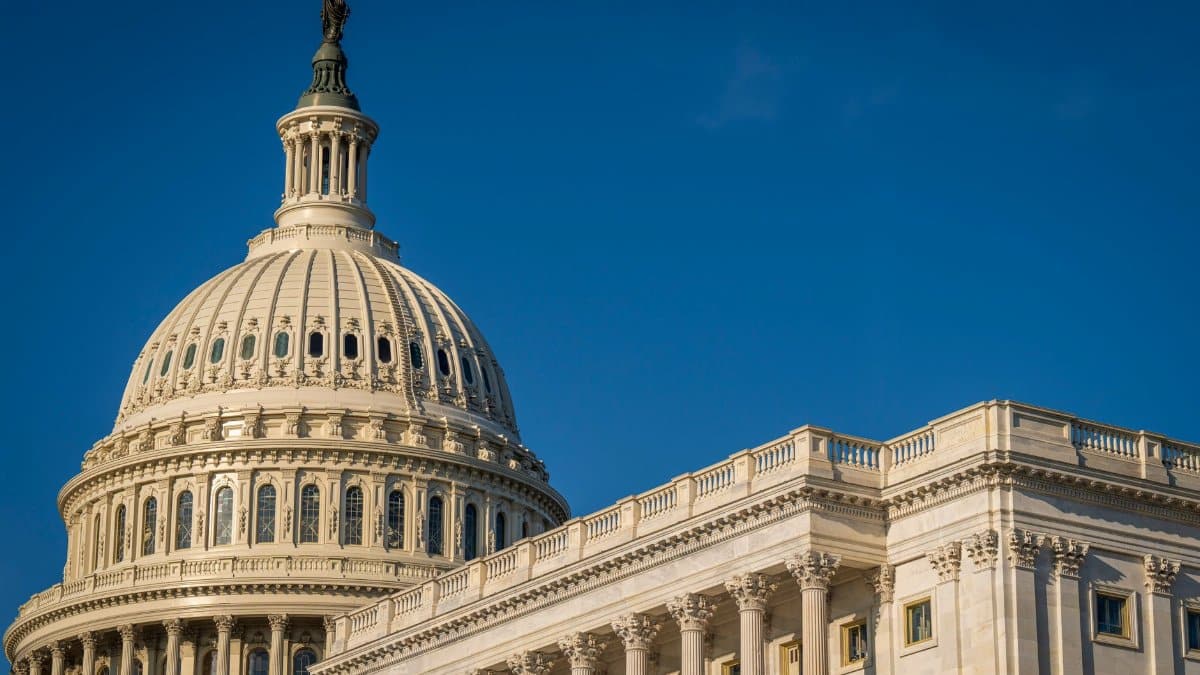
Control of the Senate is a numbers game dressed up as a morality play. Each rally is a wager that one or two seats are movable and that presidential attention moves them more than a comparable buy of local advertising. Sometimes that wager is right. Sometimes the candidate needed policy contrast more than a visiting headliner.
Advisers close to these decisions tend to describe the choice in blunt terms. Where is the margin thin. Where is the early vote lagging the model. Where will local media still cover a Sunday arrival as news rather than as ritual. Kansas and Iowa cleared that bar this weekend. Other states, quietly, did not. The absences are part of the strategy too, even if they never make the chyron.
Voters who have already made up their minds

There is a temptation, in rally season, to treat the electorate as a crowd waiting to be ignited. Much of it is not waiting. Many people decided months ago, on inflation, on abortion, on immigration, on a personal dislike that no speech will sand down. Early voting makes that stubbornness visible. The ballots stack up while the arguments are still being refined.
The remaining audience is smaller and more valuable. It includes people who like the rally as entertainment and still might skip the booth. It includes skeptics who want a reason that sounds like their county, not like a national monologue. Candidates who understand that difference use the president as a spark and then return, on Monday, to the unglamorous work of rides to the polls and calls that do not trend.
How the press will frame the weekend

Coverage of Trump midterm rallies almost always splits. One frame is logistics and muscle: the schedule, the crowd estimates, the Senate targets. Another frame is character and risk: what was said, who was attacked, whether a line will live longer than the race it was meant to serve. A third frame, quieter, is about institutions. Does the travel respect the boundary between governing and campaigning. Do public resources and political theater stay distinguishable.
Readers in the middle of the country often care less about that third argument than coastal columns assume. They ask whether the visit helped their candidate, whether the traffic was worth it, and whether anyone on stage mentioned the price of groceries without using it as a mere entrance line. A good news story holds all three frames without pretending they weigh the same in every household.
The Alaska thread and the Midwest stage

Holding two stories at once is the job of this news cycle. On one side, a widening Alaska probe that may reshape a contest far from the Sunday flight path. On the other, a restored rally schedule aimed at Senate turnout in Kansas and Iowa. They are connected only by the fact that voters will see them in the same week, sometimes in the same broadcast.
That coincidence can distort. A probe is not a rally, and a rally is not an answer to a probe. Campaigns will try to staple them together anyway, because juxtaposition is cheaper than argument. The more useful habit is separation. Ask what is known in Alaska. Ask what is being asked of voters in the Midwest. Refuse the mashup until the facts earn it.
Democrats, Republicans, and the last usable days
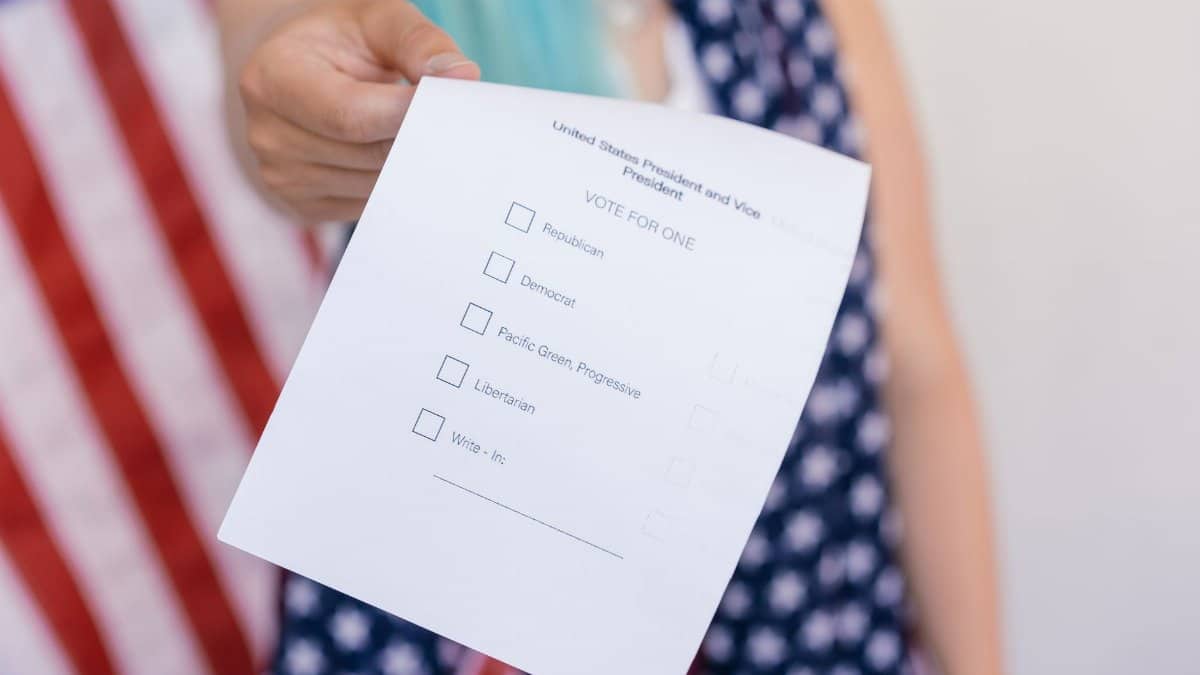
Both parties now face a shrinking set of usable days. Early ballots remove voters from the pool of the persuadable. Internal fights, like the one among Michigan Democrats, spend time that cannot be refunded. Investigations expand or stall on their own schedule. Into that clutter, the restored Sunday stops are a bet on simplicity: a room, a message, a reminder to vote.
Simplicity is not the same as honesty about difficulty. Senate races in this environment are close enough that weather, a local scandal, or a late advertisement can matter as much as a presidential visit. Trump midterm rallies are powerful instruments and imperfect ones. They concentrate attention. They do not distribute it evenly, and they cannot vote.
What to watch before the ballots close
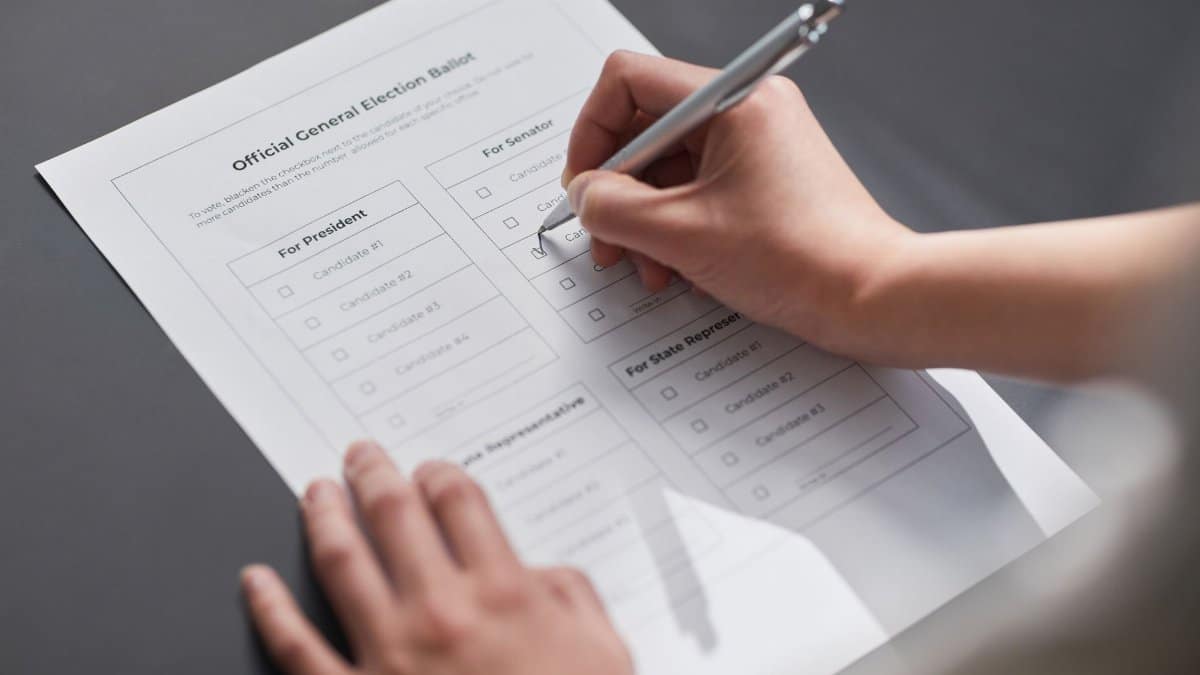
Watch the early vote totals that states actually publish, not the rumors that travel faster than the spreadsheets. Watch whether the Sunday speeches produce a second day of local coverage or vanish by Monday noon. Watch whether candidates in Kansas and Iowa talk about their states after the plane leaves, or only while the president is in the frame.
Watch Michigan for signs that Democratic disagreements are being managed in public or left to fester. Watch Alaska for whether the widening inquiry produces new facts or only new adjectives. And watch the crowd that does not attend any rally: the people filling out ballots at kitchen tables, who will decide these races without ever hearing the echo in the hall.
The rescheduled weekend will be judged less by how full the rooms looked than by whether the Senate map moved. In a year of early voting, that judgment arrives in pieces, county by county, long before the last speech is clipped and shared. Trump midterm rallies can set a tone. They cannot, by themselves, set the result.