

On a gray morning near the Mall, lawyers stepped around tourists who had come for marble, flags, and a photograph they could send home. Inside a quieter room, the dispute was narrower and more stubborn. Who may redraw a historic public golf course, and who may raise a 250 foot arch where avenues already carry a national story. As midterms near, the fights gathered under the label Trump DC projects courts have left the realm of renderings and rally lines. Judges are asking plainer questions than campaigns prefer, about authority, review, and what the public was told before the ground was promised.
Two projects, one political season

The pairing is odd only if you think of cities as scenery. A golf course and a monumental arch do different work. One is recreation on federal land that generations of Washington residents have treated as neighborhood ground. The other is a vertical claim on memory, meant to be read from a distance and argued about up close. Together they show how a president can try to edit the capital without passing a new statute that names every stone.
Administration allies describe both efforts as restoration and celebration. Critics describe them as personal imprint dressed up as public improvement. The hearings do not require a jury to pick a slogan. They require a record. That is why Trump DC projects courts has become more than a headline cluster. It is a test of whether design ambition can outrun the procedures Congress and prior presidents left in place for the federal city.
Grass, bunkers, and a historic course
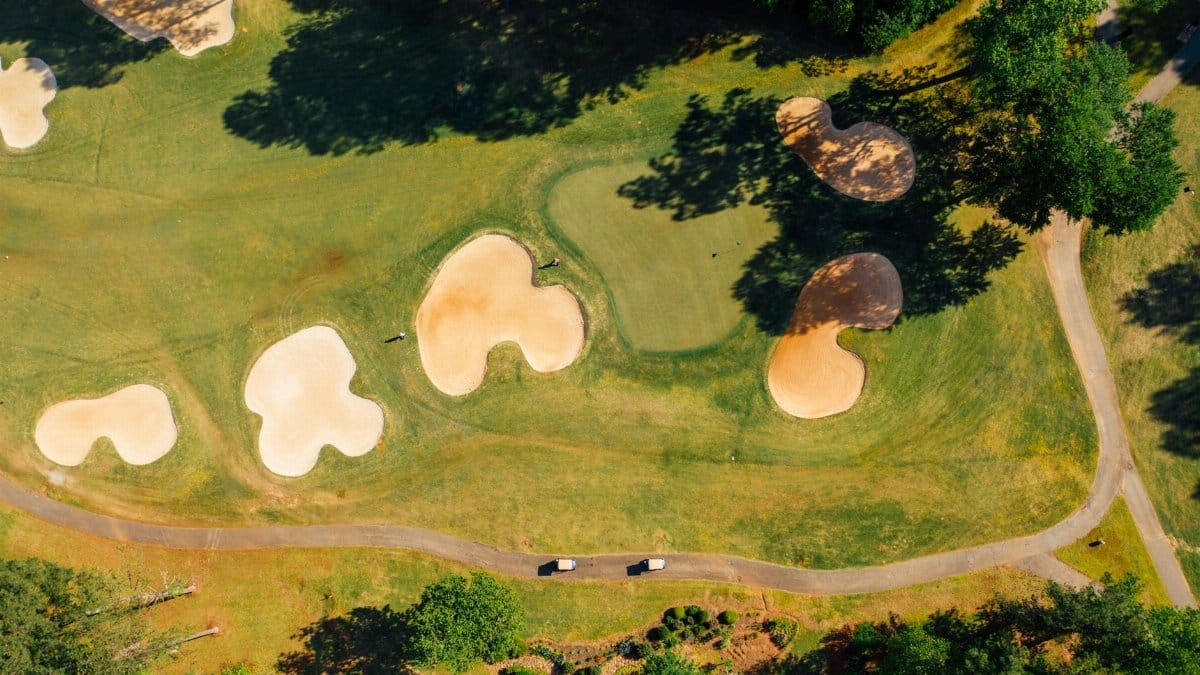
The golf course fight begins with a landscape that does not look like a monument until someone proposes to change it. Fairways, trees, and river edge sit inside a capital that already struggles to keep ordinary recreation within reach of people who live here year round. A reconfiguration can mean better drainage, new holes, or a layout that favors a different kind of player. It can also mean months of closure, lost habitat, and a shift in who feels welcome.
Historic status is not a mood. It is a set of findings about age, design, and public use. When lawyers argue that a course is historic, they are asking a court to treat grass as cultural property, not merely as turf that an executive may retune. Supporters of the plan answer that public land should not be frozen because a prior generation liked a particular routing. The useful question is narrower. What review was required, what alternatives were studied, and whether the agency explained itself in a way a judge can follow.
The arch and the view down the avenue
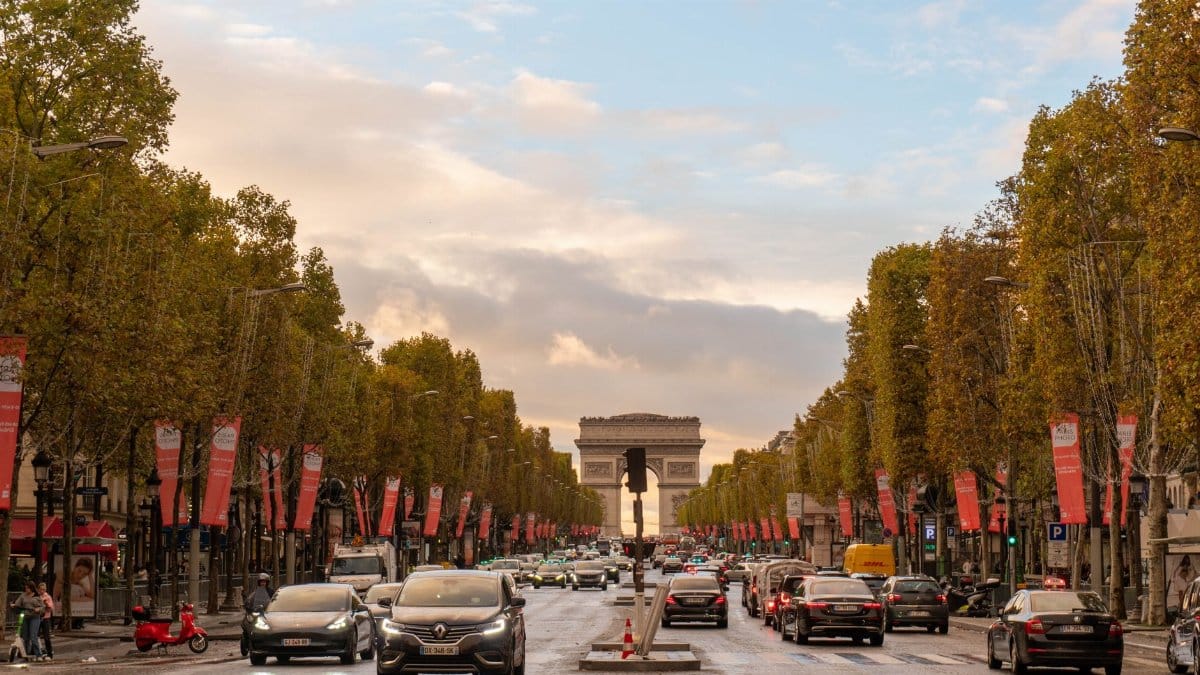
An arch is easier to picture and harder to hide. At 250 feet, it would not sit politely beside existing memorials. It would compete with them. Height is not a detail for architects alone. It decides whose story occupies the sky and whose procession down a ceremonial road ends at a new full stop.
Proponents speak of national anniversary and of a capital that should look unfinished only to people afraid of grandeur. Opponents speak of clutter, of security perimeters, and of a monument process that usually moves through commissions, competitions, and years of argument before a foundation is poured. A court will not grade taste. It can ask whether the site was chosen inside the rules that govern the Mall and its approaches, and whether environmental and historic review were treated as chores or as duties.
What a hearing can and cannot settle

People who do not spend their days in administrative law often expect a hearing to declare a project wise or foolish. Most of these dockets are built for a different job. Did the agency follow the statute. Did it consider the comments it was obliged to consider. Did it invent a power that Congress did not give. A win on procedure can pause a bulldozer without settling the civic argument. A loss can clear a legal path while leaving the political fight intact.
That gap explains the tension around Trump DC projects courts as election season compresses every timeline. A temporary order can matter more than a final opinion if the calendar is the real opponent. Contractors, donors, and opponents all understand that a project which is half built by November occupies a different argument than a project that still lives on paper.
Federal power on local ground

Washington is not a state, and that fact sits under every shovel. Residents elect a mayor and a council, then watch federal landlords decide large pieces of the map. Golf under federal care and memorials on federal ground are not neighborhood zoning cases in the ordinary sense. They are national decisions with local noise, traffic, and loss of open space attached.
City officials have learned to fight in two languages at once. One is legal, aimed at commissions and courts. The other is civic, aimed at people who use the course on weekends or who walk the avenues after work. The administration speaks a third language, the language of a president who treats the capital as a stage he is entitled to dress. None of those languages cancels the others. A judge may credit only the one that matches the statute in front of the bench.
Preservation rules written for slower arguments

The modern preservation system was built to slow surprise. Surveys, consultations, and public comment are tedious on purpose. They assume that beauty and harm are not obvious on the day a sketch is released. They also assume good faith from agencies that may, in a hurried political season, treat delay as sabotage.
Critics of the process are not always wrong that review can become ritual. Pages accumulate. Consultants prosper. A needed repair waits. The answer is not to pretend the ritual is empty when the proposal is a monumental arch or a historic course. The answer is to read whether the agency actually weighed alternatives, including the alternative of doing less. Courts are clumsy art critics and decent auditors. In these cases the audit is the point.
Midterms and the temptation of monuments
Election years tempt leaders to make the landscape vote. A golf course can be sold as care for ordinary play or as a private aesthetic imposed on public land. An arch can be sold as gratitude or as a signature. Voters far from the District will see photographs. Voters inside the District will see fencing.
Journalists should resist the idea that every lawsuit is a campaign commercial. Some plaintiffs have spent years on preservation dockets that have nothing to do with one president. Some defenders of executive energy would make the same arguments for a project they disliked less. Still, timing is a fact. When hearings on Trump DC projects courts land as midterms approach, the audience is larger than the courtroom, and every filing is read for motive as well as merit.
How residents read a changing skyline
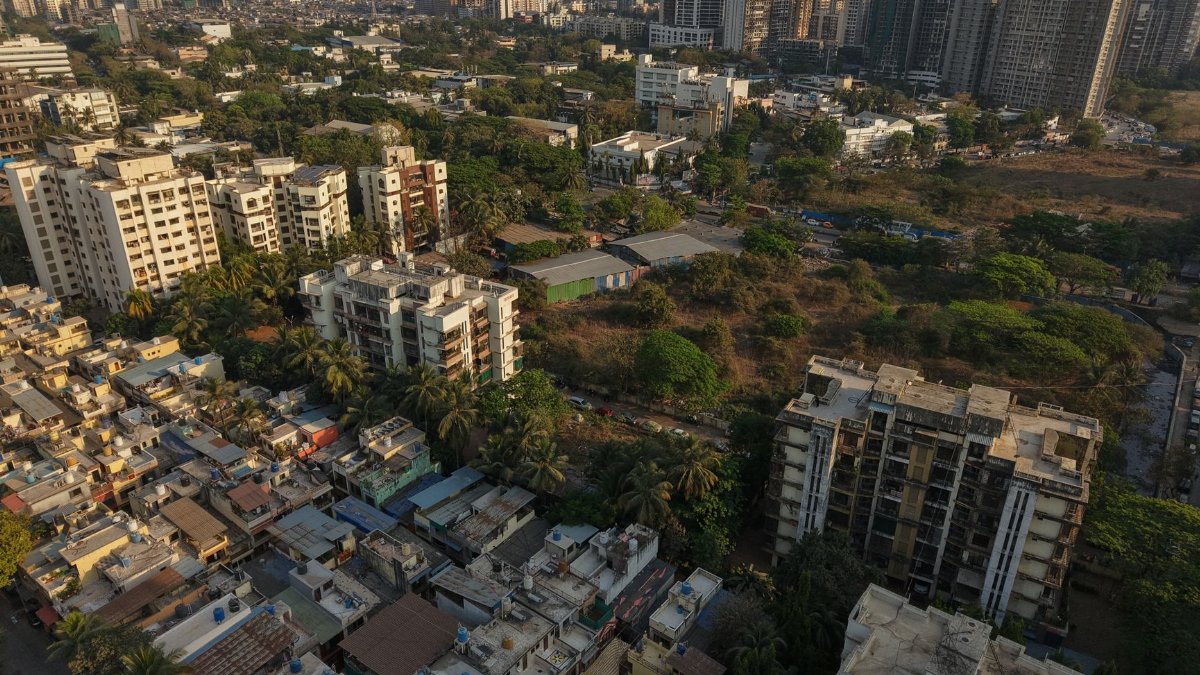
Ask people who live here what they notice first and the answers are practical. Parking lost to security. A familiar loop closed for construction. A view from a bridge altered by a new vertical shape. National symbolism arrives later, usually in someone else’s sentence.
That local reading is easy for national politics to dismiss as small. It is not small to a city with limited land and a long history of being planned for visitors. The moral claim of a capital is that it belongs to the country. The daily claim is that someone has to cross it to get to work. A serious public debate holds both claims without sneering at either.
Judges, timelines, and unfinished stone
Judges are not required to share a president’s hurry. They are also not required to indulge an opponent who wants delay for its own sake. The opinions that matter in this season will likely turn on records, not on speeches about greatness or vandalism. If an agency skipped a step, a court can send it back. If the step was taken and explained, a court may refuse to become a second planning commission.
Unfinished stone has its own politics. A paused arch is a photograph of conflict. A reopened course with a new routing is a fact on the ground that later presidents may inherit rather than undo. Legal victory and civic acceptance are not the same prize. The hearings can award only the first.
What the country is really arguing about

Strip away the renderings and the argument is old. How much of the capital is a canvas for the president in office, and how much is a trust held for people who will never meet him. Public golf and public memory look different, yet both depend on the idea that federal land is not a private gallery.
Readers outside Washington can treat the details as distant. They should not treat the method as distant. When executives discover that monuments and recreation can be moved faster than statutes, other cities with federal installations will study the result. The label Trump DC projects courts will fade. The precedent about speed, review, and who speaks for a shared landscape will not.
A capital that governs by contest
There is a habit, flattering to no one, of describing Washington as broken whenever a plan meets a lawsuit. Contest is how this city was designed to govern. Commissions, courts, and local voices are not decorations on a presidential will. They are the friction that keeps a national landscape from becoming a single term’s autograph.
None of that requires a person to hate an arch or to love every bunker on a historic course. It requires attention to sequence. Announce, review, hear objections, decide, and accept that a judge may disagree. As midterms near, the two projects will keep producing pictures. The more durable story is whether the pictures were earned inside the law, or merely hurried toward a camera.