

On a weeknight in a North Texas council chamber, the printed agenda looked routine until a resident asked whether an official should be forced back onto the ballot. The complaint was not a criminal filing. It was a zoning vote, a budget choice, a tone neighbors found intolerable. That is why recall elections Texas now sounds less like a civic safety valve and more like a sequel to a lost argument. Anger at city hall is not new. What feels newer is the ease with which removal is treated as ordinary politics rather than a rare answer to proven misconduct.
What the tool was built to do

Recall began as a Progressive Era answer to corruption, not as a shortcut around the next election. The idea was simple. If an officeholder stole public money, hid a conflict, or abandoned the job, voters should not have to wait years for a remedy. Ethics, not ideology, was the threshold. Local charters in many states still echo that standard, even when the wording has grown vague enough to invite creative readings.
Texas does not offer a statewide recall of the governor or legislators. The live fights happen in home rule cities, where charters written decades ago let residents petition to unseat mayors and council members. Those clauses were meant to be heavy doors. Signature counts, deadlines, and sometimes a finding of cause were supposed to keep ordinary disagreement on the campaign trail. When the door swings for almost any grievance, the original purpose thins out.
Why local charters matter more than slogans

A charter is a city’s constitution. It decides who may be recalled, what counts as grounds, how many signatures are required, and whether a court or the city secretary gets the first look at a petition. Two neighboring towns can share a freeway and live under entirely different rules. One may demand a specific allegation of malfeasance. Another may allow a recall for almost any stated reason, so long as the paperwork is complete.
That legal patchwork explains why recall elections Texas cannot be summarized as a single statewide trend with a single moral. Dallas, a large city with a dense political class, does not experience a petition the way a smaller suburb does. In a town of a few tens of thousands, a few hundred organized residents can dominate the signature drive and the special election that follows. Scale changes the weapon, even when the statute looks familiar.
Dallas, McKinney, and Granbury in the same conversation
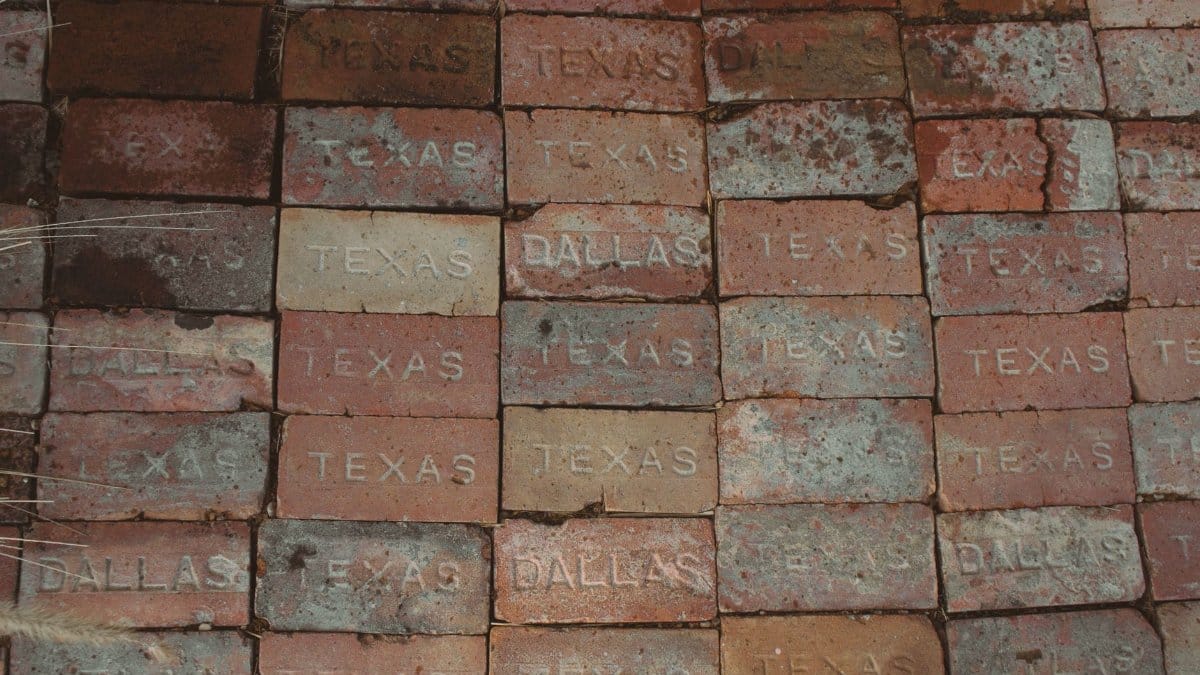
Recent North Texas disputes have pulled cities of very different size into one argument. In larger places, recall talk often grows out of development fights, police oversight, or a mayor’s public style. In suburbs and county seat towns, the spark may be a library policy, a bond, or a council member who voted against a vocal bloc. The Dallas Morning News commentary that gathered Dallas, McKinney, and Granbury into one frame was less about identical facts than about a shared instinct: if you cannot win the vote inside the chamber, try to shrink the chamber.
I do not pretend those cities are interchangeable. A petition in a major city must clear a higher raw number of names and a noisier media environment. A petition in a smaller city can feel personal, almost neighbor to neighbor. What they share is the risk that recall becomes a second legislature, convened whenever a faction loses. That is a structural problem, not a personality problem.
Disagreement is not the same as misconduct

Voters are entitled to hate a tax rate, a zoning map, or a social policy. They are entitled to organize, to recruit challengers, and to turn an incumbent out at the regular election. Recall is different because it interrupts a term that voters already granted. Used against proven ethics violations, that interruption protects the public. Used against a lawful vote that a minority despises, it tells every future council member that courage has a personal price.
The line is not always bright. An official can hide a conflict inside a development vote. A pattern of absences can become abandonment of duty. Those cases belong in the recall file. A single controversial ordinance, a sharp exchange at the dais, or a social media post that offends a party faction usually does not. When organizers blur that line on purpose, they are not purifying government. They are lowering the cost of punishment.
The quiet price paid by city government

Special elections are expensive. Cities pay for ballots, polling places, legal review, and staff time that would otherwise go to permits, parks, and public safety. Petition fights also consume the calendar. While lawyers argue over signatures, routine business slows. Developers, neighborhood groups, and city employees all wait to see who will still be in office next month.
There is a human cost that budgets do not capture. Capable residents watch a recall and decide never to run. The job already pays modestly in many Texas cities and invites public abuse. Add the chance of a midterm removal campaign, and the pool of candidates narrows toward people with factions, lawyers, or nothing to lose. That is a poor trade for a tool that was supposed to raise the ethical floor.
How organizers learned to treat removal as strategy

Political professionals understand incentives. If a charter allows a low bar, a motivated group will use it. Signature gathering can be framed as accountability even when the real aim is to reverse a vote or to wound a rival before the next regular election. Social media shortens the distance between outrage and a petition form. A clip of a heated meeting travels farther than the staff report that explained the vote.
None of this requires a conspiracy. It requires only a rule that rewards intensity over patience. Once one side succeeds, the other side copies the method. Recall elections Texas then stop looking like rare ethics cases and start looking like a tactic in a permanent campaign. The public hears the word accountability so often that it loses its edge, the way any word does when it is applied to every grievance.
Courts, clerks, and the fight over valid names
Much of the real battle never reaches a ballot. It happens in the city secretary’s office and, later, in a courtroom. Were the signatures properly collected? Did the petition state a ground the charter actually recognizes? Was the official given notice? These questions sound technical. They decide whether a political fight becomes a legal election or dies as paperwork.
Judges are often reluctant to invent a moral standard the charter does not contain. If the text allows recall for any reason, a court may say the remedy is to amend the charter, not to ask a judge to play philosopher. That honesty is useful. It puts the burden back on residents who claim they want recall reserved for serious misconduct. If they mean it, the charter should say so in plain language.
What a narrower standard could look like
Cities that want the tool without the weapon can write tighter rules. Grounds can be limited to crimes involving official duties, undisclosed conflicts, or a sustained failure to perform the job. Signature thresholds can be high enough to prove a citywide consensus, not just a loud precinct. Timing rules can bar recalls in the early months of a term and in the months just before a regular election, so the device cannot become a substitute calendar.
Some charters already move in this direction. Others leave grounds undefined and then act surprised when politics fills the blank. Amending a charter is slow, and that slowness is a feature. It forces a public argument about what removal is for, instead of letting each angry season invent a new answer. Residents who care about ethics should want that argument. A loose recall does not mainly threaten the corrupt. It threatens anyone willing to cast an unpopular but lawful vote.
Voters still have ordinary power
The alternative to a hair trigger recall is not silence. It is the machinery already on the books: regular elections, open records requests, ethics complaints where a real code applies, and the unglamorous work of recruiting better candidates. Those paths are slower. They are also harder to fake. A regular election asks the whole city to judge a record. A narrow petition drive asks a fraction of the city to punish a moment.
Local newsrooms, neighborhood associations, and civic groups can help by refusing to treat every petition as self justifying. Ask what the charter requires. Ask whether the allegation would matter if it came from the other faction. Ask what happens to the city if every close vote triggers a removal campaign. Those questions are not cynical. They are how a public keeps a sharp tool from going dull.
A standard worth keeping

Recall should remain available. Corruption and abandonment of office are real, and waiting four years can be too long. The argument here is about frequency and pretext, not about abolishing a democratic remedy. When recall elections Texas are aimed at proven ethics failures, they honor the Progressive bargain. When they are aimed at ordinary policy losses, they train officials to govern by fear and train voters to expect instant reversal.
I keep returning to that council chamber, not because one meeting decides the question, but because the tone is spreading. People arrive already convinced that disagreement is disqualification. Charters can resist that habit if residents insist on language that matches the original purpose. Until then, the weapon will keep looking convenient, and convenience is a poor guide for removing someone the city already chose.