
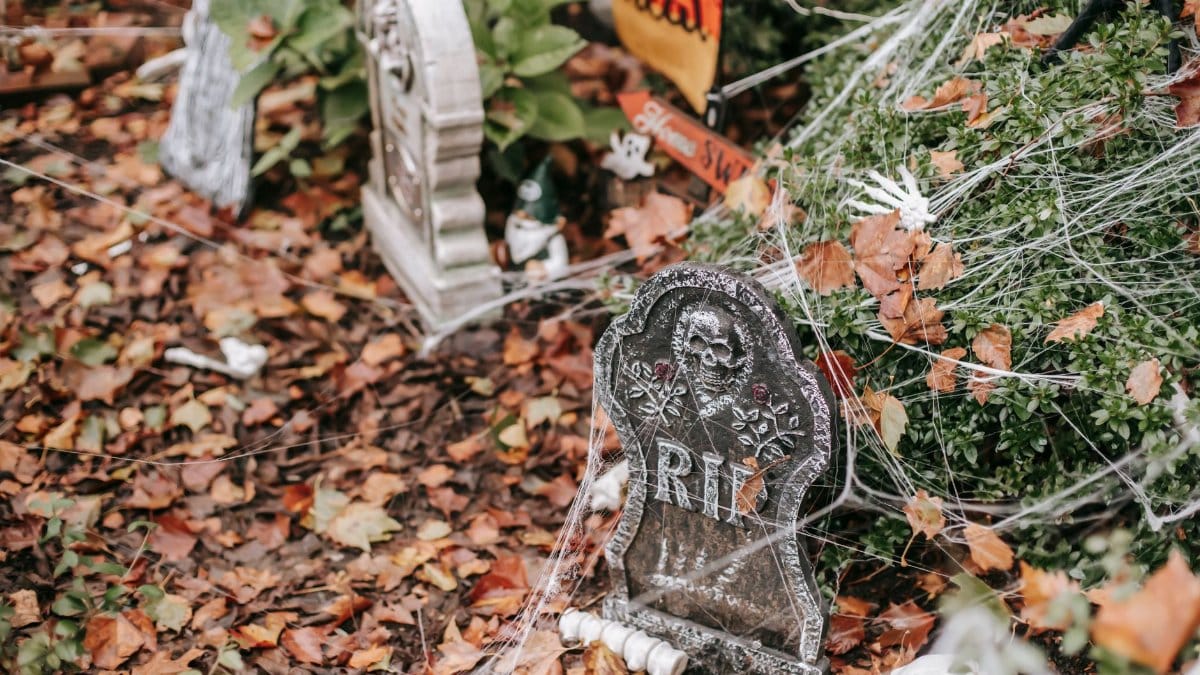
On a late October morning in Center City, the pavement stays pale and the gutters stay empty. Leaves skitter across the sidewalk, but they do not cling to wet stone. For families laying out costumes and for poll workers already stacking signs in church basements, that small fact carries more weight than any costume contest. Philly Halloween weather has become the quiet headline of the week: a long rainless stretch, the longest in two years, with dry air expected to hold from the holiday through Election Day. I passed a rowhouse porch where a plastic cauldron sat ready and the steps looked swept rather than scrubbed. The city is not celebrating a miracle. It is noticing an absence, and absences shape plans more firmly than most forecasts admit.
A city that reads the sky before the calendar
Philadelphia has always treated weather as a civic language. Residents talk about humidity the way other towns talk about traffic. A clear evening in late October is not merely pleasant. It decides whether a block party stays on the pavement or retreats to a living room, whether a parade route feels festive or miserable, and whether parents will let younger children walk farther than the corner store. This year the language is unusually simple. Day after day has arrived without rain. Lawns have gone dull at the edges. Storm drains sit idle. The stretch is long enough that people have started counting, not because they love statistics, but because memory keeps a private ledger of wet Halloweens.
That ledger is full. Older neighbors recall nights when capes dragged through puddles and cardboard masks collapsed. Younger parents remember strollers parked under awnings while candy was handed through a cracked door. Against that background, a dry run of days feels almost extravagant. It does not erase the ordinary irritations of city life. It simply removes one of them at the exact moment when the street is supposed to belong to children.
What the dry stretch actually changes on Halloween night
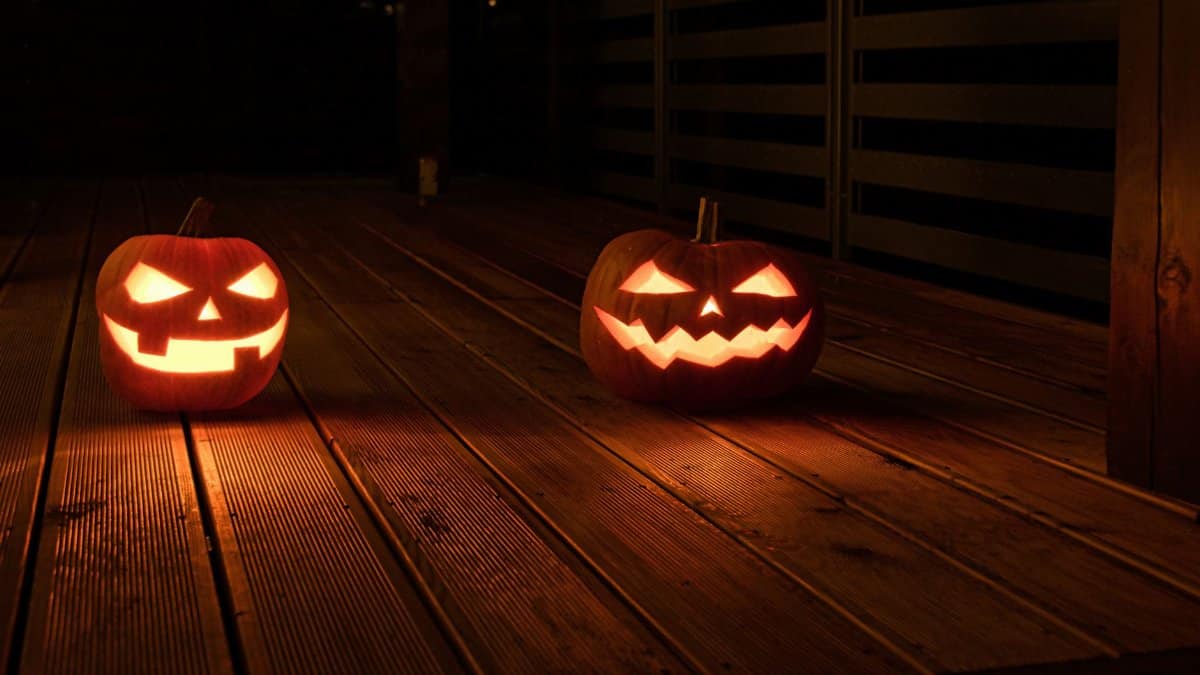
Rain does not cancel Halloween in Philadelphia. It edits it. A wet evening shortens routes, thins crowds, and pushes the party indoors after the first hour. A dry evening does the opposite. Porches stay open longer. Teenagers linger at corners. The sound of the night spreads, from one block to the next, instead of dying at the first heavy shower. Philly Halloween weather, in this particular week, points toward that longer version of the holiday.
The practical effects are easy to list and easy to underestimate. Face paint holds. Paper bags do not split from damp. Extension cords for porch lights stay safer when the ground is not slick. Homeowners who usually haul decorations inside at the first rumble can leave them out. None of this is dramatic. Together it changes the texture of a neighborhood evening. The holiday feels less like a negotiation with the sky and more like a plan that might actually survive contact with sunset.
Costumes, candy, and the small economy of a clear block
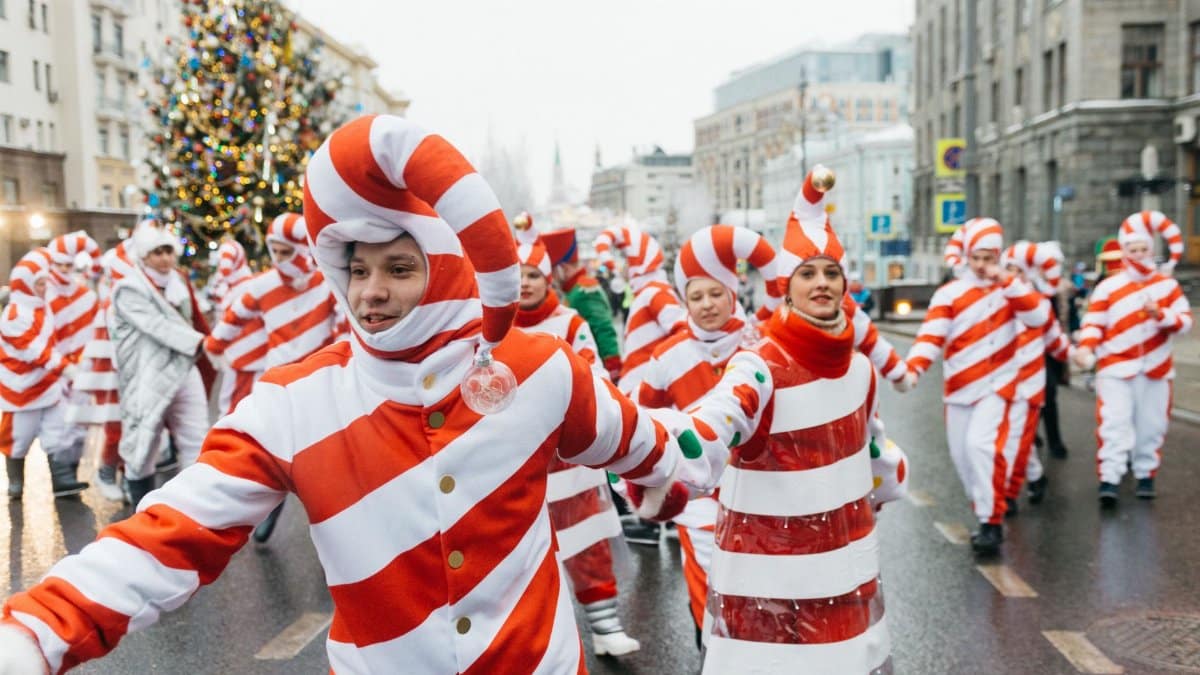
A dry forecast is also a retail forecast, though few people phrase it that way. Corner stores sell more last minute candy when families expect to stay out. Costume shops see fewer desperate poncho purchases and more interest in outfits that would wilt in a downpour. Bakeries that put orange icing on ordinary cupcakes do better when customers are willing to walk. These are modest transactions, but they accumulate along commercial corridors that depend on foot traffic more than on spectacle.
There is a domestic economy too. Parents who would have driven a loop of three blocks may walk instead. That choice saves a little gas and, more importantly, puts adults on the sidewalk where they can see who is out and who is not. In a city of rowhouses, visibility is a form of care. Clear air makes that care easier. You can hear a child two houses away. You can see a dark porch before you climb the steps. You are less likely to rush.
From candy bowls to polling places
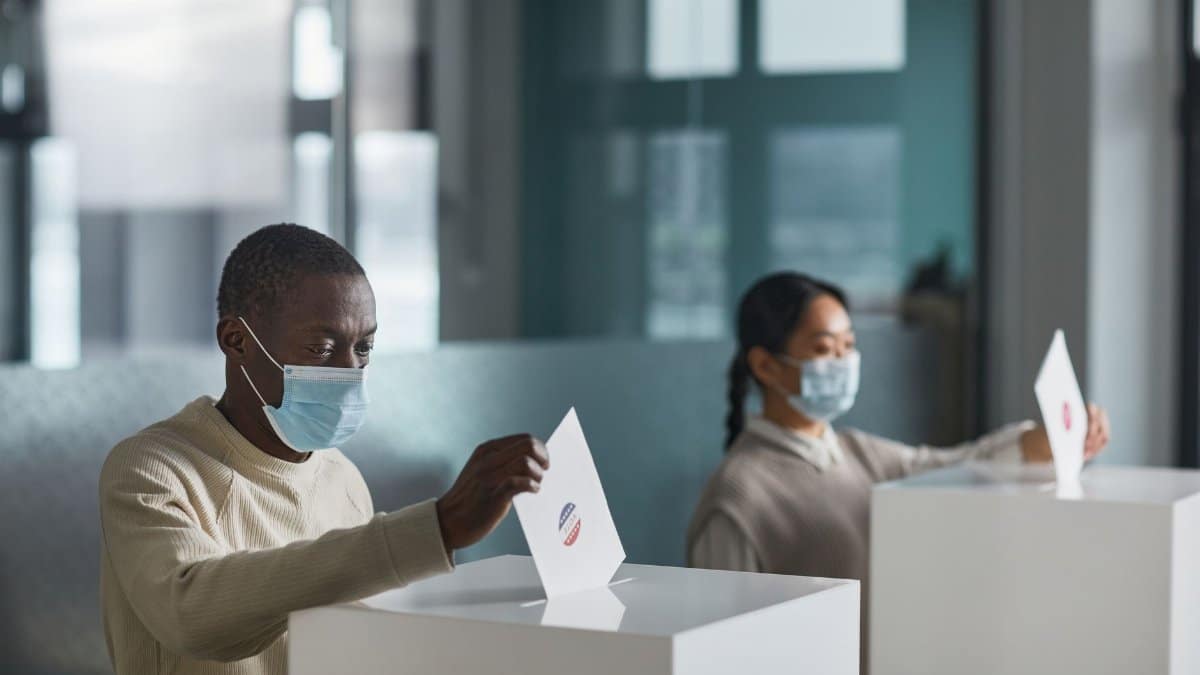
The same pattern is expected to reach past the holiday and into Election Day. That bridge matters more than a costume. Early November in Philadelphia is usually a season of coats, coffee, and lines that form before the doors open. Rain turns those lines into a test of patience. It soaks sample ballots, chills volunteers, and gives hesitant voters one more reason to postpone a trip that cannot be postponed forever. Dry pavement does not make democracy tidy. It removes a petty obstacle that has, in other years, felt larger than it should.
Campaign workers know this without needing a lecture. Signs stay readable. Clipboards do not warp. People standing outside a school or a library can talk to neighbors instead of huddling under a single umbrella. The weather will not decide a race. Pretending otherwise is a kind of superstition. Still, the conditions in which people perform a civic duty shape who lingers, who leaves early, and who feels welcome. A rainless week hands the city a cleaner stage for that duty.
Why this city notices rain more than most
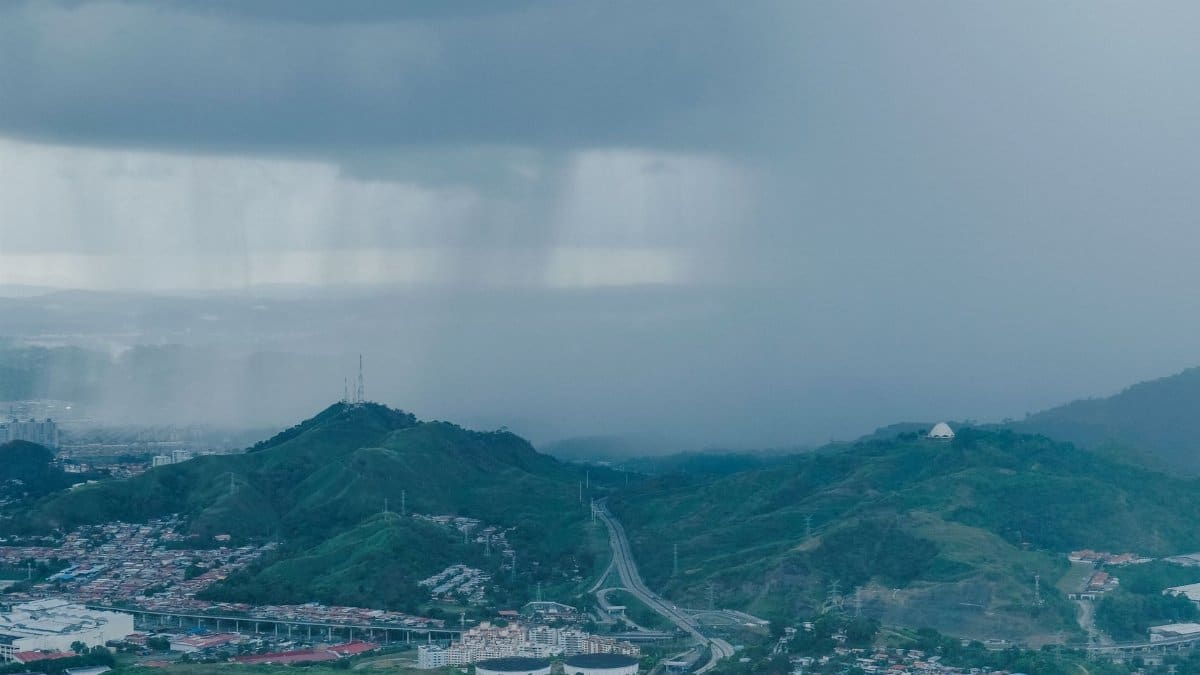
Philadelphia is dense, old, and full of surfaces that remember water. Brick holds damp. Alleys funnel runoff. Tree roots have already lifted slabs of sidewalk, so a puddle becomes a small lake at the curb cut. Transit riders wait in the open more often than visitors assume. When rain arrives, it does not fall on an abstract metro area. It falls on specific corners where the bus is late and the awning is torn.
That is why a long dry spell registers so clearly. People are not only enjoying sunshine. They are enjoying the absence of a familiar friction. Jackets stay lighter. Shoes last longer. The river trails look usable after work. Even the smell of the city changes when storms are not flushing streets into inlets. None of this requires romance. It requires attention, which Philadelphians tend to give the sky whether they mean to or not.
The limits of a friendly forecast
A pleasant outlook is not a promise carved in stone. Autumn in the mid Atlantic can still turn. A front can arrive faster than a morning update suggests. Wind can make a dry night feel colder than the number on a phone implies. Leaves on the trolley tracks, a Philadelphia specialty, do not need rain to cause delays. Clear weather solves one problem and leaves the rest of urban life intact.
Residents who plan around Philly Halloween weather should still pack a layer, still check a porch light, and still assume that a forecast is a range rather than a contract. The useful news is not that nothing can go wrong. The useful news is that rain, the most common spoiler of outdoor plans in this season, is not the spoiler currently on offer. That distinction is enough to justify optimism without justifying carelessness.
Neighborhoods that feel the difference first
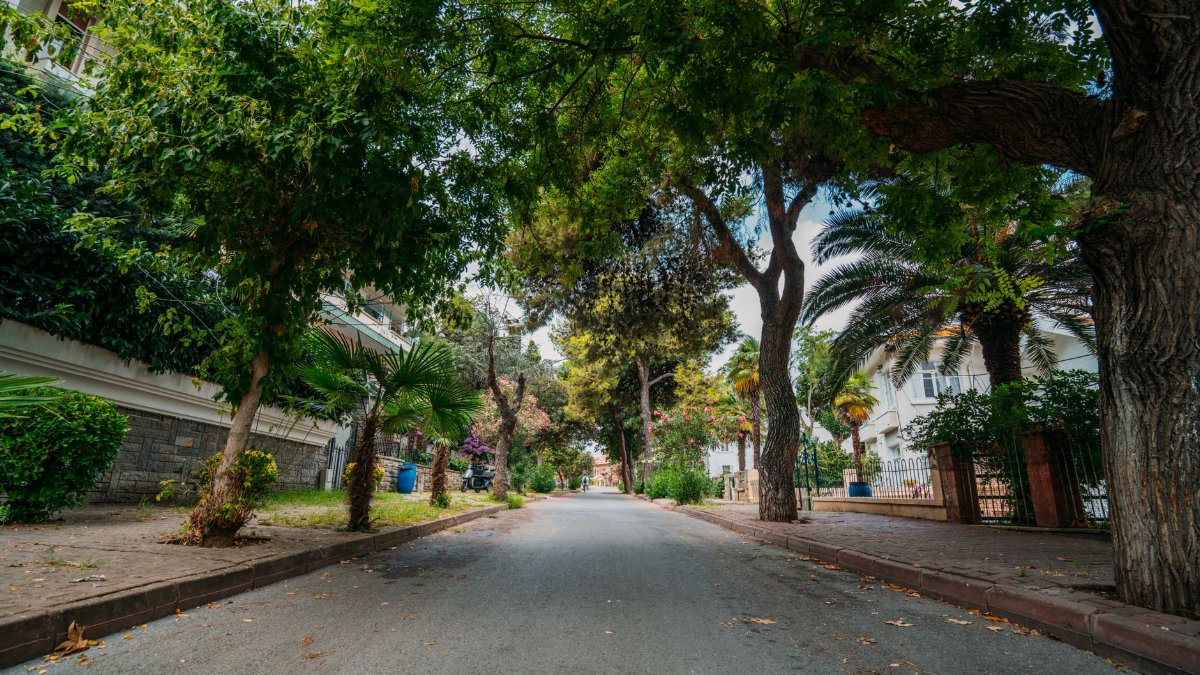
Not every block experiences a dry week the same way. In rowhouse corridors of South Philadelphia and Kensington, porches are the stage, and a dry stage fills quickly. In parts of the Northwest, longer walks between houses mean that wet weather truly shrinks the map, so a clear night restores distance as well as comfort. Center City sees more spectators than participants: office workers leaving late, tourists pausing, residents weaving through both. Along the rivers, runners and dog walkers claim the paths before families claim the streets.
Parks will likely draw the early crowd. A rainless afternoon invites the kind of loose gathering that Philadelphia does well, people arriving without a formal plan and staying because the light is good. Community groups that canceled outdoor tables in wetter years may keep them. Churches and mosques that host trunk gatherings in parking lots will find the asphalt less hostile. The holiday here has always been a patchwork. Dry air simply lets more patches show.
Parents, pedestrians, and the evening commute
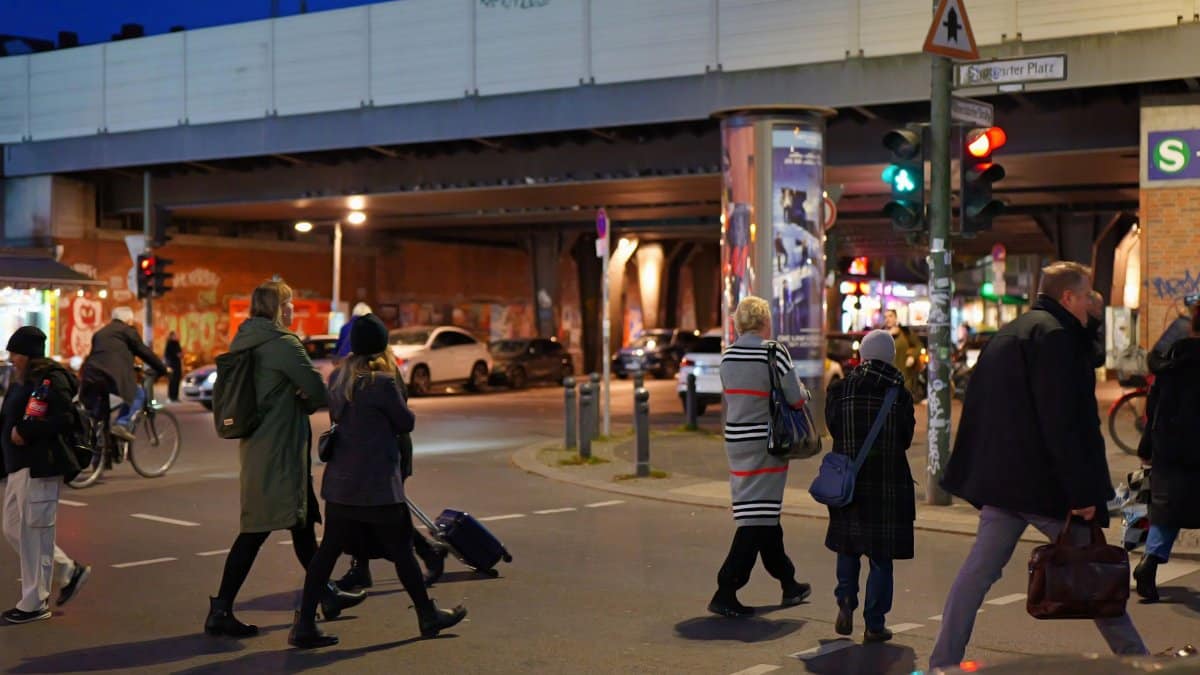
The overlap of dusk, commute, and costume traffic is the part of Halloween that forecasts rarely mention. Drivers leaving work meet children crossing mid block. Delivery bikes meet open doors. A wet road makes every one of those meetings sharper and more dangerous. Dry pavement does not grant immunity. It does improve stopping distance and visibility, which is the unglamorous heart of a safer night.
Parents planning routes might think in terms of light rather than distance. A clear evening still gets dark early. Reflective tape matters. So does the choice to skip the darkest cut through. The gift of this forecast is time: time to walk the block in advance, time to notice which houses are participating, time to decide that a shorter loop with more adults is better than a long loop chased by cold. Philly Halloween weather will not parent anyone. It will, for once, stop arguing with the parents who are trying.
A quieter kind of civic luck
There is a temptation to treat a long rainless stretch as a moral reward, as if the city earned a gentle week. That reading flatters us and misunderstands weather. Luck is unevenly distributed, and a dry sidewalk in Rittenhouse does not repair a leak in a school roof somewhere else. What the week offers is narrower and still real. Shared outdoor time. Fewer canceled plans. A holiday and an election that can proceed without the extra tax of rain.
People will use that luck in ordinary ways. They will sit on steps. They will hand out candy without a towel nearby. They will walk to a polling place in shoes that remain shoes. Some will call it a blessing. Others will call it a forecast that happened to cooperate. Both descriptions can live on the same block. The sky does not require a theology to be useful, and a useful sky is rare enough in late October that gratitude needs no costume.
How to use the days between now and the vote
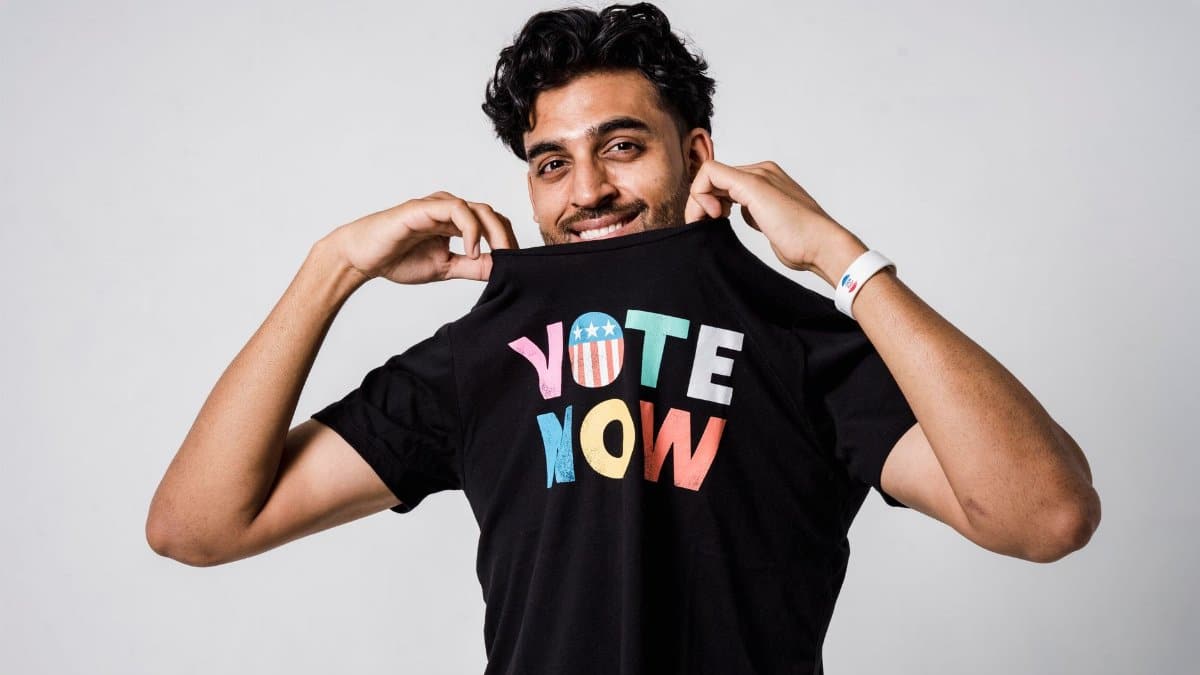
The stretch from Halloween through Election Day is short, which is part of its charm. It rewards simple preparation. Charge the lights. Set the candy where it will not melt near a radiator, since dry indoor heat can be as tough on chocolate as rain is on paper. Confirm where you vote. Tell a neighbor if you can offer a ride, not because the walk will be miserable, but because company still matters when the walk is easy. Easy is not the same as unimportant.
If the rainless run holds, Philadelphia will get something it does not always get: continuity. One clear night followed by more clear days, a holiday flowing into a civic appointment without a storm breaking the mood. Philly Halloween weather, repeated in conversation this week, is really a question about whether the city can count on the pavement. For the moment, the answer looks like yes. Hold the plan lightly. Enjoy the dry steps. Leave a light on. The rest of autumn will make its own case soon enough, and this city, as ever, will be listening.