
On a gray afternoon in Springfield, the kind of light that flattens the capitol dome into the sky, the governor’s schedule looked less like a launch than a continuation. Staff moved with the ease of people who have done this before. The signs were familiar. The applause was familiar. What was less familiar, at least in the politics of the last generation, was the ask itself: a Pritzker third term, sought not with a thick booklet of new promises but with a request that voters look backward and decide the work already done is reason enough to stay.
A campaign built on memory more than surprise
JB Pritzker has never been a politician who needed to invent a persona on the trail. Wealth, a famous family name, and two terms in the governor’s office already fill the frame. What is striking this time is how little he seems interested in filling it with fresh architecture. Advisers describe a race organized around continuity. The message, stripped of rally language, is simple. Illinois is more stable than it was when he arrived. The budget no longer lurches from crisis to crisis in the old way. Progressive priorities on wages, health coverage, and abortion access have been written into law. If you liked the direction, keep the driver.
That is a coherent argument. It is also a narrow one. Campaigns that rest on the record tend to assume the record is widely understood and widely liked. In a state as large and argumentative as Illinois, neither assumption is safe. Chicago and the collar counties do not share one story about crime, taxes, or schools. Downstate towns often hear Springfield as a distant accountant. A governor asking for more time has to translate a thick file of bills into a feeling that daily life improved. So far, the translation has been cautious.
Why a third term still startles people here
Illinois does not forbid a third term. The modern memory, though, is of shorter stays. Jim Thompson, who served four terms from the late nineteen seventies into the early nineteen nineties, remains the great exception, a reminder that longevity is legal and once was ordinary. Since then the pattern broke. Scandal, defeat, and voter fatigue shortened the line. When people call a third term rare, they are really describing the last thirty years, not the constitution.
Rarity changes the psychology of a race. A first campaign sells possibility. A second sells unfinished business. A third has to sell satisfaction, or at least the fear that satisfaction would be lost. Voters who are merely unimpressed can become decisive. They do not need to hate the incumbent. They only need to wonder whether another four years will feel like management rather than leadership. That is the quiet risk inside a Pritzker third term: not rejection of the past, but indifference to its extension.
What the record is asked to carry
Pritzker’s allies point to a run of legislative wins that would be the envy of many Democratic governors. Minimum wage increases, expansion of health coverage, protections for abortion after the fall of Roe, and a series of budgets that avoided the most theatrical shutdown politics of earlier decades all sit on the credit side. The state also passed major climate and energy legislation and put money into infrastructure that had been deferred for years. None of this is trivial. Governing is often the art of keeping the lights on while moving a few heavy objects a few feet. By that measure, the administration has moved objects.
Critics answer with a different ledger. They argue that population loss, high property taxes, and a business climate that still pushes some employers to look elsewhere have not been treated as emergencies. They say pension obligations remain a structural weight that no victory lap can lift. They say Chicago’s struggle with violence and uneven neighborhood investment spills into every statewide conversation, whether the governor controls the police or not. A record can be both real and incomplete. The campaign seems willing to defend the first half of that sentence more eagerly than the second.
The thin shelf of new ideas

Listen to the early speeches and a pattern appears. The future is described in verbs of protection. Protect reproductive rights. Protect gains for workers. Protect funding for schools. Protect the budget from a return to chaos. Protection is a legitimate platform, especially if voters believe the other party would unwind what has been built. It is not the same as a plan for the next problem.
Housing costs, transit finances in the Chicago region, the slow rebuild of downtown office life, rural hospital closures, and the long argument over how to fund schools without crushing local tax bills do not yield to slogans about staying the course. Each demands choices that create losers as well as winners. Campaigns avoid those choices when they can. A governor with high name recognition and a deep bank account can avoid them longer than most. The question is whether avoidance reads as confidence or as a lack of appetite.
I have covered enough incumbents to recognize the posture. When the polling feels tolerable and the opponent is not yet fully formed, novelty looks like risk. The safer ad is a montage of bills signed and bridges repaired. The safer debate answer is a list. Lists reassure donors. They do not always reassure a parent staring at a tax bill or a commuter staring at a delayed train.
Money, name, and the shape of the field
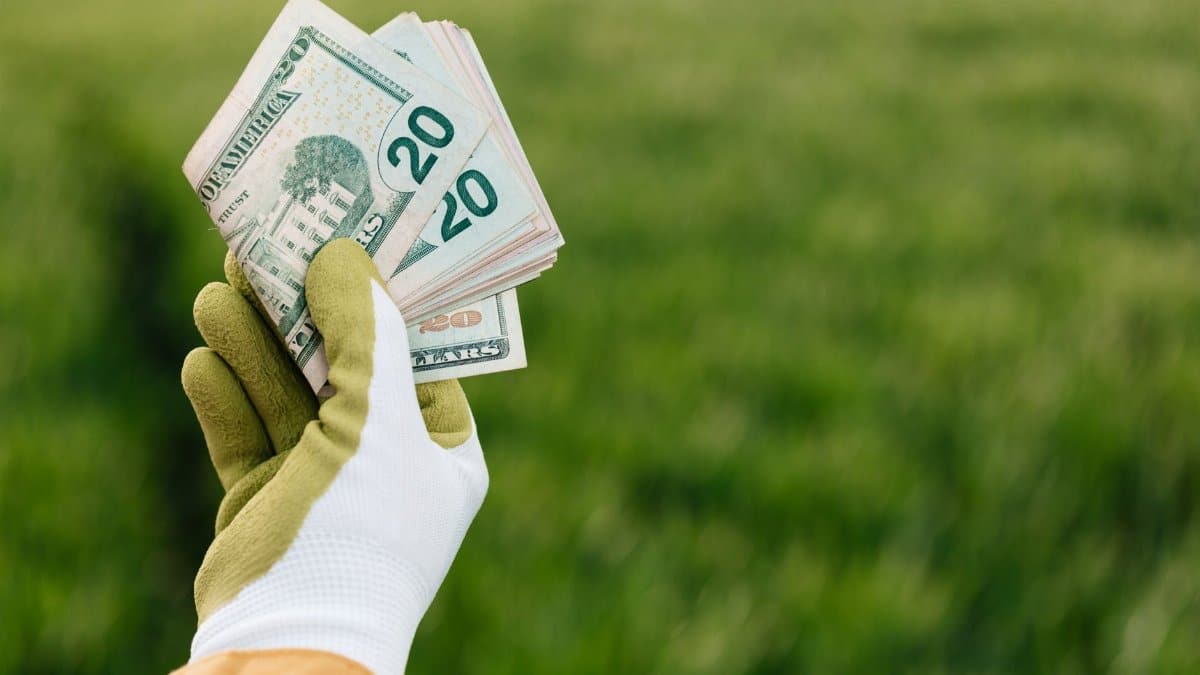
Any honest account of this race has to mention resources. Pritzker can fund a campaign at a scale few rivals can match. That fact does not make the arguments better, but it changes who gets to repeat them. Television, digital ads, and a field operation can keep a continuity message in circulation even if it is not electrifying. Name recognition does similar work. Millions of Illinoisans already have a view of the governor. The campaign does not have to introduce him. It has to sand the edges of the view that already exists.
Opponents, Republican and possibly Democratic, face a different math. They must supply the novelty the incumbent is declining to offer, and they must do it without looking reckless. A challenger who only recites grievances about Chicago will struggle in the suburbs. A challenger who only promises tax cuts will be asked which services disappear. The absence of a thick Pritzker agenda does not automatically create a thick alternative. It creates a vacuum. Vacuums get filled, sometimes by serious policy, sometimes by noise.
The national weather over a state race

No governor’s race in this decade is sealed off from Washington. Abortion, immigration, crime rhetoric, and the mood toward the party in the White House will color turnout. Pritzker has been happy to play on that larger stage, casting himself as a defender of blue state priorities and a critic of national Republicans. That role energizes his base and keeps him in the conversation beyond Illinois. It also invites the charge that state problems are being used as scenery for a bigger ambition.
Voters can hold two thoughts at once. They can agree with a governor on abortion rights and still want a clearer plan for property taxes. They can dislike national Republicans and still feel that Springfield has grown comfortable. The campaign will try to fuse those thoughts into a single choice: stay with the known Democrat or risk a reversal. Fusion works when the known record feels personal. It weakens when the record feels like a press release.
Chicago, the suburbs, and downstate are not one jury
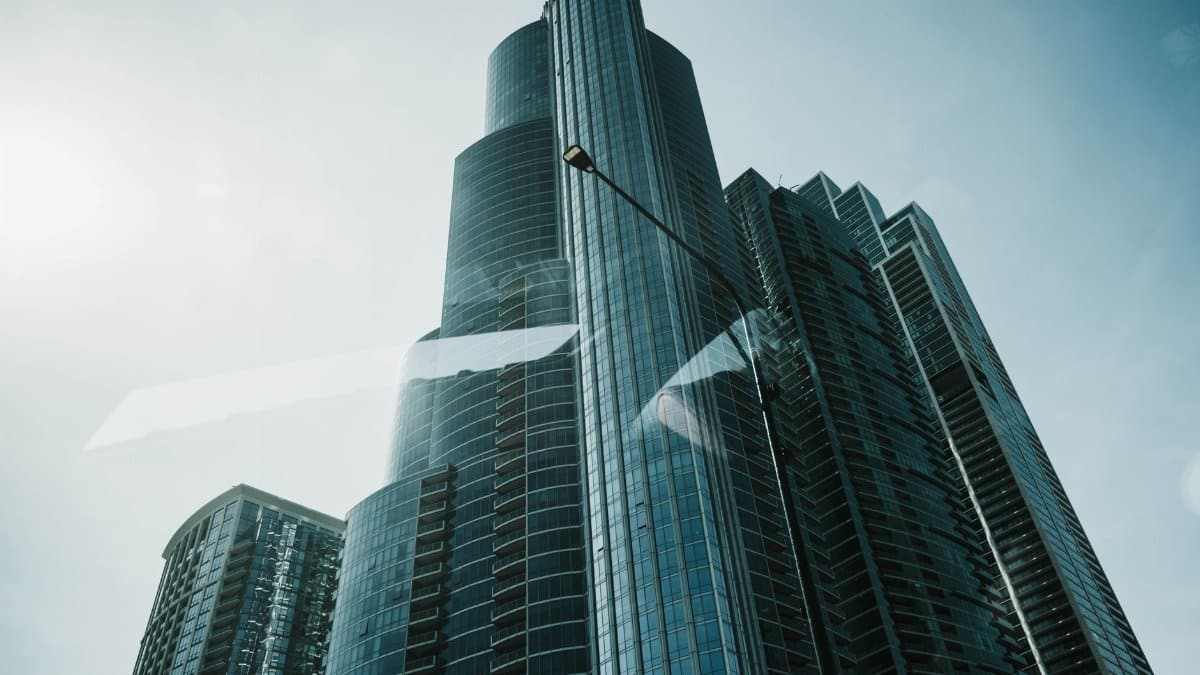
Illinois elections are often described as Chicago versus everywhere else. The description is too crude, but the fracture lines are real. In the city, the governor is judged partly by whether he is a partner or a scold, by school funding, transit, and the sense that violence is or is not receding. In the suburbs, taxes, schools, and a desire for order tend to dominate. Downstate, the test is whether anyone in the capitol remembers the hospital, the plant, or the county road.
A continuity campaign speaks most naturally to people who already feel included in the gains. It speaks less clearly to people who experience the same years as stagnation. Pritzker’s team knows the map. The early travel schedule, heavy on friendly rooms and careful regional drops, suggests a plan to reinforce rather than convert. Reinforcement can win. It can also leave the campaign looking smaller than the state.
What stability is worth

There is a case for boredom in government, and it deserves a hearing. Illinois spent years as a cautionary tale of unpaid bills, credit downgrades, and governors who left in disgrace. A stretch of predictable budgets and intact public services is not nothing. People who remember the brink have a right to prefer the plateau. If the Pritzker third term argument has a moral core, it is that plateau: do not throw away a hard won calm because the next chapter is unwritten.
Calm, though, can curdle into complacency. Credit agencies and budget documents do not ride the bus or staff the emergency room. A voter in Rockford or Belleville may grant that the statehouse is less chaotic and still ask what that calm purchased in their week. The campaign has not yet answered in a way that feels specific. Specificity would mean naming tradeoffs. It would mean saying which investments come first if growth stays modest. It would mean admitting where the first two terms fell short instead of treating the whole file as a closed brief for the defense.
The opponent’s opening, if anyone takes it
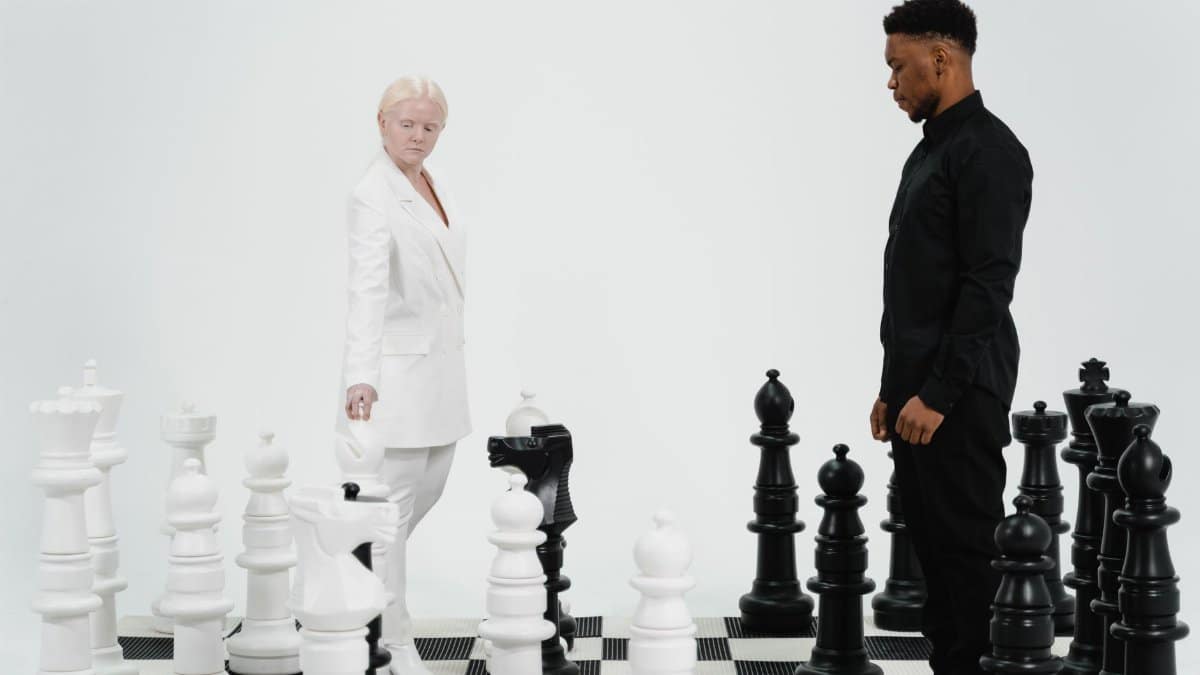
The most effective critique may not be ideological at all. It may be managerial and temporal. Four more years of this, toward what? A rival who can describe three concrete repairs, cost them honestly, and explain who pays could make the incumbent’s restraint look like emptiness. That rival would still have to survive the money gap and the state’s partisan lean in many of the largest counties. Lean is not destiny, but it is ballast.
Democrats who are restless face a different problem. A primary challenge against a wealthy incumbent is a theory until it is a candidacy with organizers and a reason beyond ambition. Without that, complaints about a thin agenda remain commentary. Commentary does not appear on the ballot.
How to judge a bid that declines to dazzle
Readers who want a horse race prediction will be disappointed, and they should be. The useful question is what standard to apply. If the standard is scandal avoidance, budgetary order, and alignment with the majority view of Illinois Democrats on social policy, the case for another term is straightforward. If the standard is whether the next four years have a shape, the case is still being assembled, mostly out of materials from the last eight.
Journalists should resist the habit of treating newness as virtue. New plans can be gimmicks. Old plans can be wisdom. The fairer test is fit. Do the tools already in use match the problems now arriving, or only the problems of the governor’s first winter in office? Housing, transit, pensions, population, and trust in public safety are not solved by repeating the signing ceremony. They are also not solved by pretending the signing ceremony never mattered.
A choice between custody and invention

At bottom, the race asks Illinois to pick a theory of the office. One theory says the governor is a custodian of gains, a brake against reversal, a steady hand on a state that has punished drama. The other says the office is an engine, and engines are supposed to pull something that is not yet here. Pritzker is campaigning, for now, as a custodian with a national microphone. That may be enough. It may be what a tired electorate wants. It may also leave him exposed if a challenger makes invention sound responsible rather than wild.
The early months will show whether the shelf stays thin. Incumbents sometimes discover a second agenda when the first ads fail to move the numbers. They sometimes double down and win anyway, because money, maps, and mood align. Either path will tell the state something about what a Pritzker third term is for. Continuity is a promise only if voters can see the thing being continued, and can believe it still answers the lives they are actually living.