

On a night when the Toyota Center crowd expected the familiar sight of Alperen Sengun setting screens, finishing through contact, and finding cutters with those soft pocket passes, the Houston lineup card told a thinner story. The Rockets Sengun injury update, framed by the club as back soreness that flared after a recent game, removed the center from the rotation and forced a reshuffle that coaches dislike more than any single missed jumper. Back pain is common in a league built on landing, screening, and wrestling for position, yet it is also the kind of complaint that refuses a simple calendar. Houston can name the symptom. It cannot yet promise the date when its most skilled big man walks back into the middle of the offense.
A symptom that refuses a neat calendar

Public language around backs stays careful because the same phrase can cover a bruise, a spasm, or a problem that needs imaging and time. The Rockets Sengun injury note does not describe surgery, a fracture, or a timetable measured in months. It describes soreness that flared after a recent game. That wording buys the training staff room to test bending, rotation, and how the player lands. It also denies fans the false comfort of a return date circled on a wall. In a league that prices certainty by the hour, a short medical sentence can feel incomplete. Often it is simply unfinished. Houston can adjust the next practice plan. It cannot responsibly invent a recovery clock before the body answers.
The offense loses its most creative big
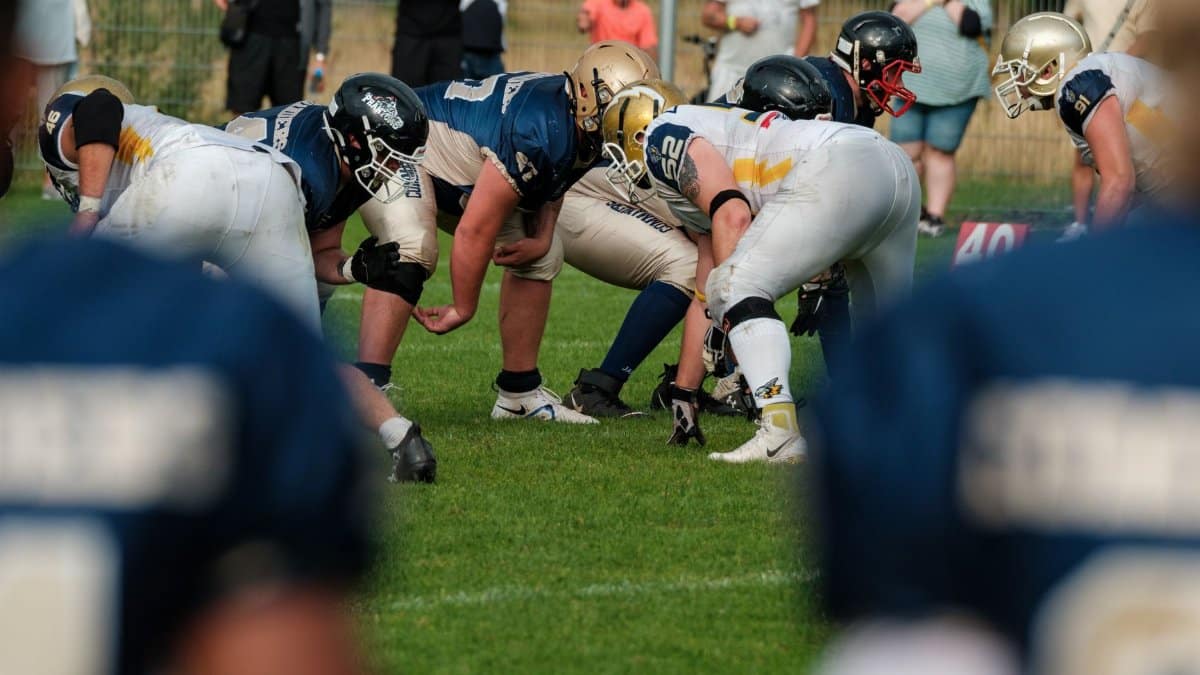
Sengun has become more than a finisher near the rim. His value sits in the way he receives the ball on the elbow or in the post, reads a second defender, and turns a crowded possession into a pocket pass or a short hook. Houston has spent several seasons teaching the roster to play off that vision. When the center sits, the offense does not merely lose points in the paint. It loses a hub. Guards who like to attack a tilted defense must create the tilt themselves. Wings who cut on instinct may find the window late. None of that makes the substitutes incapable. It does mean the sets that felt smooth can look a half beat late, which in this league is often the difference between a layup and a contested fade.
Minutes that must be redistributed
The practical question is who stands in the paint for thirty or more minutes that used to belong to Sengun. Houston has built a group with size on the wing and at least one traditional center who can set a firm screen, box out, and finish a simple roll. Those skills matter. They are not the same as the passing repertoire that made Sengun a problem for switching defenses. Coaches will likely shorten some possessions, hunt more early in the clock, and ask guards to live in the middle of the floor. Bench units that once shared the burden may start. That is not a crisis if the staff keeps the assignments simple. It becomes a strain if the same two or three players have to both create and clean the glass on consecutive nights.
Screens, seals, and the missing pass

Watch the first five seconds after a guard crosses half court. With Sengun on the floor, a defender often has to choose between staying attached to a shooter and helping on a dive. Without him, that choice gets cleaner for the opponent. Houston can still run screen and roll with another big, and it should. The geometry changes when the roller is a finisher rather than a passer who can hit the weak side corner in rhythm. Until the Rockets Sengun injury picture clears, opponents will load the strong side and dare role players to make skip passes they do not attempt ten times a game. Some of those passes will arrive. Some will float. The honest test is not one highlight. It is whether the offense still generates open threes when the first option is covered.
Rebounding and the back line

Defense may be the quieter loss. Sengun is not a classic rim eraser, but his positioning, his ability to absorb contact, and his length around the basket change how drivers finish. A replacement who boxes out cleanly can protect the glass and still give up angles if the rotations behind him are late. Houston has athletes who can fly in from the wing and erase a mistake. That help is a gift and a tax. Every chase rotation leaves a shooter. If the staff asks the group to protect the rim with more aggressive gaps, foul trouble can follow. Back soreness on one player thus becomes a discipline problem for five. The box score will show rebounds and blocks. The film will show whether help arrived early enough to matter.
A conference that will not wait
The standings do not grant sick days. Houston is trying to matter in a Western Conference that punishes any week of ordinary basketball. A single absence can be absorbed. A string of them starts to press on a rotation already asked to play with speed. Opponents circling the schedule will not simplify their schemes out of courtesy. They will attack the new drop coverage, switch more, and hunt whoever is unsure of the coverage call. That is not cruelty. It is the job. The useful response is narrower than a rally speech. Protect the remaining starters from foolish minutes, keep the bench roles clear, and refuse the temptation to win one night by borrowing energy from the next three. Playoff math is built from those small refusals.
Sorting soreness from something larger

Any honest reading of the Rockets Sengun injury begins with limits. Outsiders do not know whether the soreness is muscular, whether it sits near a joint, or whether a collision simply irritated tissue that was already tired. Trainers usually start with what they can see: how the athlete walks, whether he can hinge at the hips, whether rotation to one side is sharp or merely stiff. Treatment may include rest, hands on soft tissue work, careful strengthening, and a graded return to jumping. None of that is glamorous, and none of it should be rushed for a Tuesday headline. If pain changes location, if numbness appears, or if simple tasks like tying shoes become difficult, the plan should slow down. Fans can want a return. They should also want a center who can still move well in April.
Patience as a competitive skill
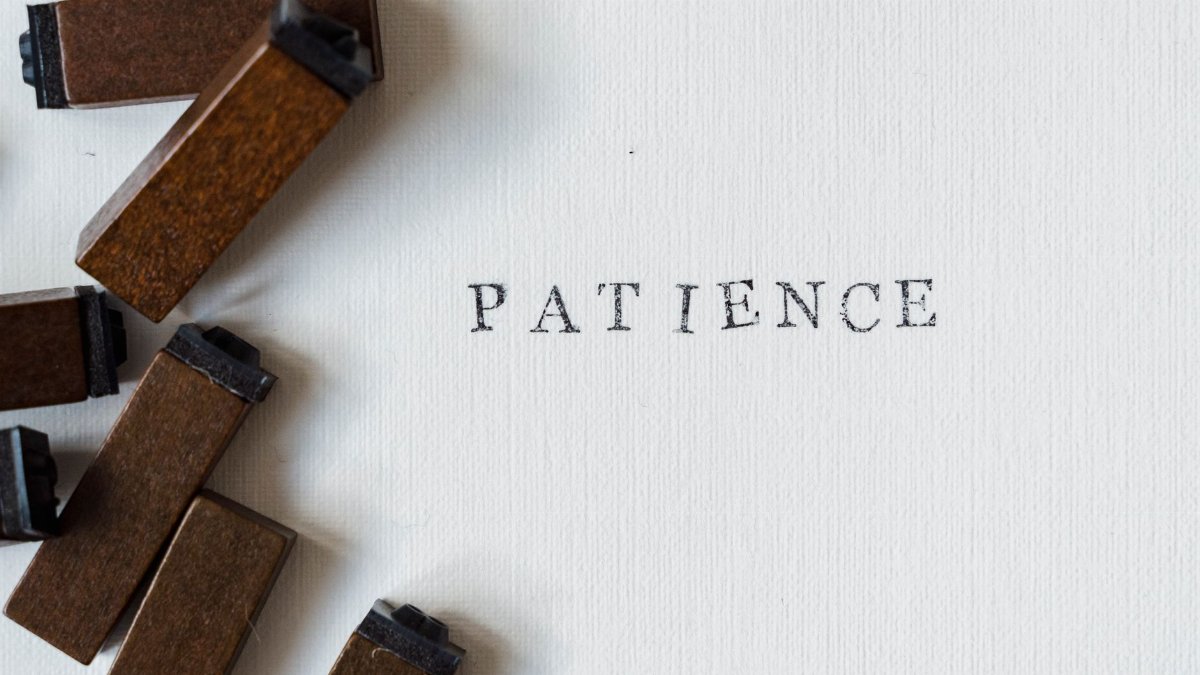
I have sat in enough arenas to know that absence sounds louder than the public address system. The empty chair is not a moral lesson, but it does ask a kind of patience that modern sports rarely reward. Sengun is still early in a career that already carries the weight of a franchise hope. Back soreness is not a verdict on that hope. It is a reminder that talent lives in a body that lands hard several dozen times a night. Spiritual language can get syrupy here, so keep it plain. Care for the vessel is part of the craft. A player who learns when to stop is not less competitive than the player who grimaces through a drill. He may simply still be available when the games that decide a season arrive. Houston can honor that without turning a medical update into a sermon.
What the next update should actually say

Fans tracking the Rockets Sengun injury should look for function, not theater. A video of a player shooting around before tip does not prove he can absorb a screen and sprint back. Useful updates name whether he has practiced with contact, whether he is questionable or out, and whether the plan is rest or a ramp of minutes. They do not need drama. Houston will also reveal its priorities by how it uses the players who remain. If the staff shortens the star guards and trusts a deeper group, that is a sign of a longer view. If it chases every loose ball as if one night can repair a missing center, the bill comes due later. Soreness is small until it is not. The mature reading is to wait for movement, not for a slogan.