
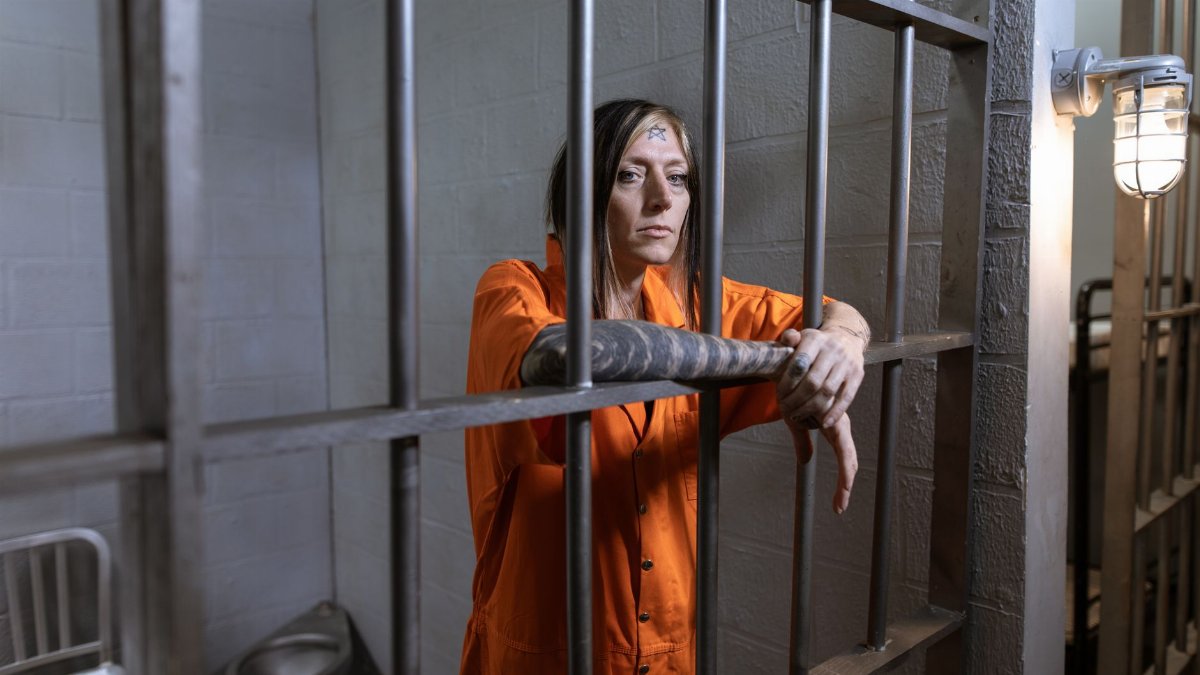
On a gray morning along the Tacoma tideflats, the low industrial buildings that hold people for federal immigration authorities look almost ordinary from the road. Trucks pass. Gulls wheel over the port. Inside, hundreds of men and women wait on civil immigration cases that can stretch for months. This week that quiet campus became the center of a loud fight over money, power, and who gets to run a jail that Washington has spent years trying to push out of private hands. The ICE Tacoma detention contract, valued at about $1.5 billion over the next ten years, keeps a private operator in charge of the state’s largest immigrant detention site and reopens questions lawmakers thought they had already answered.
A contract that resets the clock

Immigration and Customs Enforcement has awarded a new long term deal to the private company that already runs the Tacoma facility, widely known as the Northwest ICE Processing Center and, for years before that, the Northwest Detention Center. The headline number is stark. About $1.5 billion across a decade is not a minor extension. It is a vote of confidence from Washington, D.C., in a model that many people in Washington state have rejected at the ballot box, in the legislature, and on the sidewalk outside the fence.
Federal officials frame these agreements as capacity. People awaiting immigration hearings, or facing removal, have to be held somewhere if the government chooses detention over release. Private contractors argue that they can staff a large site faster than the government can build one. Critics answer that a profit motive sits badly with a civil lockup, where the people inside are not serving criminal sentences. Both claims have been rehearsed for years. The new award makes them urgent again, because the clock now runs toward the middle of the next decade.
The company behind the fence

The operator is GEO Group, a Florida based private prison company that has become one of the dominant contractors in immigrant detention. In Tacoma it manages housing, security, food service, and much of the daily routine, under standards set by ICE. The company has long said it meets those standards and that independent monitors review conditions. Advocates and some former detainees have long said the opposite: delayed medical care, heavy use of isolation, and a grievance process that feels stacked against the person filing the complaint.
Those disputes are not abstract for Pierce County. The site sits in an industrial stretch of Tacoma, close enough to neighborhoods and faith halls that protests can form within a short drive, and far enough from downtown Seattle that many residents only notice it when a headline lands. GEO’s defenders in the business community point to jobs and a steady federal paycheck. Its opponents point to the same paycheck and ask who is being paid to confine neighbors, coworkers, and parishioners.
A state law that did not close the doors

In 2021, Washington lawmakers passed a statute aimed at phasing out private detention. The political message was plain. The state did not want companies running lockups for profit on Washington soil, including immigrant detention. For a moment, supporters believed the Tacoma center’s days were numbered.
Federal authority proved harder to dislodge than a statute. Immigration enforcement is a national power. Courts have limited how far a state may go in shutting a facility that exists to carry out that federal function, even when the operator is a private firm rather than a government agency. The result is a strange local fact. Washington can declare private detention unwelcome and still watch a private detention center operate under a federal contract. The new award is the clearest proof yet that the statute did not accomplish what its authors hoped.
Money, beds, and federal priorities

Spread in a straight line, $1.5 billion over ten years implies a very large annual flow of public money into one site. Real contracts are rarely that smooth. They rise and fall with population counts, per diem rates, and policy swings in Washington, D.C. Still, the scale tells a story. ICE is not treating Tacoma as a leftover building on the way to closure. It is treating the site as core capacity.
That choice tracks a national pattern. When crossings rise, or when an administration favors detention over alternatives such as supervised release, bed space becomes a political commodity. Private firms are positioned to supply it. Public agencies would need years and capital budgets to match that speed. The ICE Tacoma detention contract sits inside that bargain. Speed and scale on one side. Diffuse accountability on the other. When something goes wrong, families often struggle to tell whether the failure belongs to the contractor, to ICE, or to a standard written so loosely that both can claim compliance.
What people inside have described

Over more than a decade, people held in Tacoma have staged hunger strikes, called hotlines, and spoken through lawyers about food, medical delays, and the fear of being forgotten. Some accounts describe isolation used as punishment for protest. Others describe the smaller humiliations of institutional life: limited daylight, expensive phone calls, and the wait for a hearing date that keeps moving. None of this is unique to one building. It is the ordinary texture of a large detention system. Tacoma has simply been visible enough, and organized enough on the outside, that those accounts reached local news again and again.
Legal aid groups in the region, including the Northwest Immigrant Rights Project, have tried to put lawyers between detainees and a process that moves quickly once a removal order is in motion. Representation is not a guarantee of release. It is often the difference between a person understanding the charge against their stay and a person signing papers they do not fully grasp. A ten year contract does not change that legal need. It does signal that the need will not fade with a change of local politics.
Faith communities at the gate
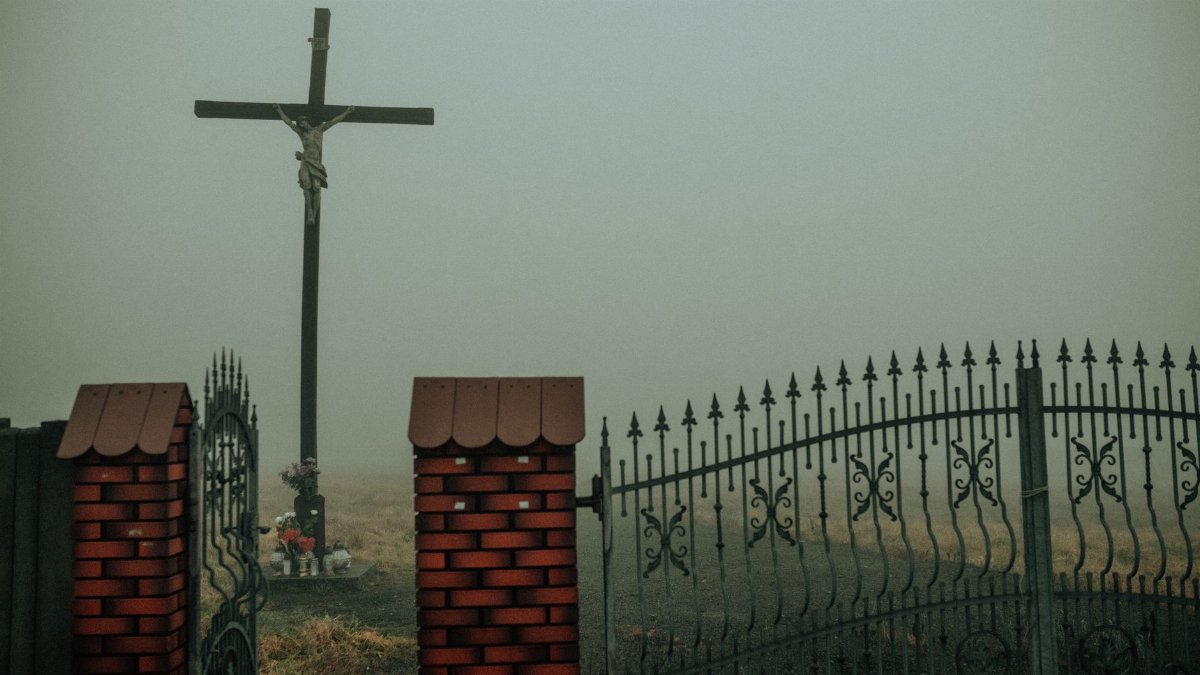
For years, clergy, lay volunteers, and immigrant congregations have kept vigil outside the Tacoma center. Some come from Catholic parishes, some from Protestant churches, some from synagogues and interfaith circles that treat visitation as a work of mercy. They bring rides for released people, letters, and a public witness that the building is not only a federal asset. It is a moral fact in the city.
That witness does not settle the policy argument. People of faith disagree about borders, asylum, and the duty of a government to enforce the law. What the vigils do settle, for anyone willing to look, is that detention is not a paperwork function. It separates parents from children, interrupts medical treatment, and asks a city to live beside a place where liberty is withheld without a criminal conviction. In a season when national talk about immigration grows harsher, those small gatherings are one of the few habits that still insist on names rather than categories.
The legal tangle with Olympia

State officials now face an uncomfortable menu. They can keep pressing regulations on health, labor, and local land use, and expect federal lawyers to test every rule that looks like a backdoor closure. They can document conditions and refer evidence to inspectors. They can support legal representation so that fewer people disappear into the system uncounseled. What they cannot honestly promise, after this award, is that the building will go dark because Olympia wishes it so.
That gap between desire and power is the heart of the ICE Tacoma detention contract fight. Voters heard a ban. The contract reads as a renewal. Lawmakers who backed the 2021 law will have to explain the difference without pretending the courts were a surprise. Federal supremacy in immigration is old law. The surprise, if any, was the hope that a state statute could outrun it.
Jobs, taxes, and a port city calculus

Tacoma is a working port. People here understand contracts, shifts, and the way a large employer can anchor a tax roll. GEO and its allies will say the center provides wages in a region where industrial jobs are not as plentiful as they once were. Unions and some local leaders have been more skeptical, asking whether those wages depend on a practice the state has already called unworthy.
There is no clean arithmetic that turns a detention bed into a civic good or a civic harm. A paycheck is real. So is the cost borne by families who lose a wage earner to confinement, and by public hospitals and schools that absorb the shock when a household is split. City and county officials rarely control ICE policy. They do control how loudly they describe the trade. Silence reads as consent. Ritual condemnation without a follow through reads as theater. The new money makes theater harder to sustain.
A national pattern with a local address
Tacoma is not an outlier in the private detention map. GEO and its main rival hold a large share of ICE beds across the South and West. Administrations of both parties have used that capacity, even when their speeches diverged. What changes is the volume, the rhetoric, and the willingness of states to pick a fight. California tried a similar restriction and met a similar wall. Washington is now living the sequel.
The local address still matters. A contract signed in a federal office lands on a particular street, beside a particular port, under a particular sky that residents can see from their cars. When advocates say the ICE Tacoma detention contract exports a national failure into Pierce County, they mean that literally. The failure, if it is one, will have a zip code.
Standards on paper and life in practice

ICE publishes detention standards. Contractors point to audits. Watchdogs point to the distance between a checklist and a clinic visit at 2 a.m. The honest reporting position is that both documents and testimony matter, and that neither is complete. Audits can miss patterns that detainees experience as routine. Individual horror stories can be unrepresentative, or they can be the only window the public gets. A decade long deal raises the stakes of that gap. If oversight is thin, thin oversight has just been funded for ten years.
Congress could demand clearer reporting on medical outcomes, use of force, and length of stay. Inspectors general could treat repeat complaints as a trigger rather than a file. None of that requires abolishing the center overnight. It requires treating $1.5 billion as a sum that buys public curiosity, not public amnesia.
What the next ten years may hold

Policy will not sit still while the contract runs. A future administration could detain fewer people and leave beds empty. Another could fill them. Asylum rules, immigration court backlogs, and border surges will tug the population up and down. The constant is the legal shell: a private firm, a federal client, and a state that has declared itself opposed and discovered the limits of that declaration.
For families with someone inside, the decade is not a planning horizon. It is a series of weeks. Hearings, bond requests, and the hope of a transfer or a release do not pause because a procurement office has signed. The most useful local response may be the least dramatic. More lawyers. More visitation. More precise questions to ICE about who is held, for how long, and why release was refused. Grand gestures have already been tried. The building is still there.
A city asked to keep looking

Tacoma did not design federal immigration law. It does host the consequence. The new award asks residents, again, whether they will treat the center as background industry or as a civic question that deserves sustained attention. Attention is not the same as agreement. Some readers will see a necessary tool of enforcement. Others will see a moral error compounded by profit. A serious city can hold that argument without looking away from the people whose days are organized by count times and court dates.
The ICE Tacoma detention contract will be remembered as a dollar figure. It should also be remembered as a choice about duration. Ten years is long enough for a child to grow up visiting a parent through glass, and long enough for a legislature to forget why it passed a ban. The tideflats will look the same on the next gray morning. The paperwork behind the fence will not.