
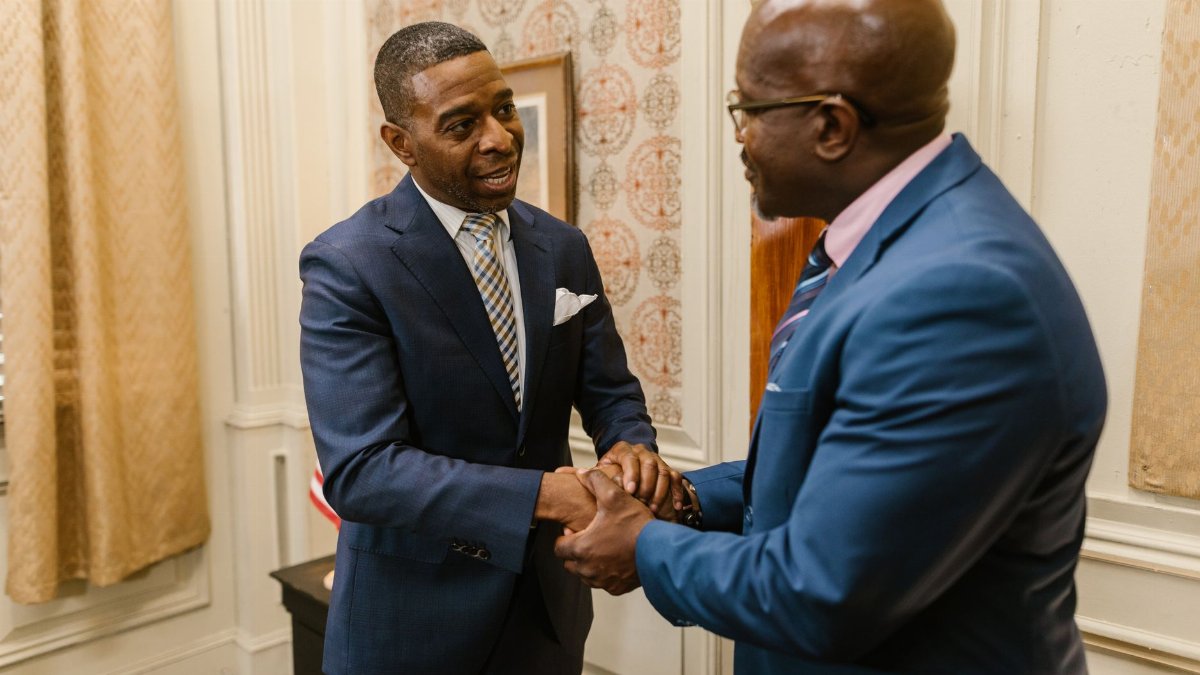
On a warm Sunday outside a fellowship hall in Austin, volunteers passed out sample ballots while neighbors talked about scripture, school budgets, and the price of groceries. The lieutenant governor contest, once treated by many voters as a settled ritual, has become part of that porch conversation. The compressed label Lt Gov Patrick Goodwin now shows up in group texts and church bulletins, a shorthand for a matchup that party operatives no longer describe as comfortable. Incumbent Dan Patrick and Democratic challenger Vikki Goodwin are heading toward November 3 with a narrower public mood than the last statewide cycle suggested, and the spiritual habits of Texas voters are part of why the tone feels different.
A contest that refused to stay quiet

Texas elects its lieutenant governor in a separate vote from the governor, and the office carries unusual weight. The person who wins presides over the Senate, shapes the calendar, and can stall or speed the bills that define a session. For years that power sat inside a Republican coalition that looked durable from the Panhandle to the Gulf. This fall the coalition is still favored in much of the state, yet the margin of confidence has thinned. Suburban counties that once delivered automatic pluralities are sending mixed signals. Rural strongholds remain loyal to the incumbent, while urban cores and a growing share of inner ring suburbs are listening harder to the challenger.
Closeness changes behavior. Donors who sat out early mailers are writing checks again. County chairs who planned a light canvass are booking extra weekends. Pastors who prefer to keep partisan names out of the pulpit are still hearing the race named in Wednesday night classes. None of that guarantees an upset. It does mean the office is being argued over in places where argument used to be brief.
Two careers and two theories of the job

Dan Patrick built his political life as a conservative broadcaster and then as a senator who treated the lieutenant governor post as a platform for cultural and fiscal fights. Supporters praise his willingness to force votes on issues they see as moral emergencies, from abortion limits to what they call parental authority in public schools. Critics say the same style crowds out compromise and turns the Senate into a stage rather than a workshop.
Vikki Goodwin comes from the Texas House, representing an Austin district, and argues that the upper chamber has grown too closed to amendment, debate, and the practical needs of cities. Her case is less about a single lightning issue than about tone and priorities: property tax relief that reaches renters as well as owners, public school funding that does not treat teachers as suspects, and a border conversation that includes enforcement without spectacle. Voters searching Lt Gov Patrick Goodwin are often trying to sort those two theories, one centered on ideological clarity and one centered on managerial restraint.
The moral language of a political fight
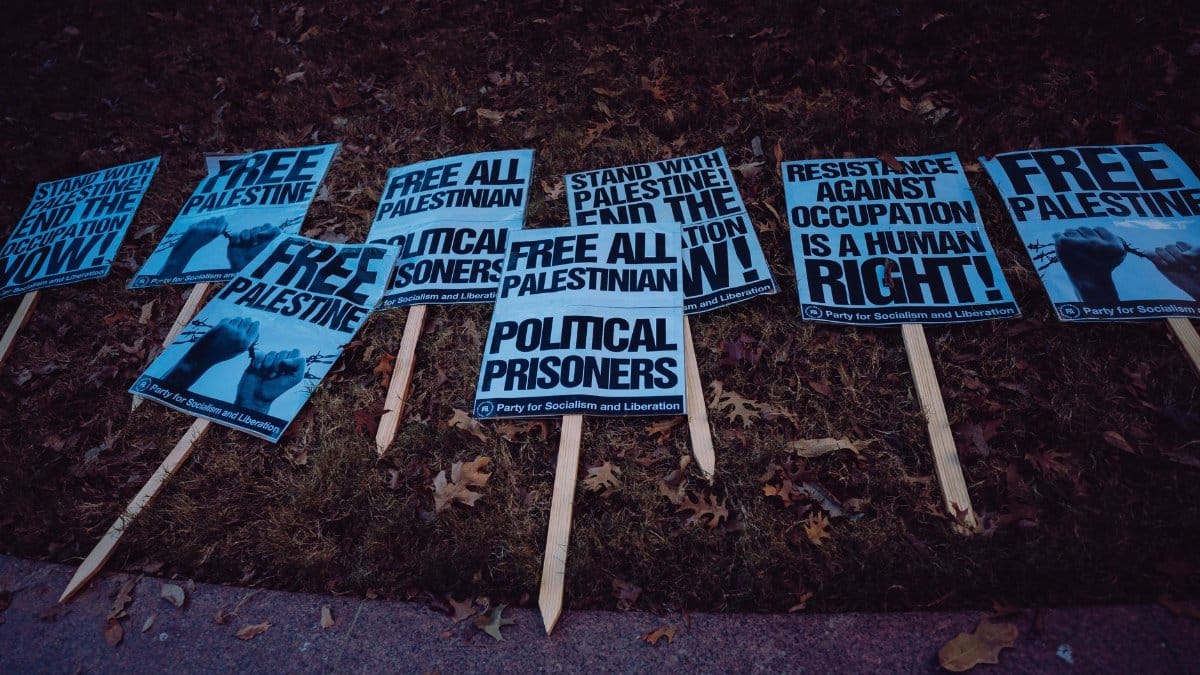
Texas campaigns have always borrowed the vocabulary of congregations. Stewardship, neighbor, conscience, and calling appear in ads that never mention a denomination. This year the borrowing is especially plain. Patrick allies describe the election as a defense of ordered liberty and of a Christian heritage they believe public institutions have neglected. Goodwin allies answer with a different religious register, one that stresses care for the stranger, honesty in public speech, and the danger of using sacred words to bless partisan power.
That clash is not abstract for people who sit in the same pew and pull different levers. A deacon in Fort Worth may hear the incumbent as a protector of unborn life and of worship that refuses state interference. A lay leader in Houston may hear the challenger as closer to the prophetic demand that government tell the truth about who is hurt by budget cuts. Both can quote scripture without agreeing on a ballot. The spiritual trend is not a swing toward one party. It is a refusal to treat faith as background music.
Money, message, and the fight for attention
Statewide races in Texas are expensive because the media markets are vast and the early vote window is long. The incumbent enters with name recognition that no challenger can buy outright. Recognition, though, can harden into fatigue. Voters who have seen the same face on television for a decade sometimes want a new sentence, even if they share the old ideology. Goodwin has tried to spend where that fatigue is measurable, especially among college educated women in Harris, Dallas, Travis, Collin, and Williamson counties.
Message discipline matters as much as cash. Patrick’s team returns again and again to border security, energy jobs, and opposition to what they call radical social policy in classrooms. Goodwin’s team returns to insurance costs, grid reliability, and the idea that a powerful Senate leader should be accountable to more than a primary electorate. When national news crowds the local story, both campaigns fear being reduced to a cartoon. The phrase Lt Gov Patrick Goodwin is clumsy, yet it captures how some readers now hold the two names in one mental file rather than in separate universes.
What a major newspaper chose to argue

Editorial boards do not decide Texas elections, but they still shape the brief that undecided readers carry into a voting booth. The Houston Chronicle has argued that the lieutenant governor’s power requires a temperament willing to let the Senate function as a legislature, not only as an extension of one person’s brand. In making a case for Goodwin, the paper pointed to session management, transparency, and the cost of perpetual cultural combat for a state that also needs roads, water, and a workforce.
Supporters of Patrick read that argument as coastal condescension dressed up as civic virtue. They note that editorial pages have opposed him before and that voters have reaffirmed him anyway. The fair journalistic point is narrower. A prominent paper in the state’s largest city decided the office had become too personalized, and that decision gave the challenger a citation she can wave in neighborhoods where the Chronicle still sits on kitchen tables. Whether those neighborhoods are numerous enough to matter is the open question.
Issues that move suburban kitchens
Border policy remains the incumbent’s strongest terrain. Many Texans, including some who vote Democratic in city races, want visible enforcement and are impatient with federal delay. Patrick has made that impatience a governing identity. Goodwin does not campaign as indifferent to unlawful crossings. She argues that spectacle and unfunded mandates on local jails are not the same thing as a durable policy, and that farmers, shippers, and border cities need predictability as much as rhetoric.
Public education is the challenger’s stronger room. Teacher vacancies, voucher debates, and fights over library books have turned school board meetings into proxy wars. Parents who want more choice and parents who fear the draining of neighborhood campuses are both organized, both prayerful, and both angry. Property taxes sit beside those fights. Homeowners feel squeezed even after relief bills. Renters feel invisible. Any candidate who speaks only to owners or only to urban renters leaves half the kitchen table cold. The Lt Gov Patrick Goodwin frame, awkward as it is, often appears when a household is trying to rank those pressures rather than recite a party line.
Geography still writes the math

Texas is not one electorate. It is a stack of regions with different churches, different employers, and different memories of the last ice storm or the last refinery boom. West Texas and much of East Texas remain difficult ground for any Democrat seeking statewide office. The Valley has become less predictable, with some voters moving right on immigration and still expecting attention to wages and health clinics. The big metro crescent, from Fort Worth through Dallas to Houston and back toward Austin and San Antonio, holds the voters who can shrink a Republican margin without flipping the whole map.
Early voting habits add another layer. Older, highly observant conservatives often vote as soon as polls open. Younger and less attached voters wait, or they do not come at all. A tighter race rewards the campaign that converts anxiety into a completed ballot, not the one that wins the loudest rally. Spiritual communities can help or hinder that conversion. A congregation that treats voting as a duty will show up. A congregation that treats politics as contamination may stay home and accidentally decide the margin.
Faith communities and civic habits
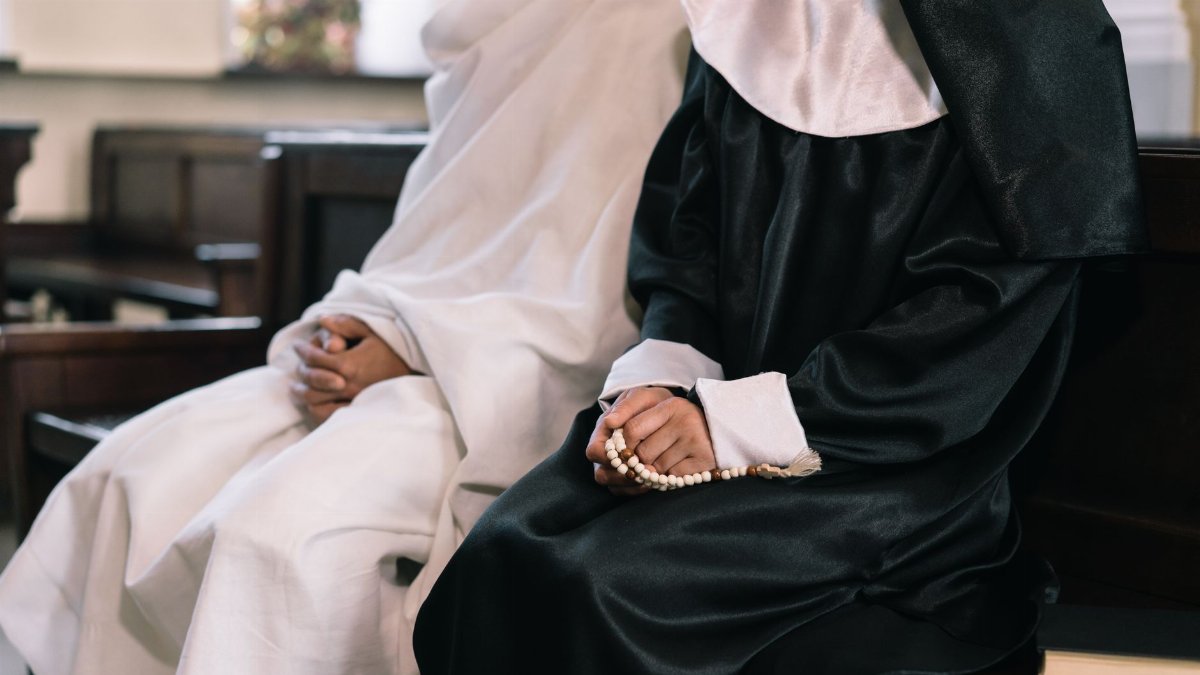
Researchers of American religion have long noted that attendance, not merely belief, predicts turnout. In Texas that pattern cuts across tradition. Evangelical churches, Catholic parishes, Black Protestant congregations, mainline halls, and growing mosques and temples all host the kind of repeated gathering that makes a reminder about voting feel personal rather than robotic. The trend this season is not a new denomination. It is a sharper argument inside existing ones about whether endorsing a party from the pulpit violates conscience or fulfills it.
Many clergy still refuse candidate names. They will preach about honesty, welcome, and the protection of children, then leave the application to the listener. That restraint frustrates activists and comforts members who share a table with political opposites. It also means the race travels by side conversation, potluck, and text chain. When those chains mention Lt Gov Patrick Goodwin, they are usually not offering a theological treatise. They are asking a neighbor which name feels safer for schools, for the border, or for the tone of public life.
How closeness changes governing

Even if Patrick wins, a narrowed victory would carry a message into the next session. A lieutenant governor who clears fifty five percent governs differently from one who clears sixty. Committee assignments, the speed of controversial bills, and the appetite for overriding local governments all respond to the size of the mandate. Business groups that have tolerated cultural fights in exchange for tax and tort policy may ask for a quieter calendar if they believe the brand has become a liability in the suburbs.
A Goodwin victory would be a rupture, not a tweak. It would place a Democrat in the Senate’s presiding chair while Republicans likely retained a chamber majority, producing a daily negotiation the modern Texas Legislature has rarely practiced. Staff, rules, and the order of bills would all be renegotiated. Churches and civic groups that organized for either outcome would then have to decide whether their moral energy survives the loss of a campaign, which is the harder spiritual test. Victory speeches fade. The habit of seeing opponents as neighbors does not arrive automatically with a new gavel.
The weeks before November 3

The remaining calendar is short and crowded. Early vote locations will open in church gyms and community centers. Ads will grow harsher because softness reads as weakness in the final stretch. Fact checkers will chase claims about budgets and crime statistics that most viewers will never click. The useful discipline for a reader is simpler than the ads suggest. Ask what the office actually controls. Ask which promises require a Senate majority the winner may not command. Ask which moral claims survive contact with a spreadsheet.
Texas has a habit of treating lieutenant governor races as afterthoughts and then living for years with the winner’s procedural power. This fall that habit is weaker. Between Dan Patrick’s long command of the chamber and Vikki Goodwin’s bid to reopen it, voters are being asked to judge not only ideology but temperament. The spiritual trend running underneath the politics is a hunger for language that does not humiliate the other half of the state. Whether either campaign can meet that hunger, and whether the shorthand Lt Gov Patrick Goodwin fades back into two separate names after the count, will be clear only when the ballots are in.