
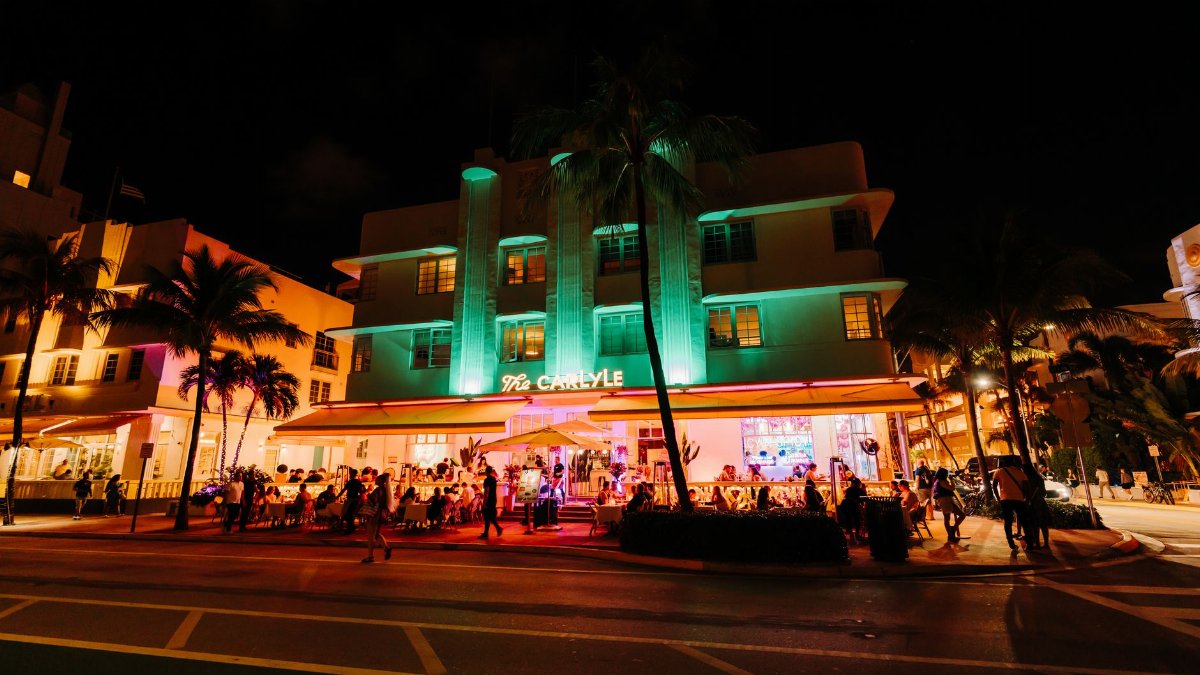
On a humid weeknight in Miami Beach, the line outside a dining room famous for claws and mustard sauce now includes people who came for something humbler. For years the kitchen sold a half order of fried chicken at a price that felt almost defiant: $8.95. That number is gone. The restaurant has lifted it to $14.95, and the item known to regulars as Joe’s Stone Crab chicken is no longer the quiet bargain it was. The jump is not a rounding error. It is a reset of a habit, the kind of small menu change that tells you more about a city than a grand reopening ever could.
A price that outlived its own logic

Joe’s Stone Crab has stood on Miami Beach for more than a century, a place where stone crab season still sets the calendar and where jackets, waiters, and key lime pie occupy a fixed place in local memory. The fried chicken never tried to compete with the claws. It sat off to the side, half a bird, crisp and generous, priced like a favor. Locals treated $8.95 as proof that an institution could still make room for ordinary hunger. Tourists stumbled on it and left convinced they had found a secret. Servers did not need to sell it. The number on the menu did the work.
According to reporting by the Miami Herald, that half chicken is now $14.95. The story, published at miamiherald.com, framed the change as the end of what many people called the best deal in Miami. Six dollars is not a fortune in a neighborhood where cocktails can cost more. It is enough, though, to change the meaning of the plate. A bargain that felt inherited has become a purchase that has to be justified.
Why the chicken mattered more than the claws
Stone crab is a seasonal luxury with a built in audience. People plan trips around it. They accept that the price will sting, because the sting is part of the ritual. Fried chicken does the opposite work. It is weeknight food, food you order when you are not celebrating anything except the fact that you are hungry and near the beach. At Joe’s, that contrast was the point. The same room that served a tower of claws also fed people who wanted dinner without a ceremony.
That is why Joe’s Stone Crab chicken became a civic reference point rather than a menu footnote. It let teachers, retirees, hotel workers, and families sit in a famous room without pretending the night was an occasion. The chicken made the restaurant porous. You could love the mythology and still order like a person with a budget. When a place loses that second door, it does not stop being beloved. It becomes narrower.
What six dollars does to a habit
$8.95 trained people to stop calculating. You did not compare it with a sandwich down the block or with groceries in the trunk. You ordered it because the arithmetic had already been settled years ago. $14.95 puts the calculator back on the table. A couple who used to split a half chicken and a slice of pie now does a different kind of math. A parent who brought kids after the beach now wonders whether the same night belongs at a counter with no history and a lower check.
Habits are stubborn, and Joe’s has earned more loyalty than most restaurants ever will. Some diners will shrug and keep coming. Others will come less often and talk about it more. Price increases rarely empty a landmark on the first weekend. They work slowly, by thinning the crowd that treated the place as ordinary rather than special. The people who remain are still customers. They are just a different public.
The quiet economics behind a famous plate
No one outside the kitchen can itemize the exact pressure on this one dish, and it would be foolish to pretend a single menu line explains a balance sheet. What is visible is the world the restaurant cooks in. Poultry, oil, labor, insurance, and rent in Miami Beach have all grown more expensive over the past several years. A price that felt charming in one decade can become a loss leader in the next, especially if the portion stayed large and the room stayed full.
Restaurants sometimes protect a beloved number long after the number stops making sense, because regulars remember it the way they remember a bus fare or a movie ticket from childhood. Holding the line is a form of hospitality. It is also a form of risk. At some point the kitchen has to decide whether the symbol is worth subsidizing. Joe’s appears to have decided that it is not, at least not at the old figure. That decision is business. The disappointment around it is culture.
Memory is a hard thing to reprice

Ask people what they miss about old Miami and the answers are rarely about a single entree. They talk about rooms that still felt available, nights that did not require a reservation strategy, meals that did not announce your income. The fried chicken carried some of that feeling even when the rest of the check did not. It was evidence, edible and specific, that the past had not been entirely rewritten.
Raising the price does not erase those nights. It does change the story people tell on the way home. A meal that once ended with surprise, the good kind, now ends with a milder verdict: still good, no longer astonishing. In a city that sells astonishment by the block, losing the mild kind of wonder is its own loss. Wonder attached to $8.95 was never about cheapness alone. It was about a famous house choosing, for a while, not to charge what it could.
Regulars, tourists, and two different menus
Tourists often meet Joe’s as a destination. They come for the name, the season, the photograph. A few extra dollars on a side of chicken will not reroute a vacation. Locals meet the restaurant as a relationship. They know which months the crabs are sweetest, which pies run out, which tables feel least like a stage. For them the chicken was a standing invitation. Take it away, or make it ordinary in price, and the relationship shifts from easy to occasional.
That split matters in Miami Beach, where businesses can survive on visitors alone and still feel, to the people who live nearby, as if they have left. The healthiest landmarks manage both publics. They give the traveler a reason to book and the neighbor a reason to return on a Tuesday. Joe’s Stone Crab chicken did the Tuesday work. Whether $14.95 can do the same work is the test the next year of dinners will answer, not a press mention and not a single irritated post.
A bargain is also a promise

Calling something the best deal in town is a kind of promise, even when nobody in a suit ever made it out loud. The promise was not that the chicken would stay $8.95 forever. It was that the restaurant understood the value of being slightly out of step with its own glamour. People forgive higher crab prices because scarcity and skill are easy to see. They are slower to forgive a higher price on a food they can picture making at home, even when the version on the plate is better than anything they would fry on a weeknight.
Fairness, in dining, is rarely a spreadsheet. It is a feeling that the house and the guest are still on the same side of the table. When a long protected number moves, guests look for a reason they can respect: a larger portion, a better bird, a wage they can believe in, a room that still feels like theirs. If those reasons stay invisible, the new price reads as extraction. If they become visible, the same price can read as honesty. Joe’s has the reputation to make the second reading possible. Reputation alone will not do it.
What the plate still has to prove
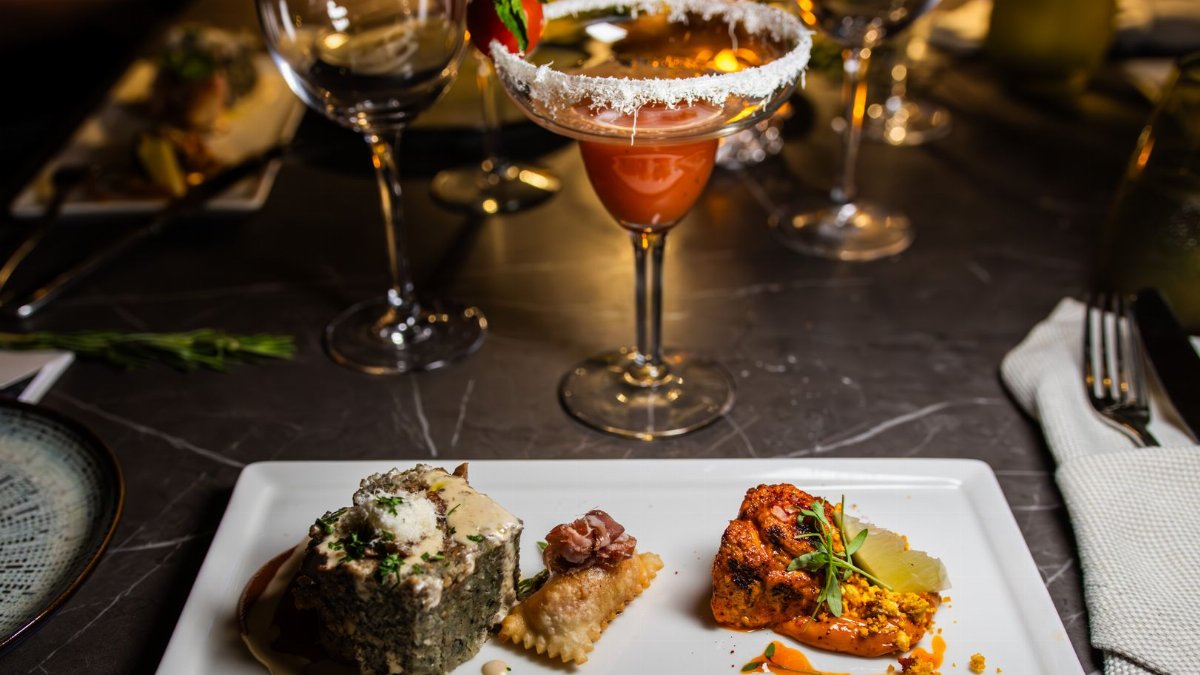
None of this requires the chicken to be a disappointment. A half bird at $14.95 can still be a smart order if the crust shatters, the meat stays juicy, and the sides earn their keep. Value is not the same thing as cheap. Plenty of Miami restaurants charge more for less and never inspired a citywide sigh, because nobody had built a life around their old price. The standard here is higher precisely because the old standard was so clear.
Diners who go back will be tasting with a new attention. They will notice whether the portion shrank along with the symbolism. They will notice whether the service still treats a chicken order as a full citizen of the dining room or as a lesser ticket. Those details decide whether the increase feels like a correction or a farewell. Food criticism sometimes overrates nostalgia and underrates the actual bite. In this case both matter, and they are now in open argument with each other.
The city beyond one menu line

Miami has spent years watching familiar prices detach from familiar places. Apartments, parking, coffee, and concert tickets have all taught residents the same lesson in different ink. A restaurant famous enough to be a landmark was never going to be immune. What stings is the loss of an exception. Exceptions are how people convince themselves that a city still has pockets of mercy.
There is a modest spiritual dimension to that, if the word can be used without incense. Shared tables are one of the last civic rituals many people keep. A weekly or monthly return to the same room, the same order, the same server who does not need to ask, is a way of saying the week has a center. When the order changes price, the ritual does not vanish. It asks to be renewed on purpose. Some people will renew it. Some will find another room and invent a new center there. Cities stay alive by allowing both choices.
How to read the new number
The honest reading is mixed. $14.95 for half a fried chicken in a landmark dining room is not a scandal, and it is not the deal it replaced. Anyone insisting it is still the steal of Miami is bargaining with memory. Anyone insisting the restaurant has betrayed its public is ignoring what it costs to keep a century old room staffed, stocked, and open on a barrier island. Both speeches are too clean for the plate in front of them.
What remains is a simpler test, the one that has always mattered more than folklore. Go, or do not. Order the chicken, or spend the money on the crabs you actually came for. If Joe’s Stone Crab chicken still tastes like the reason you crossed the county, the new price will settle into the story the way other increases have. If it tastes like a relic being billed at a souvenir rate, regulars will do what regulars eventually do. They will keep the memory and take their Tuesday somewhere else.