
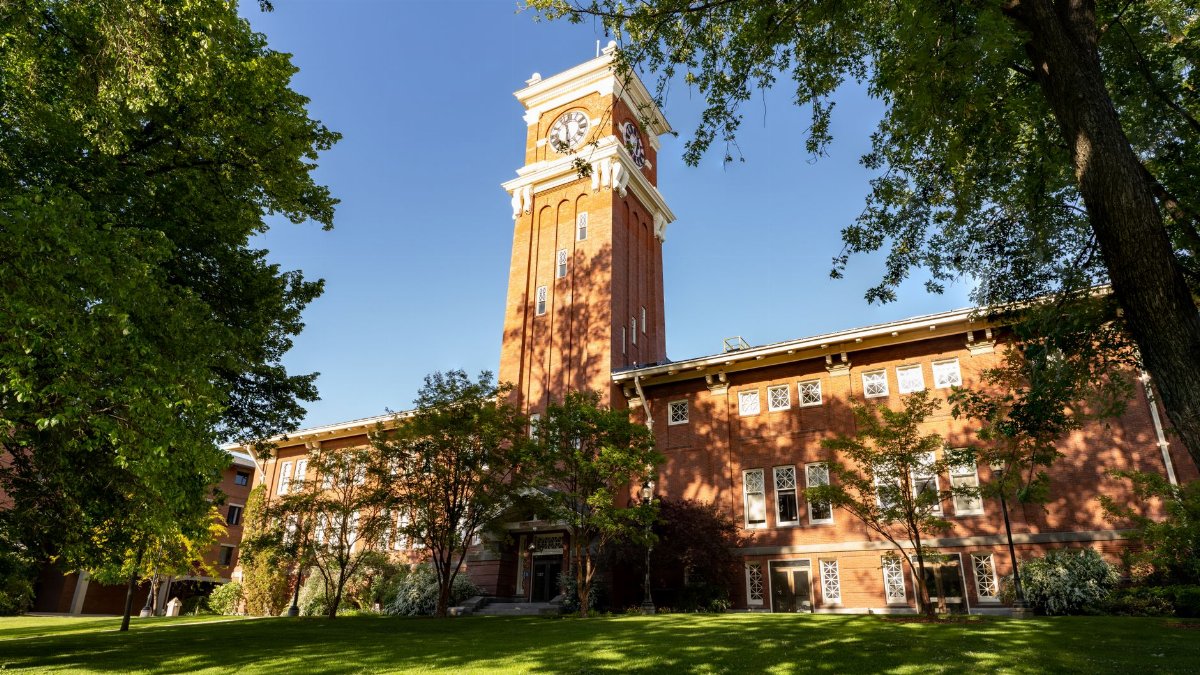
The first weeks of college are loud with choices. New students pick classes, find friends, and decide which rooms will feel like home. At Washington State University, one of those choices is about to move later on the calendar. Beginning in fall 2027, undergraduates will have to finish an initial semester before they may join a fraternity or sorority. The shift in WSU Greek life recruitment is simple to state and harder to live with, because it asks a campus tradition to wait until students have a clearer sense of the place they have entered.
What the university is changing

The rule is a deferred start, not a ban. Students may still seek membership in recognized Greek chapters. They simply cannot do so in the rush of arrival. A first semester of classes, residence hall life, and ordinary campus routine comes first. Only after that term is complete does formal recruitment open.
University leaders have framed the delay as a matter of readiness. The opening months of college are when academic habits form or fail. They are also when students are most eager to belong and least practiced at saying no. A later door into Greek organizations is meant to give that eagerness some time to cool into judgment.
The effective date, fall 2027, is not next week. Chapters, advisers, and incoming classes have a runway. That matters. Policies announced years ahead tend to land more softly than rules sprung on a recruitment weekend already printed on posters.
Why the first semester carries so much weight

Ask almost any graduate what the opening term felt like and the answer is rarely tidy. Schedules collide. Homesickness arrives without warning. A grade that would have been easy in high school suddenly is not. In that weather, a house full of older students offering meals, rides, and instant friendship can look like shelter.
Shelter is not always the same as safety. National reporting over many years has tied some Greek chapters, at many universities, to hazing, alcohol harm, and sexual misconduct. Not every chapter. Not every member. Still often enough that parents, insurers, and campus lawyers treat the risk as structural rather than anecdotal. Delaying entry does not erase those problems. It does change the moment when a brand new student is asked to prove loyalty to people met days earlier.
There is an academic argument beside the safety argument. Students who lock into a social calendar before they know their course load may protect the wrong priority. A semester of ordinary college, without a pledge schedule, is a chance to learn what a Tuesday night of reading actually costs.
Belonging without a house key

Greek life sells belonging, and belonging is not a small product. For students far from home, a chapter can be a dining table, a study group, and a set of older guides who already know which professor curves and which bus actually runs. Service projects, leadership posts, and alumni networks sit on top of that social core. Critics who describe the system only as parties miss why serious students still line up.
The new timing forces a different kind of belonging in the opening months. Residence halls, clubs, faith groups, intramurals, and academic cohorts will have the first claim on new students. Some of those communities are thinner than a chapter house. Some are kinder. The university is betting that a student who has already found two or three ordinary friends will enter recruitment with less desperation and more choice.
That bet is spiritual in the small sense of the word, not the doctrinal one. College is a season of asking what kind of person one is becoming. A pause before a lifelong affiliation, even a pause of one term, treats that question as real.
How recruitment itself may feel different

Formal WSU Greek life recruitment has long been a concentrated social sprint. Houses host events. Potential members rank preferences. Chapters extend bids. The choreography is public, exhausting, and, for many, joyful. Under a deferred model, that sprint still happens. It happens to students who have already walked the campus in winter rain and sat through a midterm they did not expect to fear.
Chapters will have to sell themselves to people who are no longer brand new. That is a harder audience and, in some ways, a fairer one. A student who has seen the campus without Greek letters on a sweatshirt can compare the promise of a house with the life already underway. Chapters that rely on mystery and speed may struggle. Chapters that can point to grades, service, and a clean conduct record may gain.
There is a practical cost. Spring recruitment, or whatever window the university sets after the first term, will compete with internships, jobs, and the simple fatigue of a year already in motion. Smaller interest in some years is a real possibility. So is a membership that sticks, because the students who still want in wanted it after they knew the alternative.
The argument from tradition

Alumni will say, with reason, that the old calendar built the friendships they still keep. Many met their closest people during the first week, not the second semester. A policy that treats that week as too early can sound like a dismissal of lives that turned out well. Universities hear this every time they touch Greek life, athletics, or any tradition with donors attached.
Tradition is not a veto. It is evidence that something worked for someone. The question for Pullman is whether the something that worked also produced harms the institution can no longer treat as private. When a university hosts recruitment, it is not a neutral landlord. It is a partner in the story families will tell if a student is hurt.
Deferred entry tries to split the difference. The houses remain. The letters remain. The first handshake waits. Whether alumni experience that as respect or as retreat will depend less on the press release than on whether chapters use the extra months to become easier to defend.
What students may lose and what they may keep

The loss is concrete. A first semester without a chapter means fewer built in dinners, fewer instant older mentors, and, for some, a lonelier fall. Students who chose Washington State partly for its Greek scene may feel the promise was edited after they signed. Transfer students and older newcomers will need clear rules so the policy does not punish people who are not, in any honest sense, brand new.
The keep is also concrete. Grades in the opening term are a strong signal of whether a student will stay enrolled. Time spent learning the library, the health clinic, and the difference between a hard class and a failing one is not wasted time. Friendship formed slowly can be sturdier than friendship formed in a single loud weekend.
None of this requires romanticizing independence. Some students will spend the first semester isolated in a room, and a chapter might have pulled them out. A good policy watches for that. Advising, residence life, and student groups have to be more than a slogan if the university is taking one doorway and asking others to carry the weight.
Conduct, hazing, and the limits of a calendar fix

A later start will not, by itself, end hazing. Harm has occurred in chapters full of juniors who knew exactly where they were. Age and a finished semester are not moral credentials. What a delay can do is remove the most disoriented students from the most intense weeks of courtship and testing.
Campuses that have tried similar delays often pair them with clearer conduct rules, earlier education on consent and alcohol, and faster removal of chapters that break the deal. Without that pairing, a calendar change is a gesture. With it, the change becomes part of a system that treats membership as a privilege the university can time, condition, and withdraw.
Students should hear the limit plainly. Waiting one term does not make a dangerous house safe. It makes a new student slightly harder to rush into a bad yes. The rest depends on reporting, on bystanders who are willing to be unpopular, and on administrators who will close a chapter when the evidence says to close it.
Families reading the fine print

Parents of traditional age freshmen will be the first audience for this rule, even if students are the ones who live it. Many families like Greek life for the structure and fear it for the headlines. A required first semester gives those families a sentence they can repeat: not yet. That sentence is useful in August, when every organization on the mall is handing out a flyer and every hesitation feels like social failure.
Families should also ask ordinary questions that a policy cannot answer. Who advises the chapter. What the housing costs. How grades are checked. What happens if a student wants to leave. Those questions matter more in month five than in hour five, which is part of the point of waiting.
Cost deserves a plain mention. Chapter dues and house bills are real money. A student who has already built a budget around a residence hall is less likely to treat a bid as a free identity and more likely to treat it as a bill. That is not cynicism. It is adulthood arriving on schedule.
A wider habit in higher education

Washington State is not inventing the idea of a pause. Other universities have moved recruitment off the first days of school after injuries, lawsuits, or simple fatigue with a system that seemed to consume the opening of the year. The details differ. Some bar first term membership. Some limit alcohol at recruitment events. Some rebuild the whole relationship between the campus and the national organizations that own the letters.
The common thread is institutional nerves. Greek life remains popular, photogenic, and tied to alumni giving. It is also a recurring source of crisis communication. Deferred recruitment is one of the few reforms that does not require a university to pick a side in the loud fight over whether the system should exist. It says the system may exist, and it may not have the newest students on day one.
That middle path will satisfy almost no one completely. Abolitionists will call it timid. Traditionalists will call it meddling. The students in the middle, who want friends and also want to graduate, are the ones the rule is written for.
What chapters can do with the waiting months

The years before fall 2027 are not empty. Chapters can use them to tighten standards that recruitment weekends tend to blur. Academic support that is real, not a posted GPA requirement no one checks. Event plans that do not depend on intoxication. Alumni advisers who are present, not ceremonial. New member education that teaches the history of the organization without humiliating the people asked to carry it.
National organizations will have a say, because many chapters answer to headquarters as well as to the campus. Alignment takes time, which is another reason a 2027 date is more serious than a sudden ban. If headquarters and the university spend the interval arguing about calendars instead of conduct, students will inherit the argument.
Recruitment staff, student leaders, and faculty advisers might also talk honestly about who has been left out. Greek life at many campuses still sorts by race, wealth, and social confidence even when the bylaws do not. A later process will not fix that sorting. It might make the sorting more visible, because students will have other communities to compare it with.
The campus conversation still ahead

A policy headline is not an implementation plan. Students will want to know whether the first semester rule applies equally to fraternities and sororities, how transfer students are treated, and what informal recruitment looks like if formal events are banned in the fall. Informal courting has a way of filling any gap a university leaves. If the only change is the date on a poster, the culture will route around it.
Faculty will watch grades. Student affairs staff will watch conduct reports. Chapter presidents will watch numbers. Those three dashboards do not always agree, and the university will have to say in advance which one matters most when they conflict. A reform that survives only while membership stays high is not a reform. It is a mood.
Public communication should stay plain. New students do not need a thicket of exceptions on day one. They need a date, a reason, and a map of other ways to meet people before that date arrives. Clarity is a form of care.
Life in Pullman after the pause
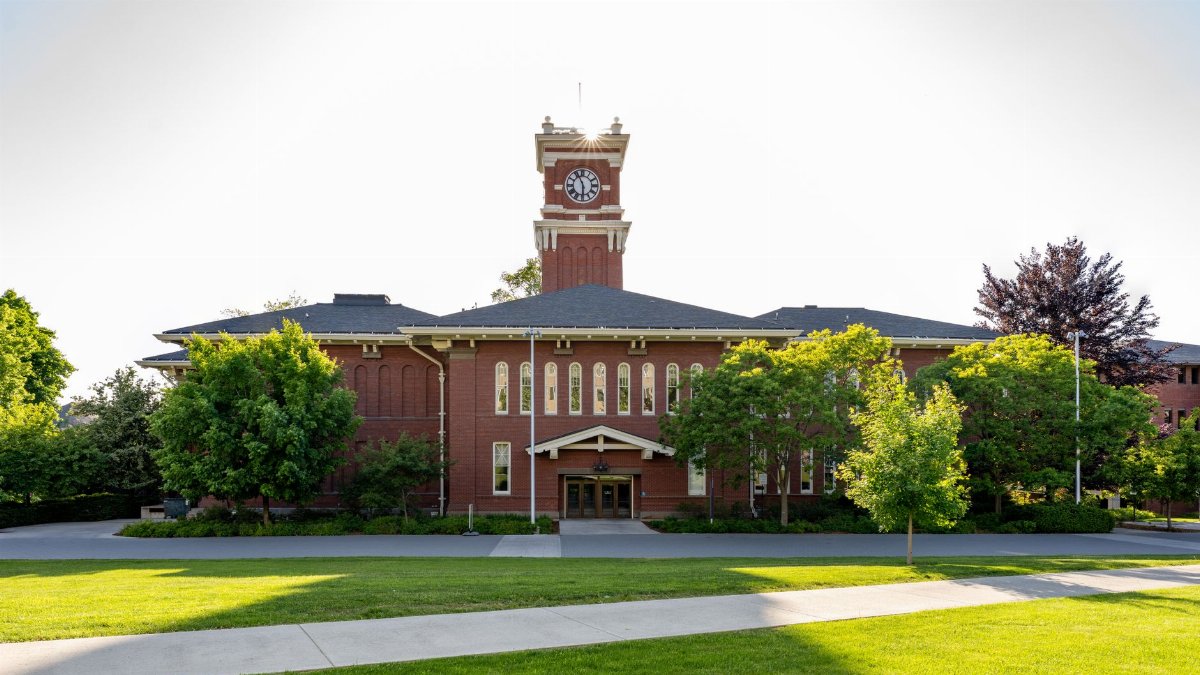
Walk the campus in imagination a few autumns from now. Move in day still smells like cardboard and carpet cleaner. Students still tape photos to cinder block walls. The difference is that the loudest social invitation of the first week is no longer a bid. It might be a club fair, a hall program, a worship service, a team practice, or a quiet dinner with people from the same floor. Greek houses are still there, down streets that generations of Cougars can name. Their doors open later.
Some students will resent the wait and say so, correctly, as a loss of freedom. Others will be grateful that nobody demanded a life decision while they were still learning where to buy groceries. Both reactions can be true in the same class. The measure of WSU Greek life recruitment under the new rule will not be whether everyone is pleased. It will be whether the students who eventually join do so with open eyes, and whether the students who never join were not left alone while they waited.
A university cannot schedule wisdom. It can schedule a little time. In this case the time is one semester, long enough to fail a quiz, make a friend, and learn the weather. After that, the old question returns, only slightly older: whose house, if any, will you call yours.