
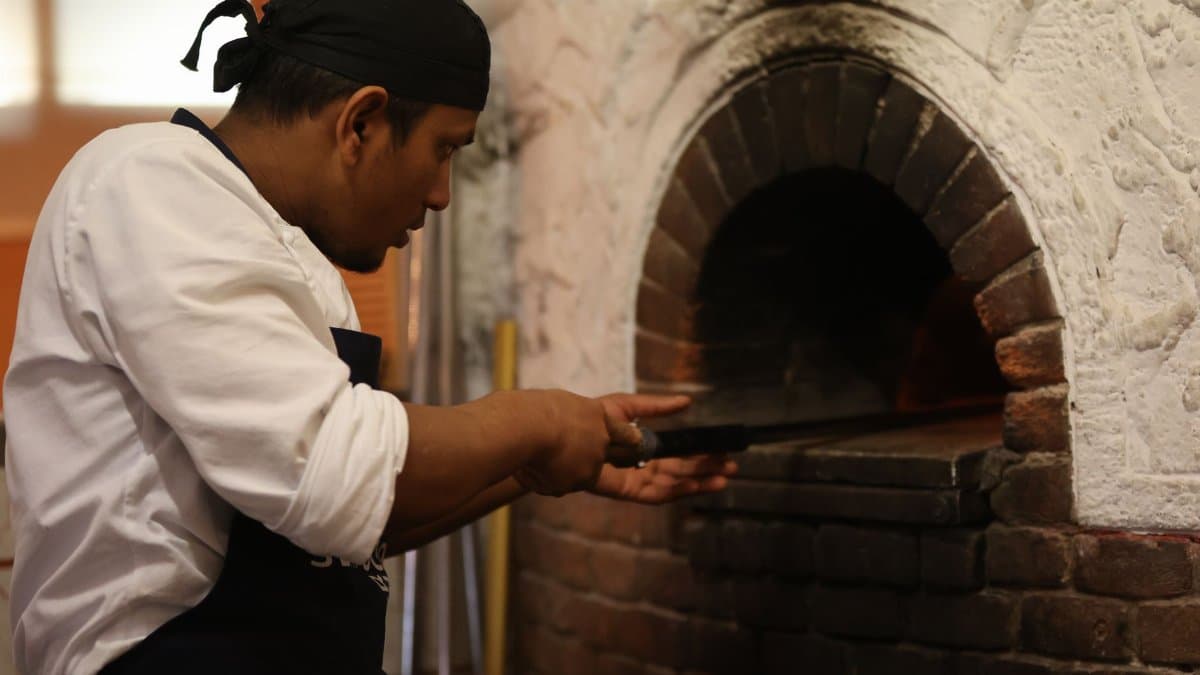
On a wet weeknight in Seattle, the kind of evening when the sidewalk shines and nobody lingers without a reason, a small dining room can still feel like the center of a neighborhood. Regulars know which table catches the draft, which server remembers a preference, and how long the crust needs before it leaves the oven with the right blister. That kind of knowledge does not appear on a menu. It lives in repetition. The Seattle pizzeria closure now underway is not only a business ending. It is the transfer of a room, a set of recipes, and a set of habits to an industry professional who has been given the keys.
What customers actually lose

A closing is easy to reduce to a social media post and a final reservation rush. The deeper loss is quieter. People lose a place where the meal is predictable in the best sense, where the pizza tastes like last month and last year, and where the staff can read a table without a speech. In a city that moves quickly, that steadiness is a form of care. I have sat in rooms like this and understood, only on the way out, that the evening had done more than feed me. It had put the day back in order.
When such a room goes dark, the recipes may survive and the address may stay the same. The particular social weather of the place does not automatically transfer. Customers mourn that weather as much as any signature pie.
Keys, recipes, and the meaning of a handoff
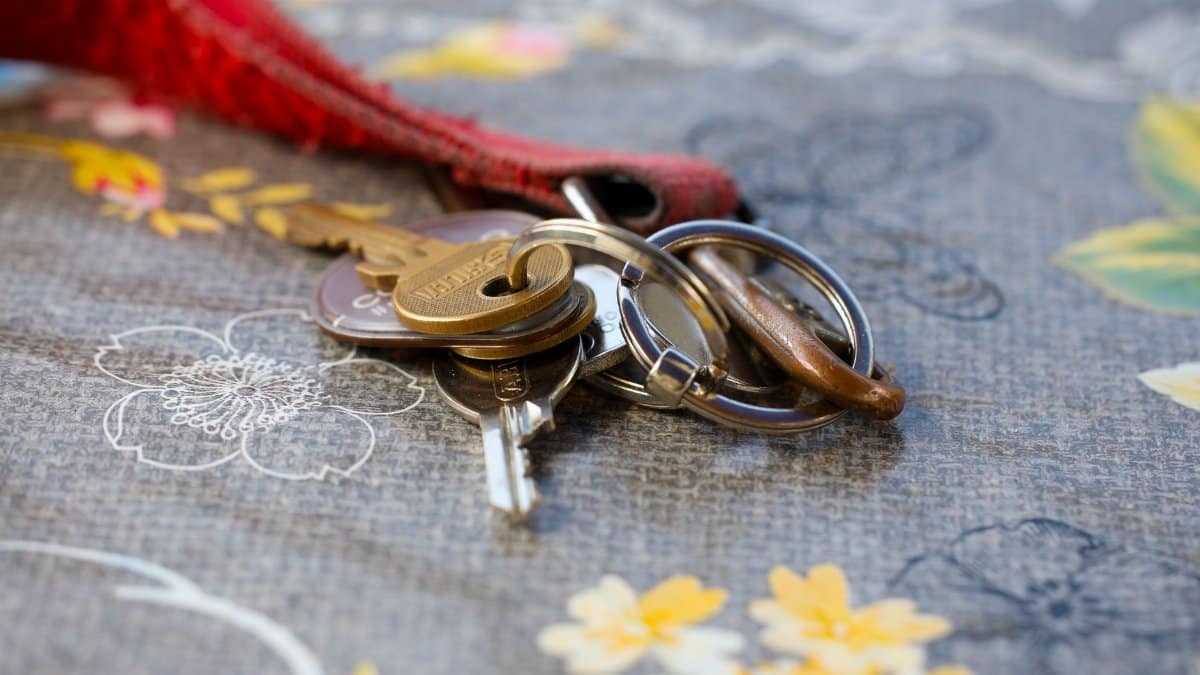
The unusual part of this story is succession rather than disappearance. An industry professional is taking the keys and the recipes. That is a different ending from a padlock and a liquidation sale. It suggests that someone with trained hands believes the food is worth continuing, not as a museum piece, but as a working kitchen.
Recipes are more than ratios. A dough formula on paper cannot fully capture fermentation time on a cold Monday, the feel of a ball that has gone too far, or the judgment required when the oven runs hot. A professional who inherits those notes still has to earn the right to use them. Continuity is a practice, not a document.
Why pizza carries so much memory

Pizza is ordinary food, which is precisely why it holds memory so well. It is what people order when they are celebrating nothing in particular. Birthdays happen over it, but so do Tuesdays. Children grow up knowing the shape of a certain box. Adults mark the end of a hard week with a slice and a glass and the relief of not having to cook.
Spiritual language can sound inflated around something as plain as dough and cheese. Yet a shared table has always been one of the simplest ways people mark belonging. In that modest sense, a neighborhood pizzeria is a chapel without a creed. The ritual is showing up, waiting, eating, and leaving a little less scattered than you arrived.
The economics beneath the romance

Affection does not pay rent. Independent restaurants operate on thin margins, long hours, and a labor market that has grown more expensive and more honest about what the work costs. Flour, cheese, insurance, utilities, and wages all move. A beloved room can be full on Friday and still struggle to make the month work.
Readers sometimes treat a closing as a moral verdict on the city, or on the owner, or on the customers who did not come often enough. The math is usually less dramatic and more grinding. A handoff to a professional can be a practical answer to that math. Someone with operating experience may see a path that the original stewards no longer want, or can no longer sustain.
What a professional brings to an inherited room

An outsider with industry training arrives with advantages and risks. The advantages are systems: ordering, scheduling, costing, and the discipline to change a dish that no longer earns its place. The risks are tone deafness. A room built over years has a voice. Customers can tell when a new operator is performing nostalgia instead of cooking with attention.
The best version of this transition treats the recipes as a starting score, not a costume. Keep what is essential. Explain what must change. Do not pretend that a new crew can reproduce every gesture of the old one on opening week. Trust, like dough, needs time.
Seattle and the fragile map of small rooms
Seattle has no shortage of ambitious restaurants, and it has a deep bench of pizza makers who take fermentation and heat seriously. It also has neighborhoods where one or two small rooms do the quiet work of giving a block its evening life. When one of those rooms changes hands, the map of where people feel known shifts by a few blocks.
The Seattle pizzeria closure belongs to that local map, even if the food itself travels well in reputation. A pie can be famous and still matter most to the people who can walk to it. Distance changes the meaning. A destination is a treat. A neighborhood table is a habit. Habits are what make a city feel inhabited rather than merely visited.
How to read a last service
Last services are emotional, sometimes excessively so. The food can suffer under the weight of goodbye. Staff are tired. Guests want a speech, a photo, a guarantee that nothing loved will be altered. A clearer reading is available. Gratitude does not require the room to freeze. It requires attention while the room is still alive, and a little humility about what the next chapter can honestly promise.
If the professional now holding the keys cooks with respect for the dough and respect for the people who kept the lights on, the closing is not a pure loss. It is a relay. Relays fail when the baton is grabbed for show. They succeed when both runners care more about the distance than about the applause.
A standard for the next chapter
Customers can help without turning into critics on opening night. Give the new team a few services before declaring the soul missing. Notice whether the crust is treated as a craft or as a costume. Notice whether the staff are rushed into a performance of the old place or allowed to become competent in the new one. Notice, too, whether prices and portions tell the truth about what it costs to run the room in this city.
Owners and successors can meet a matching standard. Say plainly what will stay. Say plainly what will not. Publish nothing that treats a dead menu as a living promise. The recipes deserve better than myth, and the neighborhood deserves better than a theme.
Ordinary grace, held in a box
There is a temptation, in writing about food, to inflate every closing into a parable. Resist that, and something truer remains. A good pizzeria offers ordinary grace: heat, salt, company, and the sense that someone back there is paying attention. When that attention is handed to a professional along with the keys, the story is not finished.
The Seattle pizzeria closure will be judged later, by whether the pies still taste like care and whether the room still knows its regulars. Until then, the honest response is neither pure mourning nor easy optimism. It is watchfulness. Go while the old ritual is still intact if you can. Then give the next hands a fair chance to learn the oven, the dough, and the particular patience of that corner of the city.