
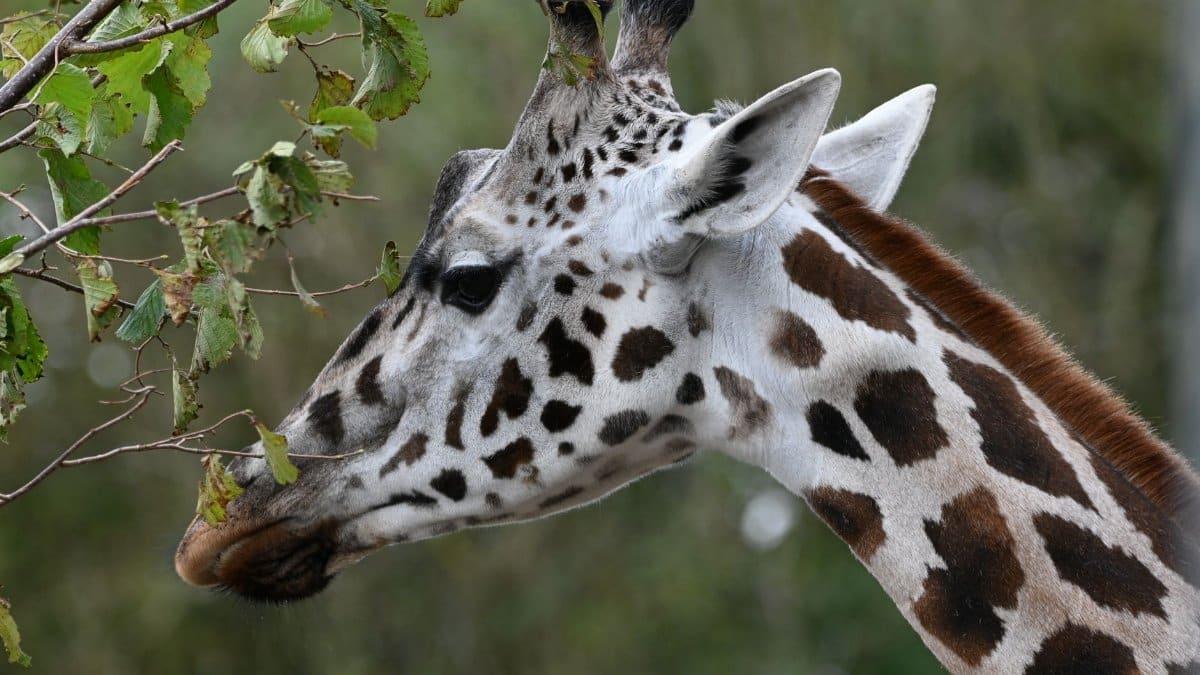
On certain mornings in St. Paul the cold turns every breath into a small flag, and people who would not recognize one another on a bus still share a landmark. They have stood at the same rail, waited for a neck to angle down, and taught a child how to look without tapping the glass. Word that Skeeter giraffe Como Zoo keepers and veterinarians had euthanized the animal at 17, after months of declining health, did not read like a distant wildlife dispatch. It read like a subtraction from the city’s weekly map, the kind of loss that is routine inside a zoo and, for many families, not routine at all.
What the public account establishes

The facts, as reported by the Star Tribune and echoed by the zoo, are plain. Skeeter was 17. His health had been failing for months. Staff chose euthanasia rather than prolong a decline they judged they could not reverse with comfort or dignity. That is the whole official story in its shortest form, and it is enough to explain the notices, the photographs people posted from old visits, and the quiet spike in questions at the gate.
What the public account does not do is invent a villain or a miracle. It does not claim a single dramatic injury that a headline can carry. Months of decline usually means a stack of smaller failures: appetite, joints, feet, the effort of standing on legs built for a different horizon. Readers hungry for a medical novel will not get one. The restraint is part of the news.
A name that belonged to more than a sign

Skeeter was not a mascot in the commercial sense, yet he functioned as one. Children learned his name before they learned the word reticulated or the geography of the Horn of Africa. Adults used him as a meeting point. Meet by the giraffe. You cannot miss him. In a city of neighborhoods that do not always overlap, a tall animal is a rare piece of shared furniture.
That familiarity is easy to mock and harder to replace. A zoo animal seen across years becomes a clock. Visitors measure their own children against the last visit. The animal does not know this. The city does. When the clock stops, people feel the missing tick even if they cannot say why a giraffe should matter on a workday.
Why height becomes a kind of presence

Giraffes occupy a strange place in public affection. They are not companion animals and not quite myth, though their proportions flirt with myth. The eye is high. The tongue is improbable. The walk looks deliberate, as if each step had been agreed upon in advance. In a compact urban zoo, that height turns a paddock into a vertical room. You do not glance at a giraffe the way you glance at a sign. You adjust your neck. Attention becomes physical.
Spiritual traditions have long treated attention as a moral act, whether they call it prayer, mindfulness, or simply the refusal to rush past another life. A giraffe forces the refusal. You stop. You look up. For some visitors that pause is entertainment. For others it is the closest thing to a weekday liturgy they will get.
The veterinary judgment nobody wants to narrate
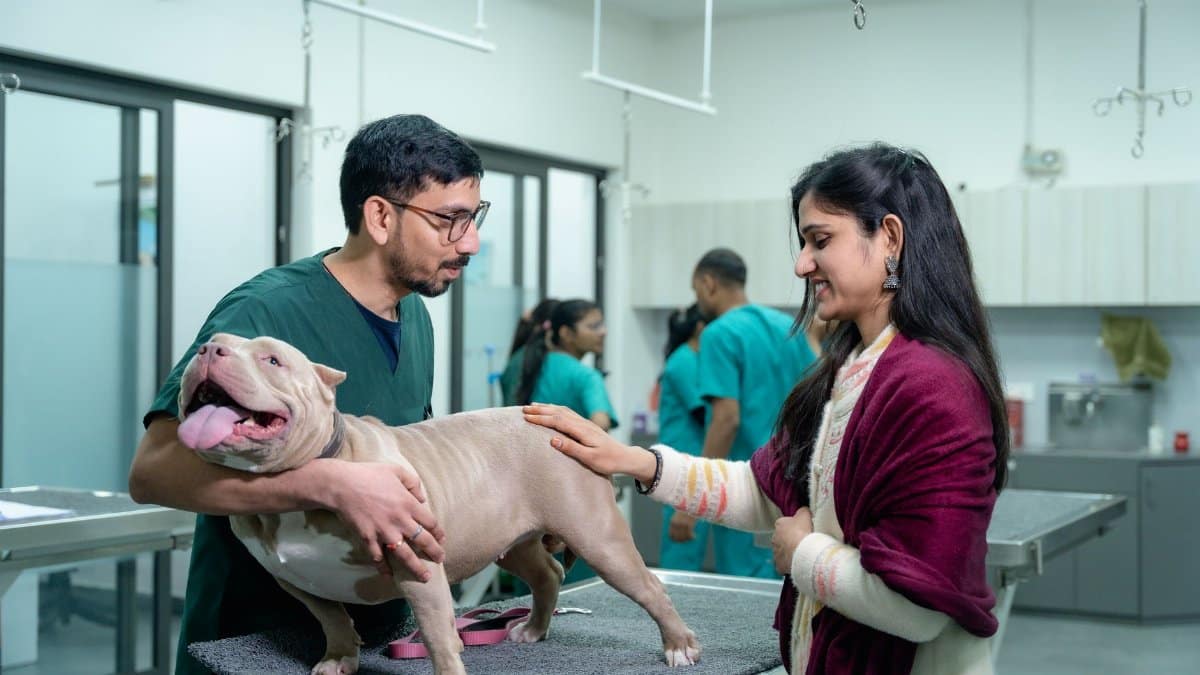
Euthanasia in a zoo is a professional decision dressed in public emotion. Keepers know the animal’s ordinary day. Veterinarians know what pain looks like when the patient cannot describe it. Together they weigh mobility, appetite, infection, and the chance that another week will be a kinder week rather than a longer one. Outsiders often want a brighter binary: save or surrender. The work is grayer.
There is no honest way to make that gray comforting. Mercy can still feel like a door closing. Families who have sat with a dying dog recognize the shape of the choice and also know that recognition does not erase the ache. A public institution must explain enough to be trusted and not so much that a medical chart becomes spectacle. Como Zoo’s brief account sits in that narrow space.
How institutions speak when an animal dies
Modern zoos have learned, sometimes awkwardly, that silence reads as indifference and that excess reads as marketing. The better statements name the animal, name the age, name the decision, and thank the people who did the unphotogenic work. They avoid triumph. They avoid the language of a product launch. When Skeeter giraffe Como Zoo communications met the public, the tone that traveled farthest was not triumphant conservation copy. It was obituary.
That shift matters. For decades many zoos spoke of collections, specimens, and breeding recommendations, all of which remain real. Visitors hear a different grammar. They hear a life with a name. The tension between those grammars is not a scandal. It is the condition of keeping wild animals where school groups can see them.
Grief that does not have a pew
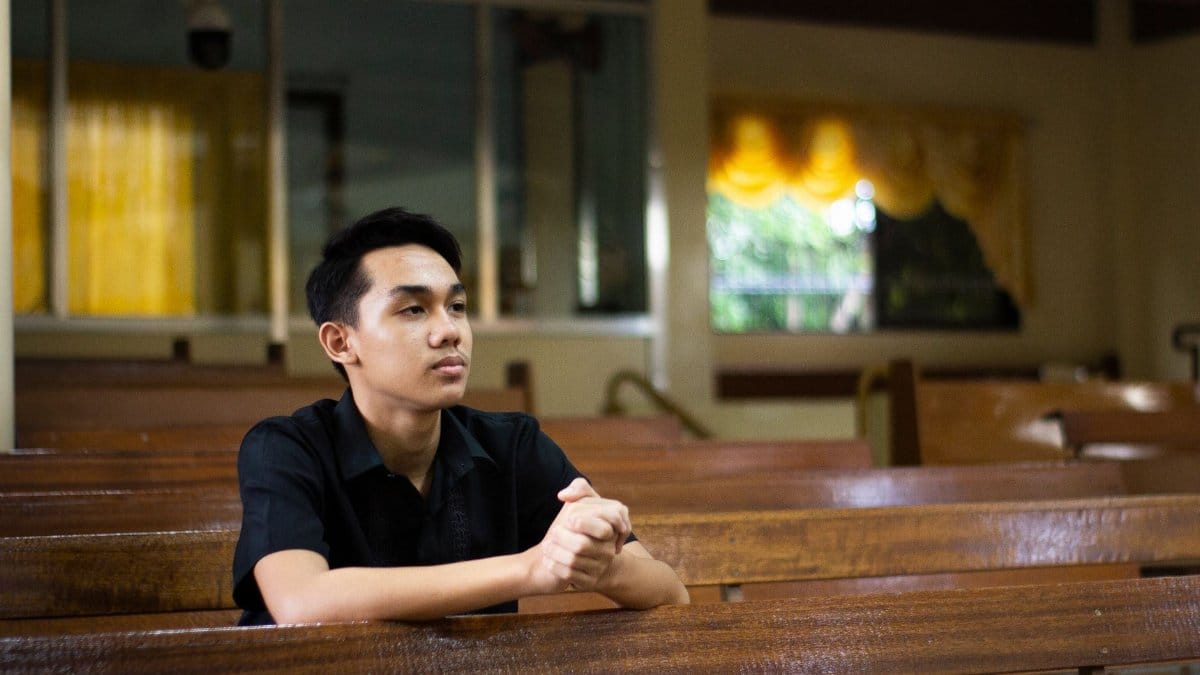
Animal death sits in an uneasy corner of American spiritual life. Some congregations offer blessings of the animals and then go quiet when the animal is gone. Some families invent rites because the inherited ones do not quite fit: a drawing taped to a refrigerator, a detour on the way home from work, a story told at dinner in the voice people use for relatives. None of this requires a doctrine about animal souls. It requires only the admission that attachment is not a category error.
Clergy who work near hospitals sometimes say that unexplained sadness is still sadness. A giraffe is an odd occasion for that lesson, which is why it sticks. People who would never describe themselves as mourners find they are mourning. The embarrassment fades. What remains is a small civic tenderness, easy to sneer at and useful to keep.
Children and the first public ending

For a certain age, the zoo is where death becomes discussable without arriving at the kitchen table as a crisis. A parent can say that Skeeter was old in giraffe years, that his body hurt, that the people who knew him chose not to stretch the hurt out. The sentences are simple. The follow up questions are not. Did he know? Will the others notice? Where did he go?
Honest answers stay inside what adults actually know. Keepers can describe herd behavior better than metaphysics. Parents can admit uncertainty without turning it into a lecture. The value is not a tidy theology. The value is practice: a child watches an adult tell the truth without decoration and without cruelty. That practice will be needed again, in rooms that have nothing to do with zoos.
The herd and the space he left
Giraffes are social in ways visitors only partly see. They stand in loose association, shift with weather, negotiate space with necks that double as signals. When one animal is removed, the paddock does not become a symbol. It becomes a different room. Staff watch the others for appetite, for restlessness, for the ordinary adjustments that never make a headline. The public wants a story of mourning among animals. The staff want a stable group.
Both impulses can be true without collapsing into each other. Anthropomorphism is a risk. So is the opposite error, the pretense that only humans register absence. A careful zoo lets observation outrun fantasy. It also lets visitors feel what they feel without being scolded for having feelings in the first place.
Charm, conservation, and the limit of a beloved face

A popular giraffe raises money, attention, and the willingness to hear a harder paragraph about habitat loss. That is not a small thing. It is also not the same thing as saving a species. Wild giraffe numbers have faced pressure from habitat fragmentation, poaching, and civil conflict across parts of their range. A single animal in Minnesota cannot carry that history on his spine, and it is a kind of disrespect to pretend he did.
The spiritual temptation is to turn Skeeter into a pure emblem, either of innocence or of captivity’s guilt. Emblems are efficient. They are also thin. A better use of attention is specific: support for field work, honesty about what zoos can and cannot do, and a refusal to spend the whole feeling on a slogan. Affection can fund seriousness. It cannot replace it.
Ritual without a required creed

Cities improvise memorials now with a speed that would have startled an earlier generation. A social media post, a bouquet that security will have to remove, a child’s letter that a keeper may or may not have time to read. These gestures are easy to call thin. They are also how a secular public practices reverence when no single sanctuary is in charge.
Some visitors will want a moment of quiet at the fence and will find only a new informational panel. Disappointment is part of institutional life. The zoo cannot stage grief for every regular. What it can do is leave room: accurate words, a photograph that is not cute to the point of falsity, and staff who do not flinch when someone says they are sorry. That is a modest liturgy. It is enough.
What people still come looking for

Como Zoo will keep drawing the same mix it always has: field trips, first dates, grandparents with strollers, people killing an hour before a shift. The giraffe yard will not be empty of meaning because one giraffe is gone. Other animals will inherit the cameras. New children will learn new names. The conservatory next door will go on smelling like wet leaves in January, which is its own small mercy.
Still, names linger past their enclosures. Someone will say Skeeter giraffe Como Zoo in a car on the way to a soccer game, not as a keyword and not as a eulogy, just as a place marker in a family story. That is how civic memory actually works. It is local, slightly inaccurate, and stubborn.
A standard for the next hard announcement
Zoos will face this announcement again, with other species and other ages. The public standard worth keeping is not softness for its own sake. It is precision plus respect. Say what happened. Say what you do not know. Do not borrow the animal for a campaign in the same paragraph in which you report his death. Let employees grieve without turning them into content.
Readers, for their part, can hold two ideas without splitting them into teams. Captivity is a compromise with costs. Care inside that compromise can still be real. Skeeter’s death does not settle the argument about zoos. It settles a smaller and more human question: whether a city can notice when a familiar life ends, and whether it can notice without lying.
The long look up
There is a habit worth keeping from those visits, even if the visits now belong to the past tense. You arrive distracted. You locate the tall shape. You wait, because giraffes do not perform on a cue. In the waiting, the day thins out. Errands recede. You are briefly a person who can be still in public.
That stillness is not salvation and not a substitute for the harder work of tending actual neighbors. It is practice. A 17 year old giraffe gave a great many people in St. Paul an excuse to practice it. The excuse is gone. The capacity does not have to be. If the news of his euthanasia does anything durable, it may be this: a reminder that attention was never owed to us by the animal, and that we were better on the days we gave it anyway.