
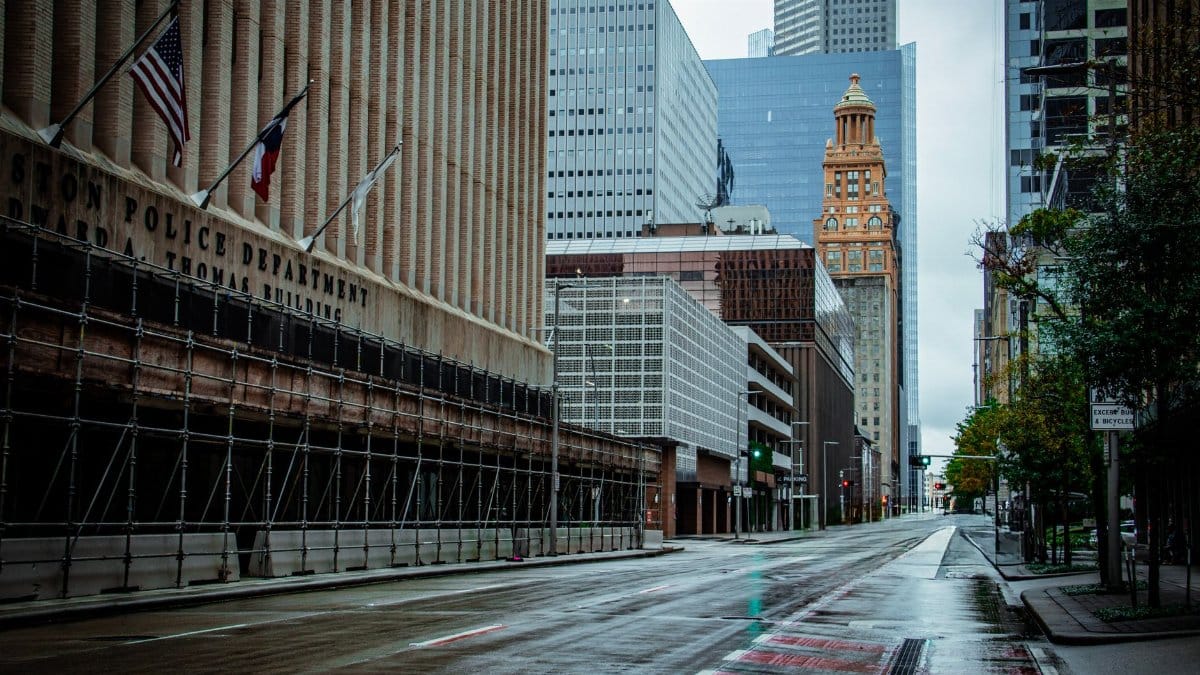
On a late October morning in Houston, the air can feel like a held breath. Lawns fade from deep green to a tired olive. Dust lifts off construction sites along the freeways. For weeks the city has lived inside what residents have started calling Houston dry October rain, a phrase that sounds like a contradiction until you stand outside and notice how little the sky has given. The month is closing as one of the driest in local memory, with only 1.5 inches measured at Bush Airport, and now the forecast finally bends toward showers just as early voting and Halloween ask people to leave their houses.
A month that withheld its usual rhythm
Houston is built on the expectation of water. Afternoon clouds pile up, a brief downpour rattles the gutters, and the streets shine for an hour before the heat returns. October often softens that pattern. Fronts slide in from the north, humidity drops, and the city gets a few weeks that feel almost like autumn. This year the softening went further than comfort. Day after day the radar stayed quiet. Sprinklers clicked on in neighborhoods that usually rely on the sky. The absence was not dramatic in the way a hurricane is dramatic. It was cumulative, the kind of weather people notice when the car stays clean and the bayou looks lower than it should.
What Bush Airport actually measured
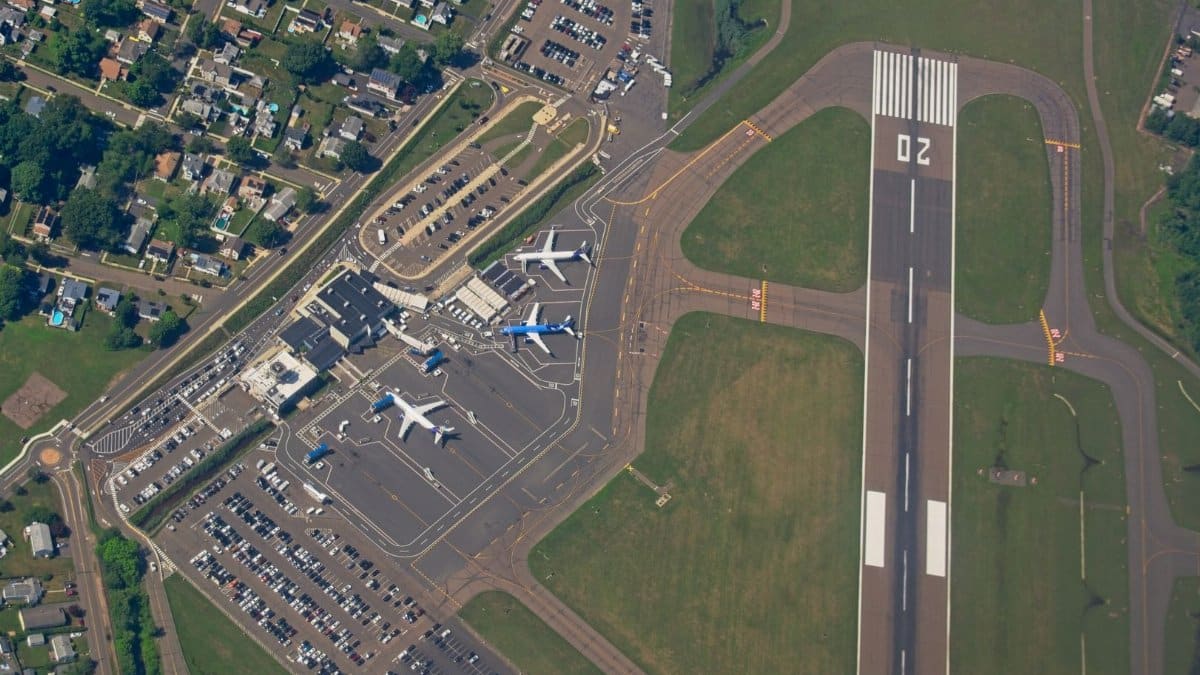
The figure that anchors the month is plain: 1.5 inches at Bush Airport. For a Gulf Coast city, that is a thin total for October. Official climate books, kept by the National Weather Service and compared by local forecasters, show that Houston usually receives several times that amount before the calendar turns. A single stalled thunderstorm can drop more than an inch on one side of town and leave another side dry, which is why one gauge never tells the whole story. Even so, reports from across Harris County and the surrounding suburbs described the same broad deficit. Yards cracked at the edges. Retention ponds drew down. The phrase Houston dry October rain began to circulate less as poetry than as a shorthand for a month that refused its reputation.
Gardens, trees, and the slow cost of waiting
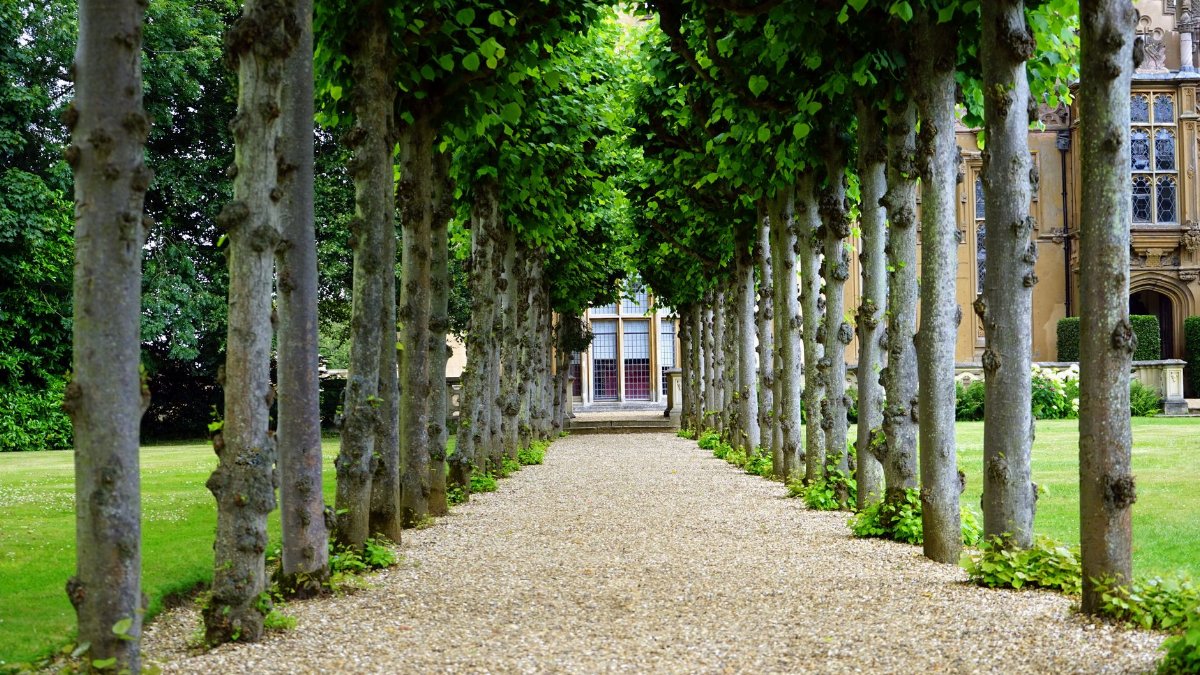
A dry October does not look like a desert. Live oaks keep their leaves. St. Augustine grass holds a memory of green. The stress shows in smaller ways. Newly planted trees, still shallow rooted after a wet spring or a hurried summer install, droop by midafternoon. Vegetable beds that thrived in September need hand watering that many gardeners did not budget for. Arborists tend to worry less about one dry month than about the combination of heat residual in the soil and a sudden return of heavy rain on compacted ground. Roots that have not been asked to reach for moisture can sit near the surface. When the first real soaking arrives, some of that water runs off instead of sinking in. The recovery is real, but it is not instant.
Bayous that stayed unusually calm
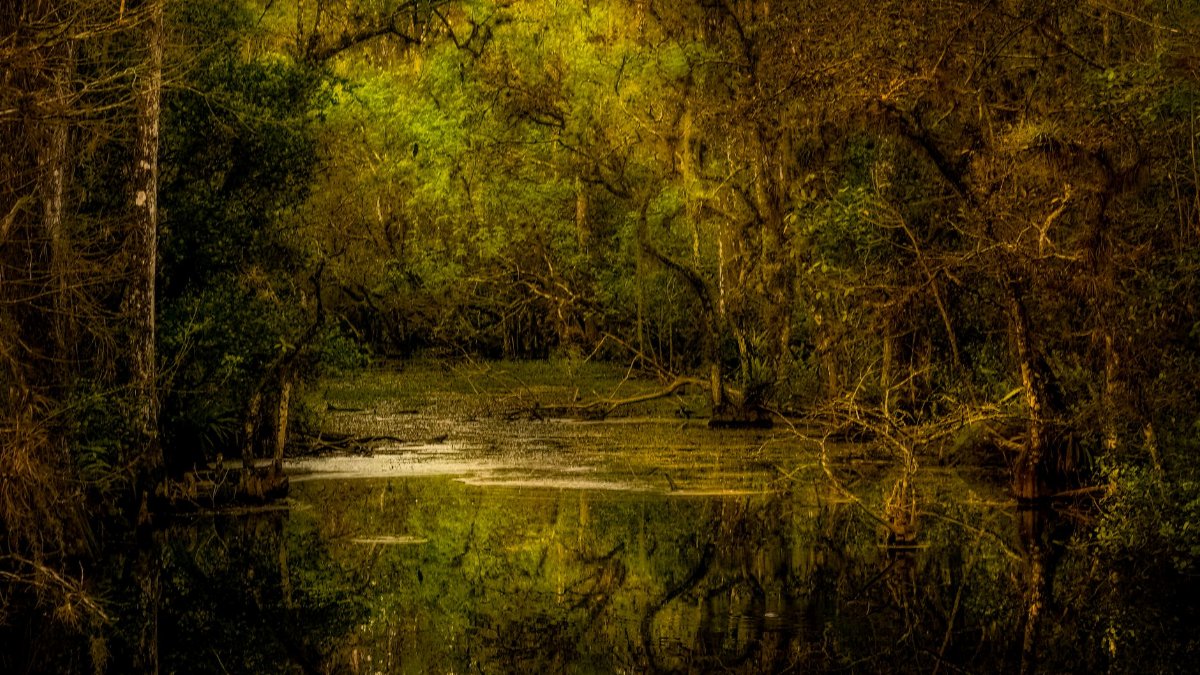
Houston measures civic health partly by its bayous. Buffalo, Brays, White Oak, and the smaller channels that thread through neighborhoods are flood infrastructure as much as landscape. In a dry October they become something else: a visible record of what did not fall. Joggers notice exposed banks. Rowers on a few wider stretches comment on the color of the water, clearer when runoff has not stirred the bottom. None of this erases flood risk. A city engineered around intense rain can swing from deficit to overload in a single night. The calm is a pause, not a promise. It does, however, give maintenance crews a window. Debris that would usually be pushed downstream sits where it can be cleared. That unglamorous work matters more than most forecast graphics admit.
The weather pattern behind the quiet

Forecasters described a stubborn ridge of high pressure parked over the region for long stretches of the month. High pressure encourages sinking air, and sinking air discourages the towering clouds that produce Houston rain. Moisture from the Gulf of Mexico was often present in the lower atmosphere, which is why mornings could still feel thick, but the lift needed to turn that moisture into widespread showers was missing. A dry line of thinking follows from that setup. When the ridge finally weakens or a front digs far enough south, the same Gulf moisture can flip the script quickly. That is the hinge the city is approaching now: not a guarantee of a soaking, but the end of a pattern that made rain unusually hard to get.
Early voting lines and a changeable sky
The timing is awkward in a civic sense. Early voting asks people to stand outside, walk a few blocks from a parking lot, or wait under a canopy that may or may not be there. A month of Houston dry October rain, meaning almost none, trained voters to leave the umbrella in the trunk. A returning chance of showers asks them to reconsider. Election workers know this drill. They tape down cords, shift signage away from low spots, and watch the hourly forecast the way a coach watches a clock. Rain does not decide an election. It does change who finds the trip easy. Parents between school pickup and a shift, older residents who prefer not to navigate a wet parking lot, and anyone relying on a bus stop without shelter feel a light shower more than a dry statistic suggests.
Halloween when the month finally breaks
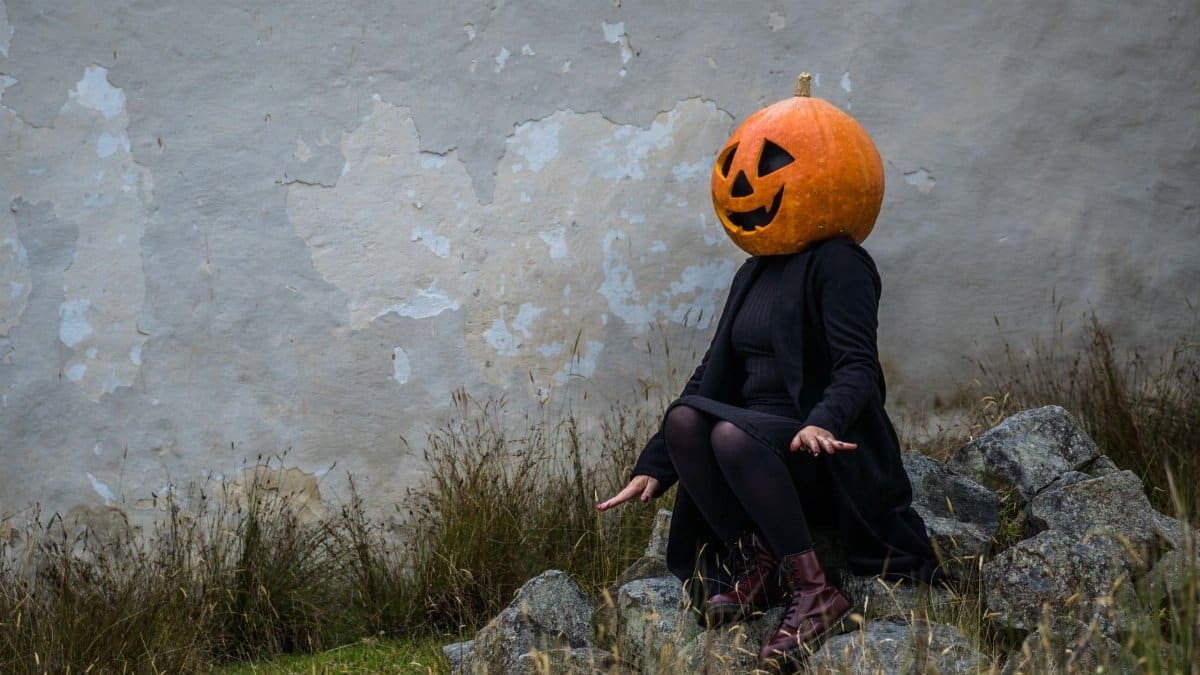
Halloween in Houston is usually a negotiation with heat more than with cold. Costumes are chosen for breathability. Porch lights come on while the air is still warm. This year the negotiation includes rain that has been absent and may now arrive in pieces. A shower at dusk can empty a block for twenty minutes and then return the children in slightly damp capes. Parents trading notes in group chats tend to split into two camps: those grateful for cooler air if a front arrives with the clouds, and those calculating how a wet sidewalk changes the route. The holiday will not be canceled by a modest rain. It will be edited. Bowls of candy move closer to the door. Extension cords for inflatable decorations get checked twice. The city that spent October waiting for water may spend one evening hoping it waits a little longer.
Faith communities reading a dry month
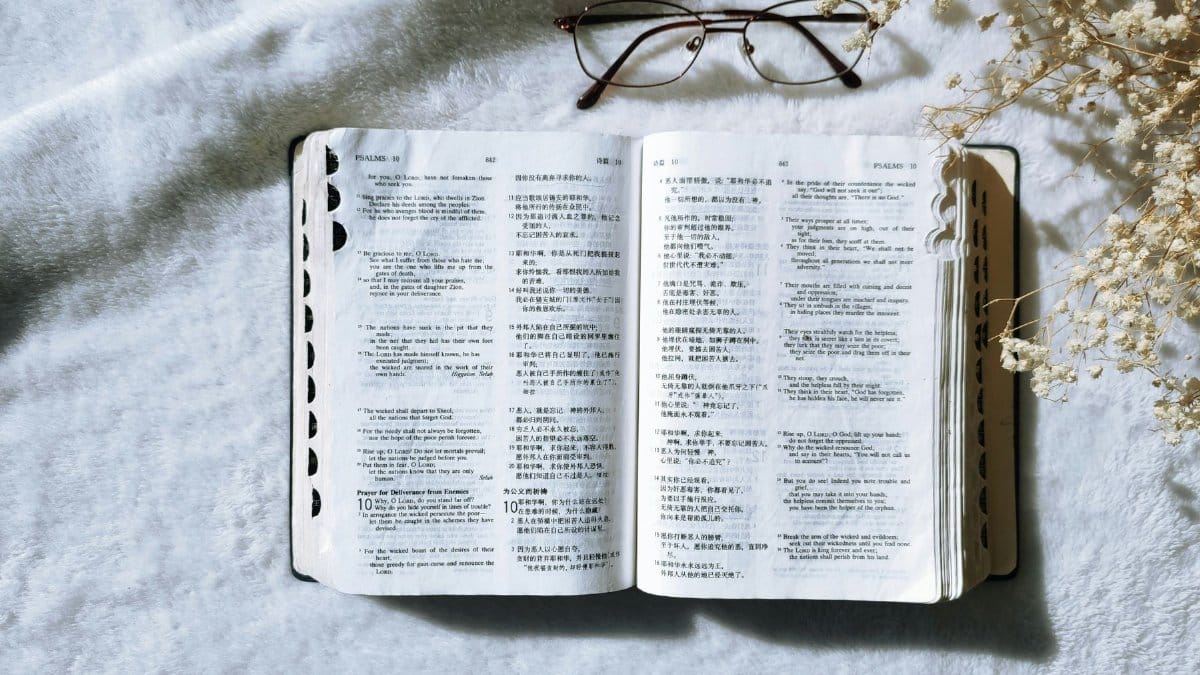
In a season when many congregations mark harvest, gratitude, and remembrance, a rainless October has entered sermons, Friday reflections, and temple newsletters without much theatrical language. Pastors in east side churches have mentioned farmers and gardeners alongside the usual prayers for the sick. Imams have framed water as a trust, not a trophy. Rabbis preparing for conversations about creation have found an easy local example in a sky that withheld and a forecast that may relent. None of this requires a claim that weather is a message addressed to Houston. It does show how spiritual communities metabolize the ordinary. A dry month becomes a prompt for restraint: shorter showers at home, shared hoses on a block, attention to neighbors whose cooling depends on window units and whose walks to services get harder when heat lingers. The return of showers, if it comes gently, will be received by many of those same communities as relief rather than spectacle.
What the first showers can and cannot repair

The first meaningful rain after a deficit is easy to romanticize and easy to overread. A half inch will darken the soil, settle the dust on Bellaire and Tidwell alike, and make the city smell like wet concrete and oak leaves. It will not refill aquifers. It will not undo weeks of extra irrigation on commercial landscapes. It will not guarantee that the next front behaves. Meteorologists tend to separate the emotional forecast from the hydrological one. People want the sound on the roof. Water managers want multi day totals, slow rates, and a pattern that repeats. Both desires are reasonable. They are not the same desire. If showers arrive in time for early voting and Halloween, they will change the feel of those days. The deeper repair of a dry October will depend on what November does after the headlines move on.
How residents have been coping without fanfare

The coping has been local and mostly unphotographed. Apartment complexes posted notices about watering hours. Youth sports leagues shifted practice earlier, less because of rainouts than because fields turned hard and afternoons stayed warm. Car washes did brisk business until owners joked that the city was doing their rinsing for them by doing nothing. Libraries and community centers, already busy in election season, became accidental shelters from a dryness people did not usually need shelter from, a place to sit out the late day heat. These are small adaptations. They matter because Houston rarely gets to practice moderation with water. The city knows flood, surge, and the grammar of evacuation. A quiet deficit asks for a different grammar: patience, shared hoses, and a willingness to notice the tree at the curb before it fails.
Memory, trend, and the temptation to overclaim

It is tempting to fold one dry October into a single story about a changing climate, and tempting in the other direction to call it a fluke. Responsible reporting sits between those poles. The Gulf Coast is getting warmer on average, and warmer air can hold more moisture, which often means heavier rain when storms do form. That same warming does not hand every month a flood. Variability remains the lived experience. A ridge can still lock in. A front can still miss. What this October adds to the public record is a data point and a set of memories: the clean cars, the low bayous, the 1.5 inches at Bush Airport, the late turn toward showers. Future autumns will be compared with it. They should be compared with the full archive, not with a single vivid month.
A city between dust and the next cloud
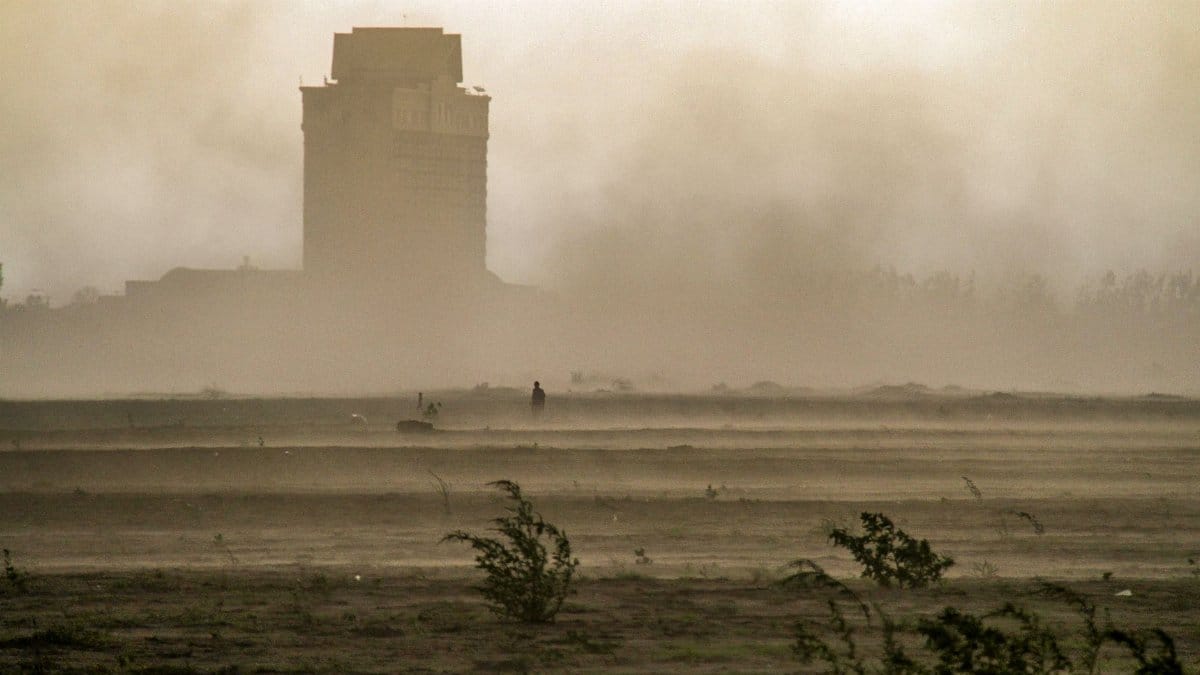
As the month ends, Houston is neither in crisis nor in comfort. The dry stretch exposed how much daily life assumes a certain quota of rain, from the sheen on the lawns to the casual decision to skip an umbrella. The showers now in the forecast will test a different assumption, that the city can absorb a change in the sky without much rearrangement. Early voting will proceed in whatever weather arrives. Halloween will be loud on some blocks and paused on others. Faith communities will keep the dry weeks in their prayers a little longer than the forecast apps will. Somewhere in that overlap sits the odd, accurate weather of this season, Houston dry October rain giving way, at last, to the ordinary possibility of a wet street.