
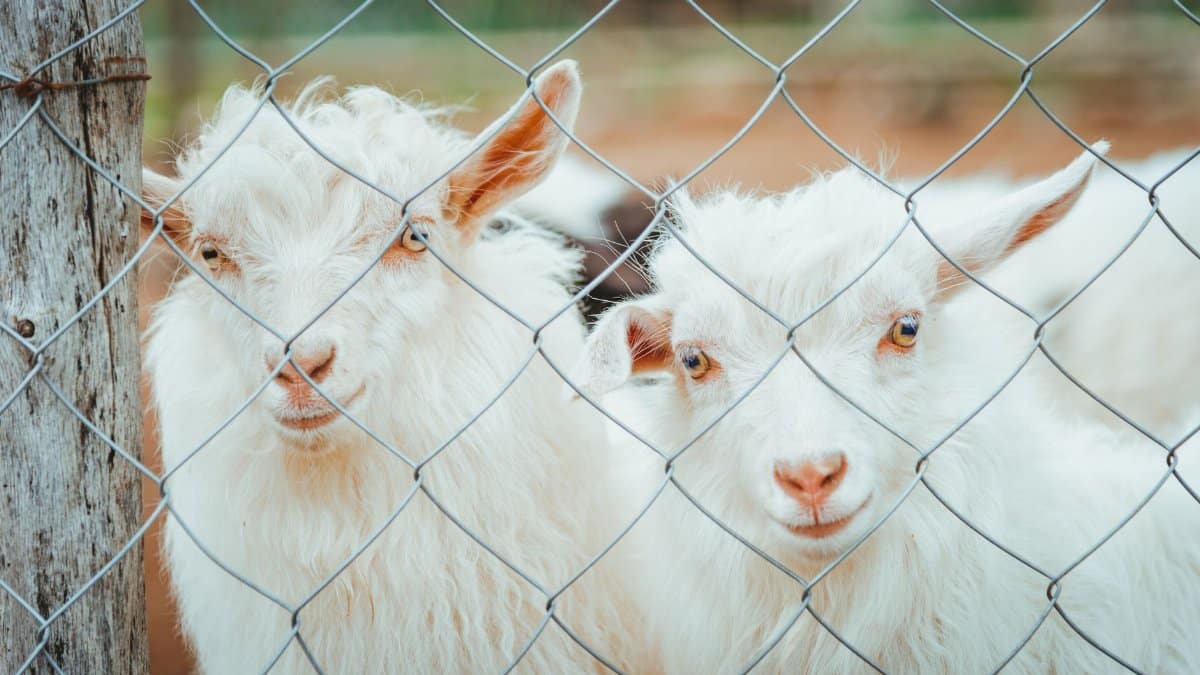
The line at the animal barn moved the way it always does when a child decides a goat matters more than any ride. Parents lifted toddlers. Hands met wool, then a rail, then a paper cone of food. A few days later, clinicians across North Texas began comparing notes that did not feel routine. State Fair E. coli is the working name for a Dallas County inquiry into about nine possible infections that may be tied to the petting zoo at the State Fair of Texas. Officials have not called it a confirmed outbreak, and they have not said the animals are a proven source. They have said the pattern is close enough to demand a careful look.
What the county is actually examining

Dallas County health staff are gathering case histories, asking where people ate, what they touched, and which days they walked the fairgrounds. A possible case is not the same thing as a confirmed one. Some reports begin with a clinic visit and a suspicion. Others wait on a laboratory result that can take days. Investigators want dates, ages, and whether anyone else in the household became ill. That slow assembly of facts is how a cluster either hardens into a source or falls apart.
The Dallas Morning News has reported that the inquiry reaches beyond a single city, which matters because the fair draws families from across the region. A child who petted an animal on a Saturday may not see a doctor until the following week, and that doctor may practice in a different county. Public health work is often a matter of stitching those separate stories into one timeline.
A cluster is not yet a verdict

It is tempting to treat nine illnesses and a famous fair as a finished story. It is not. People get E. coli from undercooked meat, unpasteurized drinks, contaminated produce, and household spread after one person falls ill. A petting zoo is a plausible setting, not an automatic culprit. County officials are right to say possibly linked rather than caused by. That caution protects both the public and the people who run the barns.
Still, caution is not the same as delay. If several patients share an exposure that most other residents do not share, epidemiologists treat that overlap as a lead. The lead can be wrong. It can also be the only early warning families get.
Why a petting zoo draws the first questions
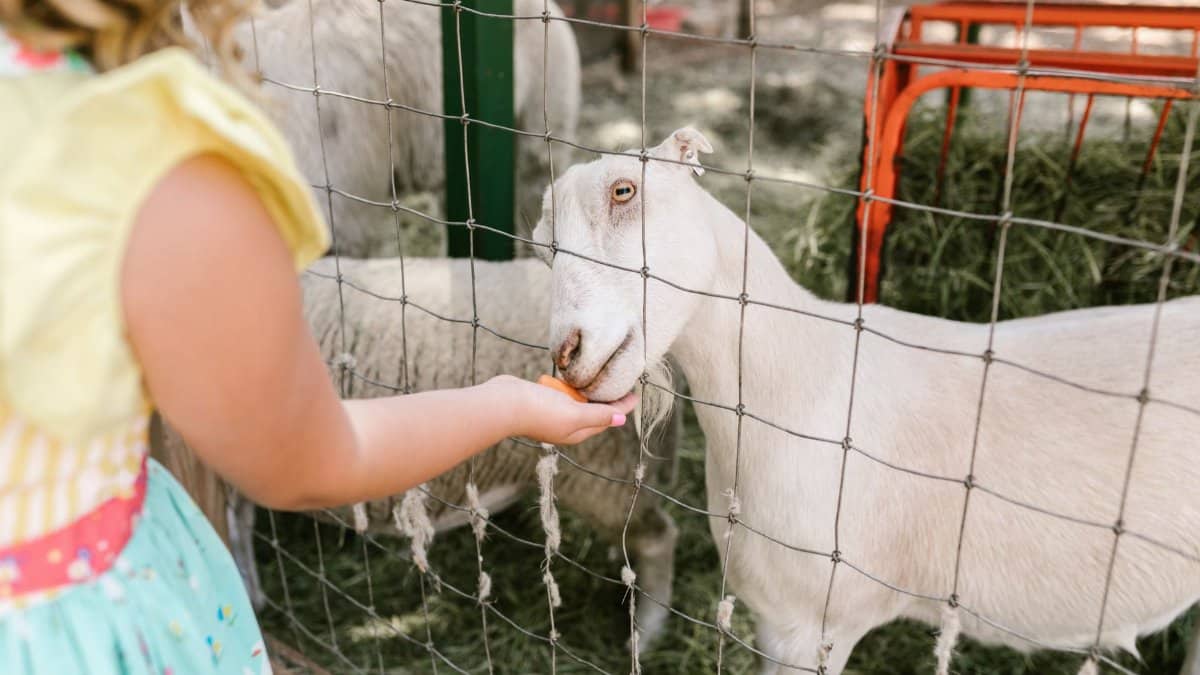
Animal contact is joyful and, in public health terms, messy. Cattle, sheep, and goats can carry E. coli that does not make them look sick. The germ leaves the body in feces. It does not need a visible mess to travel. A rail, a fence board, a shared feed cup, or a hand that goes from an animal to a mouth can be enough. Children are especially likely to forget the sequence, because the point of the visit, for them, is touch.
The Centers for Disease Control and Prevention explains how this bacterium causes illness and why some strains are more dangerous than the kind that merely upset a stomach. The agency overview is at https://www.cdc.gov/ecoli/about/index.html. Fair operators know this science. So do pediatricians. The gap is usually not ignorance. It is the difficulty of keeping thousands of excited hands clean in a place built for spectacle.
The germ behind the headlines

E. coli is a large family. Many strains live in the gut without drama. The strains that worry investigators produce Shiga toxin. Those infections can begin as cramps and diarrhea, sometimes bloody, and in a smaller share of patients progress to a kidney complication known as hemolytic uremic syndrome. Most people recover. A minority do not recover quickly, and a few need hospital care.
That range is why a headline can sound larger than the case count. Nine possible illnesses will not fill an emergency department. One severe case in a toddler will fill a family with fear. Public reporting has to hold both truths at once: the numbers are still small, and the organism is not trivial.
Who carries more of the risk
Young children, older adults, and people with weakened immune systems face higher odds of serious disease. Toddlers also do the things that spread germs: they crouch near bedding, they put fingers in their mouths, they resist the sink. Parents at a fair are tired, carrying bags, negotiating snacks. The hand washing station can feel optional until it is not.
Pregnancy adds another layer of caution, not because every exposure is dangerous, but because dehydration and fever are harder to dismiss. None of this means families should treat a county fair as a hazard zone. It means the people least able to shrug off a stomach illness deserve the strictest habits around animals.
Symptoms that should not wait
Diarrhea that becomes bloody, pain that keeps a child from standing straight, urine that slows to almost nothing, unusual pallor, or confusion are reasons to seek care the same day. So is illness in an infant. Doctors may ask about the fair even if the family has already forgotten the petting zoo, because the question is part of the history, not an accusation.
Antibiotics and antidiarrheal drugs are not automatic answers for toxin producing E. coli, and a clinician should make that call. Home remedies and guesswork can waste the hours that matter. If a household has one sick child, others should not share towels or food from the same plate until the illness is understood.
Food, rails, and other paths

A fair is a dense food environment. Grills, lemonade stands, and shared condiment pumps sit a short walk from livestock. Investigators will ask about burgers and unpasteurized products because those are classic routes. They will also ask about the zoo because animal contact is a classic route of a different kind. Ruling one out does not require ignoring the other.
Surfaces matter as much as meals. A stroller handle wiped on a sleeve, a sippy cup set on a bench, a napkin used after feeding a goat: each is ordinary. Each can move bacteria from a barn to a kitchen table at home. Secondary spread inside families is a known pattern, which is why one fair visit can produce illnesses that begin on different days.
How a timeline gets built

Health departments work backward from the first symptom. Incubation for these infections is often a few days, sometimes longer. If onset clusters after particular fair dates, those dates become the focus. Laboratory fingerprints, when they exist, can show whether separate patients carry the same strain. Without that match, geography and memory have to carry more of the argument, and memory is imperfect.
Parents may not recall which barn they entered. Children may insist they washed when they only rinsed. Vendors may have logs; animal areas may have staffing notes. The investigation is less a single revelation than a stack of small records. State Fair E. coli remains, for now, a hypothesis with a proper name and an unfinished file.
What fair managers can control
Design beats scolding. Exits that route visitors so the exit leads directly to sinks, with soap and running water rather than a lone bottle of sanitizer, reduce risk more than a sign that says please wash. Separate areas for eating and for animals matter. So does keeping strollers out of pens, staffing the exit so children actually stop, and cleaning rails on a schedule that matches crowd size, not hope.
Animals that look healthy can still shed the germ, so visual inspection is not a substitute for layout and hygiene. Temporary fencing that keeps faces out of bedding helps. Handouts at the gate help less than a sink that is impossible to miss. None of these steps proves the current cases came from the zoo. They are the steps that make the next fair safer whether or not this inquiry confirms a link.
Hand washing that is more than a gesture
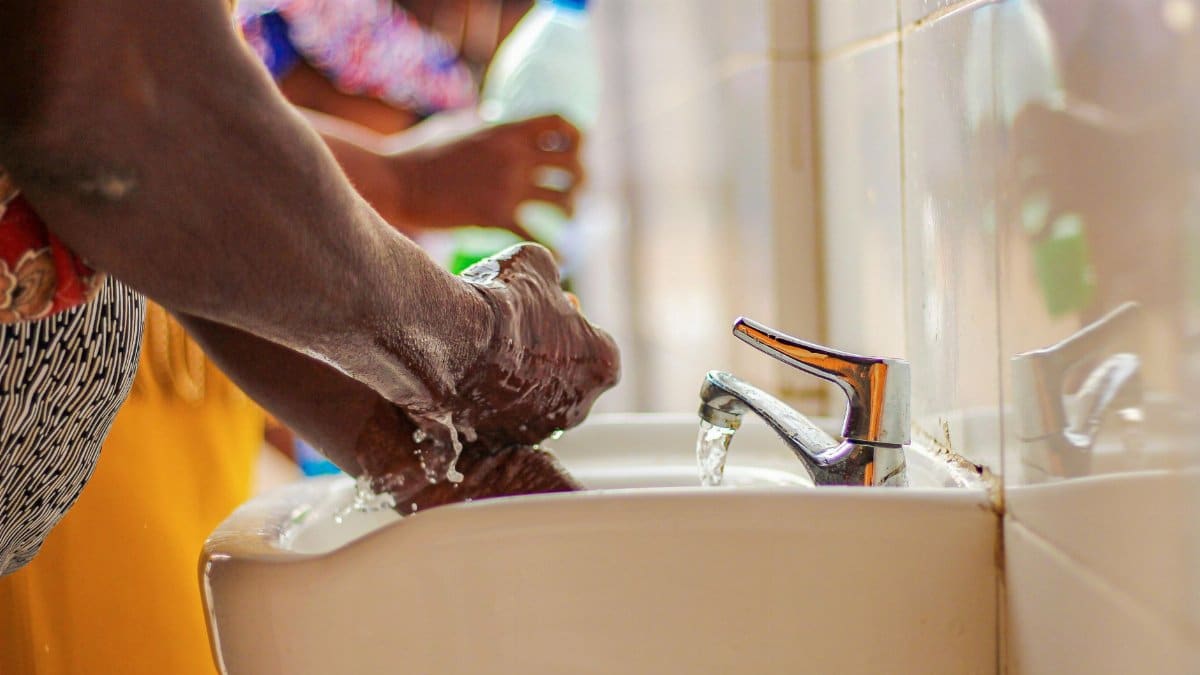
Sanitizer is useful when soap and water are gone. It is a weak substitute after animal contact, because some germs shrug off alcohol and dirt on the hands blocks it. The effective version is dull: wet hands, soap, a full scrub of palms, backs, nails, and wrists, then a real rinse, then a dry with a clean towel. Do it before eating, not only before leaving the parking lot.
Fair goers can carry a small habit that does not depend on signage. Eat away from the barns. Do not share bites with a child who has just left the pen. Keep pacifiers in a sealed bag. These are not dramatic measures. They are the measures that match how the bacterium actually moves.
Earlier fairs and a repeating lesson
Agricultural fairs in several states have faced similar inquiries over the years, often after petting areas or livestock shows. The lesson is not that fairs are reckless. The lesson is that the combination of ruminant animals, children, and food is a known pressure point. Each investigation adds a local chapter to a national pattern the Centers for Disease Control and Prevention has described for years in its E. coli materials at https://www.cdc.gov/ecoli/about/index.html.
Communities sometimes swing from alarm to amnesia once the laboratory reports slow down. The more useful response is procedural: sinks, traffic flow, staff at the exit, and a public message that does not shame families for wanting to see a lamb. Wonder and hygiene can share the same afternoon.
What families can do while answers are pending
Anyone who visited the petting zoo and now has significant diarrhea should call a clinician and mention the fair. Anyone who is well does not need a test for reassurance alone. Testing every healthy visitor would clog labs and would not change the advice, which is to watch for symptoms and to keep hands clean at home.
Schools and day cares can help by treating a bloody diarrheal illness as a reason to stay home until a doctor clears the return, not as a stomach bug to push through. That single policy limits secondary cases more than a social media post ever will. State Fair E. coli, as a phrase, should point people toward clinics and sinks, not toward rumor.
The limits of what officials can say today

Early briefings are unsatisfying because they are honest. A county can confirm that it is investigating. It often cannot yet name a barn, a day, or a food item. Premature certainty creates its own harm: vendors blamed without evidence, families who ignore a real exposure because the first theory was wrong, and trust that thins the next time a health department asks the public to pay attention.
Readers should expect updates as cultures finish and interviews accumulate. They should also expect some cases to drop out of the count if tests come back negative or if another exposure fits better. A shrinking number is not a cover up. It is the method working.
A public ritual under closer watch

The State Fair of Texas is a civic habit as much as an event. People plan the day around food, livestock, and the small theater of children meeting animals larger than their courage. An inquiry into State Fair E. coli does not erase that ritual. It asks whether the ritual has kept up with what medicine already knows about feces, fingers, and food.
I have stood in those lines, waiting while a child negotiated with a goat, and I have treated the sink as optional. That private carelessness is common, which is why layout and staffing have to carry part of the burden individuals will forget. The county investigation will eventually say more about these nine possible cases. The fair, and the families who love it, do not have to wait for the final paragraph to wash their hands as if the answer were already yes.