
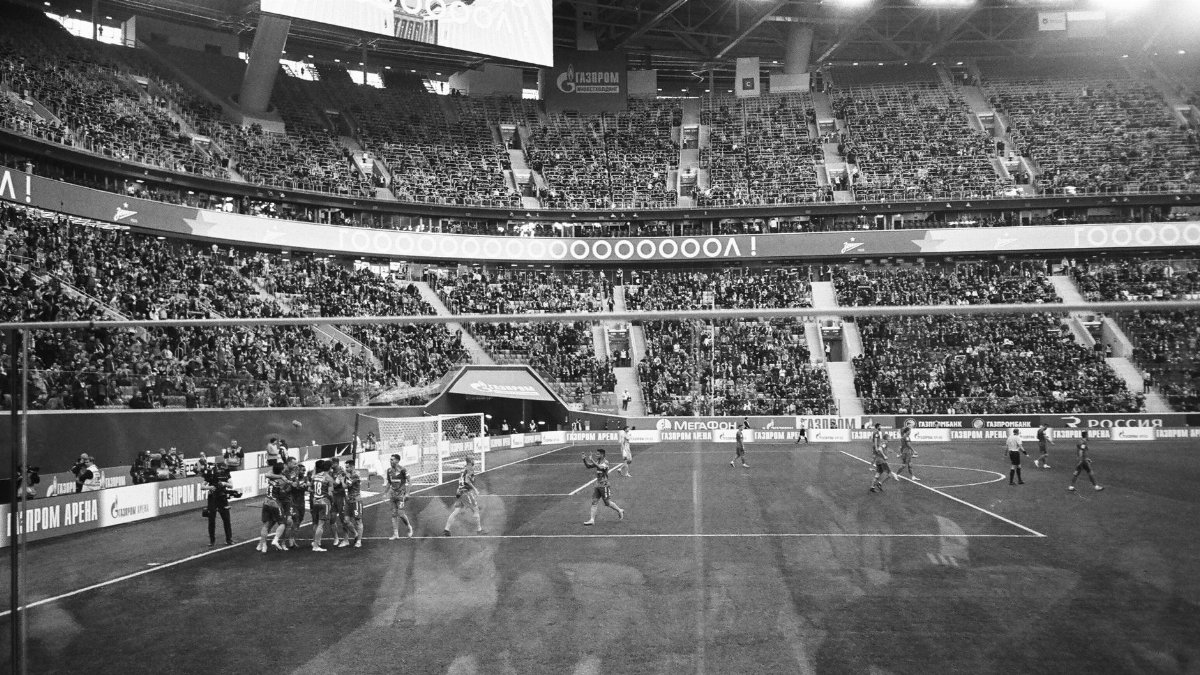
On a wet evening in the Pacific Northwest, a result that once might have passed as ordinary carried the weight of a long absence. Houston had been finding points at home often enough to stay in the conversation, yet the road had become a place where promising nights thinned out and the ride back to the airport felt longer than the flight. That is why the Dynamo Seattle road win landed with more force than a single update in the standings. For a club still trying to look like a steady contender, an away victory in a building that does not yield easily is a receipt. It does not rewrite a season by itself. It does tell players, coaches, and the people who follow from Texas that a story of patience can still end in something other than another shrug.
A drought that started to feel like weather

Seventeen games is not a footnote. In a league that plays through heat, travel, and midweek congestion, a road drought of that length becomes part of the furniture. Supporters stop asking whether the next trip will break it and start asking how the team will manage the damage. Coaches talk about process because process is the only language that does not collapse after the final whistle. Players insist the performances are closer than the results. Sometimes that is true. Sometimes it is a way to stay employable in their own minds.
The Houston Chronicle framed the night in Seattle as the end of that seventeen game road drought, a first road victory in that city after a long run of away struggles. The phrasing matters. A drought is not only a lack of wins. It is a climate. It shapes how a team defends a one goal lead, how a referee decision is received, how a substitute enters with eight minutes left. Ending it does not erase the climate overnight. It proves the climate can change.
Why Seattle has never been a casual assignment

Seattle has spent years building a home that feels less like a neutral workplace and more like a standing argument. The crowd is loud, the pitch can be slick, and the Sounders have a habit of making visitors solve problems in a hurry. Travel from Houston is not the worst trip in the league, but it is still a full day of airports, a time change, and a stadium that does not offer guests much comfort. Road games are decided as much by small concessions as by grand plans. A missed clearance. A tired press. A cross that hangs a half second too long.
None of that makes a win mystical. It makes a win expensive. Teams that collect points in Seattle usually do something unfashionable for long stretches. They accept that the ball will live in their half. They choose when to break rather than treating every turnover as a moral duty to attack. Houston, on the evidence of simply getting the result, found enough of that discipline to leave with something the ledger had refused them for a long time.
What a single road result does to a locker room
Winning away changes the temperature of a week more than winning at home, because home wins can be explained as habitat. The crowd helps. The routine helps. The bed is your own. An away win has fewer alibis and therefore more authority inside the group. A defender who kept his shape for seventy minutes can point to the scoreboard. A forward who ran channels without a touch can feel that the running counted. Staff who have repeated the same film session about compactness get a night when the film matches the sermon.
There is also relief, which coaches rarely advertise because relief can look like surprise. Players are not supposed to be shocked by their own competence. Yet after a long stretch without a road win, competence starts to feel theoretical. The Dynamo Seattle road win puts competence back in the category of things that have happened recently, not things that might happen if conditions are perfect. Recent is a powerful word in a dressing room. It beats eventual every time.
The small rituals of an away day

Sports coverage likes tactics boards and expected goals. Those tools are useful. They are not the whole night. An away day is also a sequence of ordinary acts that either hold or fray. Who sits where on the bus. Whether the pregame meal is calm or performative. How a young player handles the first heavy challenge. Whether the captain speaks or simply looks around the room until the room settles. These details rarely make the highlight package. They are why some teams travel well and others travel as a collection of individuals sharing a charter.
Houston supporters who made the trip, and the larger number who watched from bars and living rooms, were participating in a civic habit as much as a sporting one. Following a club on the road is a mild form of faith. You give time and money to an outcome you cannot control, in a city that does not particularly want you to be happy. When the faith is repaid, even once, the repayment feels disproportionate. That is not theology. It is how attention works when it has been stretched thin.
Belief is not a tactic, but it is not nothing

People in soccer reach for the word belief when they lack a cleaner explanation. Sometimes that is lazy. A team can believe deeply and still leave the back post unmarked. Still, there is a narrower version of the idea that survives contact with the game. Belief, in that narrower sense, is the willingness to repeat a difficult action after it has failed. Press again. Track the runner again. Take the set piece routine that has not paid off in a month. The alternative is a kind of quiet resignation that shows up as safe passes and late challenges.
A long road drought trains resignation even in serious professionals. The Dynamo Seattle road win does not prove that Houston has solved resignation. It interrupts it. Interruptions matter. They give a coaching staff a different film to show on Monday, one in which the same shapes produce a different ending. Players remember endings more reliably than they remember diagrams. A good coach uses that memory without pretending the diagram was irrelevant.
What the result does not settle

One win is a data point, not a doctrine. Houston can still drop points at home to a team it should handle. Seattle can still finish the season well above the visitor that beat it. Road form is sticky in both directions. A streak ends, and then a new sample begins, often looking suspiciously like the old one. Anyone who has watched this league for more than a few years has seen a celebrated away win dissolve into a familiar pattern by the next time zone.
That caution is not an attempt to diminish the night. It is a way of keeping the night useful. If the club treats the result as proof that the hard part is over, the hard part will return with interest. If the club treats it as evidence that a certain way of playing can survive a hostile building, the evidence can be tested again in Vancouver, in Los Angeles, in whatever city is next on a schedule that does not pause for reflection. The useful question is not whether Houston has arrived. It is which behaviors from Seattle are portable.
A city watching from a distance
Houston is a sprawling sports town with more than one loyalty competing for the same weekends. Soccer still has to earn its share of attention against football, baseball, basketball, and the simple fact of traffic. A road win in a marquee building helps that argument without winning it. Casual viewers remember destinations. Seattle is a destination. A win there can be explained at a office lunch in one sentence, which is more than can be said for a gritty draw in a smaller market.
For the people who already care, the sentence is not the point. They want to know whether the midfield protected the center backs, whether the wide players tracked back, whether the goalkeeper was asked to be a hero or merely a professional. Those questions are the real fandom. The public narrative will flatten them into a headline about a drought. Both layers can be true. The headline gets strangers to look. The questions keep regulars from being fooled by the headline.
How coaches should talk about it on Monday
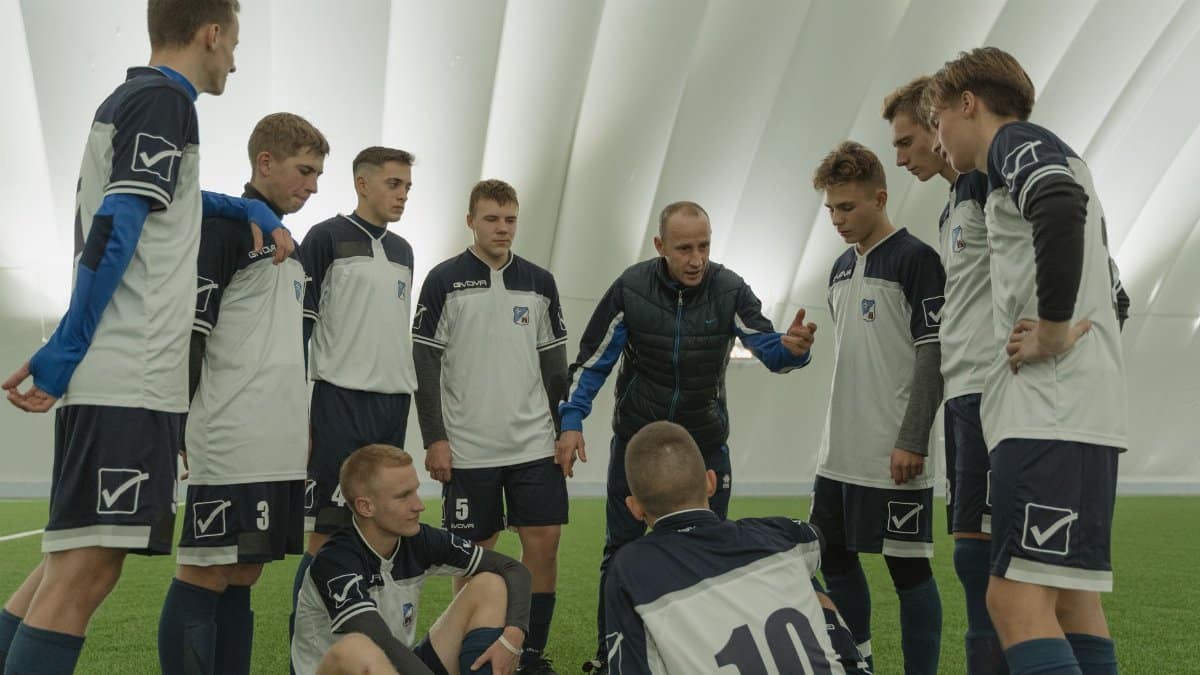
The temptation, after a result like this, is either celebration or instant sobriety. Celebration feels earned and can curdle into complacency. Sobriety feels professional and can curdle into ingratitude. The better note is specific. Name the moments that traveled. Name the moments that will not survive a better opponent. Thank the players who did unglamorous work, because unglamorous work is what road wins are made of, and then put the next opponent on the screen before the room gets too pleased with itself.
Public comments can stay warmer than the film session. Fans are allowed a weekend of uncomplicated pleasure. Players are not required to perform grimness for the cameras. What they are required to do, if the club wants this to be more than a souvenir, is show up to the next training session as if the drought could return. That posture is not pessimism. It is respect for how quickly soccer forgets a good night.
The schedule does not do nostalgia

Leagues are built to move on. By the time a feature like this is read, the standings will have shifted again, and someone else will be ending a streak or starting one. Houston will be asked to prove that Seattle was a method and not a mood. The Sounders will be asked to prove that a home loss was a deviation. Both requests are fair. Neither will be answered by rhetoric.
What remains, for anyone who has waited through a long run of away nights that did not pay, is a simpler fact. The wait ended in a place that has ended plenty of other waits in the opposite direction. The Dynamo Seattle road win will be cited, fairly, as a marker. Markers are not destinations. They are how a season becomes legible later, when the table is final and people argue about which nights actually mattered. This one has a claim. The claim will be tested on the next flight out.