
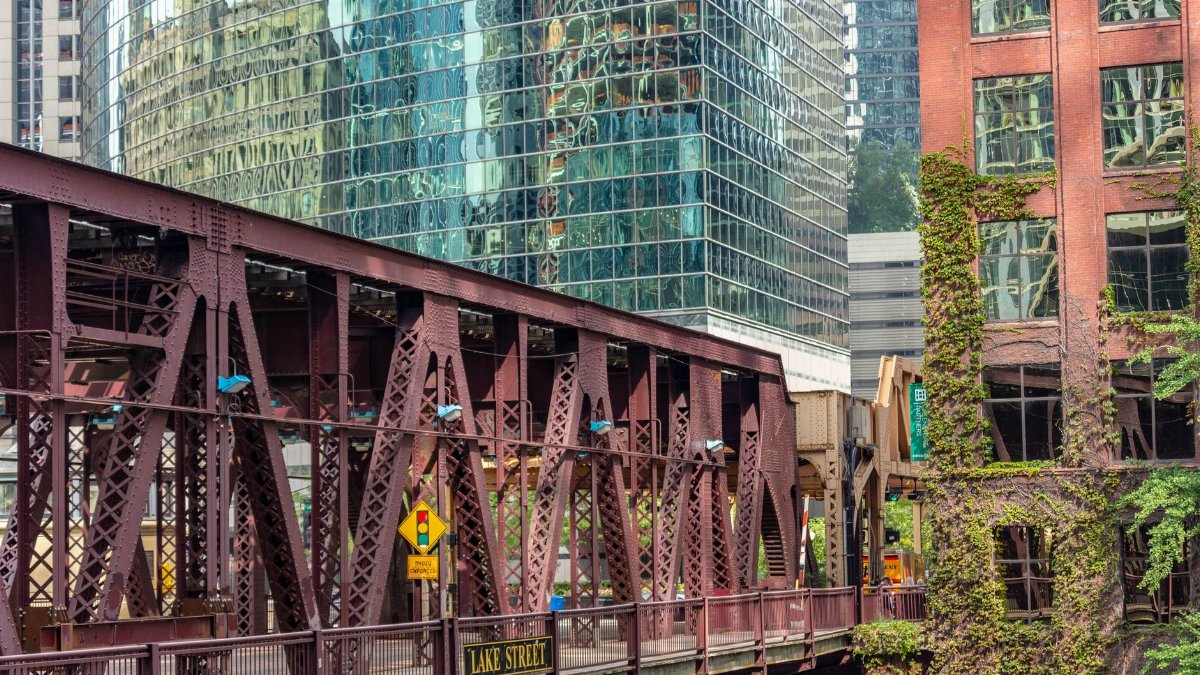
On a gray morning along the Chicago River, the usual metallic rush of trains above Lake Street is missing, and the quiet feels wrong to anyone who times a life by the elevated. Riders who expected the Green and Pink lines to thread back into the Loop this week are instead being told to wait a little longer. City officials said work tied to the Lake Street Bridge CTA project will keep those downtown segments closed through October 28, two days past the date many commuters had circled. The reason is not a sudden storm or a strike. It is the stubborn geometry of a bridge replacement that has to meet old tracks with a precision measured in fractions of an inch.
A short delay that rearranges a great many mornings

Two days can sound small when a city announces them in a press note. On the platform they are not small. A teacher who transfers at Clark and Lake has to rebuild a route she already rebuilt once this month. A hotel worker finishing a night shift has to guess whether a bus will still be there when the train is not. Parents who stack daycare drop off against a downtown arrival lose the slack they thought they had recovered.
The city said the Green and Pink lines will remain out of their normal downtown path through October 28 because replacement work on the bridge, and the alignment that follows it, could not be finished on the earlier schedule. That is a plain sentence with a crowded consequence. Chicago moves a huge share of its weekday life on a few elevated corridors. When one of them pauses, the pause does not stay on the bridge. It spreads into kitchens, loading docks, and the quiet arithmetic of who can afford to be late.
What it takes to replace a bridge the trains still need
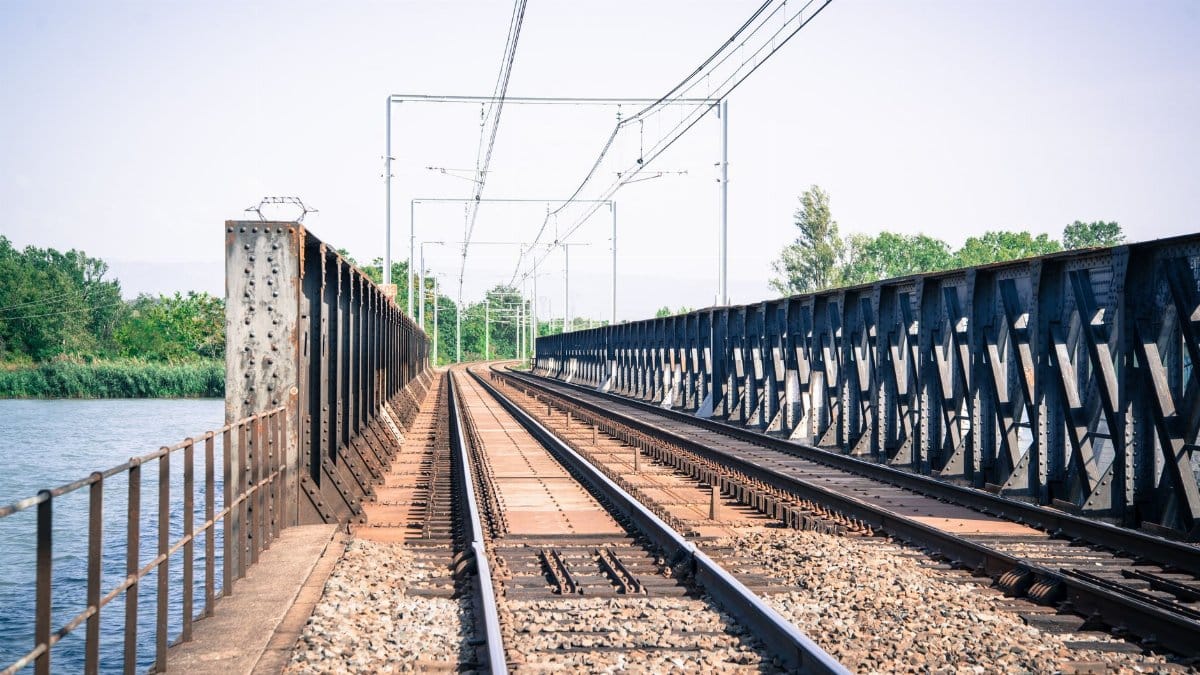
A river bridge under an elevated line is not a slab you swap on a weekend and forget. Crews have to hold the river, the street, the structure above, and the promise that trains will roll again without a lurch. Steel has to land where the old steel landed, except the old steel has spent decades settling, rusting, and being repaired in pieces. New members arrive straight from a shop. The city they enter is anything but straight.
Officials described the job as more complex than the calendar first allowed. That complexity is easy to underestimate from a sidewalk. Bolts, bearings, and the way a span meets its approaches all have to agree before a train is allowed to test them. Weather slows lifts. A measurement that looked acceptable on paper can fail when the full weight of track and structure is in place. Adding days is the honest response when the alternative is opening a line that is not ready.
Alignment, the quiet fault that keeps a train in the yard
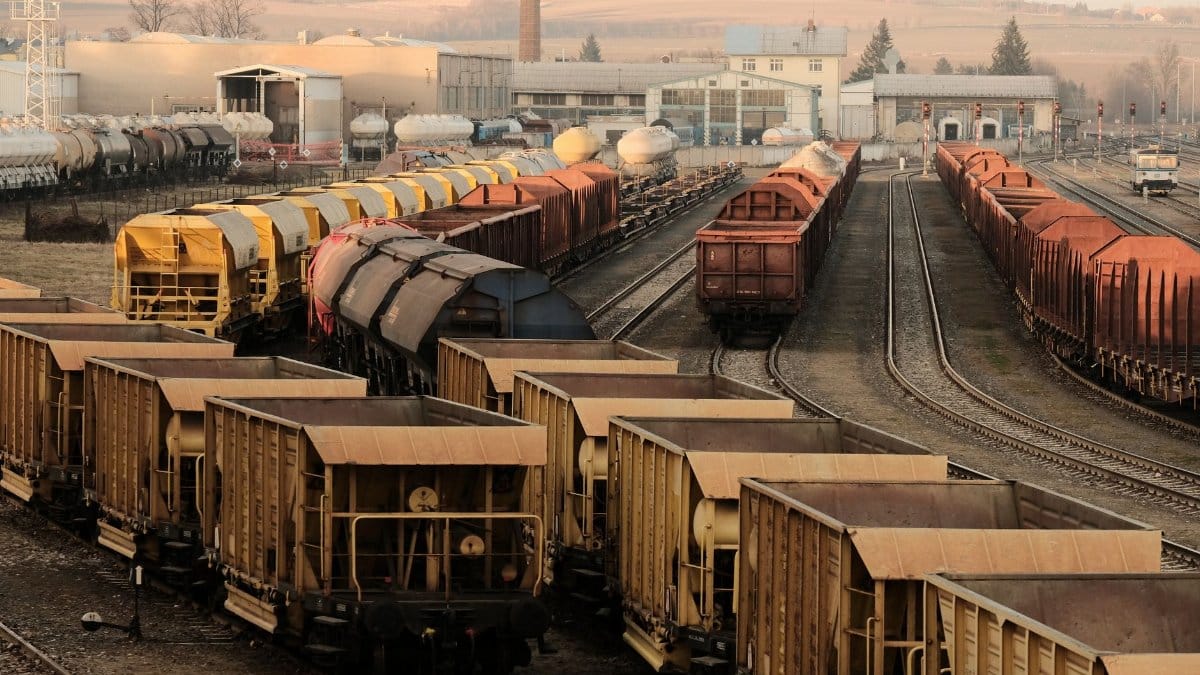
Riders hear the word alignment and picture something abstract. For a train it is concrete. Wheels have to meet rail at a consistent angle. A bridge that sits a little high, a little low, or a little out of plane with the elevated structure on either side becomes a place where speed must drop or service must stop. The Lake Street Bridge CTA work has run into that kind of mismatch, according to the city account of the extended closure. Fixing it is not a matter of enthusiasm. It is a matter of shims, adjustments, and time on the structure while trains are absent.
Engineers prefer to find those problems before passengers do. A rough spot discovered in revenue service becomes an emergency. A rough spot discovered during a planned outage becomes another night of work and another morning of shuttle buses. The second outcome is frustrating. It is also the one a careful agency chooses when the measurements refuse to cooperate.
How Green and Pink line riders are being asked to move
During the closure, riders who would normally stay on the Green or Pink lines through the downtown elevated are being steered onto other routes, buses, and walking transfers. The Chicago Transit Authority has used this pattern before when Loop track or structure work cannot share space with trains. The advice is familiar: allow extra time, watch for posted changes, and do not assume yesterday map still holds.
Familiar does not mean easy. The Red Line and other remaining services absorb people who did not plan to be there. Platforms that already feel tight at rush hour feel tighter. Bus bridges across a closed segment move, but they move in street traffic, which is a different physics from an elevated train. For some riders the substitute is a tolerable annoyance. For others, especially those with mobility limits or a job that docks pay for minutes, it is a real cost the press release cannot itemize.
The Loop as a machine that dislikes surprises
The downtown elevated is a loop in more than name. Trains enter, circle, and leave on schedules that assume every segment is available. Close one piece and dispatchers redraw the day. Turns that used to happen in one place happen in another. Cars that used to cycle back quickly sit longer. Small delays stack because there is less room to recover.
That is why an extension of two days is announced with care. Operators, supervisors, and the people who write rider alerts all have to shift again. A closure that was supposed to end becomes a closure that ends later, and every printed assumption in a commuter head has to be replaced. The city is right to say the work needs the time. Riders are right to feel that the Loop has once more asked them to absorb uncertainty they did not choose.
Steel, water, and a crossing Chicago cannot simply patch
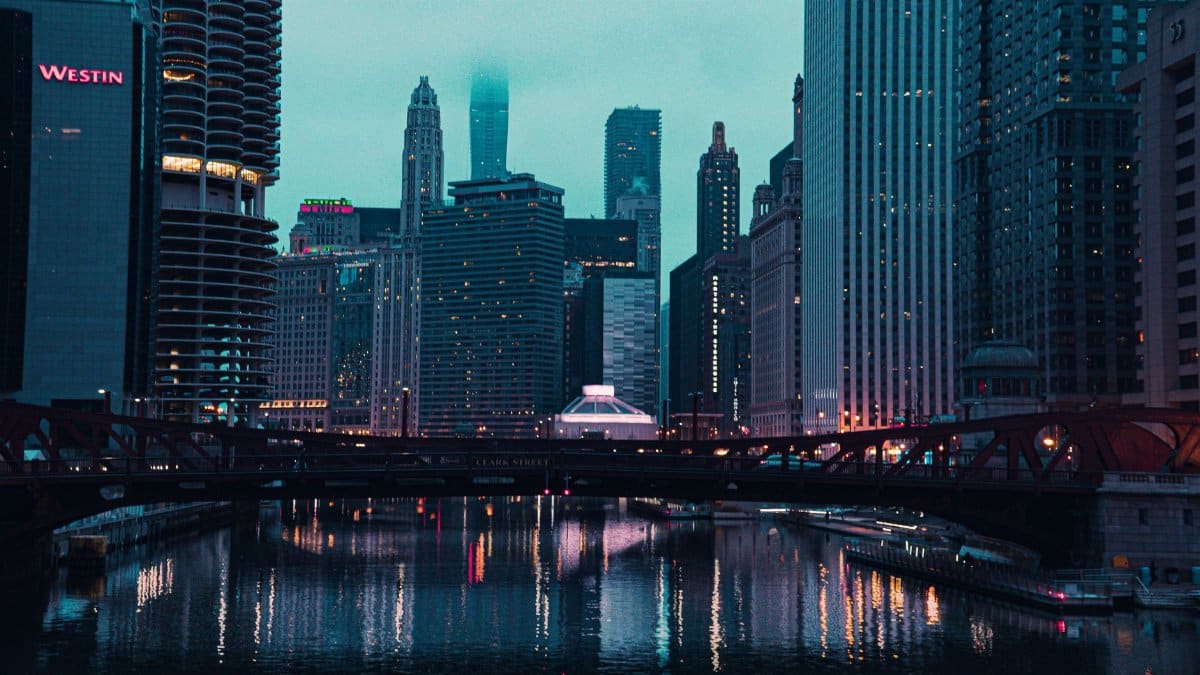
Lake Street has crossed the river for generations, and the elevated has crossed with it for long enough that the combination feels permanent. Permanence is an illusion maintenance keeps alive. Bearings wear. Riveted connections from an earlier building era meet welded pieces from this one. Road salt, river damp, and the constant load of trains age a structure whether or not anyone is photographing it.
Replacement is chosen when patching stops being the responsible bargain. It is louder, longer, and more visible than a night of grinding rail. It also offers a chance to set the crossing right for decades rather than seasons. The Lake Street Bridge CTA project sits in that category: not a cosmetic refresh, but a structural handoff. The extra days are part of the price of doing that handoff without pretending the new work already agrees with the old line.
Storefronts counting footsteps that never arrive

Transit closures are usually told as rider stories. They are also landlord stories and cashier stories. A coffee shop under the tracks sells a morning rush that arrives on foot from a station entrance. When the trains stop, some of those customers vanish into other neighborhoods for the length of the outage. A dry cleaner, a pharmacy, a lunch counter: each loses a trickle that, over a week, becomes a noticeable gap.
Two more days will not empty a block. They will irritate owners who had planned staffing against a reopening that has now slid. Some will keep the same hours and hope regulars walk farther. Others will trim a shift. The public conversation rarely prices that trim, yet it belongs in any honest account of what a bridge job costs beyond steel and labor.
What the extra days say about how the city repairs itself
Chicago has spent years talking about the age of its transit infrastructure and the gap between what the system needs and what budgets easily give. A single bridge does not settle that argument. It does illustrate a habit worth noticing. When work runs long, the public hears about it as an exception. In an old system, overruns of time are closer to a pattern. Materials arrive late. Hidden conditions appear once a deck is open. Coordination among city agencies, contractors, and the transit operator adds steps no rendering shows.
None of that excuses a sloppy schedule. It does argue for schedules that admit difficulty before riders build their week around a date. The extension through October 28 is, in that sense, a small act of correction. Officials chose to say the line stays closed rather than force an opening the alignment would not support. Trust depends less on never slipping than on refusing to hide the slip.
The practical questions still sitting on the platform
People waiting for the Green and Pink lines to return will ask a short list of questions, and they deserve straight answers. Will trains run their full downtown route on the morning after October 28, or is another extension possible if alignment work remains unfinished? Which bus substitutions stay in place until the last hour, and which stations will see crowding when everyone returns at once? Will reduced speeds linger on the new bridge even after service resumes, and for how long?
The city has tied the added closure to complex replacement work and to alignment problems, not to a vague hope that more time will help. That specificity should continue as the final inspections approach. A rider can tolerate a clear instruction. A rider resents a moving target described in soft language.
After the trains come back
When the first Green Line train and the first Pink Line train cross the renewed span, most people will not study the bearings. They will listen for the ordinary sound of a car taking the curve and feel, with relief, that the week has snapped back into a knowable shape. That relief is earned. It is also incomplete if the only lesson stored away is that a project ran late.
The better lesson is narrower and more useful. A river crossing used by trains is a civic machine, and machines of that kind fail in public when they are rushed. The Lake Street Bridge CTA closure, stretched through October 28, is a reminder that precision sometimes costs a Monday and a Tuesday. Chicago can spare those days more easily than it can spare a bridge that does not meet the rails it is meant to carry. The commuters rearranging their mornings already know the cost. The rest of the city should remember it the next time a schedule looks cleaner than the steel.