
Word had already begun to move through Assisi the way news moves through a hill town that knows how to wait. Parish conversations, café talk, and the quiet planning of local officials all leaned toward the same expectation. A pope was coming. Then Rome said otherwise. Pope Leo XIV has canceled a planned visit after doctors advised against travel while he recovers from lung cancer surgery performed last week. The Pope Leo Assisi trip, anticipated as an early public gesture of his pontificate, will not take place on the date the Vatican had in view. For a church that treats itineraries as a kind of public theology, the absence itself becomes a message. It says the bishop of Rome is a patient as well as a pastor, and that even a journey toward Francis must yield to the plain requirements of healing.
A city that measures time by visitors
Assisi is not a capital, and it does not need to be. Its stones already carry more memory than many larger places. Pilgrims arrive for the basilica, for the narrow streets, for the sense that poverty and joy were once argued in the same breath by a man the church later called a saint. A papal visit compresses that ordinary traffic into something sharper. Streets are closed. Choirs rehearse. Shopkeepers calculate crowds they cannot fully predict. When such a visit is withdrawn, the disappointment is practical as well as spiritual. Hotels lose bookings. Volunteers lose a day they had organized their week around. None of that rivals the health of a pope, but it explains why a cancellation is felt beyond the Vatican walls.
The town has hosted popes before, and it will host them again. What changes is the story people tell in the interval. Some will say the church is fragile. Others will say it is finally willing to admit fragility in public. Both readings can be too neat. A canceled visit is first a medical decision, and only afterward a symbol.
What the doctors appear to have decided

The reported reason is straightforward. Physicians advised Pope Leo XIV not to travel while he recovers from lung cancer surgery performed last week. Travel, even a relatively short journey within Italy, is not a neutral act for someone in the early days after an operation on the chest. It involves schedules, standing, speaking, crowds, and the small infections of fatigue that ceremonies tend to hide. A doctor looking at that list does not need a theological argument. Rest is the treatment that does not photograph well.
Public details remain limited, as they should. The church has not, in the reporting available so far, offered a full clinical portrait, and readers should be wary of anyone who pretends otherwise. Surgery for lung cancer can mean very different things depending on the stage of disease, the procedure, and the condition of the patient. What can be said without invention is narrower and more honest. The Vatican judged the trip incompatible with recovery. That judgment postponed a journey. It did not publish a prognosis.
Why Assisi still exerts a pull
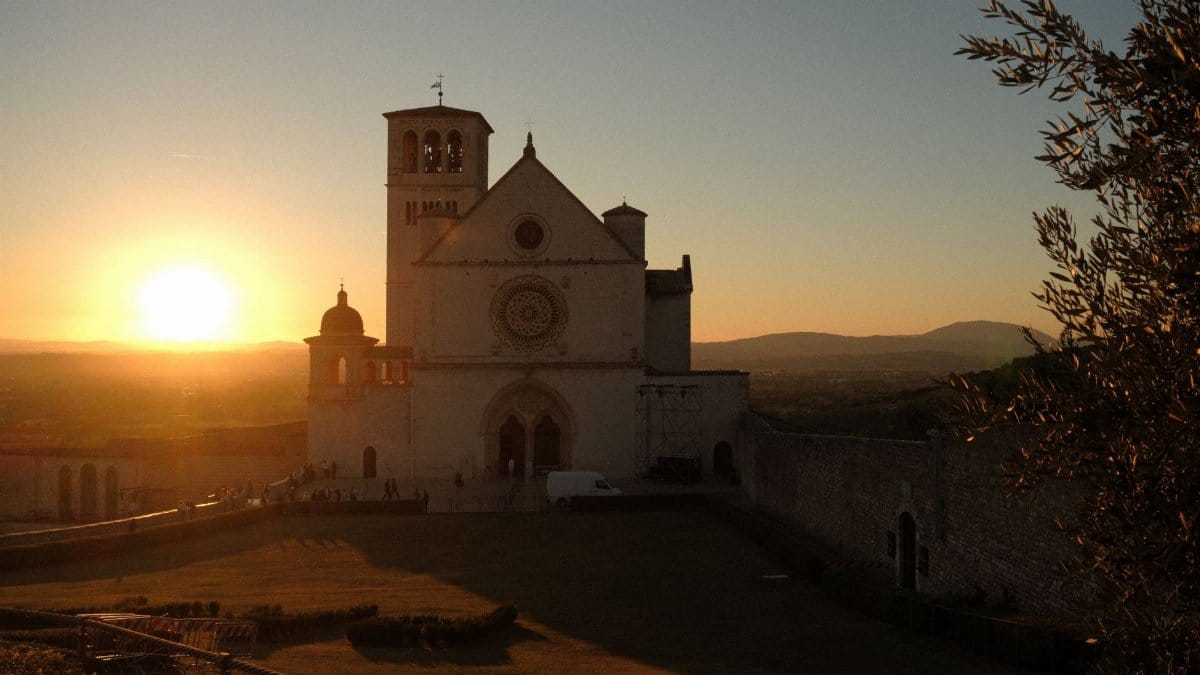
Every new pope inherits a map that is partly devotional and partly political. Rome is the seat. Assisi is the reminder. Francis of Assisi remains the figure later popes reach for when they want to speak of simplicity, peace, and the dignity of the poor without sounding as if they invented the theme. To go there early is to borrow a language older than one’s own election. To stay away, even for medical reasons, leaves that language unused for a while.
The appeal is not only symbolic. Assisi offers a scale that Rome rarely does. A pope can be seen against a town rather than against an empire of marble. The photographs write themselves: white figure, stone lane, hillside light. Those images matter in a media age, and it would be naive to pretend they do not. It would also be cynical to reduce the visit to a photo opportunity. For many Catholics, standing where Francis stood is a form of prayer. A pope who joins them is not merely posing. He is placing his office inside a story the faithful already trust.
Francis, Leo, and the names popes carry
Names do work in this church. Pope Francis spent years teaching the world to hear Assisi in his choice of name. Pope Leo XIV carries a different inheritance, one associated with teaching authority, social questions, and the long argument about how the church meets the modern world. A trip to Assisi would not have erased that inheritance. It would have set it beside another one. The cancellation delays that juxtaposition. It does not erase the expectation that he will eventually make it.
There is a risk in reading too much policy into a sickbed decision. Commentators are tempted to treat every pause as a sign of a program. Sometimes a pause is a pause. The more interesting question is what Leo chooses when physicians clear him to move again. Will Assisi be the first journey restored, or will other obligations take its place? The answer will say something about priorities, but only after medicine has had its say.
How a Vatican talks about illness
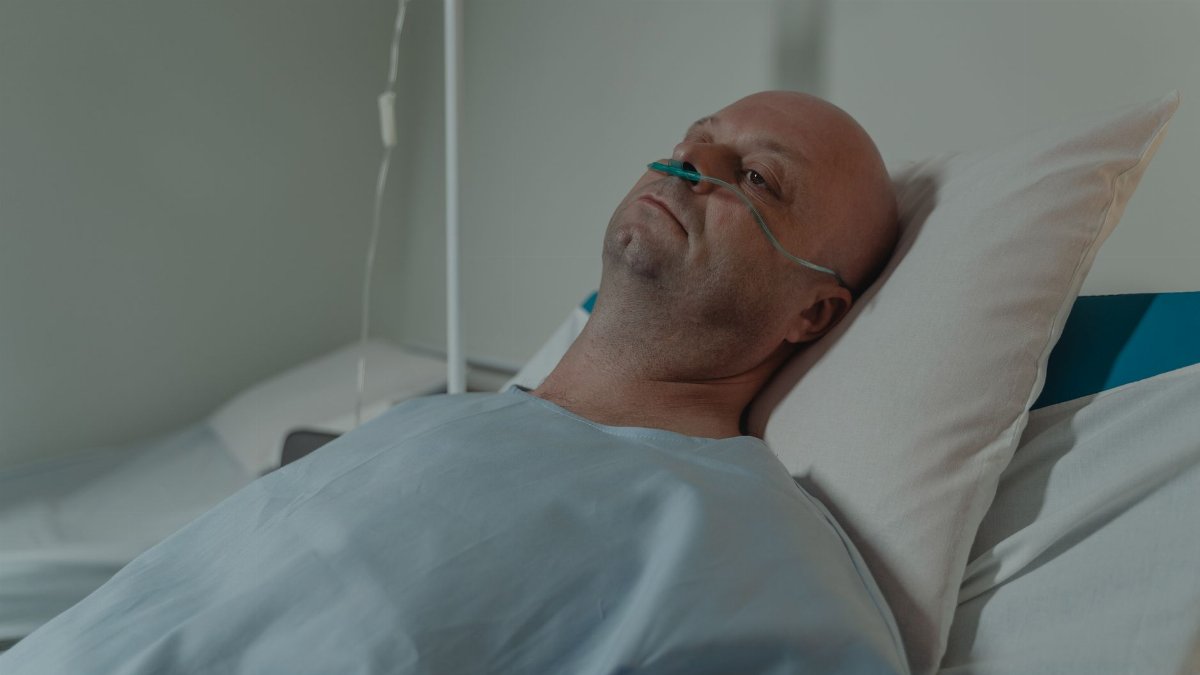
Papal health has rarely been a private matter, even when officials wished it were. The last century trained Catholics and journalists alike to parse bulletins, to notice which phrases were used and which were avoided, and to treat silence as a text of its own. That habit can become cruel. It can also be a reasonable response to an office that claims global moral attention. People want to know whether the man who speaks for so many can keep speaking.
The wiser path, for both church and press, is specificity without spectacle. Say what is known. Decline what is not. Resist the theater of hourly rumor. In this case, the known fact is the cancellation of the Pope Leo Assisi trip on medical advice during recovery from surgery. That is enough to report. It is not enough to diagnose from a distance, and it is not enough to build a narrative of decline. Recovery has a pace that headlines dislike. The body does not file copy on deadline.
A pilgrimage paused, not dissolved
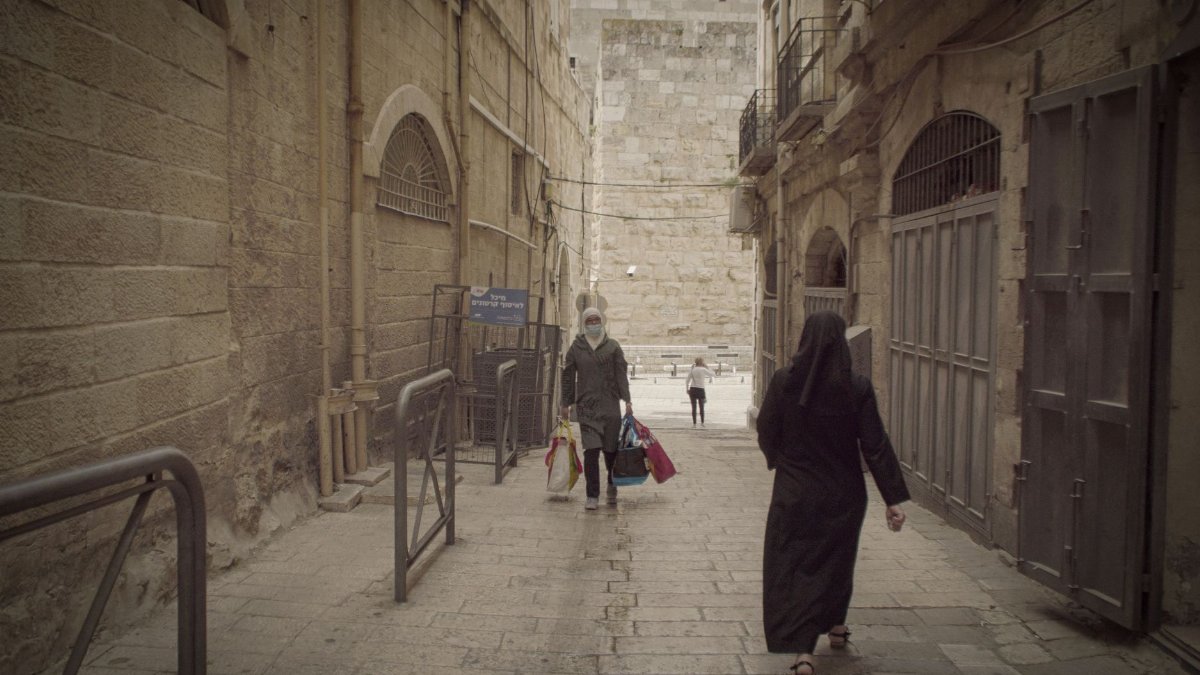
Pilgrimage is built on delay. The road is the point, or at least part of the point. Medieval travelers accepted weather, war, and illness as ordinary interruptions. Modern Catholics are less patient, because modern travel has taught us that distance is mostly a matter of booking. A pope grounded by doctors restores an older truth. Some journeys cannot be forced. The destination remains. The date moves.
For the people who hoped to see him in Umbria, the loss is real. A papal Mass is not interchangeable with a later broadcast. Presence has a weight that screens do not carry. Still, a postponed visit can deepen rather than cheapen the eventual arrival. If Leo does go when he is stronger, the trip will carry the memory of this week, and of the decision to put healing ahead of spectacle. That is not a small homily. It is simply one delivered by absence.
The early days of a pontificate under strain
The first months of a papacy are usually a rush of signals. Audiences, letters, appointments, and trips tell bishops and governments what kind of attention to expect. Illness interrupts that rush. It forces the Vatican to distinguish between what must happen and what can wait. Some decisions cannot be deferred: the daily governance of a global church, the response to crises, the care of a household that does not stop because its head is convalescing. Other decisions, including travel, can yield.
There is no disgrace in that distinction. A church that preaches the limits of human power should be able to exhibit them. The danger lies elsewhere, in the vacuum that rumor fills when official communication is thin. Aides will be tempted to project continuity, to insist that nothing essential has changed. Continuity of office is true. Continuity of stamina is not guaranteed in the weeks after major surgery. Honest language serves the faithful better than cheerful vagueness.
What recovery asks in public
Recovery from chest surgery is not a metaphor, even if preachers will be tempted to make it one. It asks for sleep, for restricted exertion, for follow up care, and for a willingness to look less than sovereign. A pope lives inside protocol that assumes he can stand, bless, and speak at length. Protocol can be adjusted. The harder adjustment is cultural. Catholics have spent decades watching popes push through visible frailty, sometimes with courage and sometimes at a cost that later seemed too high. The memory of those scenes will shadow every bulletin now.
Choosing rest is a form of authority, not a surrender of it. It tells a church of aging members, and a world of overworked ones, that care is not the opposite of vocation. Whether Leo intends that lesson is beside the point. The lesson is available. People will take it or ignore it according to their own needs. What matters institutionally is that the choice was made in time, before a journey turned a recovery into a crisis.
Prayer, rumor, and the appetite for certainty

In parishes far from Rome, the news will land in a familiar way. Some will add his name to the prayers of the faithful and then return to the ordinary work of the week. Others will refresh news sites, looking for a sentence that promises either swift restoration or grave decline. The internet rewards the second habit. It does not improve it. Cancer, even when treated, frightens people because it refuses the tidy ending. Surgery can succeed and still leave a long watch ahead. That watch is not content. It is medicine.
Journalists have a duty here that is easy to state and hard to keep. Report the cancellation. Report the advice of doctors. Do not invent a timeline. Do not launder speculation through anonymous worry. The Dallas Morning News and other outlets have carried the essential fact: the trip is off because physicians counseled against travel during recovery. Beyond that fact, humility is not softness. It is accuracy.
The poor, the peace, and the sermon not given
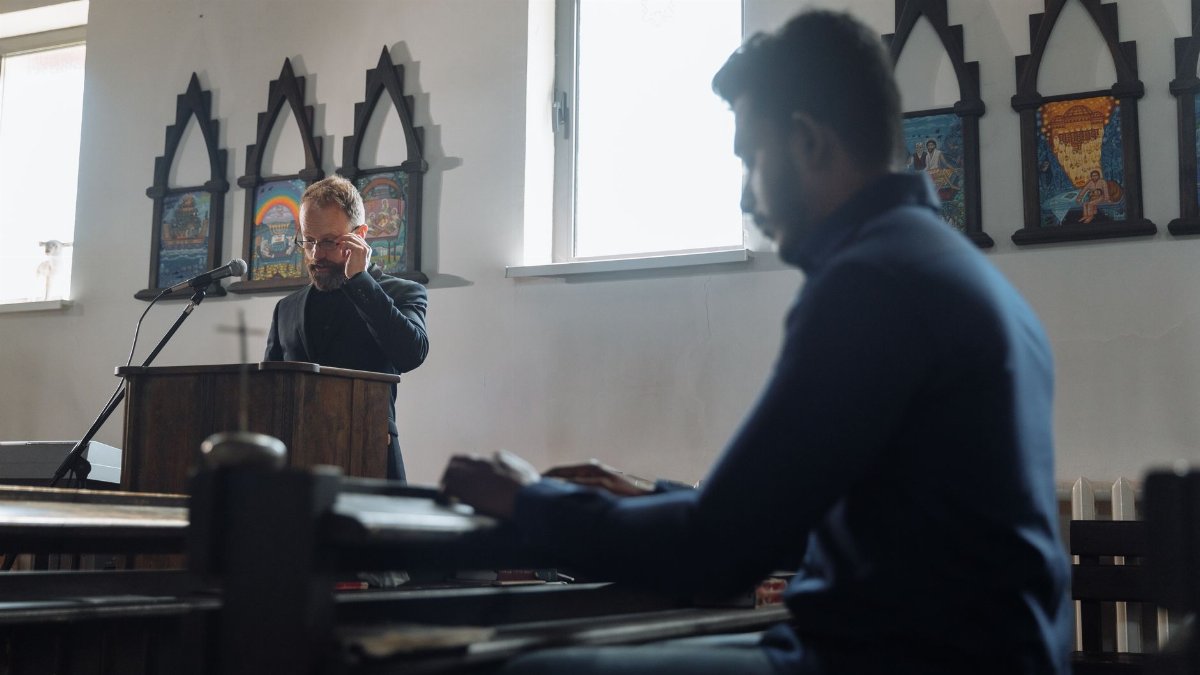
Had the visit gone ahead, Leo would likely have been expected to speak about peace, the poor, and the care of creation, themes that cling to Assisi whether a pope invites them or not. Those themes do not require Umbria. They can be spoken from a hospital chapel or a written message. Still, place changes the hearing. Words about simplicity sound different when delivered near the tomb of Francis than when issued from a Roman office. The cancellation costs him that acoustic, at least for now.
It does not cost the church the themes themselves. If anything, a pope who accepts medical limits may find a more credible voice later, when he does speak about bodies, work, and the unequal burden of illness. Credibility is not automatic. It has to be earned in policy as well as in personal conduct. But personal conduct is not nothing. People notice when leaders exempt themselves from the vulnerabilities they describe in others. They also notice when they do not.
What the calendar can still hold

A Vatican calendar is a living argument among offices. Liturgists, diplomats, and physicians do not rank events in the same order. The Pope Leo Assisi trip sat at an intersection of those interests: devotion, image, and stamina. With stamina removed from the equation, the other interests must wait. Other meetings may be shortened. Audiences may be moved indoors or reduced. None of that is failure. It is sequencing.
The faithful often want a date. They want to know when he will be seen again in full public strength, and when Assisi will be restored to the schedule. No responsible report can give that date today. What can be said is that the visit was judged important enough to plan and important enough to protect from a premature performance. Protection is a kind of regard. It treats both the man and the place as more than props in an opening chapter.
A church asked to wait with him
Waiting is an undervalued Christian practice. It lacks the glamour of arrival and the clarity of departure. Yet much of ordinary faith is waiting: for test results, for reconciliation, for a child to call, for a war to end. A pope who must wait for his own strength joins a company he usually addresses from above. That joining will not solve the church’s arguments about authority, scandal, or decline. It may, briefly, change the tone in which those arguments are held.
I have watched enough public illnesses to distrust both panic and reassurance on command. The honest posture is narrower. We know he had surgery. We know doctors told him not to travel. We know Assisi will not see him on the day it expected. The rest is not ours to complete. Inventing it would be a failure of respect, for him and for readers who deserve news rather than mood.
The road back toward Umbria
If the recovery proceeds as his physicians hope, the postponed journey can still do the work that was imagined for it. Leo can stand in a town that has outlasted popes and emperors, and he can do so without the visible tax of a trip taken too soon. The photographs will come. The homily will come. The local economy will have its crowded weekend. None of that is guaranteed, and none of it should be scheduled by wish. It should be scheduled by medicine.
Until then, the Pope Leo Assisi trip remains a plan in suspension, a title on a calendar with no date beside it. That is an unsatisfying ending for a news cycle that prefers resolution. It is a fitting ending for a story about recovery. The church can pray. The town can keep its stones. The pope can heal. The journey, if it is wise, will wait until the man who would make it can breathe easily enough to mean the words he came to say.