
On a mild October morning in Rome, the kind of day when pilgrims still queue for a glimpse of the balcony, the Vatican quietly removed a date from the papal calendar. Pope Leo XIV surgery recovery, not ceremony, would set the pace. Doctors had advised him to cancel a planned visit to Assisi on October 23, 2026, while he continued to heal after thoracic surgery for localized lung cancer. The announcement was brief, almost austere, and it landed with the weight that any papal health bulletin now carries. For Catholics who remember how illness reshaped the final years of recent pontificates, a canceled trip is never only a canceled trip. It is a signal about pace, about counsel, and about how much of a pope’s body the church is willing to discuss in public.
The bulletin from the Vatican
The note was the sort of document Vatican officials have learned to write with extreme care. It confirmed that the Assisi journey would not happen, and it tied that decision to medical advice rather than to weather, scheduling conflicts, or a sudden change of heart. In an institution that can spend paragraphs on a minor liturgical adjustment, the economy of the language was itself a message. Doctors, not diplomats, were in the lead.
I have read enough of these notes over the years to know that brevity is a house style. A pope cannot disappear from view without explanation, yet a pope also cannot turn every ache into a running medical chart. The compromise is a short statement, a revised calendar, and a promise that the rest of the work continues. Audiences in the United States, where Leo is still the first American bishop of Rome in living memory, tend to want more detail than Roman custom offers. The gap between those expectations and Vatican habit is part of the story.
What the public can say with confidence is limited and important. The trip to Assisi was called off on doctors’ advice. The pope is recovering from thoracic surgery. The condition being treated has been described as localized lung cancer. Beyond that, speculation outruns the record.
What is publicly known about the operation
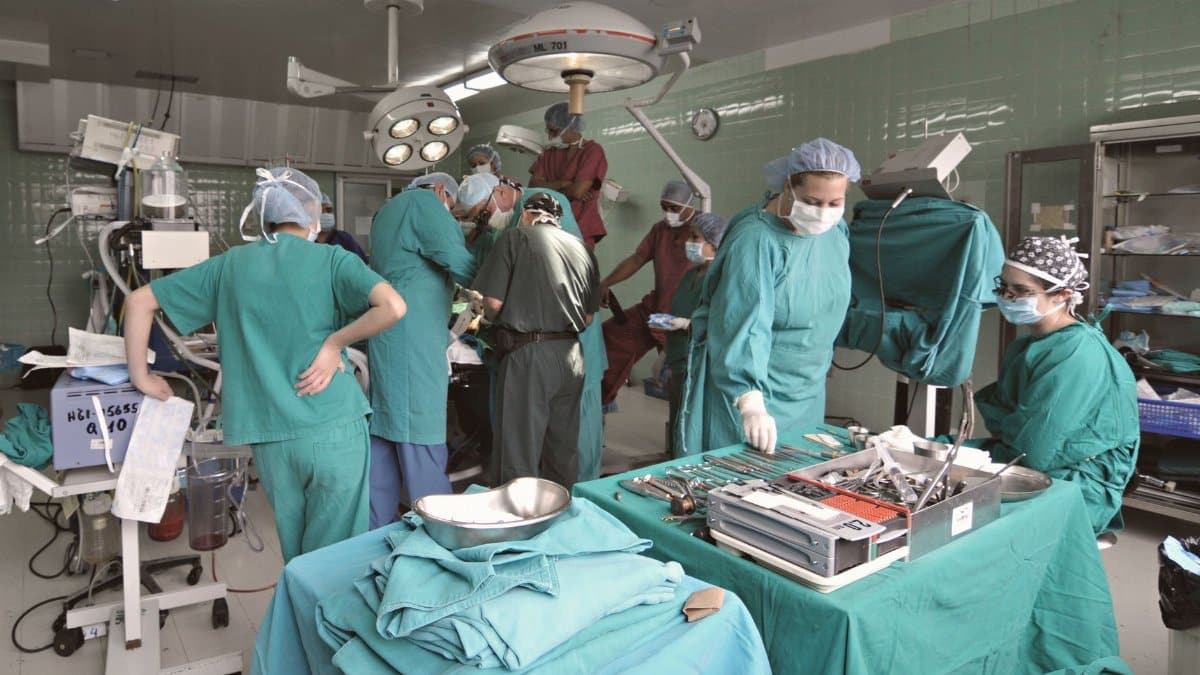
Thoracic surgery is surgery in the chest, and in this case it was undertaken for a cancer described as localized, meaning physicians have presented it as confined rather than widely spread. That distinction matters to patients and families everywhere, because it often shapes both the goal of an operation and the hope attached to it. It does not, by itself, tell outsiders how extensive the procedure was, how long the pope will need to convalesce, or what surveillance his physicians will recommend in the months ahead.
The phrase Pope Leo XIV surgery has already begun to travel as a search term and a headline fragment, which is how modern illness becomes a public object. People want a timeline. They want to know whether he is walking, speaking, signing papers, receiving visitors. The Vatican has not turned those private facts into a daily digest, and there is a case for that restraint. A localized cancer treated by surgery is still a serious medical event. It is also not a blank check for every rumor that attaches itself to a famous patient.
Hospitals that treat lung cancer generally speak in stages, margins, and follow up plans. None of those clinical particulars has been laid out in full for this patient, and journalists should not invent them to satisfy a hungry news cycle. What can be said is plainer. A pope underwent chest surgery for a cancer his doctors have called localized. He is in recovery. On their advice, he will not travel to Assisi on the date that had been set.
Why Assisi was more than a date on a calendar
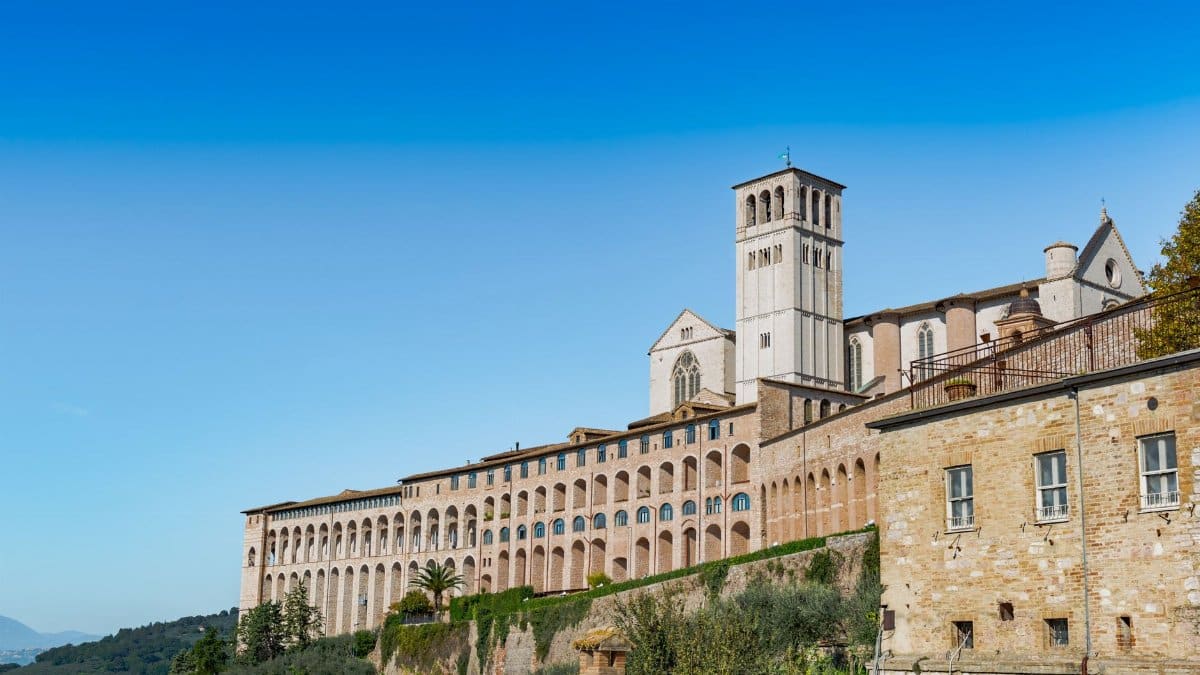
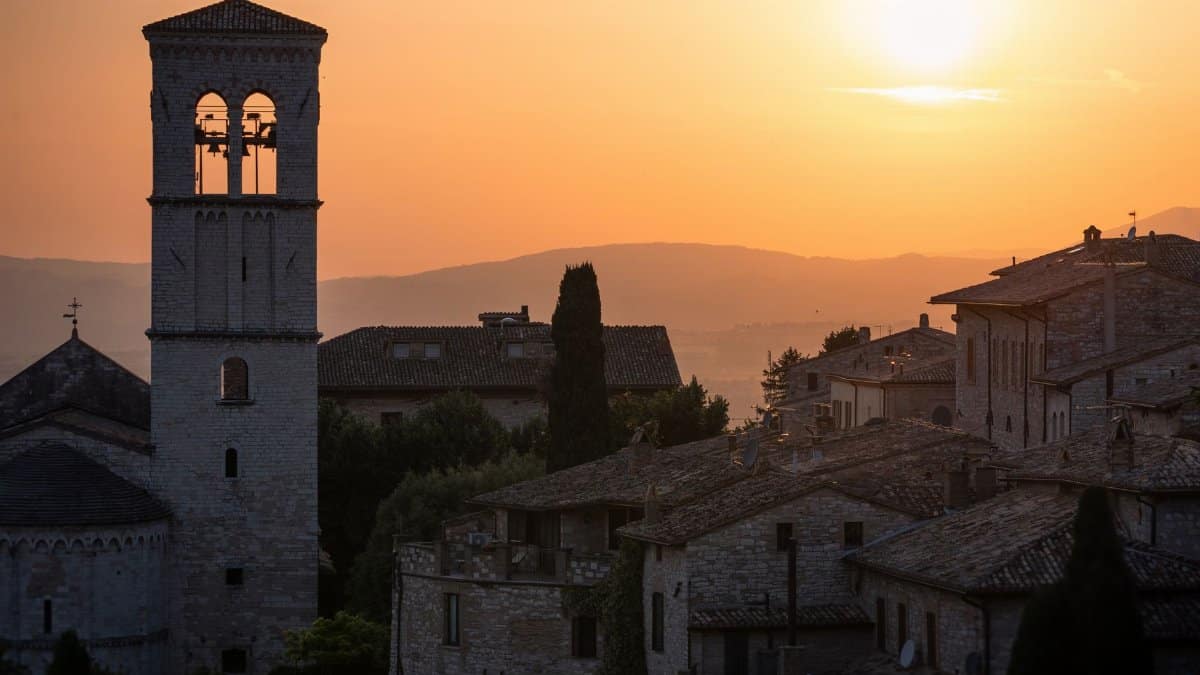
Assisi is not a convenient photo stop. It is the town of Francis, the medieval merchant’s son who stripped himself of status and made poverty, peace, and care for the wounded into a Christian program. Modern popes go there when they want to borrow that authority, or when they want to be seen borrowing it. A visit can be pastoral, political, and symbolic at once. Canceling it does not cancel Francis. It does remove a stage on which Leo might have spoken about mercy, war, or the poor while standing in a landscape millions of believers already know by heart.
For an American pope, the symbolism carries an extra charge. Many Catholics in the United States first met Franciscan ideas not in Umbrian stone but in parish halls, campus ministries, and service trips. Assisi is the original of a story they already tell. To postpone that encounter is to postpone a kind of introduction, the moment when a new pontificate places itself inside an old narrative of humility. The doctors’ advice makes the postponement intelligible. It does not make it small.
Pilgrims who had planned to be in the square or along the roads will feel the absence in a practical way. Hotels, parish groups, and local volunteers build days around a papal arrival. A cancellation ripples outward from the Apostolic Palace into coach schedules and choir rehearsals. That is the unglamorous half of Vatican news, and it is worth naming. Spiritual news is also logistics.
A papacy that already knows the language of limits

Recent popes have taught the church, sometimes against their own wishes, that the papal office is not an exemption from the body. John Paul II spent years in public view with a progressive illness, turning frailty into a kind of catechesis. Benedict XVI made a different choice, resigning when he judged that he could no longer carry the work. Francis governed through surgeries, a hospital stay, and the ordinary diminishment of age, often insisting on a schedule that worried his aides.
Leo inherits all three precedents. He can be visible in weakness, he can step back, or he can try to keep a full calendar and let physicians pull him off the road when they must. The Assisi decision looks like the third path, at least for now. It is not a resignation. It is not a disappearance. It is a refusal, on medical orders, to pretend that a healing chest can be hauled up and down the hills of Umbria for the sake of a photograph.
That refusal will be read differently by different camps. Some will praise prudence. Some will worry that prudence is the start of a smaller papacy. Both readings leap ahead of the evidence. A single canceled journey during recovery is not a theology of the papacy. It is a clinical judgment applied to one day in October.
How physicians and press offices share a pope
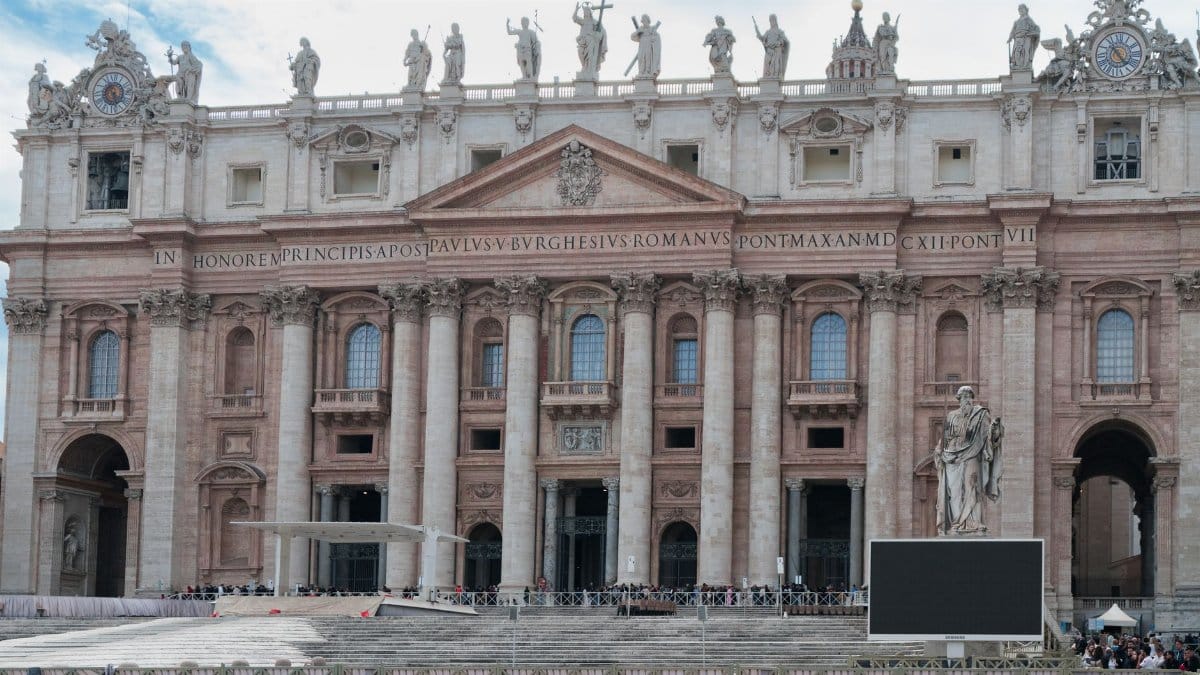
There is an awkward partnership at the center of any famous patient’s illness. Doctors owe confidentiality and accuracy. Press officials owe the faithful some account of why a public shepherd is absent. Neither group is well served by the internet’s preference for certainty. A sentence that says “localized” can be clipped into a guarantee. A sentence that says “recovering” can be clipped into a warning. The responsible reading holds both words at once.
American readers are used to hospital systems that publish detailed updates on athletes and politicians, sometimes with the patient’s consent and sometimes with more enthusiasm than the patient might prefer. Roman practice is older and stingier. The result is a transatlantic misunderstanding. Silence is taken for concealment. Detail is taken for exhibition. In the middle sits a 71 year old man whose physicians have asked him not to travel, and a church that must decide how much of his chart belongs to the world.
Transparency is not the same thing as a running commentary. A clear statement of the diagnosis category, the fact of surgery, and the reason for a canceled trip already tells the public a great deal. Further bulletins, if they come, should be driven by changes in his condition or his schedule, not by the volume of online curiosity. Curiosity is not a clinical indication.
What recovery asks of a pontiff and of everyone else

People who have undergone chest surgery, or who have sat beside someone who has, know that the drama is not only in the operating room. Recovery is breath, walking, sleep, and the slow return of stamina. It is also the frustration of a capable person told to wait. A pope’s frustration is not categorically different. It is only more visible, and more easily turned into metaphor by people who do not have to manage his pain or his incisions.
General medical guidance for patients after major chest operations emphasizes rest, gradual movement, attention to breathing, and prompt contact with clinicians if warning signs appear. Those are ordinary instructions. They do not require a theology to be true, and they do not become less true because the patient wears white. Applying them to a pope means fewer flights, fewer long liturgies on his feet, and fewer crowds pressing close while his immune system and his energy are still rebuilding. Assisi, with its hills and its expectation of presence, failed that test on the date in question.
None of this is a substitute for his physicians’ advice, and none of it should be read as a personal medical plan. It is context. The same context explains why a Vatican that might once have pushed through a symbolic visit chose not to. The body gets a vote.
An American pope under an American kind of scrutiny
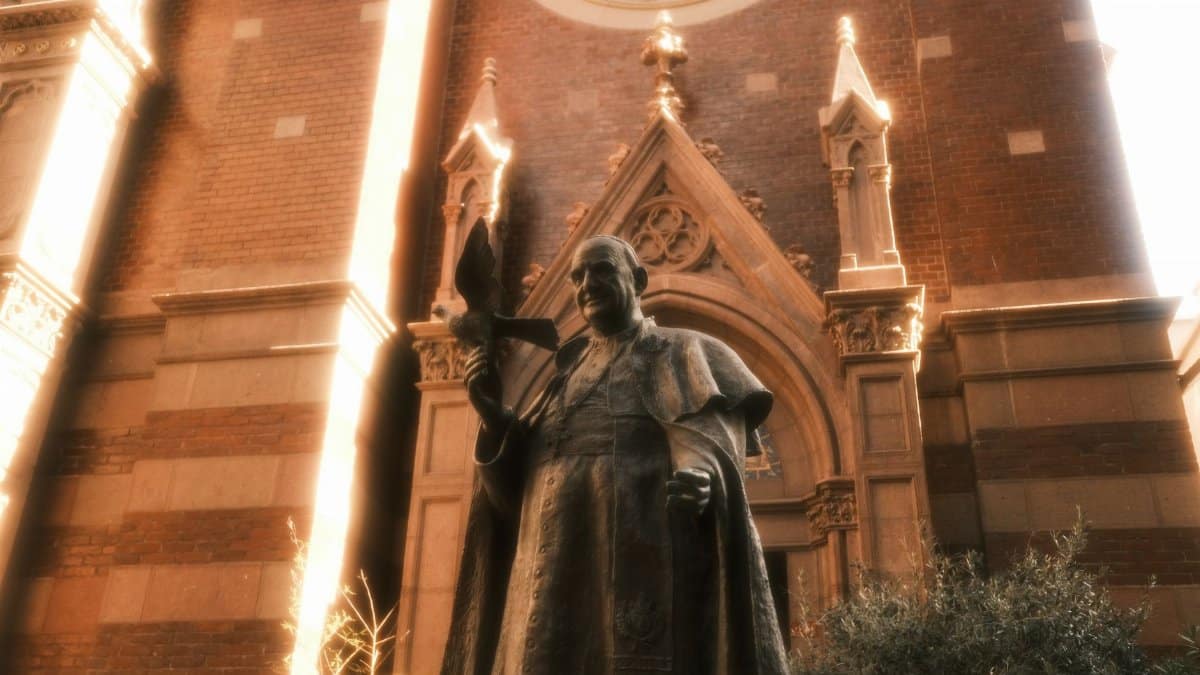
Leo’s biography is part of why this health story feels intimate to readers in the United States. He is not a distant European figure encountered only through translation. He is a man formed in American Catholic institutions, suddenly responsible for a global church, and now subject to the same medical vulnerability that fills waiting rooms from Chicago to Phoenix. That familiarity can breed empathy. It can also breed a proprietary tone, as if the pope’s lungs were a domestic political subplot.
They are not. The Pope Leo XIV surgery is a medical event inside a religious office with consequences for Catholics on every continent, and for anyone who watches how a powerful institution treats a sick leader. American news habits, which favor updates, experts, and a hunger for the next twist, will keep pulling for more. The pull is understandable. It is not always edifying. A middle aged reader who has sat in a clinic with a parent, a spouse, or a friend already knows the texture of this wait. Importing that knowledge into coverage is better than importing the cadence of a campaign.
There is also a pastoral point that does not require sentimentality. Parishes will pray. Some will overinterpret. Pastors would do well to separate intercession from prognosis. Praying for a pope’s healing does not require claiming to know how the healing will go.
Rumor, reverence, and the duty to wait
Illness at the top of the church has always attracted stories that outrun the facts. In an earlier century those stories moved by letter and whisper. Now they move by screenshot. A canceled Assisi trip will be folded, within hours, into theories about succession, doctrine, and hidden decline. Some of those theories will cite “sources” who are simply other theories. The duty of a reporter, and of a serious reader, is dull and necessary. Stick to what has been said by people in a position to know, and mark the rest as noise.
Reverence is not the same as naivete. The Vatican has, at times in its history, managed information about papal health in ways that did not serve the truth. That record is why skepticism has a place. Skepticism, though, is not a license to fill gaps with invention. If officials later offer a fuller account of the surgery, the pathology, or the recovery plan, that account can be weighed. Until then, the honest sentence remains the short one. He had thoracic surgery for localized lung cancer. He is recovering. Doctors told him not to go to Assisi on October 23, 2026.
The calendar after Assisi
A papacy is a calendar with a theology attached. Audiences, consistories, foreign trips, and ordinary meetings with bishops are how a pope becomes more than a portrait. Removing Assisi leaves a hole, not a vacancy in the office. Other work can continue in Rome at a pace his physicians accept. Some of that work is invisible. Signatures, appointments, and private conversations do not require a motorcade. The risk is that invisibility gets misread as incapacity, or that a reduced public schedule gets treated as a permanent retreat before anyone has said so.
Watchers should look for patterns rather than single dates. One missed journey during recovery is a medical decision. A long run of missed journeys, unexplained absences, or contradictory statements would be a different story. It is too early to write that story, and writing it early would be a disservice both to the patient and to the audience. The Seattle Times and other outlets have reported the cancellation as a matter of doctors’ advice during recovery. That framing should hold until the facts change.
If he returns to the road, Assisi may still be waiting. Francis has been dead for eight centuries. He can wait a few more weeks or months for a visit that a living pope is well enough to make. There is a kind of respect in that delay. It treats the symbol as something that should be inhabited, not merely checked off while a man is still mending.
Faith that does not require a travel schedule

The hardest sentence in this episode is also the most ordinary. A religious leader got sick, had surgery, and was told to stay home. Churches are full of people for whom that sentence is not news but Tuesday. The papal version attracts cameras because of the office, not because the experience is unique. Localized lung cancer, chest surgery, and a long recovery are already part of family life across the country that formed this pope and across the countries he now serves.
What the office adds is a public lesson in limit. A church that preaches incarnation, the claim that the divine meets human flesh, cannot be shocked that flesh needs surgeons. It can be tempted to hide that fact, or to dramatize it until the man disappears inside the drama. The better course is the one the bulletin, at its best, attempts. Say what happened. Say why the trip is off. Let the rest of the recovery remain, for a while, a matter between a patient, his doctors, and the people closest to him.
Assisi will still be there when the doctors say the road is reasonable. Until then, the most accurate devotion may be the least theatrical. A postponed pilgrimage, a slower pope, and a public willing to hear a medical fact without turning it into a myth. That is not a small outcome for a short Vatican note. It is a way of treating Pope Leo XIV surgery as what it is, a serious chapter in a human life, and not as raw material for everyone else’s plot.