
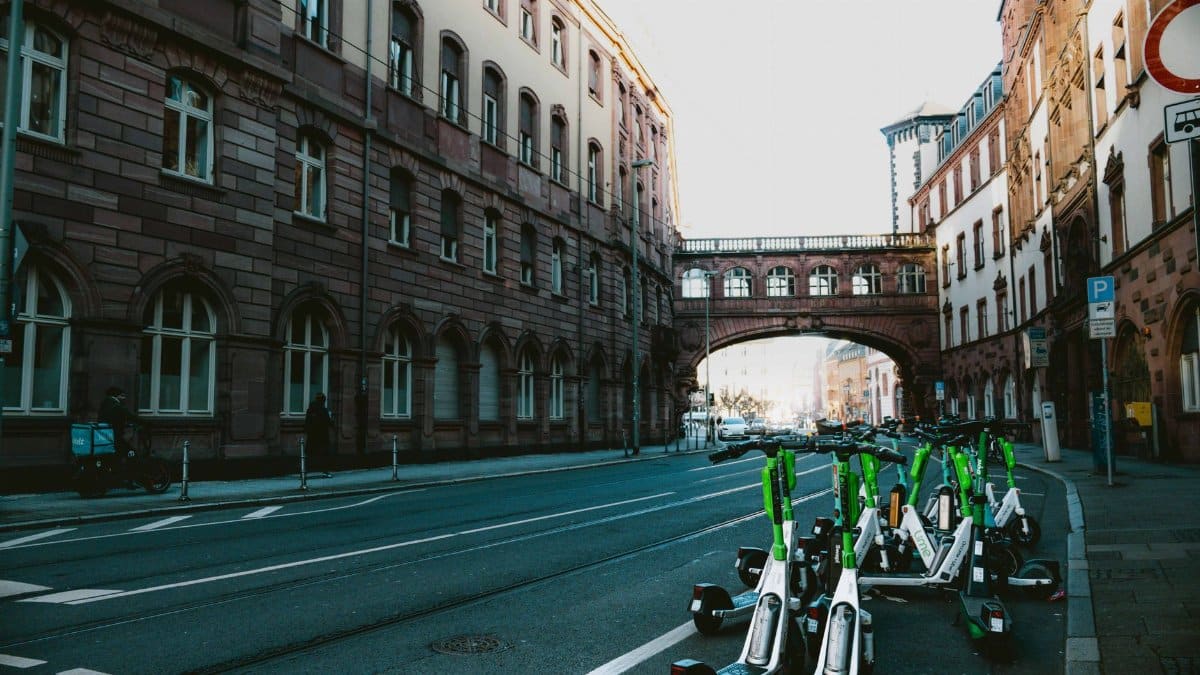
On a Saturday morning along North Wayne Avenue, sidewalks fill with people carrying coffee and shopping bags while cars stack up where the commercial streets meet Lancaster Avenue. That ordinary friction, charming and congested at once, is what Radnor Township has tried to name and manage. The newly adopted Vision for Wayne is less a slogan than a municipal attempt to hold together walkability, traffic, parking, and the small businesses that give the downtown its character. For a Main Line community proud of its historic fabric, the document reads as both a compliment and a warning. The place people love is under pressure from the very success that draws them there.
Why a downtown plan arrived now
Wayne has long sold itself on a particular kind of ease. The train is close. The shops are close. The houses, many of them older than the people who own them, sit a short walk from a commercial core that still feels like a town rather than a strip. That ease has been fraying. Regional traffic uses Lancaster Avenue as a through route. Visitors circle blocks looking for a space. Rents rise with the reputation of the address. Residents who once assumed the center would take care of itself have been asking township officials for a clearer picture of what comes next.
Adoption of the plan does not pour concrete or rewrite leases. It sets a shared description of problems and a preferred direction for later decisions. In local government, that step matters more than it sounds. Without it, every curb cut, every parking study, and every zoning tweak arrives as a one off fight. With it, officials can say whether a proposal fits a larger idea of the place. The risk, familiar to anyone who has watched a vision document gather dust, is that adoption becomes the end of the work rather than the start.
Takeaway one: walking has to be the default

The first lesson in the Vision for Wayne is that mobility is not only a question of how many cars can pass a signal in an hour. It is a question of whether a person can cross Lancaster Avenue, reach a shop, and return to a train or a side street without treating the walk as an obstacle course. Narrow sidewalks, long waits at lights, and driveways that interrupt the pedestrian path all chip away at the habit of leaving the car behind.
Planners often talk about mode shift as if it were a moral achievement. In Wayne the case is more practical. If more errands can be done on foot, fewer cars need a space in the same two blocks at the same hour. That does not require a car free fantasy. It requires crossings that feel safe to an older resident, lighting that works after dusk, and a street grid that rewards the short trip. Historic charm is not only brick and cornice. It is the ability to move through a place at human speed.
Takeaway two: Lancaster Avenue will not yield easily

Lancaster Avenue is the spine and the constraint. It carries local trips and regional ones, shoppers and commuters, buses and delivery trucks. Any serious downtown plan has to admit that the township does not fully control that road. State highway rules, signal timing, and the expectations of drivers who are only passing through all sit outside a single municipal vote.
Still, the edges of the avenue are where local policy can bite. How wide the sidewalks feel, how driveways are spaced, how buildings meet the street, and how side streets absorb overflow all shape the experience of the corridor even when the travel lanes remain busy. Residents who want quieter traffic and merchants who want visibility are not always asking for the same thing. A credible plan names that tension instead of promising that everyone will get a faster drive and a calmer sidewalk at once.
Takeaway three: parking is a management problem
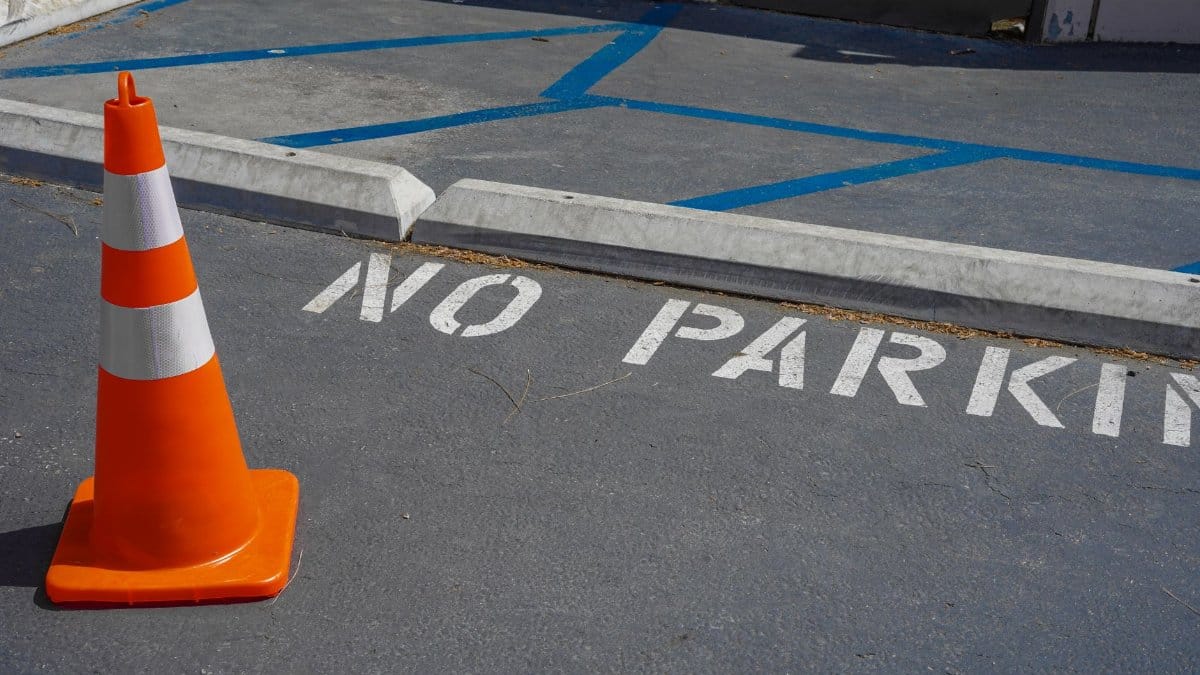
Ask ten people in Wayne what is wrong with downtown and several will say parking before they say anything else. The complaint is real, and it is also incomplete. Some spaces sit empty a block away while the closest curb lanes look impossible. Employees occupy the spots customers want. Time limits go unenforced, or they are enforced in a way that feels hostile. Visitors from elsewhere do not know the system, so they circle.
The useful shift in recent Main Line debates is to treat parking as a managed public resource rather than a simple shortage of asphalt. Shared arrangements with private lots, clearer signs, pricing that reflects demand at peak hours, and protections for residents on nearby streets can stretch the supply that already exists. New garages are expensive, visually heavy, and slow to build. They may still be part of a long conversation. They should not be the only sentence in it. A town that prizes historic scale has to ask what a large deck would do to the streets it is meant to serve.
Takeaway four: market pressure is the quiet threat
Traffic is visible. Rent is not, until a familiar shop closes and a national tenant appears in the window. Wayne’s appeal to households with money is also its vulnerability. Landlords can command rates that independent operators struggle to meet, especially after a few hard years for retail and restaurants. The result is not always a vacant storefront. Sometimes it is a downtown that still looks full and feels less specific.
Municipal government cannot set private rents by wish. It can shape the conditions that make a local business more or less likely to survive. Predictable permitting, a public realm that brings people on foot, and zoning that does not treat every old building as a site waiting for maximum yield all matter. So does an honest talk about what the township is willing to do, and not do, when a beloved business asks for help. Market pressure is not a moral failure of shoppers. It is the arithmetic of a desirable address. Plans that ignore that arithmetic end up protecting a postcard while the tenants change underneath it.
Takeaway five: historic charm is an operating system
Charm is an easy word and a hard asset to maintain. Wayne’s downtown works because buildings sit close to the sidewalk, because blocks are short, and because the mix of uses still supports a day that is not only about buying one thing and leaving. Those patterns came from an earlier era of building. They can be lost one variance at a time if each project is judged only on its own site plan.
Preservation here should not mean freezing every facade in a museum condition. It should mean keeping the proportions, the walkable grain, and the mix that make the charm economically useful. A restored front on a street no one can cross is a backdrop. A lively storefront on a street people avoid after dark is a missed chance. The historic quality residents defend in public meetings is tied to function. When function fails, charm becomes a memory people drive past.
Takeaway six: adoption is a beginning, not a ribbon cutting

The sixth takeaway is the least glamorous and the most decisive. A vision that has been adopted still needs owners, budgets, and a sequence. Some recommendations are cheap and local: better signs, stricter coordination of street work, a clearer map of public and private spaces. Others require partners at the county or state level, or years of capital planning. If everything is listed as equally urgent, nothing is.
Residents should watch what appears in the next township budgets and in the agendas of planning and public works bodies. That is where a document either gains weight or fades into a PDF. Business owners should watch whether process gets simpler for small projects that fit the plan, or whether the new language becomes another layer of review. I have seen towns celebrate a plan and then relitigate its premises at the first controversial application. Wayne will face that test. The quality of the test will say more than the night of adoption did.
What residents are really arguing about

Under the technical language of mobility and markets sits a familiar argument about who the downtown is for. Longtime residents want a place that still feels like theirs, with room to park near home and shops that remember their names. Newer arrivals often chose Wayne because the center looked active and walkable, and they expect it to stay that way. Merchants need customers who can arrive, stay, and spend. Commuters need the train and the avenue to function on a weekday morning.
These groups overlap more than public comment sometimes suggests. The person worried about a chain replacing a bookstore may also be the person who drives to dinner because the walk feels unpleasant. The commuter may also be a neighbor. A good plan does not pretend those roles are separate castes. It looks for moves that serve more than one of them: a safer crossing that also shortens a merchant’s reliance on the closest curb space, a parking rule that frees a spot for a customer without punishing an employee who has no other option.
The Main Line context
Wayne does not plan in isolation. Nearby downtowns on the rail line face their own versions of the same squeeze: strong demand, limited land, historic streets asked to carry modern volumes, and a customer base that can shop anywhere. Comparisons can be useful if they stay humble. What works on one block may fail on another because of a highway jurisdiction, a rail underpass, or a different mix of ownership.
What travels well is the discipline of looking at streets as public rooms rather than as leftover space between buildings. Towns that have improved crossings, calmed the worst conflicts at driveways, and made the rules of parking legible tend to report the same modest result. The place does not become quiet. It becomes more usable. Usable is the right ambition for a downtown that sits on a major avenue and a busy rail line. Pastoral calm was never the offer.
Commerce, character, and the next storefront
If there is a single image that captures the stakes, it is the next vacant storefront. Who fills it will depend on rent, on foot traffic, on how hard it is to get a permit for a sign or a small renovation, and on whether the owner believes the block will still draw people five years from now. Policy cannot pick the tenant. Policy can tilt the odds toward a street where an independent operator has a fighting chance.
That tilt is not nostalgia for its own sake. Independent shops and restaurants are how a downtown stays distinct in a region full of the same chains. They are also fragile. A plan that speaks warmly about local business and then ignores loading, parking for staff, and the cost of delay in approvals has not really spoken about business at all. The Vision for Wayne will be judged, in part, by whether the next generation of storefronts still feels chosen rather than interchangeable.
How to read the document without cynicism or awe

It is easy to dismiss vision plans as consultant prose, and easy to treat them as promises. Neither reading is fair. The value is in the choices the text forces into the open: walk first, manage the parking you have, tell the truth about Lancaster Avenue, and protect the scale that makes the town worth the trouble. Those choices can guide a zoning map, a capital budget, and a conversation with state road engineers. They cannot, by themselves, lower a rent or shorten a queue at a light.
Readers who care about Wayne should keep a short list. Does the next public project make a crossing safer or a sidewalk more continuous? Does the next parking change reduce pointless circling? Does the next land use decision keep the downtown’s grain or trade it for bulk? If the answers keep lining up with the adopted direction, the plan is alive. If they do not, the community will have learned something useful anyway: that a vote to adopt is not the same as a habit of following through.
A town deciding what success looks like
Success, in this setting, will not look like a transformed skyline. It will look like a weekday when an older resident crosses Lancaster Avenue without hesitation, a Saturday when a visitor finds a space without a long hunt, and a year in which more than a few local operators renew their leases. It will look like historic buildings still doing daily work rather than posing for photographs.
Radnor Township has put a name on that hope. The Vision for Wayne now has to survive contact with traffic counts, lease rates, and the ordinary politics of a prosperous suburb. That is a harder assignment than adoption, and a more interesting one. Towns are not saved by documents. They are saved, when they are saved, by a series of small decisions that keep faith with a picture people were willing to share.