

On a gray morning in Anchorage, the kind that turns the inlet the color of old tin, a phrase has started to travel faster than the weather: Alaska gas Kremlin talks. It sounds like a cable from another era, yet it now sits inside arguments about who will pay for a pipeline that has been promised, delayed, redesigned, and promised again. What is new is not the dream of shipping North Slope gas. What is new is the suspicion, still unproven in any public ledger I have been able to examine, that money and machinery from Moscow might be threaded through a project sold to Americans as a purely domestic bet.
A pipeline that has outlived several political weathers
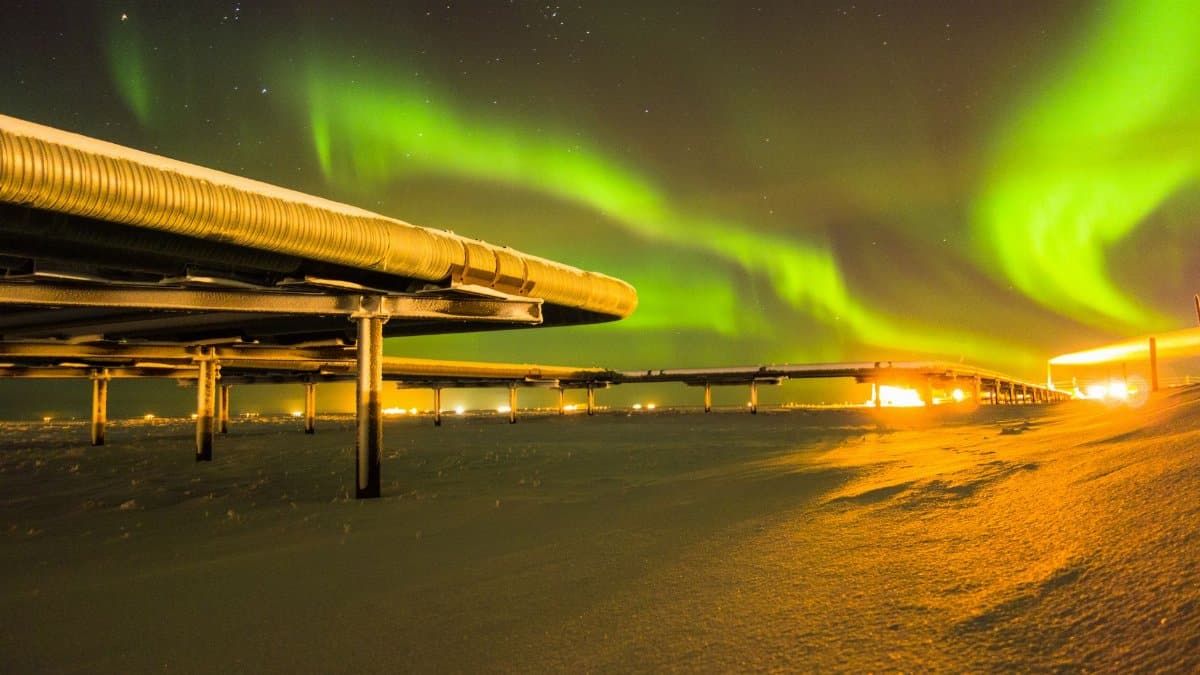
Alaska has lived with the idea of a major gas line for decades. Oil built the modern state budget. Gas, stranded in the same northern fields, has been the unfinished sentence. Governors have flown to Asia with slide decks. Legislators have argued over ownership. Companies have walked away when prices, permits, or partners failed to line up. The physical challenge has never been a secret. The gas is cold, far, and expensive to move. The political challenge is older still: who bears the risk if the market turns.
That history matters because rumor thrives where a project is both enormous and unfinished. When a plan depends on export contracts, federal permits, state credit, and private capital all at once, outsiders can imagine almost any financier in the wings. Imagination is not evidence. A serious reader should keep those two things apart even when the headline temperature rises.
What the phrase actually points to

Alaska gas Kremlin talks, as the shorthand now circulates, bundles several distinct claims. One claim is commercial: that an American developer has looked at Russian liquefaction know how, turbines, or engineering packages because they are cheaper or already proven in Arctic conditions. Another claim is financial: that some slice of the capital stack is obscured, routed through intermediaries, or timed to avoid a clear public disclosure. A third claim is diplomatic: that quiet contacts with Russian officials have continued even while official Washington treats Moscow as an adversary.
Those claims do not stand or fall together. A technology license is not the same thing as a hidden loan. A meeting is not the same thing as a treaty. Reporters who collapse them into a single thriller do readers no favor. The useful question is narrower. Which pieces, if any, appear in filings, contracts, export licenses, or on the record statements, and which pieces exist only as assertion?
Technology is not the same thing as allegiance

Arctic gas is a small club. A handful of firms worldwide have built large plants in serious cold, managed permafrost, and moved methane across oceans. Russian companies sit in that club because Russia has spent a generation building its own export system. American, European, Japanese, and Korean firms sit there too. Borrowing a compressor design or hiring a specialist does not, by itself, hand a state to a foreign government. It can, however, create dependence. Spare parts, software updates, and warranty terms become leverage if politics sour.
That is the practical risk, and it does not require a conspiracy to be real. If a plant in Alaska cannot run without a vendor that Washington may later sanction, the project has imported a foreign policy problem along with the hardware. State officials who wave that away as a procurement detail are asking residents to trust a supply chain they may not control.
Sanctions, licenses, and the gray edge of the law

Since the full scale invasion of Ukraine, the United States and its allies have restricted Russian energy technology, finance, and some shipping. The rules are detailed, uneven, and frequently updated. Some transactions that were ordinary in 2021 are restricted now. Some are legal with a license. Some are barred outright. Any Alaska project that touches Russian equipment or Russian capital has to live inside that maze, not beside it.
Hidden financing, if it existed in the strong sense, would not be a clever footnote. It would be a compliance problem with criminal edges: false statements, evasive ownership, or attempts to dodge Treasury rules. I have not seen a public document that establishes such a scheme. Until someone produces contracts, wire records, or a regulator’s finding, the honest sentence is that the allegation is unverified. Unverified is not the same as harmless. It is a reason to demand disclosure, not a reason to invent a verdict.
Why October rumors travel so easily

Energy stories often crest in the fall, when budget writers, campaign calendars, and winter fuel anxiety overlap. A date gets attached to a tip. A company denies a detail and confirms a meeting. Social feeds treat denial as proof. In that weather, Alaska gas Kremlin talks becomes a slogan rather than a subject. Slogans are efficient. They are also how states get stuck with projects they do not understand.
I have covered enough infrastructure fights to know the pattern. Supporters call every question unpatriotic. Opponents call every contract a sellout. The middle, where engineers and auditors live, gets little air. That middle is where this story will be settled, if it is settled at all: in ownership charts, in license applications, and in whether Asian buyers will sign long contracts at a price that covers an Arctic build.
What Alaskans actually need from a gas line
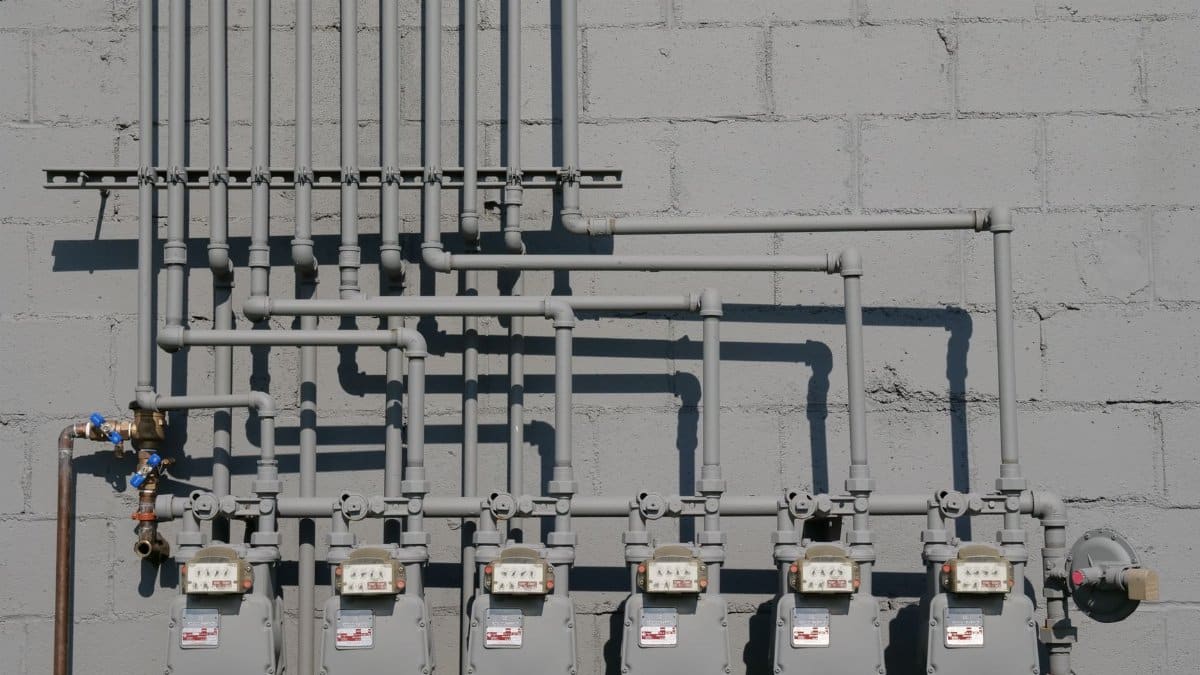
For people in the state, the romance of geopolitics is secondary to heat, jobs, and the dividend politics that shape every session in Juneau. A gas project that never ships a cargo still consumes years of staff time and political capital. A project that ships cargo but sends the rents elsewhere is a different disappointment. Residents are right to ask who owns the offtake, who guarantees the debt, and what happens if prices fall after the concrete is poured.
Those are kitchen table questions. They do not require a Kremlin plot to be urgent. They do require plain English from promoters. If Russian technology is under consideration, say so, name the vendor, and explain the sanctions analysis. If financing is private, name the lead lenders within the bounds of securities law. Silence reads as concealment even when it is only caution.
Washington’s split mind on energy and Russia
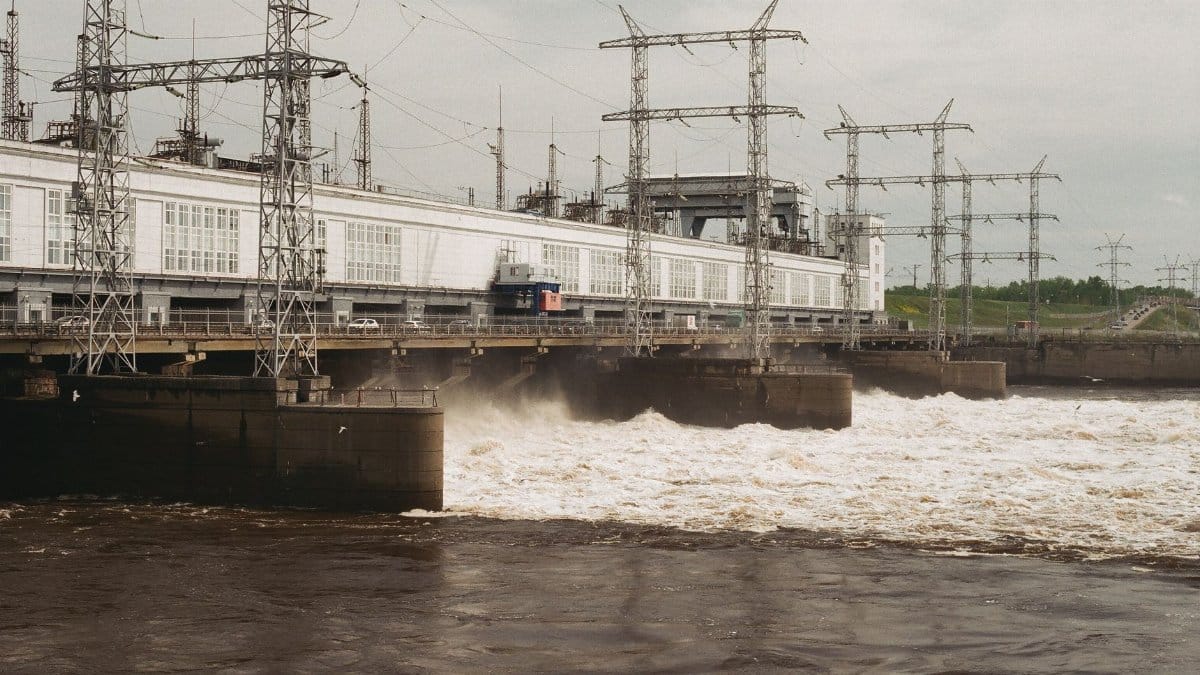
Federal policy has not been a single voice. One set of officials wants more North American gas in allied markets to displace Russian supply. Another set wants faster cuts in fossil use at home. A third set treats any commercial contact with Russian firms as unacceptable, whatever the commodity. An Alaska export plan collides with all three. It can be framed as a tool against Moscow and, in the same week, as a back door to Moscow, depending on which memo is leaking.
That split is not hypocrisy so much as unfinished strategy. The country has not decided whether gas is a bridge, a weapon, or a sunset industry. Until it does, every large project will be drafted into a larger argument it cannot resolve. Alaska gas Kremlin talks is one more draft of that argument, loaded with local concrete and national fear.
Asia is the customer that has not signed in ink
No hidden partner story matters as much as the buyers. Japan and South Korea have taken Russian energy before and have also spent heavily to diversify. China buys where the price and the politics allow. A pipeline or liquefaction plant in Alaska lives or dies on those contracts. If buyers will not commit, the capital stack is theoretical, Russian or otherwise. If they will commit only at a discount that ruins the economics, the state is being asked to subsidize a gesture.
Reporters should follow the offtake agreements with the same heat they bring to rumors of Moscow money. A signed contract with a creditworthy utility tells you more about viability than a dozen anonymous claims about intermediaries.
How to read a denial

Companies deny hidden financing the way they deny almost everything that is not yet in a prospectus: narrowly. “We have no Russian investors” can be true on Tuesday and incomplete if a contractor is Russian, a licensor is Russian, or a bank has a sanctioned affiliate one tier down. Journalists should quote the denial precisely and then ask the next question. Who is the engineering contractor? Where are the turbines made? Which law firm wrote the sanctions memo? Those questions are dull. They are also how false stories die and real ones survive.
Readers can do a version of the same work. If a claim names no document, no date that can be checked, and no agency that could confirm it, hold it lightly. If a claim names a filing, go read the filing. The internet has made both habits possible. It has not made them popular.
The cost of crying Kremlin without paper

There is a civic cost to treating every energy contact as treason. Engineers stop talking. Foreign specialists who are legally employable get treated as spies. Real sanctions evasion, when it happens, hides more easily in the noise. There is an equal cost to shrugging. A state that builds critical infrastructure on opaque money will not get to choose its creditors when trouble comes.
The disciplined path is boring and slow. Publish the ownership. Publish the vendor list. Let Treasury say, on the record, whether a license is required. Let legislators hold a hearing that is about documents rather than applause. If Alaska gas Kremlin talks is smoke, that process will show an empty room. If it is fire, the same process will show the source.
What I will and will not assert

I will assert this. Alaska still wants a way to sell gas that now mostly stays in the ground. The Kremlin remains a central actor in global gas, and any American project that brushes Russian technology will be judged in that light. Talks, licenses, and vendor lists are legitimate subjects of scrutiny. I will not assert that a concealed financing scheme has been proven, or that a particular October disclosure has settled the matter. Those sentences would require records I do not have. Inventing them would turn a real policy problem into fiction, and fiction is a poor guide for a pipeline.
The adults in this story, in Juneau and in Washington, can still choose daylight. Daylight will not make the gas cheaper. It will make the politics harder to counterfeit. Until then, the phrase will keep doing what slogans do: travel farther than the facts, and arrive in kitchens before the auditors do.