
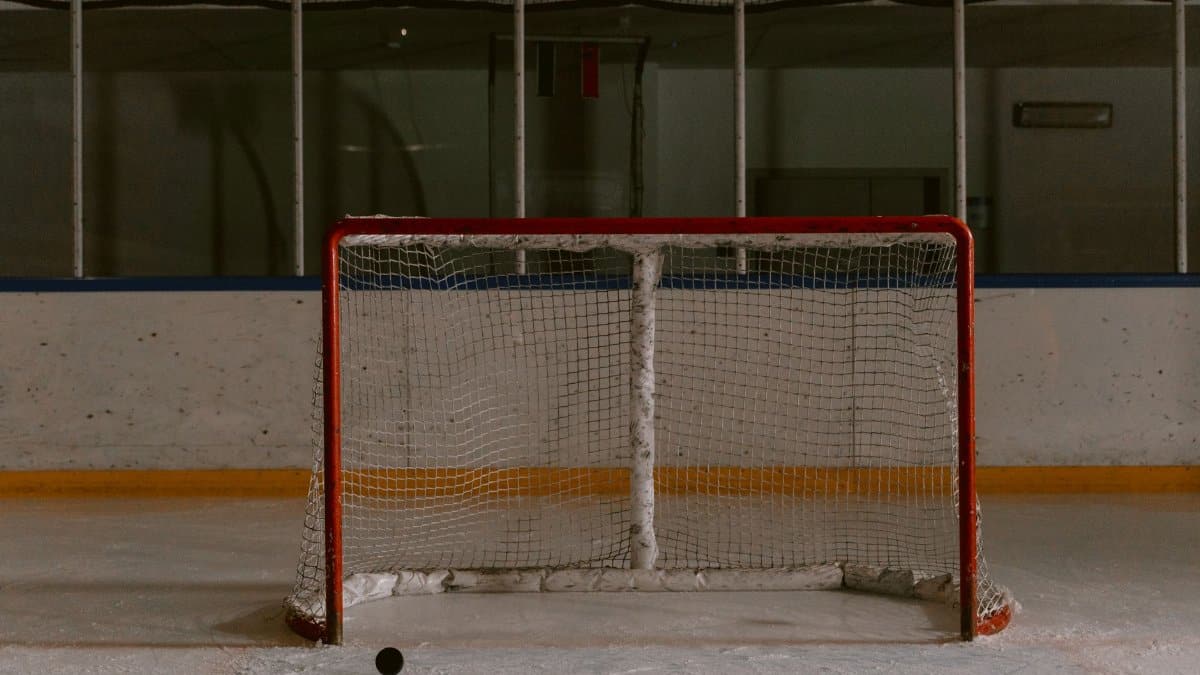
On a cold October night the United Center did not empty so much as it exhaled. People lingered in the aisles, coats half on, watching the ice the way neighbors watch a street after the last light goes out. The scoreboard had just changed, and the change felt larger than one goal. A Blackhawks Panthers loss, settled by Lars Eller in the closing minutes of the third period, gave Chicago its third straight defeat and left a young home side staring at a record of three wins and eight losses.
A building that still expects a different ending
Chicago hockey carries memory the way old brick carries weather. The banners are still there. The songs are still there. The crowd still rises on instinct when a rush breaks clean through the neutral zone. What has changed is the confidence that the last minute will belong to the team in red. For a long stretch on this night, that confidence had a reason to return. The Blackhawks were tied. They had survived Florida pressure. They had answers at even strength. Then the game asked for one more careful minute, and the minute was not careful enough.
That is the cruel arithmetic of a season that is still young and already feels old. Three wins do not erase eight losses. A tied score in the third period does not erase the habits that let a tied score become a loss. Fans who have watched this franchise through glory and through rebuilding know the difference between a bad bounce and a pattern. Eller finishing a late chance looked, in the moment, like a bounce. In the standings, it looked like a pattern.
How the night actually moved

Florida did not need to dominate every shift to control the mood. The Panthers play a grown up game, even when the phrase is only a description and not a slogan. They protect the middle of the ice. They arrive at loose pucks with a second player already thinking about the next one. They do not panic when a period tilts the other way. Chicago, by contrast, played long stretches that were honest and energetic, the kind of hockey that can win on a given night if the details hold.
The first period was a feeling out, more structure than spectacle. Both teams tested the edges. Chicago generated looks from the slot that did not quite become danger. Florida answered with cycles along the wall and a patient power play that moved the puck without forcing a hero shot. The second period opened the game. Chances came in pairs. A home goal brought the building up. A Florida reply brought it back down. By the time the third period began, the score was level and the night had the shape of a game that would be decided by who blinked.
Nobody blinked in a dramatic way. That is what made the ending feel so plain, and so heavy. There was no circus save to rewrite the story and no empty net farce. There was a shift that lasted a little too long, a clearance that did not clear, and a veteran forward who has made a career of being in the right quiet place.
The goal that closed the argument

Lars Eller is not the name casual fans chant when they talk about Florida. He is the name coaches trust when a game is stuck between tied and lost. His goal, late in the third period at home, made the final 3 to 2. It was not a highlight that will live for decades. It was a professional finish on a play that Chicago will watch until the frames feel unfair. The puck came to him with enough time. The net was not a rumor. He put it there.
Late goals rearrange a room. Before them, every fan is a tactician. After them, every fan is a witness. The Blackhawks Panthers loss will be filed that way in the early scrapbook of this season: not as a blowout, not as a collapse from the opening faceoff, but as a game Chicago was still in until it was not. That category is its own kind of pain. Blowouts let you leave early. Close losses make you stay and negotiate with yourself in the car.
What three and eight actually means

A record of three wins, eight losses, and no overtime results is not a verdict on April. It is a verdict on October, and October verdicts still matter. They shape ice time. They shape confidence. They shape whether a coach can keep teaching or must start surviving. Chicago sits near the bottom of a league that does not pause for philosophy. Every other team is also collecting points, including teams that look just as unfinished and somehow find a way to bank a win on a Tuesday.
Three straight losses turn a slump into a conversation. One loss can be a goalie night. Two can be schedule cruelty. Three asks whether the same mistake is wearing different sweaters. Against Florida, the mistake was not effort. The mistake was the last management of the puck when the game was asking to be closed, not won in a blaze. Good teams treat a tie late at home as something to protect and then steal. Chicago treated it as something still open, and Florida walked through the opening.
Florida and the muscle memory of winning
The Panthers arrived in Chicago with the posture of a club that has already learned what spring feels like. That does not make them invincible in October. It does make them annoying in the best hockey sense. They do not need the game to be beautiful. They need the game to be theirs in the moments that counting stats sometimes miss: the stick on a passing lane, the center who loses a draw and still arrives first, the winger who does not cheat for offense when the clock is a liability.
Eller fits that portrait. So does the rest of a lineup built to frustrate. Florida can play with skill. On this night it mostly played with sequence. Win the wall. Win the next touch. Make the home team take a penalty or a risk. When neither fully arrived, take the late chance anyway. A champion does not always look like a champion for fifty five minutes. Sometimes a champion looks ordinary until the fifty sixth.
For Chicago, that is the opponent you least want while you are trying to become reliable. You can learn from a sloppy rival. You mostly get punished by a finished one. The Panthers did the punishing without turning the night into a spectacle, which is another way of saying they respected the job.
Where Chicago was genuinely good

It would be lazy to describe this only as failure. The Blackhawks had stretches of real hockey. Their best forwards attacked with straight lines instead of circles. Their defense, at times, stepped up at the blue line and turned dumps into counters. The crowd responded because the crowd can tell the difference between chasing and playing. There were shifts when the home team looked like a group that will, on other nights, be the one scoring at 18 minutes and change.
The tying play, whenever it arrived in the flow of the night, had the right ingredients: a retrieval, a quick up, a shot from a place goalies hate. Those ingredients are not accidents. They are the product of practice and of a roster that is no longer only a collection of prospects waiting to be old enough. Some of these players are old enough now. The standard has to rise with them. A good period is no longer a moral victory. A good period is the entry fee.
The small edges that keep showing up
Special teams did not sole author this game, but they annotated it. Florida moves the puck on the power play as if the extra man is a plan rather than a gift. Chicago killed what it needed to kill for long stretches and still spent energy it would have preferred to spend at five on five. Every penalty in a one goal game is a tax. Some taxes you can afford. In a season that already includes eight losses, the tax rate matters.
Faceoffs, clears, and line changes sound like clinic talk until they decide a home night. The late Eller goal will be remembered as a finish. It began earlier, in a zone exit that never quite exited and in a change that left the wrong matchup for a few seconds too many. Coaches live in those seconds. Fans live in the finish. Both are describing the same play from different rooms.
Goaltending and the blame that does not fit
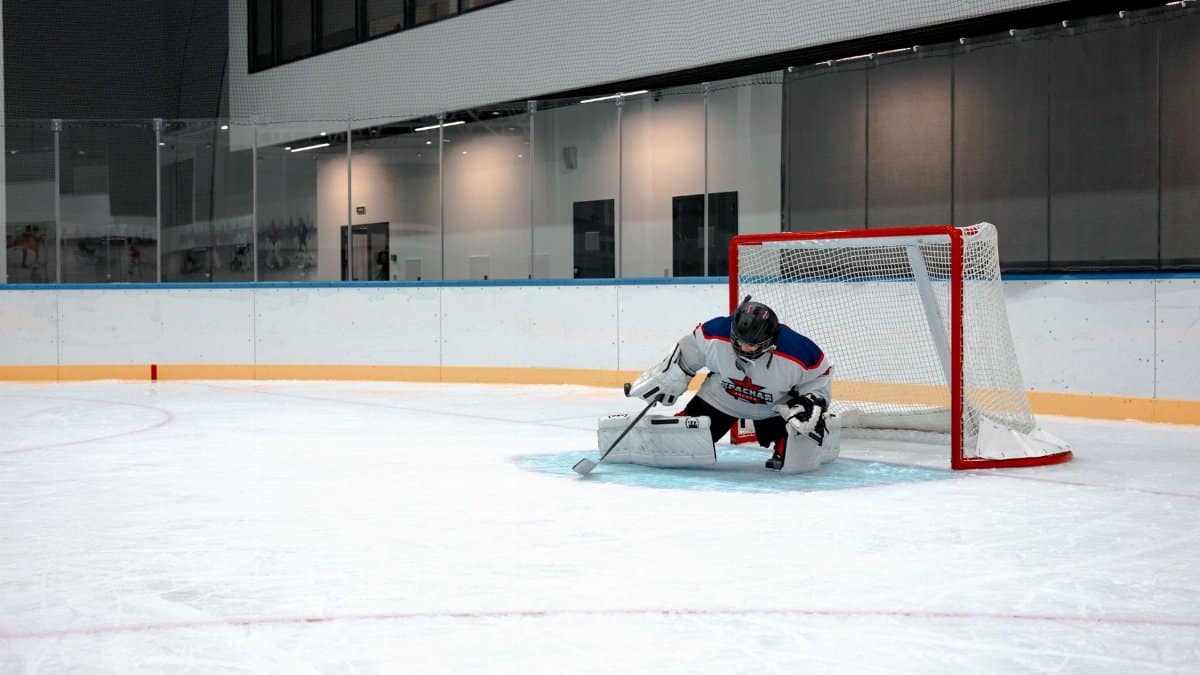
It is tempting, after a 3 to 2 loss, to put the night on the goaltender or to absolve him completely. Neither instinct is serious. Chicago got enough saves to be tied late against a team that knows how to create second chances. Florida got the save it needed when Chicago pushed. The last goal was not a howler from the blue paint. It was a finish that beating required earlier help: a stick, a body, a clearance to the neutral zone that actually arrived there.
That distinction should matter inside the room. If players decide the goalie stole nothing and gave nothing, they miss the lesson. If they decide the goalie lost it, they miss it too. The lesson is shared custody of the final minutes. Shared custody is unromantic. It is also how teams stop repeating the same third period.
What a coach can say without wasting words

Public language after a third straight loss tends to shrink. Effort was there. Details were not. We will look at it. Those sentences are true and also insufficient, which is why they frustrate people who paid for a ticket and a result. The more useful conversation happens on video, with pauses. Here is the stick not on the ice. Here is the center drifting. Here is the winger watching the puck instead of the man. None of that requires a speech. It requires repetition until the picture changes.
Chicago does not lack talk. It lacks, right now, the boring consistency that turns talk into points. A Blackhawks Panthers loss of this shape is useful film because it is not chaos. Chaos hides. A 3 to 2 game with a late winner shows the exact frame where a season can still be bent back toward respectability.
A crowd learning how to wait

I have sat in enough hockey buildings to know that loyalty is not the same thing as patience, though people pretend they are twins. Loyalty buys the jersey. Patience stays for the power play that has already failed twice. On this night the crowd gave both, then gave silence, which is its own review. Silence after a late goal is cleaner than boos. It says the fans understood the play and did not enjoy understanding it.
There is a ritual quality to following a team through a thin October. People arrive anyway. They stand for the anthem. They track a kid on the fourth line as if he were already a solution. That devotion is not theology, but it is a kind of faith with a scoreboard attached, and the scoreboard is ruder than any sermon. It does not care that you drove in from the suburbs or that you remember cup parades. It cares whether the clear got out.
The roster between promise and proof

Chicago is in the awkward middle of a build, the part where prospects are no longer rumors and veterans are no longer a full shelter. That middle produces nights exactly like this one. Skill shows up in flashes that make you lean forward. Structure shows up in flashes that make you nod. Then a finished opponent spends ninety seconds being more organized, and the flashes get filed under almost.
Almost is not an insult if it is trending toward something. Almost is an insult if it is a costume the team wears every week. The next ten games will tell which version this is. If the same late leak appears against lesser opponents, the conversation shifts from growth to urgency. If the leak gets plugged and a win follows a tied third period, this Florida game becomes a receipt rather than a diagnosis.
What the schedule will demand next

The league does not offer a week of reflection. There is another puck drop, another travel day, another opponent that watched this tape and noticed the same late tilt. Chicago will need a start that is cleaner than hopeful, and a finish that is stingier than brave. Brave is what rebuilding teams advertise. Stingy is what winning teams become.
Florida leaves town with two points and no need to explain itself. That is the privilege of a late goal on the road. Chicago stays home with the tape and the record. Three and eight is not a tombstone. It is a warning label. Warning labels work only if someone reads them before the next accident.
A loss that will linger past the highlights
By morning the goal will be a clip, eight seconds long, with a caption and a comment section that thinks it understands hockey. The clip will show Eller and the net. It will not show the shift before, the missed clear, the matchup, the fatigue, the choice to pinch or not to pinch. Those are the parts that decide whether a franchise is actually learning.
Hold the full night in view and the story is simpler than the comments and sadder than the caption. Chicago played well enough to be tied. Florida played well enough to stop being tied. The Blackhawks Panthers loss sits in that narrow space, which is where seasons either harden or fray. Another home crowd will be back soon, ready to rise on instinct. The question is whether the last minute will finally rise with them.