
On a steep residential block where the usual soundtrack is cable cars in the distance and footsteps on a grade, a vehicle collision tore into buried infrastructure and changed the afternoon in an instant. San Francisco firefighters and utility crews converged after the impact ruptured a Russian Hill gas line, and officials told people on one block to shelter in place while the leak was brought under control. Two adults suffered minor injuries. For everyone else nearby, the urgent facts were simpler and stranger: stay inside, keep away from the street, and wait for the smell of gas to be declared gone.
A quiet block interrupted
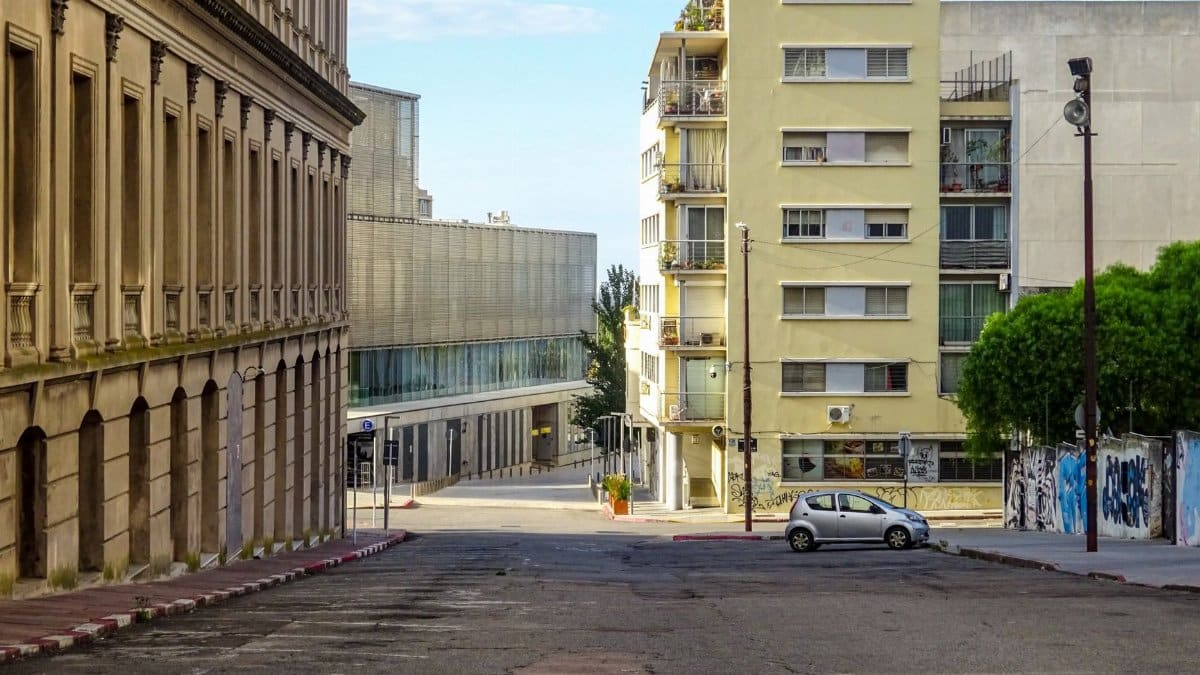
Russian Hill is one of those San Francisco neighborhoods that can feel almost village like until the city reminds you it is still a dense machine of pipes, wires, and traffic. Houses sit close. Garages open onto narrow streets. Pedestrians share the pavement with delivery vans that misjudge the slope. When something fails underground, the effects do not stay theoretical. They arrive as odor, noise, and a sudden crowd of uniforms.
Neighbors described the sequence in the plain language people use when routine breaks. There was a crash. Then there was the particular rotten egg scent that utilities add to natural gas so a leak cannot hide. Within minutes the block was no longer a place to walk a dog or fetch a car. It was a work zone with a public safety perimeter.
How a collision becomes a leak

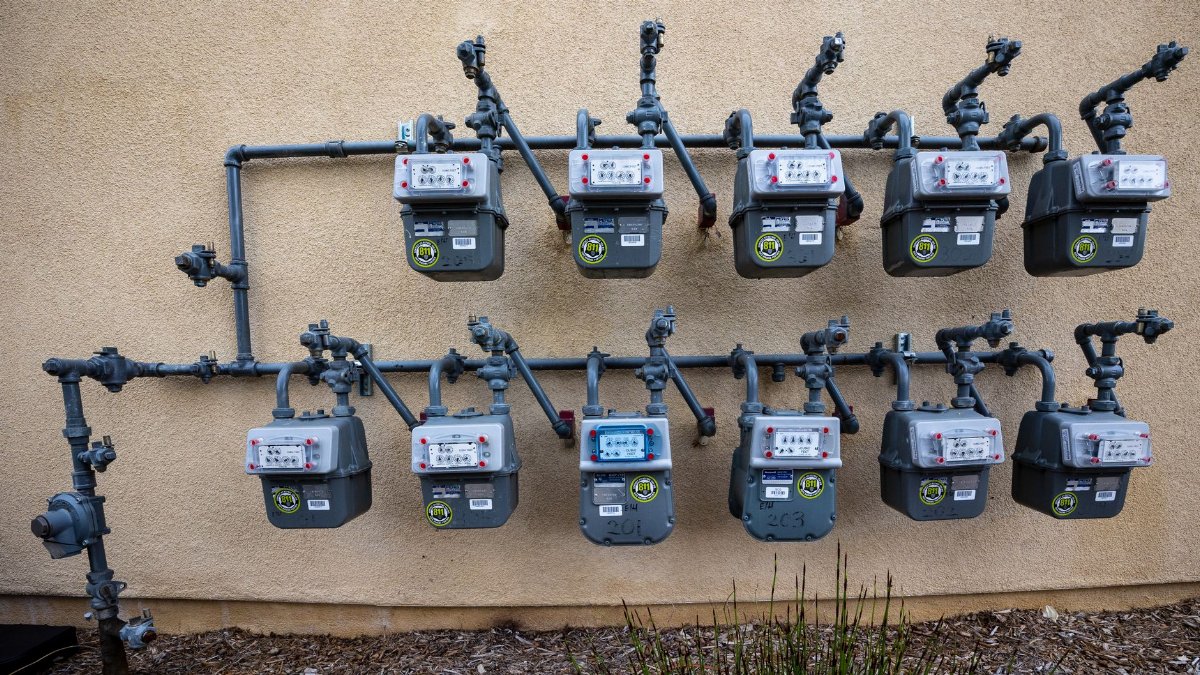
A gas main does not need a dramatic explosion to become an emergency. A vehicle that leaves the roadway, strikes a meter, or shears a service connection can open a path from pressurized pipe to open air. Crews treat that opening as urgent even when flames never appear. Gas that accumulates in a basement, a garage, or a storm drain can ignite later, far from the original impact.
In this case the triggering event was a vehicle collision, not a planned excavation or an aging joint that failed on its own. That distinction matters for investigators, who will want to know speed, angle, and whether the strike hit a riser, a valve box, or the line itself. For people on the block, the distinction mattered less than the instruction that followed: do not treat this as a fender bender you can film and walk past.
Why officials chose shelter in place
Shelter in place sounds like a phrase borrowed from worse disasters, and that is part of why it startles people on a residential street. The order here covered one block, not a neighborhood wide evacuation. The logic is practical. If gas is venting outdoors and the wind is carrying it, moving large numbers of residents into the street can put them closer to the plume. Staying inside, with windows closed and ventilation off, can be the safer short term choice while crews isolate the flow.
Fire officials generally want three things at once: keep ignition sources away from the leak, keep bystanders out of the vapor path, and give utility workers room to shut valves without an audience pressing in. A shelter in place order is one tool among those. It is not a judgment that every building is contaminated. It is a way to freeze movement until measurements say the air is clear.
Two adults and the scale of harm
Two adults sustained minor injuries, a fact that will read as relief to anyone who has watched gas incidents turn fatal in other cities. Minor does not mean trivial to the people who were hurt. It means the collision and its immediate aftermath did not produce the kind of trauma that fills an emergency department for days. It also means the story, as first reported, is not chiefly a medical one. It is a story about how close a city street sits to energy infrastructure that most residents never see.
Injuries in these events often come from the crash itself rather than from inhalation or fire. Broken glass, a sudden stop, a body thrown against a door frame: those are familiar mechanisms. The gas leak adds a second clock. Even when people walk away, crews cannot declare the scene ordinary until the line is pinched off, purged, and tested.
What the Russian Hill gas line required of crews
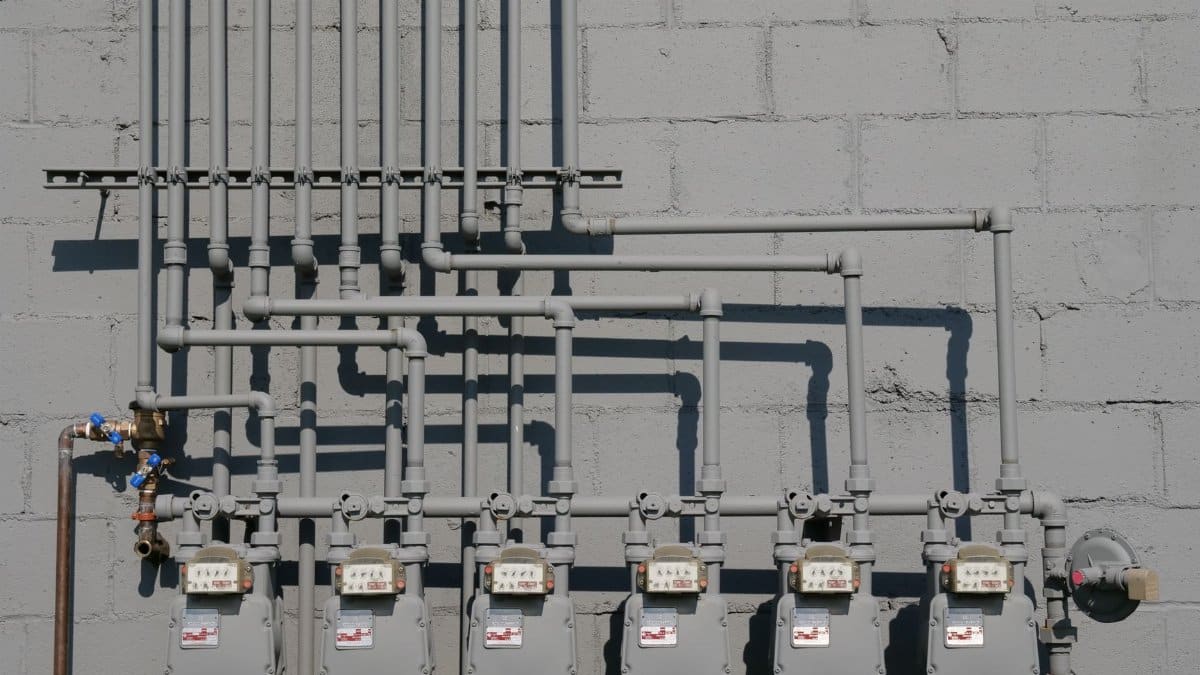
Repairing a ruptured line is less cinematic than the arrival of engines and more exacting. Workers need to locate the isolation points, confirm which customers lose service, and excavate without creating a spark. They monitor the air with detectors that read in percentages of the lower explosive limit, a technical threshold that translates, in plain speech, to whether the mixture can burn. They may wet down the area, control traffic on the hill, and coordinate with police so a curious crowd does not drift back in.
Pacific Gas and Electric, the investor owned utility that serves most of San Francisco, maintains maps and emergency valves for this kind of call. A hill neighborhood complicates the work. Grades are steep. Access for heavy equipment is tight. Parked cars that were irrelevant at noon become obstacles at the moment a backhoe needs a lane. None of that is unique to this street, but all of it shapes how long a shelter order lasts.
The instruction residents actually needed
Public messaging in the first hour has to be repetitive because people hear it under stress. Stay indoors if you are on the affected block. Do not light matches, candles, or cigarettes. Do not start vehicles in garages. Avoid light switches if you already smell gas strongly indoors, and leave if the odor is inside rather than only on the street. Call from a safe distance if you believe gas has entered your building. These are standard cautions, and they are standard because the failure modes are well understood.
People just outside the order face a different discomfort: they can see the lights and are not sure whether they are supposed to alter dinner plans, pick up children, or keep windows shut as a precaution. Officials usually draw the line tightly so that a one block problem does not become a rumor covering half a hill. Precision is a form of calm.
A neighborhood built on fill, slope, and old maps
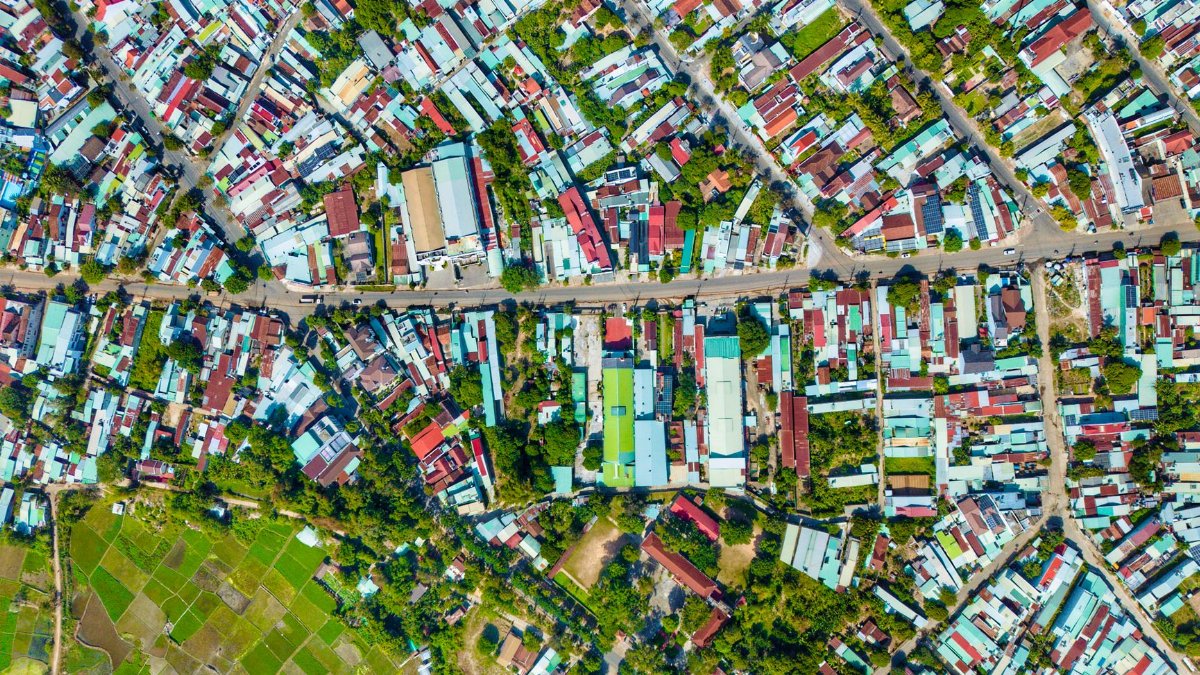
Russian Hill’s name is a relic, and its streets are a negotiation with topography. Some blocks sit on firmer ground than the filled flats below. Others carry the memory of slides, retrofit debates, and the long argument about how a wooden, closely packed city should live with gas heat and gas cooking. Most days that argument is invisible. A rupture makes it visible again.
Urban gas networks are old in the way bridges are old: parts replaced, parts original, all of it expected to perform as if age were irrelevant. Vehicle strikes are a known hazard at meter sets near curbs and at service lines that cross driveways. Cities can bollard the obvious spots. They cannot bollard every foot of pipe under a parked car. The residual risk is accepted until a crash spends it.
Memory of other leaks, without exaggeration

San Francisco has lived through gas emergencies that reshaped regulations and through countless smaller releases that never made a second day headline. It is tempting, in the first hours, to reach for the worst precedent. That reach is usually unfair to the facts on the ground. A shelter in place covering one block, with two adults hurt in minor ways, belongs in the category of serious but contained. Contained is not the same as unimportant. It means the system of response did what it is designed to do: shrink the danger before it travels.
Residents who remember the 2010 pipeline disaster in San Bruno, miles south of the city, sometimes hear any gas story through that lens. The comparison can clarify why crews move fast. It can also distort a hillside fender bender into a prophecy. Good reporting keeps those scales separate. Different pressures, different pipe classes, different outcomes. The shared element is odorant, training, and the public habit of taking the smell seriously.
The afternoon as a civic pause

There is a particular quiet that follows a shelter order once the sirens settle. People stand at windows. Someone texts a photo of caution tape. A restaurant down the slope wonders whether deliveries will get through. Children home from school are told, without much explanation, not to open the front door. The city continues on the next ridge, unaware. That unevenness is how local emergencies feel from inside them: total on your block, invisible two blocks away.
I have walked these hills on ordinary evenings when the only hazard was a wet leaf on a stairway. The infrastructure underfoot does not announce itself until it fails. When it does, the appropriate response is not panic and not shrug. It is attention: to the order, to the odor, to the crews who would rather be boring than brave.
After the valves close

Once the flow is stopped, the visible emergency ends before the practical one does. Some buildings may be without gas until a section is replaced and appliances are relit by qualified technicians. Streets may stay closed while pavement is restored. Investigators will document the collision. Insurance adjusters will follow. The shelter in place order lifts when monitors, not rumor, say it should.
For the wider city the lesson is modest and worth keeping. A Russian Hill gas line is not an abstraction in a planning document. It is a pipe under a street where cars still miss a turn. The response that followed a rupture this week, limited in geography and limited in physical harm, is what competent local government looks like when it works: fast perimeter, clear instruction, no theatrical expansion of fear. Residents on that block earned the right to a dull evening afterward. Dull, in this context, is the goal.