
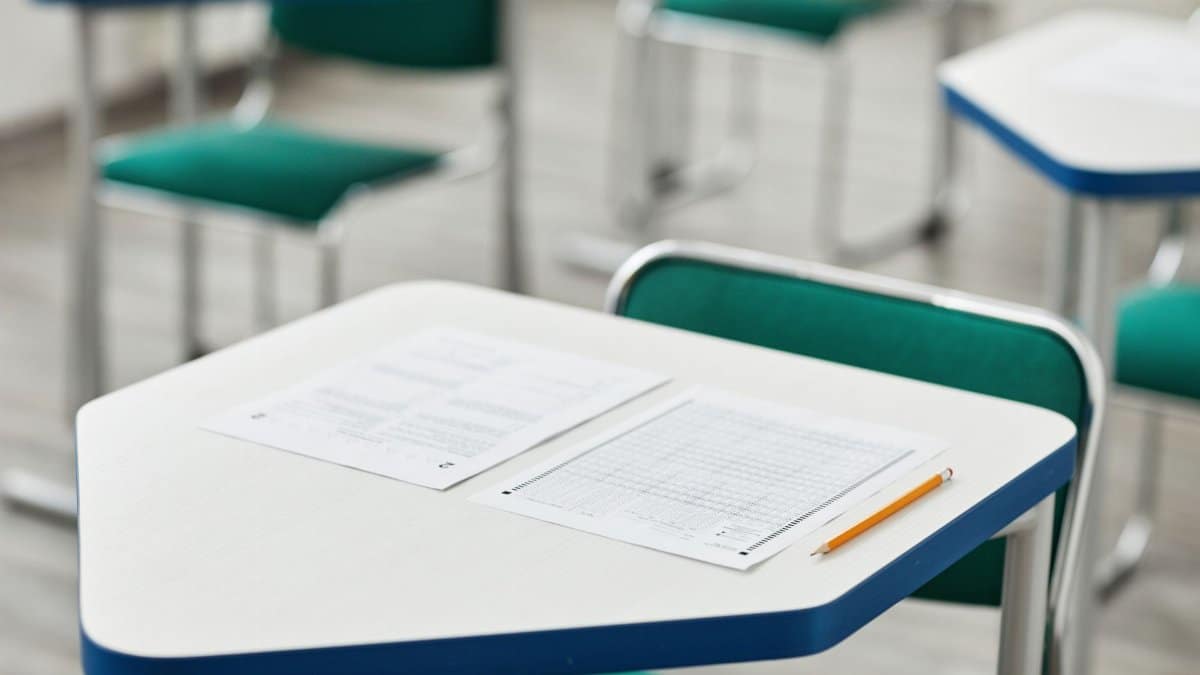
On a morning when many families in Brazoria County expected silence, sharpened pencils, and the low hum of a timed exam, the plan changed. Connectivity issues forced a delay, and the phrase Alvin ISD PSAT moved from a routine calendar note to a community question. Students at Alvin High School and Caffey Jr. High had prepared for a test that often feels like a first serious look at college readiness. Parents had arranged rides, work schedules, and quiet evenings. Then the district said the exam would wait. The postponement was practical, not dramatic, yet it landed in a season when every school day already feels full.
What families expected that morning

Testing mornings have a particular texture. Hallways are quieter than usual. Teachers trade their regular lesson plans for scripts, timers, and seating charts. Students arrive with admission tickets, calculators, and the slightly formal posture of people who have been told this hour matters. In Alvin, that script broke before it could fully begin at two campuses. District officials pointed to connectivity problems that made it impossible to proceed as planned. The result was a postponement rather than a half finished sitting that might have produced scores nobody could trust.
For parents who had built the week around the exam, the news arrived as both relief and irritation. Relief, because a flawed administration is worse than a delayed one. Irritation, because calendars do not bend easily when shifts, carpools, and younger siblings are already locked in. A postponed test is not a canceled ambition. It is a rearranged one, and rearranged plans still cost attention.
Why this exam still carries weight
The PSAT is not the SAT, and it is not a final verdict on a teenager. It is a practice measure with real consequences attached for some students, especially those hoping to enter scholarship competitions that use the scores. Even for students who will never chase a national award, the sitting offers a clear picture of reading, writing, and math skills under time pressure. Counselors use the results to suggest courses. Families use them to decide whether a tutor, a summer class, or simply more sleep would help.
That is why a glitch feels larger than a technical memo. When Alvin ISD PSAT testing slips, the academic calendar does not pause with it. Classes continue. Other assessments arrive. The emotional runway that students built for one morning has to be rebuilt for another. Adults sometimes forget how much of adolescent performance is rhythm. Break the rhythm and the content knowledge is still there, but the confidence may need a second assembly.
Where the delay actually landed

The postponement did not blanket every campus in the district. It centered on Alvin High School and Caffey Jr. High, the sites named in local reporting after connectivity trouble interrupted the plan. That distinction matters. Neighbors in the same district can have entirely different mornings. One student sits the exam. Another is sent back to a regular schedule or told to wait for a new date. The unevenness is not unfair in the moral sense if the alternative is bad data, but it does create a strange social weather. Group chats fill with questions. Younger students ask older ones what the room felt like. Older ones have nothing yet to report.
I have watched enough school parking lots to know that uncertainty travels faster than official language. A short district note can be accurate and still leave a parent standing beside a car, phone in hand, trying to translate procedure into a sentence a fourteen year old will accept. The translation usually sounds like this: you did nothing wrong, the system failed, and we will try again.
What connectivity failure really means

Modern testing is no longer only paper, pencils, and a proctor with a wall clock. Many administrations depend on devices, secure browsers, and networks that must hold steady for every student at once. When those networks falter, the failure is not abstract. A login screen that spins is a closed door. A dropped connection mid section can invalidate a score. District technology staff then face a choice that looks simple from the outside and miserable from the inside: push through and risk unusable results, or stop and reschedule.
Stopping is the more responsible choice, and it is also the choice that generates headlines. Alvin ISD PSAT coverage focused on that stop, not on a scandal or a policy fight. Connectivity issues are mundane until they collide with a high stakes morning. Then they become a public lesson in how much of schooling now rests on infrastructure that parents rarely see. Servers, access points, bandwidth, and vendor platforms are as much a part of the testing day as the answer sheet used to be.
How a district explains a broken plan

Communication is the second test, and it is graded in real time. Families want three things: what happened, who is affected, and when the exam will occur. They also want tone. A note that sounds evasive breeds rumor. A note that sounds panicked breeds fear. The useful message is plain. The network could not support the administration. Testing at the named schools is postponed. Students should keep preparing, but they should not treat the delay as a personal failure.
Local accounts, including reporting in the Houston Chronicle, framed the story in those practical terms. There was no suggestion of misconduct and no hint that students had been blamed. That restraint is worth noticing. School communities are quick to hunt for a villain when a plan collapses. Sometimes the villain is a cable, a capacity limit, or a platform that buckled under simultaneous demand. Naming the mechanical cause does not erase frustration. It does keep the frustration aimed at a fixable problem.
What students can do with the extra days

A postponement is not a vacation from the material. It is a narrow gift of time, and narrow gifts are easy to waste. Students who already completed practice sets do not need to restart from zero. They need to protect the habits that make a timed exam survivable: reading the question fully, skipping what stalls them, returning with a cooler head. A few carefully chosen practice sections beat a frantic stack of worksheets.
Sleep matters more than another late night of highlights. Food matters. So does the decision to leave the phone outside the bedroom. None of this is mystical. It is the ordinary discipline of performance, the same discipline a musician uses before a recital that has been moved from Friday to the following Tuesday. The piece has not changed. The nerves have, and nerves respond to routine.
Teachers can help without turning every class into a cram session. A short reminder of pacing, a review of calculator rules, and a clear statement of the new date will do more than a surprise quiz meant to simulate pressure. Pressure is already present. Clarity is the scarce resource.
What parents are really asking

Under the logistical questions sits a quieter one. Does this delay hurt my child relative to students who tested on time? In most cases, the answer is no, provided the makeup is administered under the same rules and scored on the same scale. Comparison is the habit American schooling trains early. It is also the habit that turns a technical postponement into a private anxiety. Parents of middle school and high school students know the feeling. College talk starts earlier every year, and a single morning can be asked to carry more meaning than it can hold.
A better question is whether the student understands what the score will and will not decide. It will not decide character. It will not decide whether a teacher believes in them. It may inform course placement and, for a smaller group, scholarship pathways. Holding both truths at once is the adult work. Minimize the exam and you lie. Inflate it and you add weight the morning cannot bear.
A wider look at testing days

Alvin is not the first district to discover that a digital exam is only as strong as the network beneath it. Across the country, schools have spent years moving assessments onto screens in the name of speed, security, and easier scoring. The gains are real when the systems work. Results can return faster. Paper handling shrinks. Accommodations can be built into the platform rather than managed with a separate stack of booklets.
The losses show up on mornings like this one. A paper test can survive a dead router. A connected test cannot. Districts that want the benefits of digital administration have to budget for the boring twin of innovation, which is redundancy. Backup bandwidth, spare devices, and a written plan for aborting an administration belong in the same conversation as curriculum. They are not glamorous line items. They are the difference between a completed sitting and a parking lot full of confused families.
The Alvin ISD PSAT postponement is a local story with a national shape. Communities will keep meeting this shape as more exams leave paper behind. The measure of a district will not be whether a glitch ever occurs. Networks fail. The measure will be whether leaders stop cleanly, explain plainly, and reschedule without turning students into collateral.
The junior high piece of the story

Caffey Jr. High deserves its own attention because the students there are younger than the high school cohort sitting a more familiar version of the exam. For many of them, this is an early encounter with a standardized college conversation. They may not yet have a favorite campus or a major. They do have a sense of whether school feels like a place that keeps its promises. A postponed test, handled with respect, can teach that adults will not push them through a broken process just to protect a calendar. Handled poorly, it teaches that their time is flexible and the institution’s pride is not.
Junior high is also where families start translating scores into stories about the future. Those stories should stay light. A practice exam at that age is information, not destiny. The postponement, inconvenient as it is, does not rewrite a transcript. It asks a younger student to wait, and waiting is a skill the rest of adolescence will demand often.
What comes next for the campuses

The practical sequence is familiar to anyone who has worked in a school office. Confirm the new date. Notify families in more than one channel, because a single email misses the households that live on text messages or paper notices. Rebrief proctors. Test the network under something closer to real load, not a quiet afternoon with a handful of devices. Give students the same instructions they would have received the first time, including what to bring and what to leave at home.
There is also a smaller courtesy that costs nothing. Acknowledge the inconvenience without theatrics. People can absorb a delay when they believe the institution noticed the cost. They struggle when the message sounds as if the morning never belonged to them.
When the Alvin ISD PSAT is finally administered at the affected schools, the scores will look like any other set of scores. They will not carry a footnote about the router. That is fine. The footnote belongs in the district’s memory, not on the student’s report. Memory is what turns an awkward morning into a better protocol for the next cycle.
Keeping proportion

It is easy, in a news cycle that rewards alarm, to treat every school disruption as a symbol of decline. This one does not require that reading. Students in Alvin still have classes, teachers, and a path back to the exam. The district identified a barrier and chose postponement over a compromised sitting. That is ordinary competence, which rarely trends and always matters.
Proportion is also a gift to the students themselves. They should hear that the delay is administrative, that their preparation still counts, and that one morning does not define the year. They should also hear that showing up for the rescheduled date is part of the work. Seriousness and calm can occupy the same sentence. In fact, they should.
For readers far from Brazoria County, the story is a reminder rather than a spectacle. The systems we ask children to trust are physical as well as intellectual. When those systems wobble, the right response is repair, explanation, and a second chance to sit the exam under conditions worthy of the effort already spent.