

On a weeknight along Aurora Avenue North, the lights of open businesses thin out long before the traffic does. Drivers pass shuttered windows, a bus idling at a stop, and small groups of people who seem to have nowhere else to wait. For voters in Seattle District 5, that stretch of pavement is not a symbol lifted from a campaign mailer. It is the route to groceries, school, work, and home. The contest to represent them has narrowed around a plain question: who can make the corridor feel safer without hollowing out the neighborhoods that depend on it.
The district and the stakes

Seattle District 5 covers a wide band of the north end, from Lake City and Northgate toward Haller Lake, Bitter Lake, and the blocks that live with Aurora every day. It is a district of apartments and single family houses, immigrant owned shops, big box parking lots, and bus lines that carry people who cannot afford a missed shift. City council races here rarely stay abstract. Residents talk about what they see on the walk from a stop to a front door, and about whether a call for help produces a person, a plan, or a recording.
Nilu Jenks and Julie Kang, the candidates seeking the seat, have put gun violence, trafficking, and store closures at the center of that conversation. The emphasis is not accidental. Lake City and Aurora have absorbed years of worry about shootings, exploitation, and businesses that close and do not return. Voters are not asking for a seminar on urban theory. They are asking which candidate can turn concern into a council vote, a budget line, and a follow through that survives the next news cycle.
A corridor that carries the whole argument
Aurora is both a state highway and a neighborhood street, which is part of why it defeats easy answers. Speed, poverty, addiction, vacant property, and a regional market for sex and drugs meet on the same miles. A city council member does not control the state roadway, the county jail, or federal trafficking law. Voters still judge the person who claims the district by what happens on those blocks, because that is where policy becomes visible.
Campaigns that treat the avenue as a backdrop miss the point. The people who live above shops, who staff late shifts, and who send children to schools nearby experience the corridor as a condition, not a slogan. Any serious platform has to say what will change on a Tuesday night, not only what will be studied by Friday.
Gun violence as a daily fact

Gun violence in this part of the city is not a single headline. It is a pattern of shots fired, injuries, fear that keeps families indoors, and businesses that shorten hours because staff will not close alone. Residents describe the sound of gunfire as something they have learned to locate, then report, then live with. That familiarity is its own indictment of how long the problem has been allowed to feel normal.
In Seattle District 5, candidates hear the same demand in different words: fewer guns in the wrong hands, faster response when violence starts, and a justice system that does not recycle the same small group of people through brief arrests. The tools sit in different agencies. Patrol staffing, prosecutors, judges, intervention workers, and hospital based programs all touch the outcome. A council member can fund some of that work, press the mayor, and refuse to pretend that a resolution is a result.
There is also a quieter cost. Parents reroute walks. Elders skip evening errands. Teenagers learn which corners to avoid. A district can post strong employment numbers and still feel smaller after dark. Candidates who talk only about crime statistics miss that shrinkage of ordinary life.
Trafficking and the fear it leaves behind

Trafficking along Aurora is often discussed in a whisper, then in a burst of anger. Neighbors see solicitation, exploitation, and the cars that circle. Service providers see people, many of them young, caught between violence, addiction, and buyers who treat a city street as a market. The moral clarity is easy. The operational path is not.
Enforcement that only moves people a few blocks does not end exploitation. Services that arrive without safety do not stick. Buyers rarely face the scrutiny directed at those who are sold. Jenks and Kang have both treated trafficking as a top concern, which matches what residents raise in living rooms and at community meetings. The harder test is whether either campaign can describe a sequence: disruption of the market, protection for people being harmed, and enough housing and treatment that leaving the street is a real option rather than a slogan.
Residents also want the city to stop speaking as if compassion and order are rival parties. A person can reject the abandonment of vulnerable people and still reject a sidewalk that feels unsafe for a child walking home. That combination is the actual politics of the district, and candidates who pick only one half of it will sound imported.
Store closures and a thinner Lake City
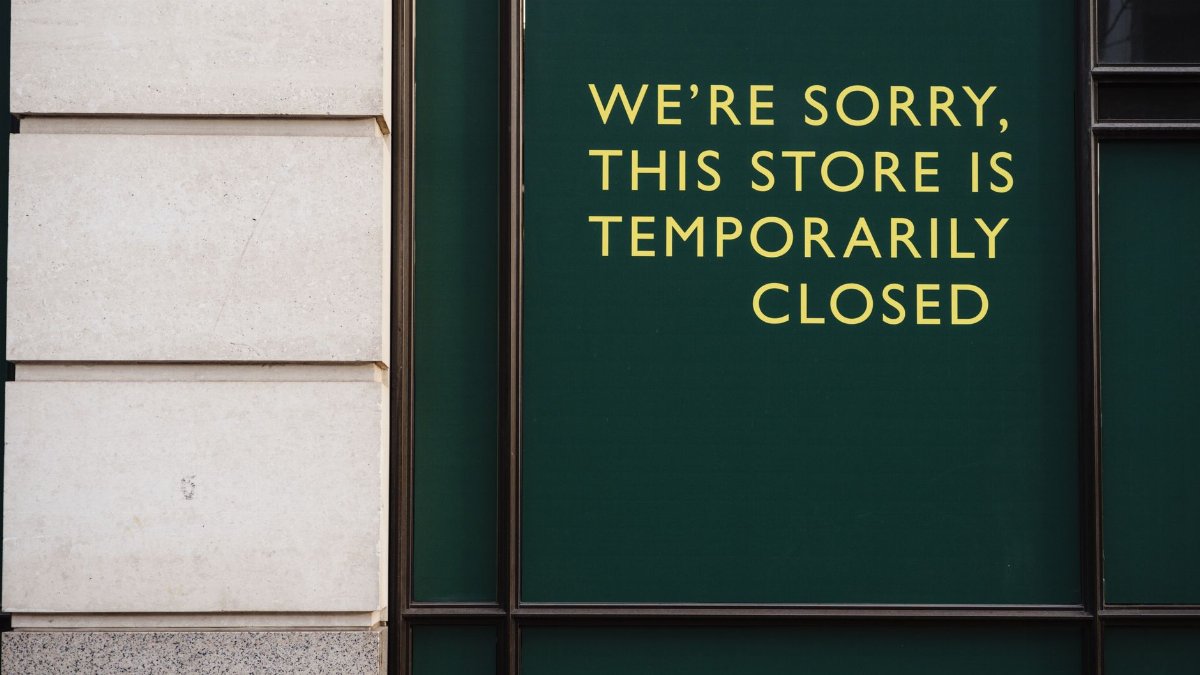
Lake City has long functioned as a town inside the city, with groceries, clinics, restaurants, and shops serving people who do not want a long trip south for basics. Store closures thin that fabric. A dark storefront is not only lost tax revenue. It is a longer walk for an older resident, a lost job for a clerk, and a signal that the block is no longer worth the risk of a lease.
Owners cite theft, slow police response, broken windows, and customers who stay away after a shooting or a visible drug market. Some of those accounts are precise. Some blend several years of frustration into one cause. Either way, the political effect is the same. People who kept a business open through hard seasons now talk about leaving, and their neighbors hear that talk as a verdict on the city.
Seattle District 5 cannot recruit its way out of that mood with a ribbon cutting. Small businesses need predictable safety, clean streets, permits that do not take a season, and a sense that reporting a crime is worth the time. They also need customers who believe the neighborhood is open for ordinary errands. Candidates who speak of economic development without speaking of that belief will sound like they have not stood in an empty aisle at closing time.
Nilu Jenks and a case for visible order
Jenks has campaigned as someone attentive to the street level failures that residents describe without waiting for a poll. The case associated with her run is that public order is a condition of dignity, not a code word, and that gun violence and trafficking will not recede if the city treats them as atmospherics. Supporters hear in that approach a refusal to normalize what they see on Aurora and in Lake City.
The risk in that framing is bluntness that outruns capacity. A council member can demand more visible policing and still collide with hiring delays, training bottlenecks, and a regional shortage of jail and treatment beds. Voters who want order will ask what happens in the months before a new officer is trained, and what happens to people who are exploited if the only answer is displacement. Jenks will be judged on whether her urgency comes with a sequence the city can actually staff.
Julie Kang and a case for steadier services

Kang has placed the same three problems, gun violence, trafficking, and shuttered stores, inside a broader argument about steadier city services. The appeal is practical. Residents do not experience crime, housing, mental health, and vacant property as separate budget chapters. They experience them as one block. A candidate who talks about coordination can sound closer to how a neighborhood actually fails or holds.
The risk is diffusion. When every crisis is linked to every other crisis, a campaign can describe the system so completely that it never names the first action. Voters who have attended years of listening sessions are alert to that habit. Kang will be judged on whether service language becomes a timetable: who is responsible, what is funded, and what a resident should see change on Aurora and in Lake City within a year of the oath.
What a council seat can and cannot fix
Honesty about limits is part of competence. The city council writes budgets, confirms some appointments, and sets local law. It does not command patrol shifts, prosecute cases, or run state highways. It can, however, stop treating north end safety as a seasonal topic. It can fund prosecutors and alternative responses with equal seriousness about outcomes. It can require public reporting that a nonspecialist can read. It can press the mayor when a promised team never appears on the avenue.
It can also refuse false choices. More officers without a functioning jail and court process will not hold. More outreach without a credible response to gunfire will not hold. Storefront revitalization without a basic sense of safety will not hold. The candidate who wins will inherit a public that has heard each of those halves sold as the whole.
Residents who want results before rhetoric

Talk to people in this district and the political labels fall away faster than consultants expect. A renter near Northgate, a homeowner near Bitter Lake, and a shopkeeper in Lake City may disagree about taxes and still agree that a child should be able to wait for a bus without scanning for trouble. They remember which promises arrived as pilot programs and which arrived as people on the street.
That memory is the real opposition in the race. It is not only Jenks against Kang. It is both of them against a civic habit of announcing a strategy, photographing the announcement, and leaving the block unchanged. Middle aged voters who have raised children here, and younger families deciding whether to stay, share that skepticism. They will listen for specifics: lighting, staffing, buyer enforcement, help for people being trafficked, and a plan for empty shops that is more than a mural on plywood.
Why this race reaches past one district

What happens in Seattle District 5 will be read across the city, because Aurora is a regional street and because other neighborhoods recognize the same trio of fears. If the winner treats gun violence as intolerable, trafficking as a harm to be ended rather than managed, and store closures as a civic emergency, the rest of Seattle will watch whether those words survive contact with the budget. If the winner offers only sympathy, the lesson will travel just as fast.
The corridor does not need another portrait of its pain. It needs a representative who can count, convene, and insist. On the nights when the shops go dark early, that is the standard voters are already using, whether or not a campaign has written it down.