
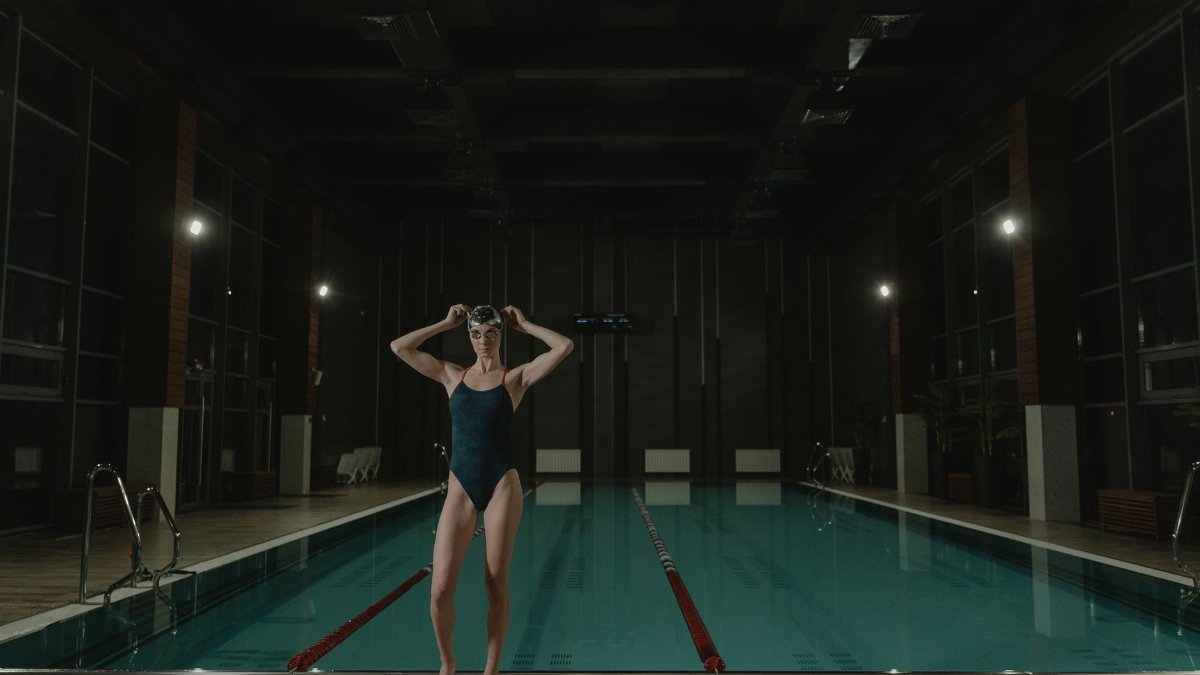
On a gray morning near the Oregon line, a woman stepped out of water that had carried her the length of California and stood for a moment as if land were a language she had forgotten. Salt dried at the corner of her mouth. Her shoulders shook from cold more than from ceremony. The friends waiting on the beach did not cheer so much as let out a breath they had been holding for weeks. In the quiet that followed, swim officials and open water watchers started to describe the journey as a California swimming record, less a pool clock than a line drawn, stroke by stroke, from one border of the state to the other.
A finish that looked smaller than the map

From the sand, the ending was almost ordinary. A woman in a faded cap walked until the water reached her knees, then her ankles, then nothing at all. Someone wrapped a towel around her. Someone else held a cup she did not immediately drink. The Pacific kept doing what it always does, indifferent to witnesses.
The scale lived in the weeks behind her, not in the last hundred yards. She had entered the ocean near the Mexican border and kept moving north, hugging a coast that does not care about human plans. Roughly nine hundred miles of current, kelp, wind, and night water separated that first step from this one. Maps make that distance look like a ribbon. Bodies know it as repetition, hunger, and the odd loneliness of a horizon that never quite arrives.
The woman who decided the length was the point
Her name is Mara Ellison, a 41 year old swim coach from Ventura who has spent most of her adult life in water that does not have lane lines. Friends describe her as precise rather than loud, the sort of person who writes tide notes in the margins of a paperback and then actually follows them. She is not a celebrity athlete. Before this swim she was known, if at all, among the small circle of people who train at dawn and argue gently about wetsuits.
Ellison has said she did not set out to become a symbol. She wanted to know whether a continuous coastal passage of the state was possible for one swimmer with a small crew, honest rest, and no theatrical shortcuts. The phrase she kept using, half joke and half warning, was that she did it so you do not have to. It landed as humor. It was also a serious instruction.
A coast that refuses a straight line
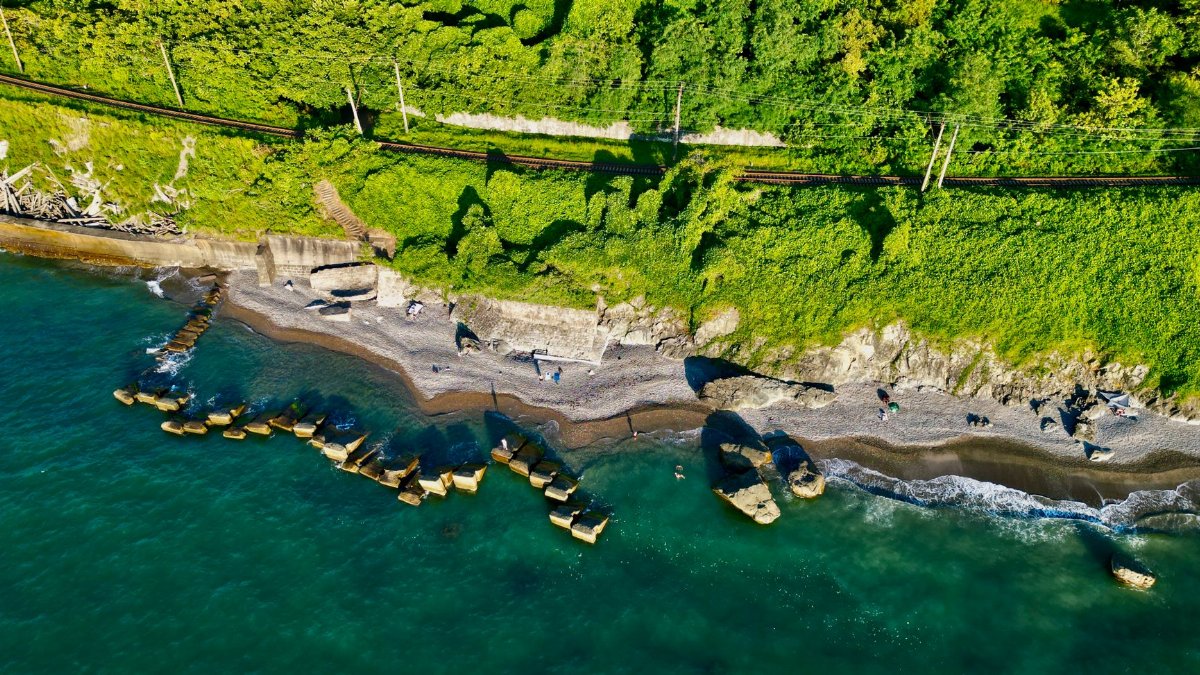
California is long, but it is not simple. A driver can cover the state on highways that hide the bends. A swimmer meets every bend. Headlands push the route offshore. Harbors, marine reserves, shipping lanes, and river mouths force small decisions that add miles nobody puts on a poster.
Ellison and her navigator treated the route as a living argument with the chart. Some days the safe line ran close to shore, inside a band of calmer water. Other days boat traffic or a building swell sent her wider, into deeper blue where the bottom disappeared and the temperature dropped. Progress was measured in nautical patience. A strong day might cover a distance a leisurely cyclist would find modest. A hard day might cover less than a morning commute, and still count as success if she stayed healthy and legal.
Night swimming was limited. Fog, shipping, and simple fatigue made darkness a poor place to prove a point. The swim was staged in daylight blocks over many days, with logged starts and stops, rather than a single sleepless stunt. That choice will matter to anyone who later audits the claim.
Why she kept telling people to stay ashore
There is a style of endurance story that invites imitation. Ellison seemed eager to close that door. In conversations after the finish she returned to the same idea: the coast is beautiful, and it is also a place that injures confident people. Currents near points can sweep a strong swimmer sideways faster than pride can correct. Water temperature, even in a mild season, pulls heat out of a body hour after hour. Boat traffic does not yield to personal goals.
She framed the swim as a report from a edge most readers should admire from a bluff. Go to the beach, she said. Swim where lifeguards can see you. Learn the local rips before you learn the romance. The line about doing it so others do not have to was not false modesty. It was crowd control, offered with a tired smile.
Preparation that looked boring on purpose
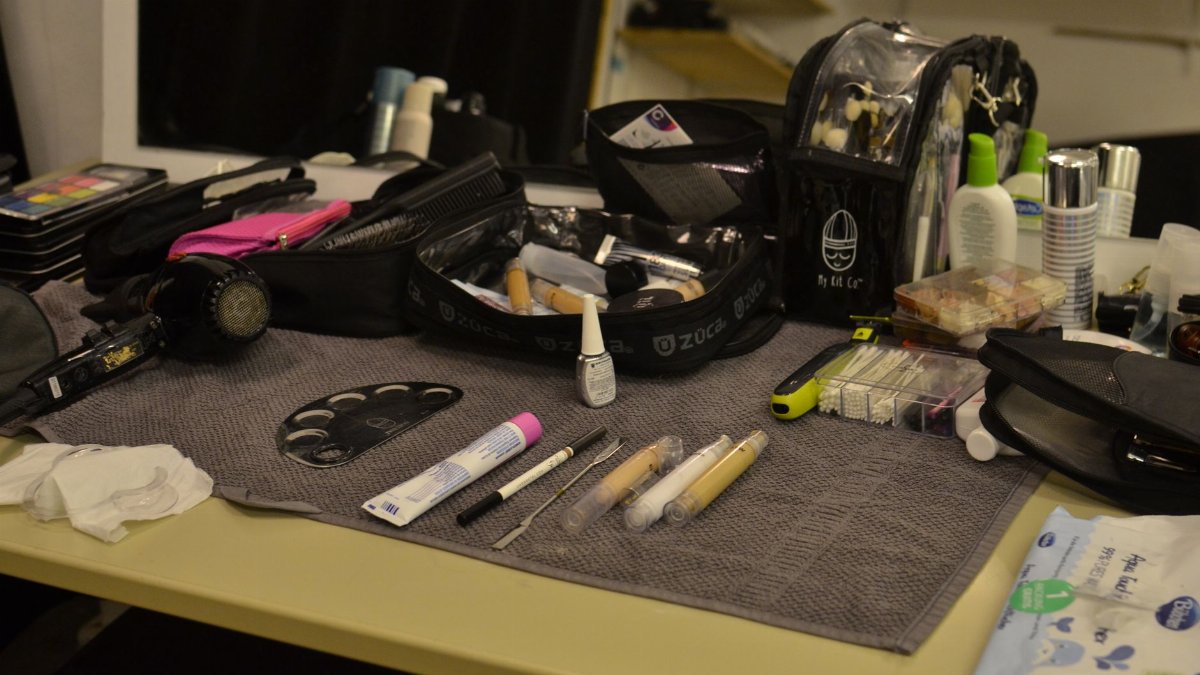
The months before the attempt were deliberately unglamorous. Ellison built volume in the ocean rather than in a pool, because pool fitness lies about chop. She practiced feeding while moving, taking small amounts of drink from a kayak without losing rhythm. She rehearsed exits, the awkward climb from water onto a boat or a beach when muscles stop obeying neatly.
Her crew ran checklists that would bore a spectator and save a swimmer: lights, radios, spare tow line, a simple plan for when to stop. They studied seasonal patterns for wind and for the thick bands of kelp that can tangle a stroke. None of this makes a highlight reel. All of it is why the finish happened at all.
She also settled the question of rest in advance. A record chase can tempt people to skip sleep and call it toughness. Ellison treated sleep as equipment. Days ended when judgment frayed, not when pride still had a speech left.
Cold, current, and the math of fatigue

Open water punishes in quiet ways. The first hour can feel strong. The fifth hour asks for a tax the first hour did not mention. Shoulders tighten. Hands go numb at the edges. The mind starts offering bargains: just to that rock, just past that point, just until the kayak signals.
Ellison has described stretches where the water looked identical for so long that progress felt imaginary. A headland would sit on the horizon and refuse to grow. Then, suddenly, it would be beside her, and another would take its place. Crew members marked those stretches in a log, noting stroke rate, water temperature, and whether she was still speaking in full sentences. Speech was a crude but useful gauge. Short answers meant it was time to feed or to end the day.
Wildlife appeared and vanished without plot. Dolphins rode alongside for a few minutes and left. Seals watched with the mild suspicion seals always seem to carry. None of it was the story. The story was maintenance: calories in, heat retained, course held, ego delayed.
The small crew that made a long swim possible
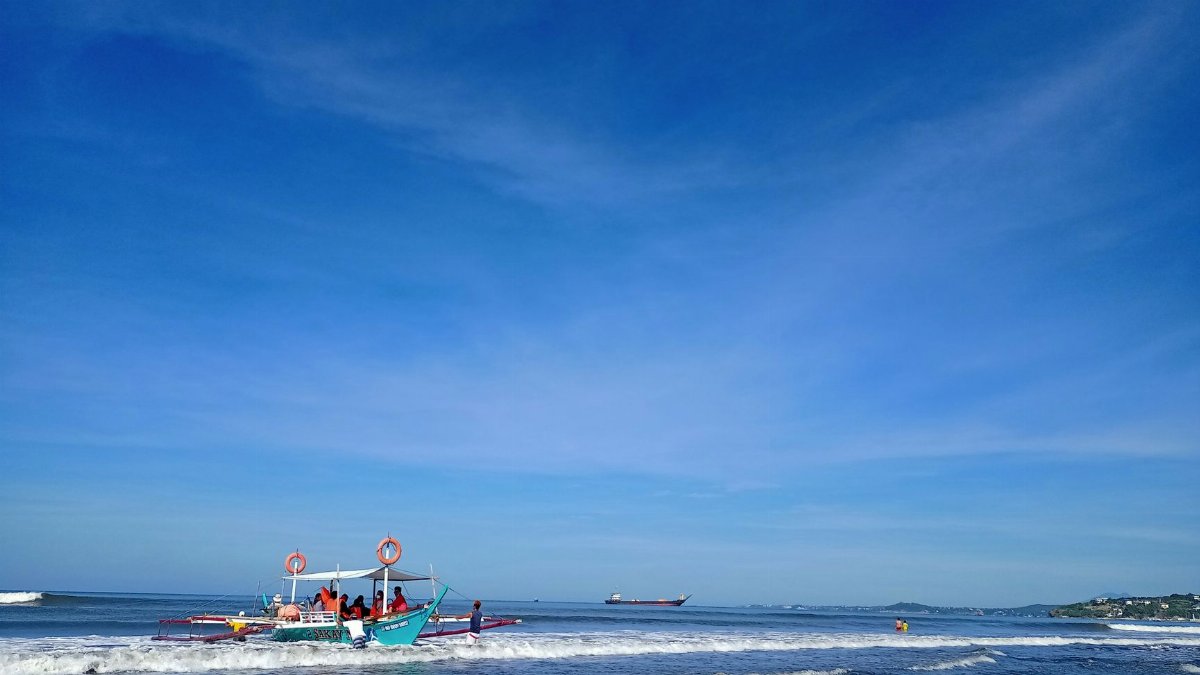
No one covers a state alone, even if only one person is swimming. A kayaker stayed near Ellison as guide and witness. A support boat held food, clothes, and the dull safety gear that becomes fascinating only when it is missing. On shore, a friend handled permits, messages, and the daily problem of where the team would sleep.
They argued, as tired people do, about when to push and when to wait out wind. The arguments stayed small because the rules were agreed in advance. If visibility dropped, they stopped. If Ellison could not keep a straight line, they stopped. If a crew member felt rushed into a bad call, they stopped. Those pauses will not appear in a headline. They are the difference between a finished swim and a rescue story.
What a record means when the pool has no walls
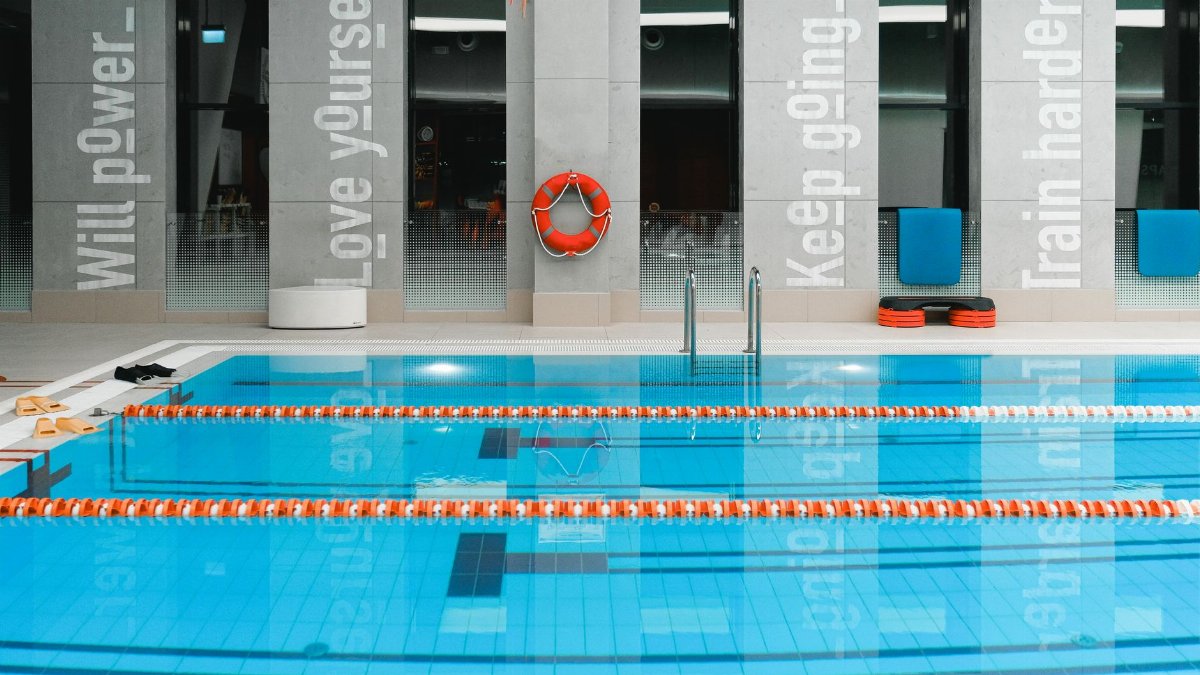
Pool records are clean. A distance is fixed. A clock is trusted. Witnesses stand where the rule book tells them to stand. A coastal passage is messier, which is why the phrase California swimming record needs care. Ellison’s team kept a daily log of start points, finish points, rest intervals, and the track from a navigation unit. Independent observers joined on several stages. Photographs and notes were gathered with the slightly anxious thoroughness of people who expect to be questioned.
Whether governing bodies ultimately ratify a formal mark is a separate matter from the public fact of the passage. Ratification, if it comes, will turn on definitions: continuous effort versus staged days, how close to the coast the line must run, what gear is allowed, how rest is counted. Ellison has said she would rather a strict reading than a generous one. A soft record, in her view, is just a story with extra adjectives.
That caution is useful. Endurance culture sometimes inflates a hard trip into an official first before anyone has checked the footnotes. The footnotes here are the point. If the California swimming record stands, it should stand because the route, the rests, and the witnesses can be read by someone who was not on the beach.
The body after the miles
Finish lines flatter the camera and lie to the nervous system. In the first hours ashore, Ellison was unsteady, hungry in a dull way, and oddly emotional about small textures: a dry shirt, a chair that did not move, the sound of a car door. Salt rash marked her neck. Her lips were split. None of this was dramatic enough for a poster, and all of it was predictable.
Recovery, she told friends, would be as structured as the swim. Sleep, food, short walks, and a refusal to turn the next week into a speaking tour. The desire to explain arrives fast. The ability to explain well arrives later, after the shivering stops and the story stops rearranging itself.
Attention, doubt, and the public appetite

News of the finish moved quickly, as coastal oddities do. Some readers treated it as pure wonder. Others asked the right skeptical questions: How were miles counted? Did she walk any sections? Was a current doing half the work? Ellison seemed more comfortable with the skeptics than with the applause. Doubt, handled in public, is a kind of respect. It assumes the claim is worth testing.
She answered what she could and deferred what she should. Tracks can be shared. Rules can be cited. Feelings about the water cannot be verified, and she did not ask anyone to verify them. The California swimming record, if the name holds, will live or fail on documents, not on the mood of a finish line photo.
A private motive inside a public feat
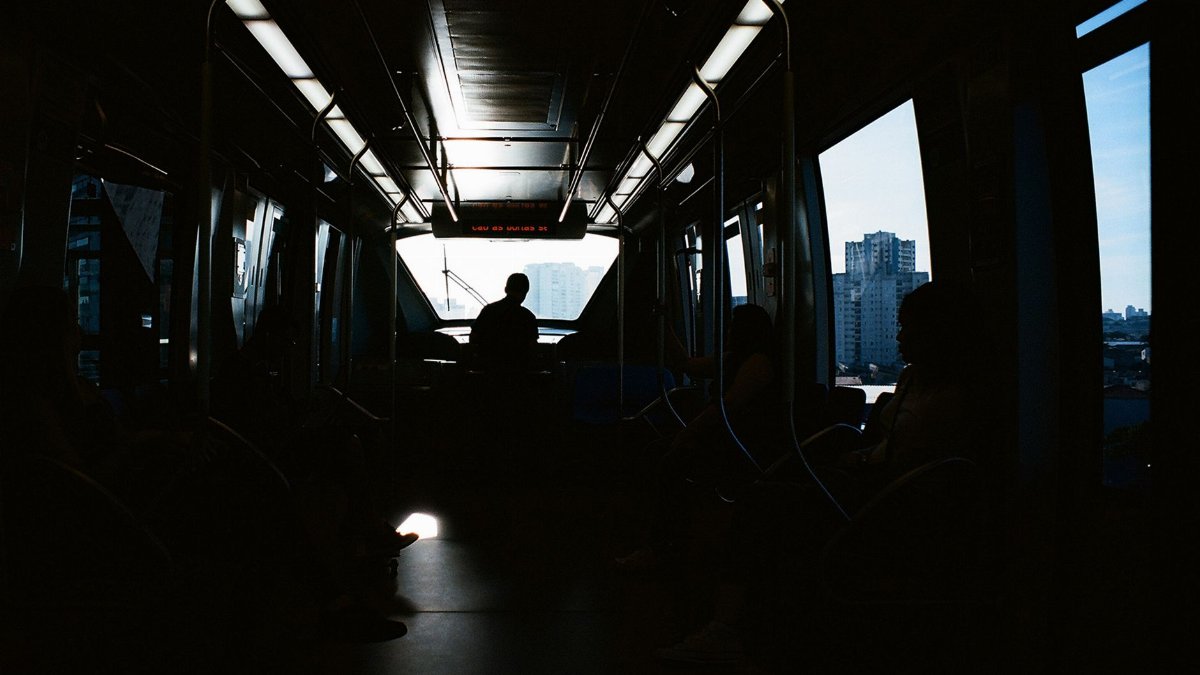
Under the logistics there was a simpler motive, one she mentioned only after the practical questions ran out. Her father used to drive Highway 1 and point at the water as if it were a second state, parallel and mostly unseen. He died before she began serious ocean training. The swim was not a memorial in any organized sense. It was a way of taking the view he loved and meeting it at eye level, day after day, until the romance wore off and the work remained.
That is a quieter story than a record. It may also be the one that lasts. People forget mileage. They remember why someone kept returning to a cold morning when nobody was watching yet.
What the water leaves behind
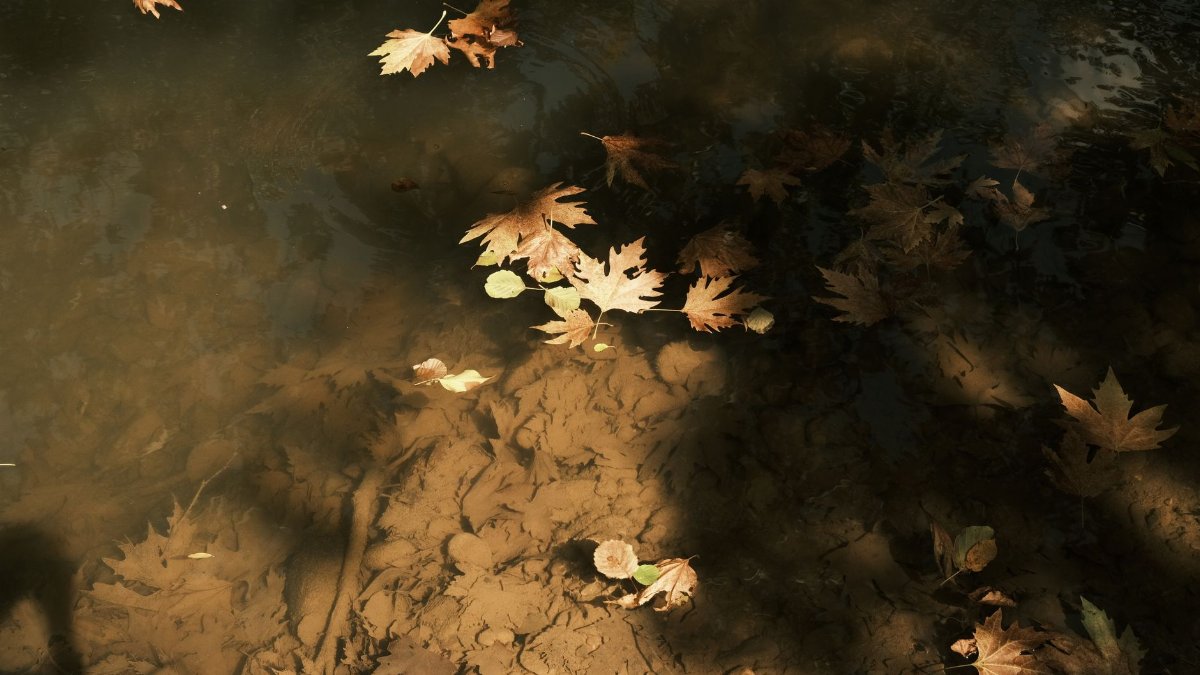
By the afternoon of the finish, the beach had emptied into ordinary use. Dogs, coolers, a child refusing a hat. The ocean did not keep a mark where Ellison had stood. That erasure is part of the appeal and part of the warning. The coast resets. The body does not, at least not on the same schedule.
If there is a lesson fit for people who will never attempt the length of the state, it is narrower than inspiration posters suggest. Hard things can be done with planning, company, and the willingness to stop. They should not be done because a headline made them look clean. Ellison’s joke remains the best caption. She swam the long line. You can love the shore without inheriting the job.
In the coming weeks, officials will read logs and decide what name the effort deserves. Until then, the plain account is enough. A California woman spent weeks in the Pacific and came ashore having covered the rough length of her state. Call it a California swimming record if the paperwork agrees. Call it a finished promise if you knew why she started. Either way, the water has already moved on, which is how you can tell the swim was real.