
Lines formed before the coffee shops finished their first pour, outside libraries and community centers where clerks unlocked doors and poll workers powered up tablets. For a lot of people the decision was practical rather than theatrical. Cast a ballot on a weekday morning, then get back to a shift, a classroom, or a long drive down the coast. South Florida early voting is open for the November 3, 2026 election. Miami Dade, Broward, and Monroe counties began the period on October 19 and plan to keep sites available through November 1. The window is short enough that a missed Saturday can turn into a longer wait on Election Day, and long enough that a careful voter can still read a sample ballot, confirm a site, and bring the right identification.
A short window with real consequences
Early voting in Florida is not a courtesy invented by local clerks. State law sets a required stretch of days and lets counties add time at the front or the back of that stretch, within limits. For this cycle the three southernmost counties on the Atlantic side aligned on October 19 as the start and November 1 as the close. That is fifteen days, counting both ends, and it includes two weekends. After November 1, the option to vote in person before Election Day disappears. A ballot that is still sitting on a kitchen table is not a vote. A mail ballot that has not been returned is not a vote either, unless it reaches the supervisor by the legal deadline.
The practical effect is uneven. A retiree in Coral Gables with a flexible morning can treat the period as a convenience. A nurse working nights in Hollywood, or a fishing guide whose clients book the only free Saturday, has fewer real chances. That is why the dates matter more than the slogans. Mark November 1 the way you would mark a flight. After that day, the remaining choices are Election Day in person or, if you already requested one, a mail ballot that still has to arrive on time.
What the three counties share
Miami Dade, Broward, and Monroe are running the same election on the same calendar, but they do not run identical operations. Each supervisor of elections publishes hours, site lists, and sample ballots. Hours can differ by county and, in some cases, by location. A voter who assumes every site opens at the same minute will sometimes be wrong. The safe habit is to look up the specific building, not the county in general, the night before you go.
Across the region, early voting sites are fewer than Election Day precincts. You are not locked to the neighborhood polling place printed on an old card. During this period you may use any early voting site in the county where you are registered. That single rule is the reason a worker who lives in Homestead and punches a clock in Doral can vote near the job instead of fighting traffic home. It does not let you cross a county line. A Miami Dade registration will not be accepted at a Broward site, and a Monroe registration will not be accepted in either of the larger counties.
Miami Dade, the largest map
Miami Dade is the most complicated piece of South Florida early voting because the county is huge, multilingual, and dense with traffic. Sites tend to cluster where parking and transit already exist: libraries, government buildings, and community halls rather than storefronts chosen for atmosphere. A voter coming from the far south end of the county should not assume a downtown site is the fastest option once rush hour starts. The reverse is also true. A site that looks close on a map can sit on a causeway that clogs by midafternoon.
Sample ballots for Miami Dade are posted by the supervisor and are worth reading before you leave the house. Local races, judicial retention questions, and county referendums do not announce themselves at the check in table. The ballot you see on a phone screenshot from a friend may be a different precinct version. Match the sample to your own registration address. If you moved inside the county and never updated that address, do it before you rely on an old card. Florida allows address updates in limited ways close to an election, but the rules are stricter than many people expect, and a clerk cannot invent an exception at the door.
Language access is not a side issue here. Ballots and assistance are available in more than English at many sites. If you want help in Spanish or Haitian Creole, say so when you check in. Bringing a friend to translate is not always the same as using the official assistance the county is required to offer. Ask what the site can provide before you waive that help.
Broward and a different kind of density
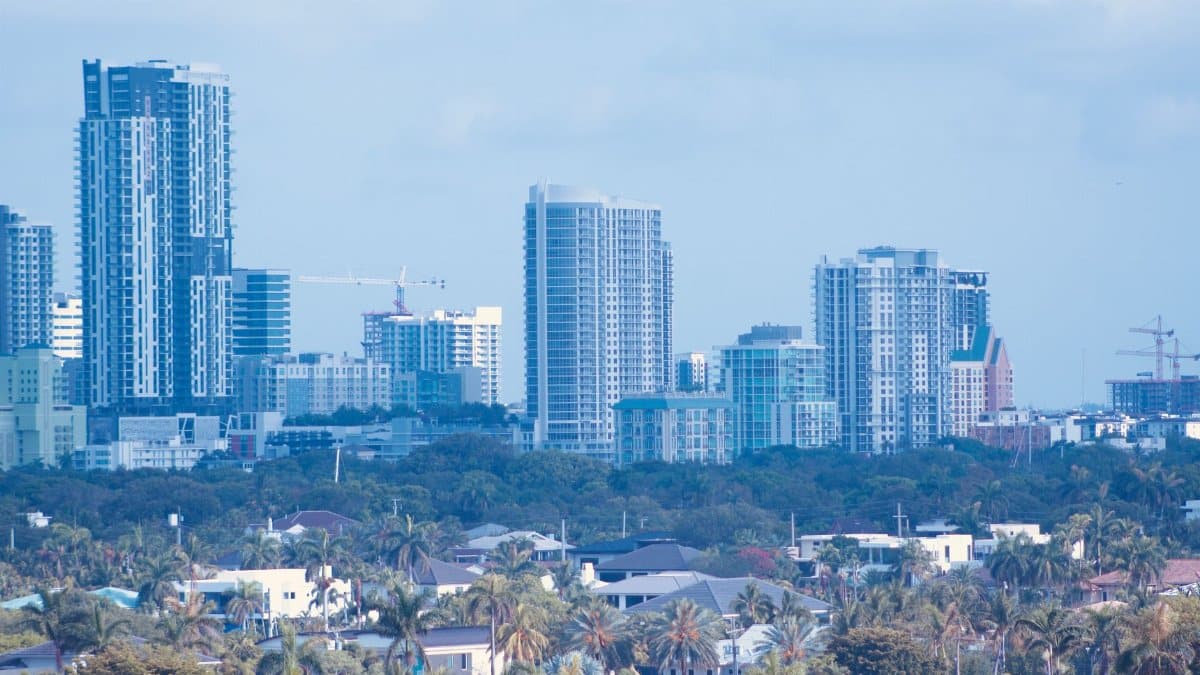
Broward does not have Miami Dade’s sprawl to the south, but it has its own congestion, especially along the east west corridors that feed Interstate 95 and the turnpike. Early voting sites in Broward have, in recent cycles, drawn long midday lines when a popular location is also the closest one to a highway exit. The line you see from the parking lot is not always the line that matters. Some buildings split check in from the voting booths, and a queue that looks short outside can stall at the identification table.
Broward voters should treat the supervisor’s site list as the only authoritative map. Social media posts that name a church or a mall as a voting place are often describing an Election Day precinct, a previous cycle, or a rumor. If the address is not on the official list for this October and November window, do not drive there hoping a volunteer will sort it out. You will lose the hour, and you may still need to reach a real site before it closes.
Residents who split time between Broward and somewhere farther north should also confirm the county on their registration, not the county where they happen to be staying this week. South Florida early voting rewards people who know which supervisor holds their record. It punishes guesses.
Monroe County and the problem of distance

Monroe is the outlier, and not only because the population is smaller. The Keys are a thin chain of islands with one main road. An early voting site that is a short errand in Kendall can be a half day trip from Key West to the Upper Keys, or the reverse, once you add bridges, weather, and work. Voters in Monroe should look at hours with that geography in mind. A site that closes in the early evening will not help someone who cannot leave a boat, a hotel desk, or a hospital shift until dusk.
Storm season is not theoretical on this coast in October. A site can be relocated if a building floods or loses power. County announcements, not group chats, are the record that matters. If you are planning a specific day because it is your only day off, check the list that morning. A backup plan should be another official site in Monroe, not a drive into Miami Dade with a Monroe registration in your wallet.
Identification and the check in table
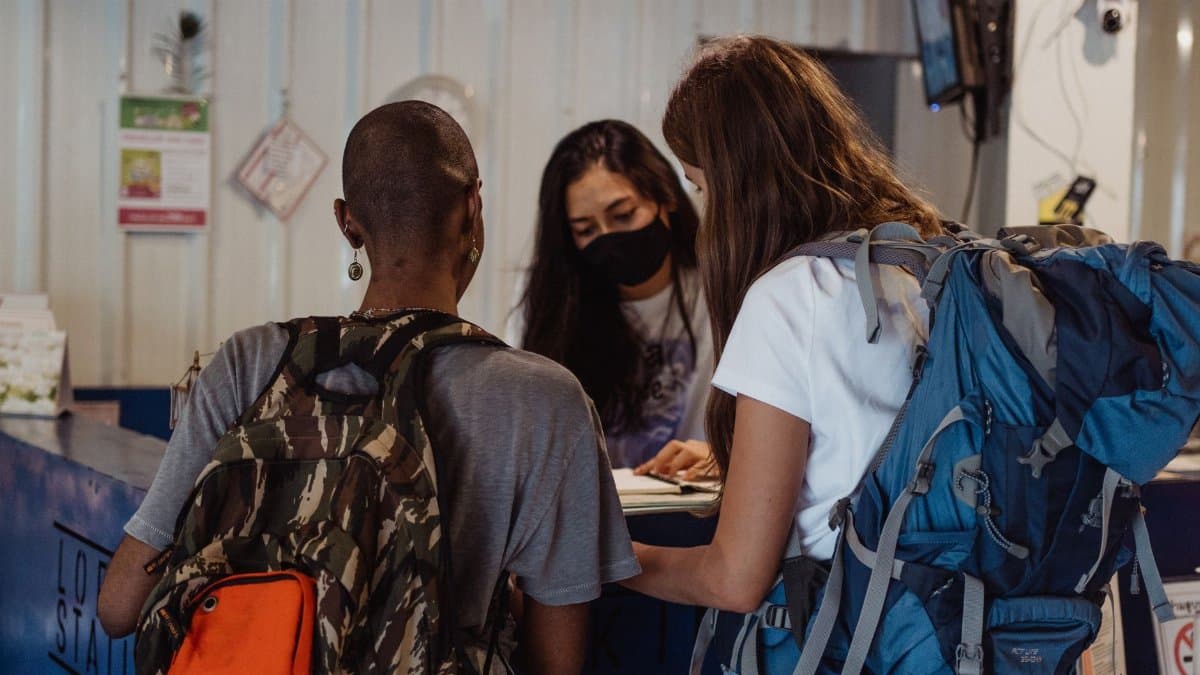
Florida expects voters to show photo and signature identification. A Florida driver license or state identification card is the simplest match. A United States passport, a military identification, a student identification, a retirement center identification, a neighborhood association identification, or a debit or credit card can also work when the photo and signature meet the statutory standard. The point of the check is to match the person to the registration, not to test civic knowledge.
If you do not have the identification the statute lists, you may still be offered a provisional ballot. A provisional ballot is not a guaranteed count. It is a ballot set aside so officials can verify your eligibility later. Use it if you must, then follow the instructions you are given about how to cure any problem before the deadline. Do not leave the site without asking what, if anything, you still need to do. People lose valid votes every cycle because they assume the hard part ended when they filled in the ovals.
Names matter at this table. If your license shows a former name and your registration shows a current one, bring whatever links the two, and be ready for a slower check in. Update the registration when you can, so the next election is not a negotiation.
Mail ballots are a parallel track
Early voting sites do not replace vote by mail. Voters who already requested a mail ballot can still use it, return it by the legal method, or, in many cases, surrender it and vote in person instead. Do not try to vote twice. If you mailed a ballot, assume it is in the system until a tracker or a clerk tells you otherwise. Signing the envelope in the way the county instructed is as important as filling out the ballot. A missing or mismatched signature is a common reason a mail ballot is flagged, and counties notify voters so they can cure the defect. Those cure deadlines are short. Check them on the supervisor’s page rather than relying on a memory of the last election.
Drop boxes, where a county offers them, follow their own hours and locations. A box that was outside a library in a previous year may not be there now. If you are close to the deadline, hand the ballot to the supervisor’s office or use a method you can document. A ballot dropped in a random municipal box, or left with a stranger who offers to carry it, is a ballot you no longer control.
Who is eligible, and who is not
You must be registered in the county where you intend to vote early, and you must meet Florida’s qualifications: United States citizenship, age, residency, and the absence of a disqualifying felony status that has not been restored under state law. Seventeen year olds who will be eighteen by Election Day can vote in some primaries under specific rules, but this November ballot is a general election. If you are not yet eighteen on November 3, you cannot cast that ballot. Poll workers are not authorized to bend that line because a birthday falls later in the week.
Felony eligibility is fact specific. A clerk at an early voting site is not your lawyer and is not the clemency board. If your status is unclear, resolve it with the supervisor or with counsel before you rely on a provisional ballot as a plan. Guessing at the door creates a record, and it does not clarify your rights.
Lines, accessibility, and the unglamorous logistics
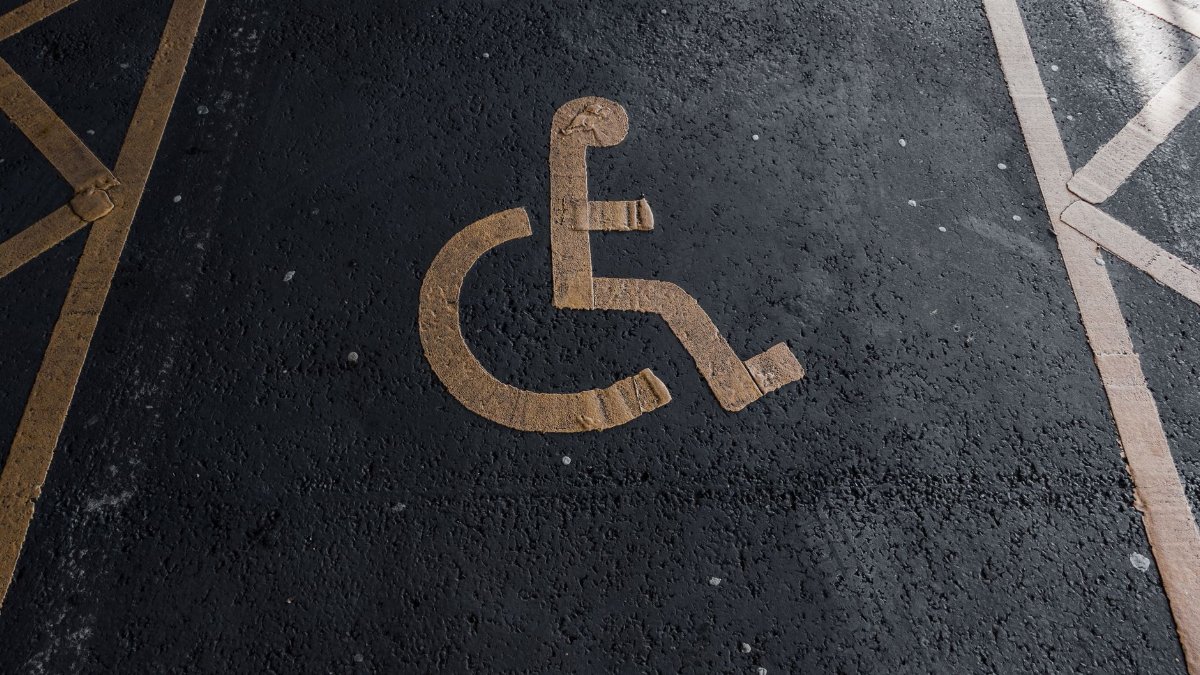
Long lines are not a moral verdict on a county. They are a function of site size, staffing, ballot length, and the hour you chose. Midmorning on a weekday is often calmer than the hour after work or the final Saturday. If you use a wheelchair, need a seated place in line, or need a ballot marking device, tell staff when you arrive. Federal and state access rules are not optional decorations. Sites should have a path that does not depend on stairs, and machines that let a voter mark a ballot privately if a paper ballot is hard to use.
Children may usually accompany a parent, but they do not vote, and a crowded vestibule is a poor place for a long wait with a toddler. Pets, campaign signs, and clothing that advocates for a candidate can create problems inside the no solicitation zone. Leave the sign in the car. The zone exists so the last voice a voter hears is not a volunteer with a palm card.
Phones are generally allowed for looking up a sample ballot or a candidate guide. Photography of other voters’ ballots is a bad idea and can violate the secrecy of the vote. If you are unsure, ask a poll worker before you raise the camera.
After November 1
When early voting ends, the county shifts fully to Election Day precincts. Those precincts are not interchangeable. On November 3 you vote at the polling place assigned to your registration address, unless the supervisor has directed you elsewhere because of an emergency. The freedom to choose any site in the county is an early voting feature. It expires with the early voting period. People who learn that distinction at 6 p.m. on Election Day are the people who miss the close.
Results will not be complete when the first precinct reports. Mail ballots that arrived on time, provisional ballots that must be reviewed, and overseas ballots under federal timelines all sit on different clocks. A close local race can look decided on television and still move. That lag is not evidence of a plot. It is evidence that counties are following counting rules that were written to include every lawful ballot, not to satisfy a broadcast schedule.
How to confirm before you leave home
Three checks prevent most problems. First, confirm your registration and the county that holds it, using the state lookup or your supervisor of elections. Second, open that county’s early voting list and write down the exact address and the hours for the day you plan to go. Third, read your sample ballot and put acceptable identification where you will not forget it. If any of those three steps fails, fix it before you are standing in a line that closes at a posted hour.
Official pages are the right sources. For Miami Dade, start with the county elections office. For Broward, use the supervisor of elections site. For Monroe, use the county supervisor’s own announcements, especially if weather has moved a building. Campaigns, influencers, and neighborhood chats can be useful for reminders. They are not the record.
Why the errand is worth the calendar math
Early voting will not make a long ballot short, and it will not settle arguments about who ought to win. It does something narrower and, for a region built on shift work and long commutes, more useful. It spreads the act of voting across days when a person can actually show up. South Florida early voting, running from October 19 through November 1 in Miami Dade, Broward, and Monroe, is that spread. Use it if your November 3 is already spoken for. Use Election Day if that is the day you can protect. Either way, the rules are public, the sites are listed, and the deadline does not move because the line was longer than you hoped.