

On a windy Saturday in Cape May Court House, volunteers stacked palm cards beside a folding table while shoppers hurried past with bags of produce. Nothing about the scene looked historic. That is why it mattered. Control of the House will turn on races that feel local until the votes are counted, and New Jersey sits closer to that arithmetic than many residents assume. In the south, Zack Mullock is asking the 2nd Congressional District to trade a familiar incumbent for a different kind of representation. Farther north, Rebecca Bennett is pressing a similar question in the 7th. These NJ congressional endorsements rest on a plain test: who is more likely to legislate with independence, competence, and a steady regard for the people who live with the results.
Why the House math runs through New Jersey

New Jersey is not a backdrop for national politics. It is a state of shore towns, warehouse corridors, research labs, commuter rail, and farms that still shape county fairs. Its congressional map contains safe seats and genuine contests, and the genuine contests decide more than bragging rights. A narrow House majority can stall a budget, harden a shutdown, or turn a routine hearing into theater. Voters in two districts cannot fix Washington by themselves. They can decide whether their own members add to the noise or subtract from it.
That is the frame for any serious look at NJ congressional endorsements in a midterm year. Party labels matter. They are not the whole story. Temperament, local attention, and a willingness to disappoint a national audience all belong in the judgment. So does the simple question of whether an incumbent still hears the district or mainly hears the leadership whip.
Zack Mullock and a fresh claim on the south

The 2nd District stretches across a wide southern geography, from shore communities that live by tourism and fisheries to inland towns where a hospital closure or a lost factory job still echoes. Zack Mullock has campaigned as a candidate who wants that geography treated as more than a reliable vote on a party scorecard. The case for him is not that a challenger is automatically wiser than an incumbent. It is that the district deserves a representative whose first instinct is to explain a vote to neighbors rather than to a national audience.
South Jersey has a long memory for promises about roads, beaches, flood insurance, and the seasonal economy. A member who treats those subjects as footnotes will eventually be found out. Mullock’s appeal, as this board reads the race, is a pledge to keep those footnotes on the front page. Voters should still press him for detail. Endorsement is not canonization. It is a choice between available paths, and his path points toward closer accountability.
What the shore and the inland towns are asking

Ask around a diner in Cumberland County or a bait shop near the bay and the issues do not arrive in ideological packaging. People talk about insurance premiums, the price of a truck repair, whether a child can afford to stay, and whether a storm will wipe out a season. They talk about immigration and public safety too, often in the same breath as wages. A representative who answers only one half of that conversation is campaigning, not governing.
The shore also carries a particular duty. Sea level, beach replenishment, and the fishing economy are not boutique concerns. They are the difference between a town that opens in May and a town that does not. Any member from this district, regardless of party, should be fluent in those files. Fluency means showing up in the off season, not only when cameras arrive after a storm.
The record voters will weigh against Jeff Van Drew

Jeff Van Drew is a known quantity. He won the seat as a Democrat and later joined the Republican Party during the first impeachment fight of the previous decade. Party switching is not a moral crime. Politicians sometimes conclude that their voters and their party have parted ways. The relevant question is what followed. Did the switch produce a more independent voice, or did it trade one set of expectations for a tighter national alignment?
Voters can admire personal accessibility and still want a harder look at how the seat has been used. A district this large needs advocacy on healthcare access, flood risk, small business credit, and the ordinary machinery of casework. If the public impression is that national loyalty outruns local argument, the burden shifts to the incumbent to prove otherwise. On the evidence of the race as it has been conducted, this board finds Mullock the stronger bet for a politics that answers south first.
Rebecca Bennett and the argument in the seventh

The 7th District is a different map with a familiar tension. It mixes affluent suburbs, small cities, corporate campuses, and rural stretches where a county road still defines the week. Rebecca Bennett has presented herself as a candidate prepared to treat that mix as a governing problem rather than a messaging opportunity. Competitive districts punish laziness. They also punish candidates who speak only to the loudest room in the primary.
Bennett’s case is that the district wants practical progress on costs, public safety, and the basic competence of federal agencies, without turning every week into a loyalty test. That is a high standard, and she will be judged by it if she wins. The endorsement rests on the judgment that she is more likely than the incumbent to keep the district’s variety in view when the House schedule fills with symbolic fights.
Suburban anxieties from Hunterdon to the rail line

Suburban voters are often caricatured as obsessed with national headlines. Many of them are obsessed with property taxes, school quality, commute times, and whether their employer will still be hiring in two years. They also care about reproductive rights, gun policy, and the tone of public life. Pretending those concerns cancel one another is how campaigns lose people who actually split their views.
A member from the 7th has to be able to sit with a chamber of commerce in the morning and a parent group in the evening without changing personality. That skill is not softness. It is the job. Districts like this one have flipped before, and they will flip again when voters decide that incumbency has become a habit rather than a service.
Tom Kean Jr. and the limits of a narrow hold

Tom Kean Jr. carries a famous name and a seat won in a hard fight. Name recognition can open doors. It does not settle whether the doors lead anywhere useful for constituents. In a House organized around tight margins, members from swing districts face a constant temptation to vote the party line and explain later. Some resist that temptation. Others become reliable votes with local press releases attached.
The question for Kean is whether his tenure has enlarged the district’s influence or mainly preserved a seat. Preservation has value. It is not the same as leadership on costs, infrastructure, research funding, or the civility that once made New Jersey Republicans a distinct tradition. Where the record reads as caution in service of survival, voters are entitled to prefer a challenger who will have to earn the seat every day. That challenger is Rebecca Bennett.
Healthcare, prices, and the kitchen table test

Neither race will be decided by a seminar on congressional procedure. They will be decided, in large part, by whether families believe anyone in Washington is serious about prices. Prescription drugs, hospital bills, childcare, housing, and groceries do not respect district lines. They do respect attention. A member who treats cost of living as a slogan will be exposed by the first town hall that runs long.
Healthcare access in rural and coastal counties remains uneven. Suburban families with insurance still meet deductibles that function like a second rent. Immigration, energy, and trade policy all feed the same household budget. The candidates this board favors should be held to specifics after Election Day. Favoring them now means judging that they are more likely to treat the kitchen table as the point of the work, not as a prop.
Temperament, democracy, and the daily labor of Congress
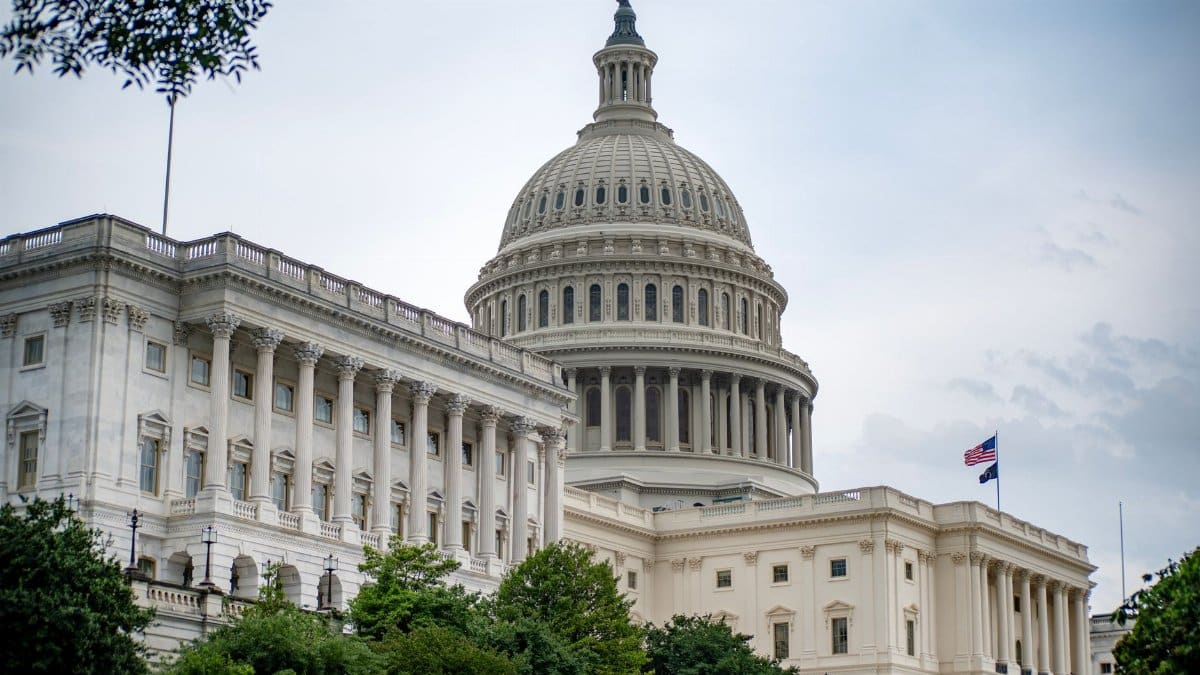
Congress is a workplace as well as a stage. The public sees the stage. Constituents live with the workplace: delayed passports, veterans’ claims, grant applications, disaster aid, and the dull bills that keep harbors and highways functioning. Temperament shows up in that labor. A member who needs every disagreement to become a viral clip will neglect the unglamorous files. A member who can argue hard and then return a phone call is worth more than a celebrity backbencher.
Democratic habits matter here in the small sense and the large one. Certifying elections, accepting oversight, and refusing to punish civil servants for doing their jobs are not partisan luxuries. They are the floor. Candidates who clear that floor, and who still show hunger for local problems, deserve the benefit of a close call. Mullock and Bennett clear it more convincingly than the incumbents they seek to replace.
How to read NJ congressional endorsements without myth

Readers should treat NJ congressional endorsements as arguments, not commands. An editorial board does not cast a ballot. It publishes a reasoning that voters can accept, reject, or steal from in pieces. The reasoning here is comparative. It does not require anyone to pretend that challengers arrive without risk. New members make mistakes. They need staff, patience, and a district willing to judge them on results rather than on the romance of insurgency.
Incumbency carries its own risk, and it is the risk this board finds more costly in these two seats. Familiarity can dull urgency. National alignments can shrink a member’s range of motion until the district becomes an afterthought. When that pattern sets in, a credible challenger is not a disruption for its own sake. The challenger is a reminder that the seat belongs to the voters.
South and north, one standard

It is tempting to write about these districts as if they share nothing. The 2nd and the 7th do not share a commute, a shoreline, or a media market in any simple way. They do share the need for representatives who can speak to people unlike themselves. A shore worker and a lab employee may never meet. Both can tell when they are being managed rather than represented.
Applying one standard does not mean ignoring local difference. It means refusing to grade incumbents on a curve set by their party. If Van Drew’s national posture has crowded out southern priorities, that counts. If Kean’s hold on a competitive seat has produced caution without visible gain for suburban and rural households alike, that counts too. Mullock and Bennett are the candidates who currently offer the better chance of reversing those patterns.
What voters should demand before they decide

An endorsement is an invitation to scrutiny, including scrutiny of the endorsee. Voters should ask Mullock how he will handle a vote that splits his own party. They should ask Bennett the same question, and they should ask both how they will staff casework in counties that feel far from Washington. They should ask for plans on flood insurance, research funding, hospital access, and the federal role in housing supply. Vague warmth is not a platform.
They should ask the incumbents equally hard questions. Accessibility at a parade is not the same as influence in a committee room. A famous name is not a substitute for a record that a neighbor can retell without a script. The healthiest campaigns are the ones in which no candidate is spared the follow up.
A closing argument before the ballots are cast

New Jersey has sent skilled legislators of both parties to Washington, and it has sent members who treated the Capitol as a green room. The difference is visible over time in roads, research grants, disaster aid, and the dignity of public argument. This cycle offers two chances to prefer the first kind of service over the second.
For the 2nd Congressional District, the choice is Zack Mullock. For the 7th, the choice is Rebecca Bennett. Neither endorsement asks voters to suspend skepticism. Each asks them to prefer candidates who still have to prove themselves to the people who will meet them in a supermarket line. In a House that too often rewards performance, that preference is a form of civic maintenance.
The volunteers with the palm cards will pack up when the light fades. The questions they are carrying will not. When readers sort through NJ congressional endorsements in the days ahead, they should look past the headline and test the standard underneath: local attention, democratic habit, and the courage to disappoint a national crowd. On that standard, Mullock and Bennett are the stronger names on the ballot.