
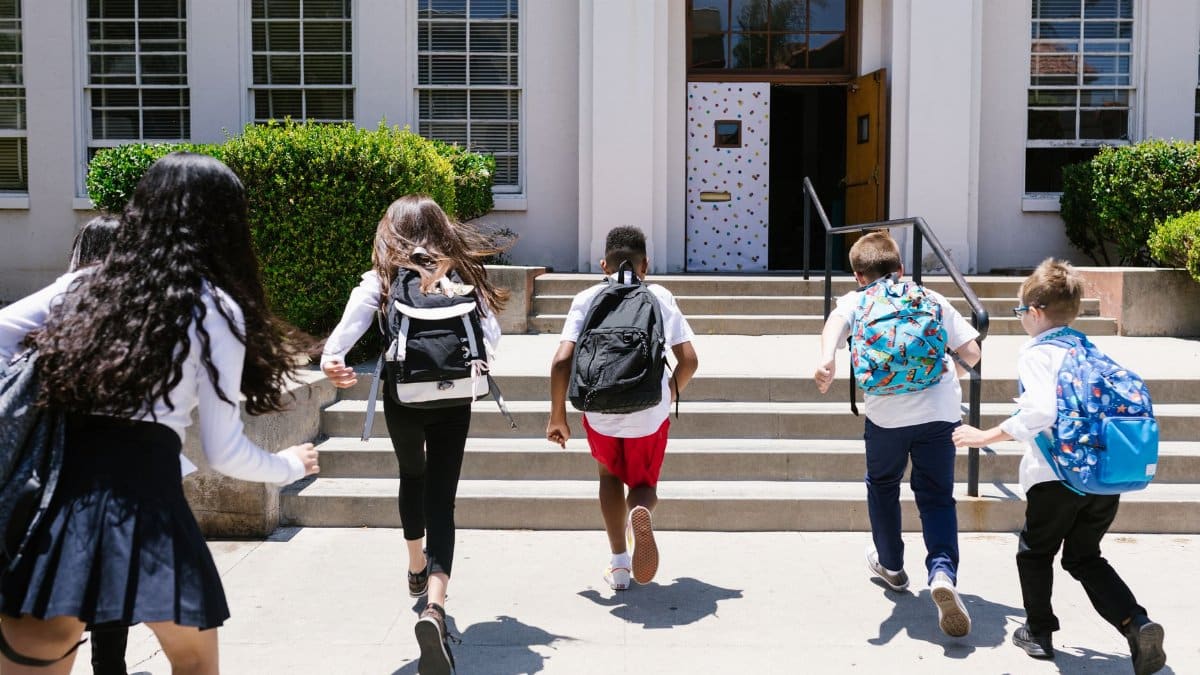
On a damp Tuesday in Ballard, the blacktop emptied earlier than the children expected. Jackets still half zipped, a cluster of second graders turned toward the doors while a ball sat where the game had stopped. Teachers checked watches. The bell was not late. The schedule was. Across Seattle Public Schools, a renewed push to protect required instructional minutes is reshaping the elementary day, and Seattle Schools recess is one of the places where that pressure shows up first.
A tighter reading of the school day

District leaders have spent the past year reminding principals that state rules assign a set number of minutes to reading, math, and other core subjects. Those rules are not new. What feels new to many families is the enforcement. Schools that once stretched transitions, assemblies, and outdoor breaks are being asked to show, on paper, that every required block is actually taught.
The practical effect is a calendar that looks fuller and a playground that looks shorter. A school that once offered two outdoor breaks may now offer one longer indoor transition and a single recess. Another may keep the break but shave minutes from both ends so the reading block can start on time. None of this requires a dramatic policy announcement. It arrives as a revised bell schedule taped beside the office door.
Parents notice because children notice. A ten minute cut does not sound like much in a board memo. On a body that has been sitting since the morning meeting, it is the difference between a finished game and a whistle that comes too soon.
Why instructional minutes became the priority

Washington expects districts to provide a minimum amount of instructional time, and Seattle, like other large systems, has to demonstrate compliance when auditors and state reviewers ask. After years of pandemic disruption, uneven attendance, and wide gaps in reading and math, administrators have less patience for schedules that cannot be defended subject by subject.
There is a fairness argument inside that stance. A child in one building should not receive a thinner literacy block than a child across town because a principal prefers a longer lunch recess. Consistent minutes are a way to say that opportunity is not a local accident. They are also a way to answer families who worry that play has crowded out teaching, or that teaching has been crowded out by everything else a school is asked to do.
The risk is that consistency gets measured only in seated time. A schedule can be legal and still be a poor day for an eight year old. Compliance is a floor. It is not a portrait of a good childhood.
How recess gets trimmed without a formal cut

Few principals want to announce that they are taking play away. The reductions tend to arrive sideways. Lining up starts earlier so the next lesson can begin on the dot. Rainy day plans replace outdoor time with a short video and a worksheet. A specialist pullout overlaps the only break a small group had. Lunch stays long on the menu and short in practice because serving lines eat the clock.
In buildings with tight staffing, supervision is the hidden constraint. Recess requires adults on the yard, and those adults are also needed in classrooms when intervention groups run. If the district insists on uninterrupted teaching blocks, something unstructured has to yield. Often that something is Seattle Schools recess, not because anyone wrote a memo against play, but because play does not carry a subject code.
Teachers describe the same squeeze from the other side. They are told to protect phonics and number sense, then handed a day in which the protected blocks leave almost no slack. When a fire drill, a counselor visit, or a late bus collides with the plan, the flexible piece is the one that disappears. Flexibility, in elementary school, is usually the time children spend moving.
What the research actually supports

The case for keeping a real break is not sentimental. The American Academy of Pediatrics has long argued that recess is a necessary part of the school day, with benefits for attention, social learning, and physical health, and that it should not be withheld as punishment. The academy’s policy statement is public and plain: play is not a reward tacked onto instruction. It is part of how young children learn to function. The statement is available through Pediatrics at https://publications.aap.org/pediatrics/article/131/1/183/30893/The-Crucial-Role-of-Recess-in-School.
Federal health guidance points in the same direction. The Centers for Disease Control and Prevention describes recess as a chance for free play that can support physical activity and classroom focus, and it urges schools to treat recess as a regular feature of the day rather than spare time. That overview lives at https://www.cdc.gov/healthyschools/physicalactivity/recess.htm.
None of this settles a local scheduling fight. Studies do not tell a principal how to satisfy a state minute count in a building with a short lunch window and a small staff. They do warn against treating the break as the first expendable line on the grid. When Seattle Schools recess shrinks to a token, the district may gain a cleaner compliance story and lose the very attention it hopes to buy.
Principals in the middle of the clock

The people rewriting these schedules are not distant bureaucrats. They are principals who already juggle bus times, specialist rotations, and union agreements about planning periods. A reading block that must be uninterrupted collides with a music teacher who can only come at 10:15. Move music, and recess moves. Move recess, and lunch collides with the kindergarten nap that some rooms still protect.
Several elementary leaders have described the work as subtraction with no good remainder. Add minutes to math and something else must shrink. The candidates are art, library, social time, and the outdoors. Art and library have advocates with schedules of their own. Recess has children, who do not sit on scheduling committees.
Some schools have tried to hold the line by shortening transitions instead of play. That works until the building is large, the coats are wet, and the stairs are crowded. Seattle weather is not a footnote. A schedule designed for a dry October fails in a wet January, when getting 400 children into jackets is itself a lesson in logistics.
Parents hear a different day than the one on paper

Families are not of one mind, and it would be dishonest to pretend they are. Some parents have asked the district for more academic time, especially in schools where reading scores lag and homework has become a second shift at the kitchen table. They hear “more instruction” as a promise that the school day will finally match the urgency they feel at home.
Others hear the same phrase as a narrowing. They watched children return from remote learning brittle, restless, and unsure how to join a game. For those families, a shorter break is not a small efficiency. It is another signal that school is a place to sit still and produce, and that the skills of sharing space, losing a game, and starting again are extras.
I have stood at pickup lines long enough to know both speeches by heart. The parent who wants more phonics is not the enemy of the parent who wants more dirt on the knees. They are often the same person on different afternoons, worried about a child who cannot read the worksheet and cannot settle enough to try.
Equity is not only a question of test scores

A districtwide minute requirement can protect children in schools that have historically offered less. It can also ignore what children already have outside the gate. A student who goes home to a yard, a team, and a caregiver with time to walk to the park does not experience a short recess the same way as a student who lives in an apartment, rides a long bus, and spends the evening indoors.
Seattle’s elementary buildings do not serve one childhood. Some campuses have expansive fields. Others have a strip of asphalt beside a busy street. If the outdoor break shrinks everywhere by the same number of minutes, the schools with the least space and the least afterschool play lose the most. Equity language that counts only classroom minutes will miss that.
There is also the question of who loses recess as discipline. National medical guidance warns against taking play away for misbehavior, in part because the children most likely to lose it are often the ones who need movement to manage the day. A tighter academic schedule can make that punishment more tempting. If the break is already short, withholding it becomes a sharper tool, and a more damaging one.
Teachers are counting minutes too
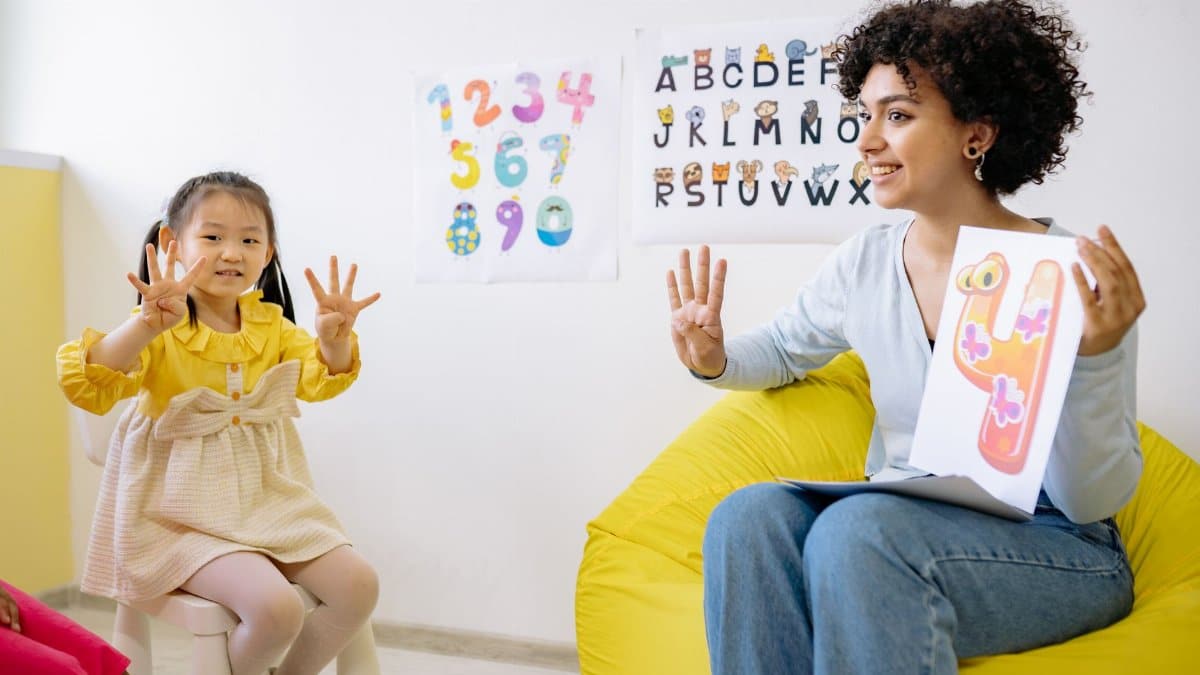
Classroom teachers are not bystanders in this fight. Many support stronger expectations for what must be taught, because vague schedules have left them defending priorities alone. A clear reading block can be a relief when every other demand, from social emotional lessons to testing windows, tries to colonize the morning.
The same teachers will say that a wound up class does not absorb that block. They spend the first ten minutes of a protected lesson resettling bodies that never got to run. In that sense, cutting play can counterfeit instructional time. The minutes exist on the schedule and evaporate in the room.
Union rules and planning time matter here as well. A schedule that looks student centered can still be built around adult coverage. When recess duty, lunch duty, and intervention groups draw from the same small pool of staff, the child’s break is negotiated against the teacher’s contractual day. That is not cynicism. It is arithmetic. Pretending otherwise produces plans that collapse by October.
What a better bargain could look like

Other districts have tried to name recess as protected time rather than leftover time, pairing a minimum outdoor break with the academic minimums. Some use short movement breaks inside the classroom so that a single recess is not asked to carry every need to stretch. Others stagger lunch so the yard is less crowded and the play that remains is actually play, not a line for equipment.
Seattle could do something similarly plain. Publish the minutes each elementary school sets aside for unstructured play, not only the minutes set aside for reading and math. Ask schools that fall below a shared floor to explain the constraint, whether staffing, space, or bus times, and fund the fix instead of accepting the cut. Pair any new academic expectation with a rule that recess is not a consequence for unfinished work.
None of that requires romanticizing the playground. Recess can be messy, exclusive, and hard to supervise. Children get hurt. Games reproduce the same social hierarchies the classroom is trying to soften. A serious district does not answer those problems by erasing the break. It staffs the yard, teaches inclusive games, and keeps enough time for a child to recover from a bad start.
The test will be the spring schedule

The telling document will not be a press release. It will be the bell schedule a family receives after winter break, and the one that survives the state testing window in spring. If protected academic blocks grow while outdoor time quietly thins, the policy will have chosen a definition of learning that stops at the classroom door.
Seattle Schools recess is a small phrase for a large choice. The district can meet its minute counts and still leave children a daily stretch of unstructured time, but only if leaders count that stretch as part of the work, not as the slack that makes the work fit. Parents should ask for both numbers: the hours promised to reading, and the minutes still promised to the yard.
Children already know which promise the day keeps. They feel it when the ball is left in the grass and the line forms early. A school system that wants their attention should be willing to give some of the day back to their legs, their arguments, and their unfinished games. Instruction is not the opposite of that time. On many afternoons, it depends on it.