
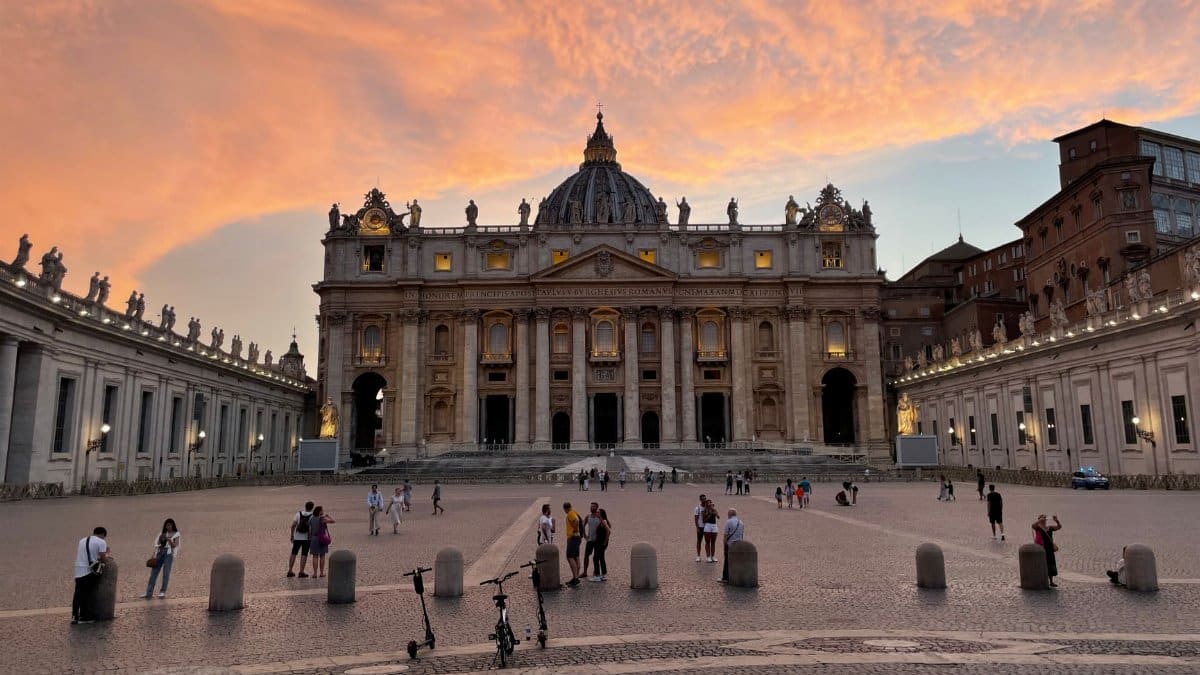
In the quiet hours after a major operation, the question that travels farthest is often the simplest one. Can he go? Vatican media this week carried an answer from the surgeon who treated Pope Leo, saying there is no clinical reason the pontiff cannot resume long distance journeys. The phrase Pope Leo Latin America travel has moved from rumor in church circles to a planning conversation with medical cover. For Catholics from Mexico City to Buenos Aires, the possibility is more than logistics. It is a signal about recovery, priorities, and how a new papacy intends to show up in a region that has shaped modern Catholic life for generations.
What Vatican media actually reported

The headline is blunt, and that bluntness is the story. A surgeon cited by Vatican media said there is no clinical reason Pope Leo cannot travel to Latin America after recent lung surgery. The remark does not announce a date, a city, or a packed itinerary. It clears a medical objection that had been hanging over every conversation about the pope leaving Rome.
That distinction matters. Church officials and reporters often collapse three separate questions into one. Is the pope well enough to fly? Does the Vatican want the trip? Are host governments and local bishops ready to receive him? The surgeon spoke only to the first. Everything else remains a matter of judgment, staffing, and politics inside and outside the Apostolic Palace.
Readers should also notice what was not said. A clearance is not a promise of unlimited exertion. Lung surgery changes how doctors think about altitude, infection risk, long days on a tarmac, and the sheer fatigue of motorcades. The public line is reassuring. The private planning, if it is serious, will still be cautious.
Why the region sits at the center of the conversation

Latin America is not a sentimental add on for a pope who wants a warm welcome. It is one of the largest Catholic populations on earth, and it is also a region where the church is losing ground to Pentecostal congregations, secular habits, and plain disillusionment. A visit can steady clergy who feel ignored by Rome. It can also expose how thin parish life has become in places where priests are scarce and trust is thinner still.
The phrase Pope Leo Latin America travel keeps surfacing because the region tests a papacy in public. Crowds are large. Expectations are personal. People want a pastor who will speak about poverty, migration, violence, and the dignity of work, not only about internal church disputes. A trip that looks ceremonial in Rome can feel like a verdict in Lima or São Paulo.
There is history in the background, even if this pontificate is new. Recent popes treated the continent as essential, not optional. John Paul II built a reputation there. Benedict XVI traveled with a more academic tone. Francis, an Argentine, made the region feel like home turf. Pope Leo inherits that memory whether he wants the comparison or not.
The medical picture without the melodrama

Lung surgery is serious. Anyone who has sat in a waiting room while a relative came out of thoracic care knows the weeks afterward are not a victory lap. Breathing takes work. Stairs take work. A schedule that looks reasonable on paper can wipe out a patient who seemed fine at breakfast.
The surgeon’s line, as carried by Vatican media, is that none of that rises to a clinical bar against travel. In plain language, the operation and the recovery do not, in the doctor’s view, forbid a journey. That is a narrower claim than the tabloid version, which tends to read any papal cough as a crisis or any papal appearance as proof of perfect health.
Still, medicine and spectacle do not share a calendar. A pope does not travel the way a private citizen does. He is cheered, touched, delayed, and asked to stand longer than the plan allows. Security corridors add steps. Heat adds strain. A city at elevation adds another variable. Doctors can say a trip is possible and still insist on shorter days, fewer outdoor events, and a real option to cancel a stop if recovery stalls.
How a papal journey is actually built
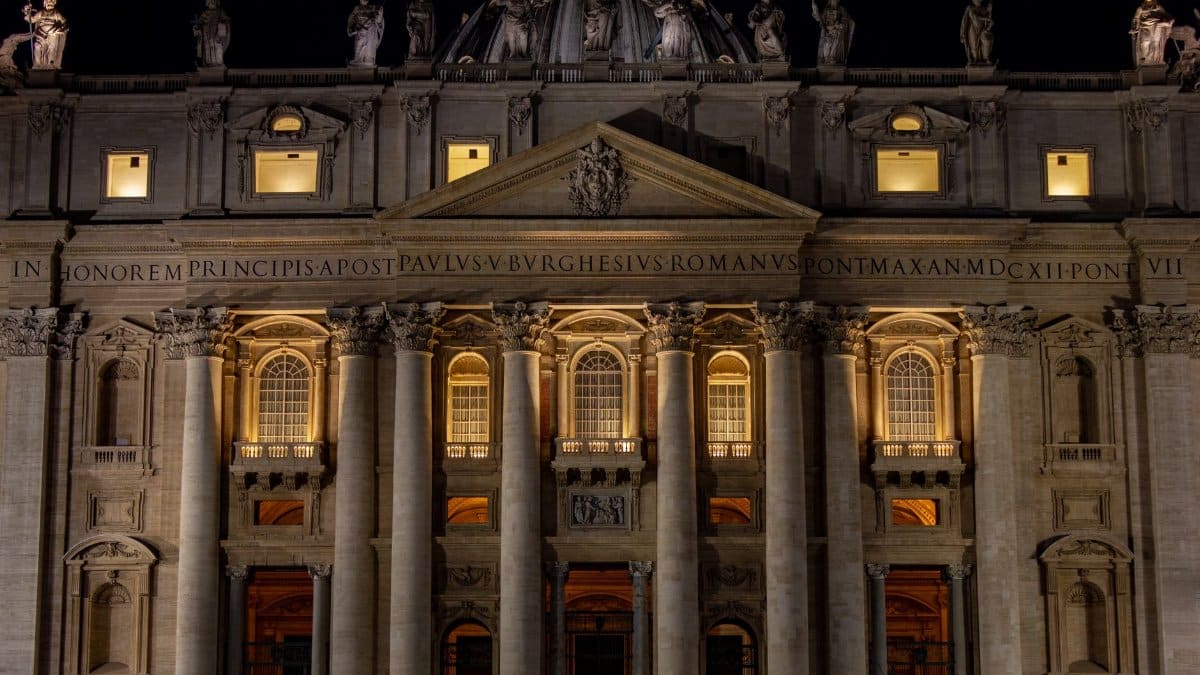
Outsiders imagine a pope picks a map and boards a plane. The machinery is slower and more bureaucratic than that. The Vatican’s diplomats sound out governments. Local bishops argue, sometimes politely and sometimes not, over which cities deserve a stop. Advance teams measure churches, stadiums, hospitals, and routes that can be secured without shutting down a capital for half a day.
Cost sits in the background, rarely in the homily. Host countries often carry a large share of the bill for security and staging. That creates an incentive to make the visit look successful, which can mean crowds managed for cameras and speeches sanded until they offend no one who matters. The best trips resist that pressure. They leave room for a pope to hear something he did not already plan to say.
Any serious talk of Pope Leo Latin America travel will run through that machinery. A medical green light speeds nothing by itself. It merely removes the excuse that the body cannot bear the plan. The plan still has to be written, funded, and defended to people who will ask why this country and not that one, why this slum and not that cathedral.
What local churches are watching for
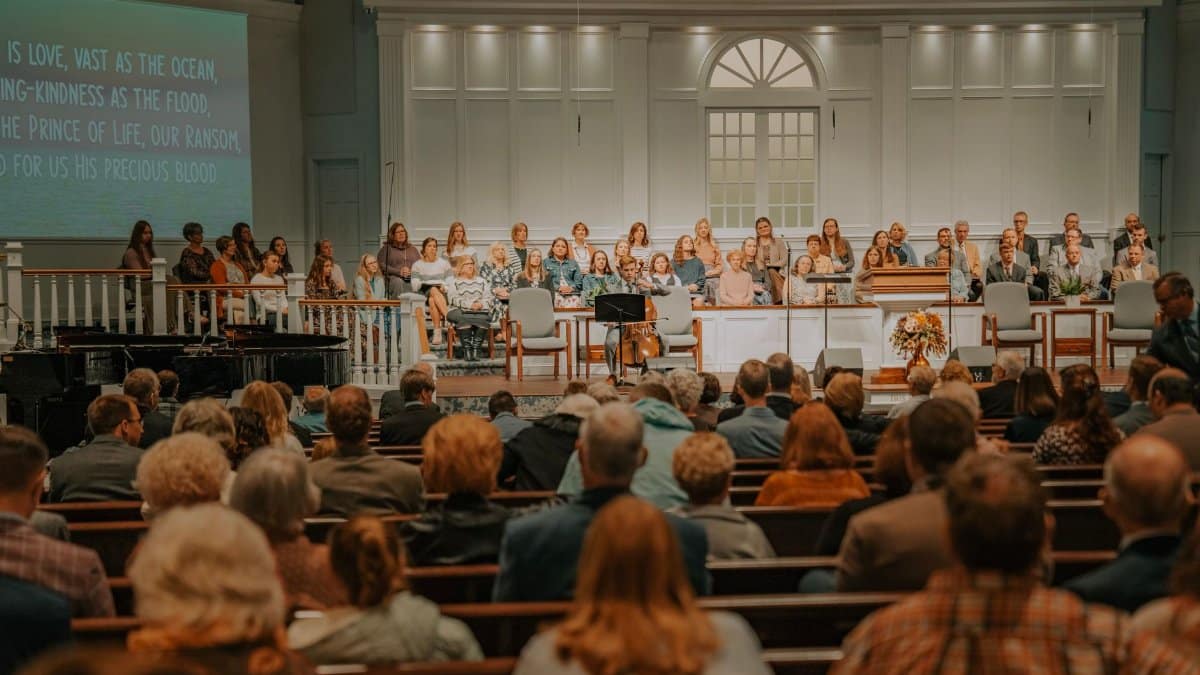
Parish priests are not waiting for airport footage. They are waiting to see whether a visit changes the conversation they have every Sunday. In much of the region, the church is still the institution people turn to when the state fails, and also an institution people blame when it protected its own. A pope who speaks only in generalities will be applauded and then forgotten by Thursday.
Migration is one test. Families split between the United States and Central America do not need a lecture on borders from a visitor who will fly home. They need language that treats them as moral subjects, not as a problem for someone else’s politics. Violence is another test. In cities where gangs and cartels set the real rules, a papal call for peace lands differently if it names victims and the systems that profit from their fear.
Indigenous communities and Afro descendant Catholics will listen for whether they are an appendix to the trip or part of its purpose. So will women who keep parishes running and rarely see that labor honored in public. A travel schedule is a moral document. The cities chosen, and the people invited onto the stage, tell the region who counts.
The politics that travel with the plane
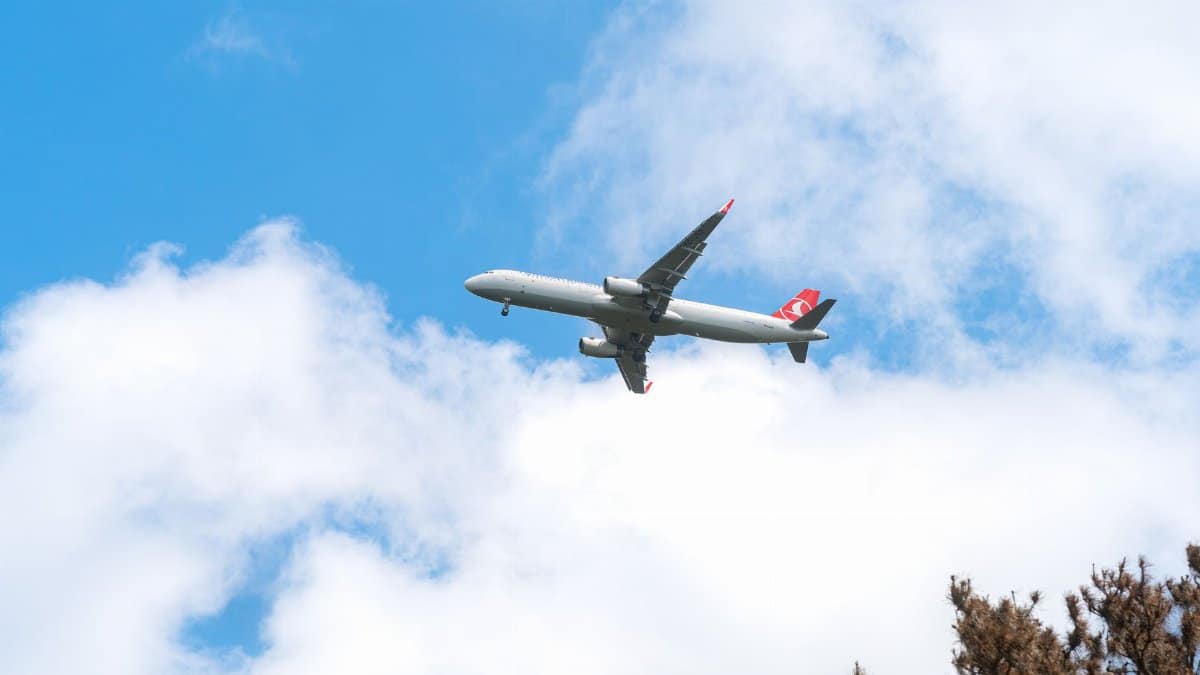
No papal visit is only spiritual, even when the preaching is sincere. Presidents want photographs. Opposition parties want a slight they can clip. Activists want a sentence they can carry into a march. The Vatican, which likes to say it is above partisan fights, still chooses when to land and whom to greet at the foot of the stairs.
That choreography has grown harder. Several Latin American governments are skeptical of Rome, or simply too busy surviving their own crises to stage a flawless welcome. Others would happily use a pontiff as a shield. The risk for Pope Leo is not that he will be asked to take sides. The risk is that silence, or an overly careful speech, will be read as a side anyway.
There is also the politics inside the church. Bishops who feel sidelined by the last papacy will watch whether this one restores a more centralized style or keeps a looser hand. Clergy facing abuse scandals will hope a visit restores credibility they have not earned back. None of that is a reason to stay home. It is a reason to treat the trip as more than a medical milestone.
Limits that remain after a doctor says yes
A surgeon can remove a clinical objection. A surgeon cannot remove age, jet lag, or the temptation to overschedule a recovered patient because the crowds are ready. Vatican officials have, in other papacies, treated public stamina as proof of divine favor. That habit is hard on the person at the center of it, and it misleads the faithful about what recovery looks like.
Readers should expect hedges even if planning accelerates. A first long trip might be shorter than the old pattern of five countries in a week. Rest days might be real rather than decorative. Some events might move indoors. None of that would contradict the line that there is no clinical reason to forbid travel. It would show that the people around the pope heard the rest of the medical advice, the part that does not fit in a headline.
Journalists should be equally careful. Breathlessness on camera is not a diagnosis. A canceled stop is not a collapse of the papacy. The honest frame is the one the surgeon offered and then stopped: travel is not ruled out on clinical grounds. What happens next is a choice.
A calendar that is still unwritten

As of the Vatican media report, there is no published itinerary that turns the medical comment into a departure time. That absence is easy to miss if you only read the headline. Speculation fills the gap, and speculation has a way of becoming expectation. Dioceses start to hope. Governments start to ask. The phrase hardens into a plan before anyone in Rome has signed one.
A wiser reading leaves the calendar blank until the Vatican fills it. Pope Leo Latin America travel is now a live possibility in the medical sense. It is not yet a commitment in the diplomatic sense. Between those two facts sits the actual work of a papacy: deciding which gestures are worth the strain, and which can wait until the body and the institution are both ready.
What the headline is really measuring

The surgeon’s comment will be remembered less for its clinical precision than for what it unlocked in the public mind. People hear permission. They picture a plane, a popemobile, a packed square, a speech about the poor. They also picture a man who has just had lung surgery and is being asked, very quickly, to perform recovery for a global audience.
Both pictures can be true. Modern popes are pastors and heads of state in the same body. The office does not pause neatly for convalescence, and the faithful do not pause their hopes. The responsible response is not to pretend the trip is either impossible or inevitable. It is to hold the doctor’s sentence at its actual size.
There is no clinical reason, Vatican media reported, that the pope cannot go. That is news. It is not the whole story of a journey that has not been announced, through a region that will judge the visitor by more than his ability to walk down a jetway.
How to read the next reports

If a trip is confirmed, the useful questions will be concrete. Which countries, and why those. How long the days run. Whether hospitals, prisons, and poor neighborhoods are on the schedule or only basilicas and presidential palaces. Whether the pope is allowed, in practice, to rest. Whether local voices shape the texts or merely decorate them.
If the trip slips, that will also be news, and it will not automatically mean the surgeon was wrong. Plans fail for reasons that have nothing to do with lungs: elections, security warnings, a Vatican that decides the first journey should be closer to home, a recovery that is adequate for travel and still not adequate for the version of travel everyone imagined.
The public has a habit of treating papal health as a morality play. Strength means holiness. Caution means decline. That habit flatters no one and informs no one. A pontiff who travels because doctors say he can, and who travels within limits they also set, is doing something more ordinary and more adult. He is letting medicine speak in its own register, and letting the church decide, in the open, what it wants from a visit.
The stake for a broad audience
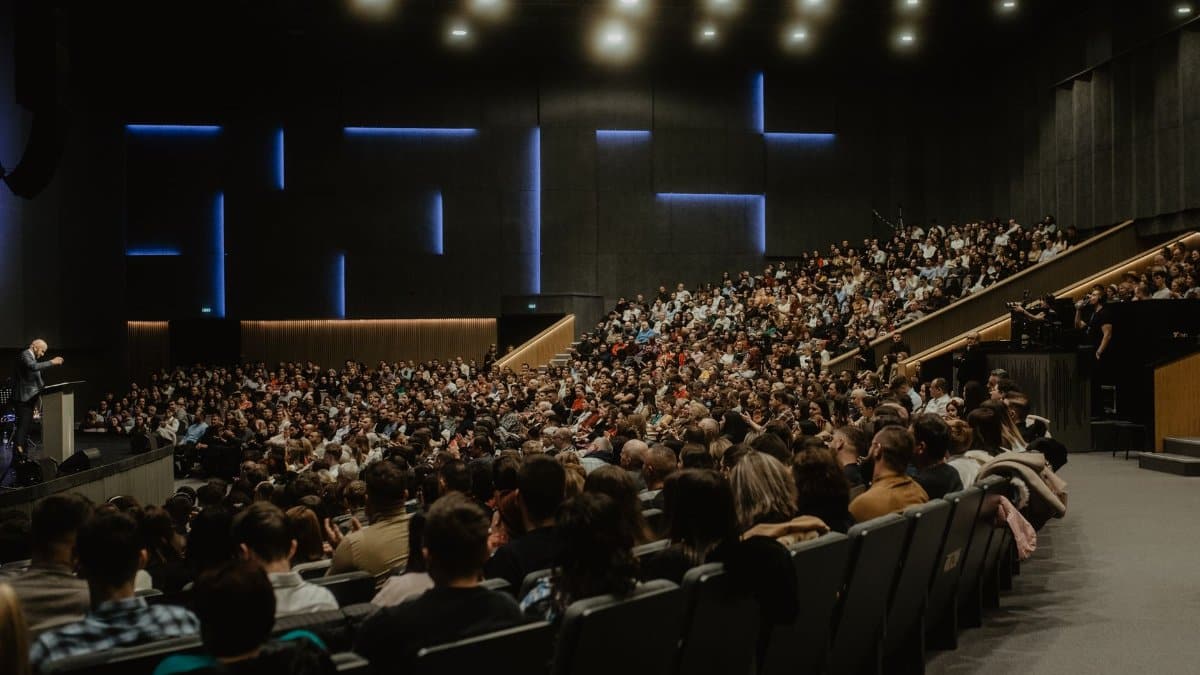
You do not need to follow curial politics to see why this matters. Latin America sends migrants, priests, music, food, and arguments into the rest of the hemisphere. The Catholic Church remains a civic actor there in ways that surprise people who only meet religion as a private preference. When Rome pays attention, or withholds it, families notice.
Pope Leo Latin America travel, repeated now as a possibility rather than a slogan, is a test of attention. Will this papacy spend its early strength on a region that has given the church numbers, saints, scandals, and some of its sharpest social teaching? Or will the medical clearance become a talking point that never quite becomes a ticket?
The surgeon has done his part of the sentence. The rest belongs to the pope, to the governments that would host him, and to the people who will stand in the sun if he comes. They are not asking whether a doctor forbids the flight. They are asking whether the man who would take it still believes the journey is worth making, and whether he will arrive as a guest who listens.