
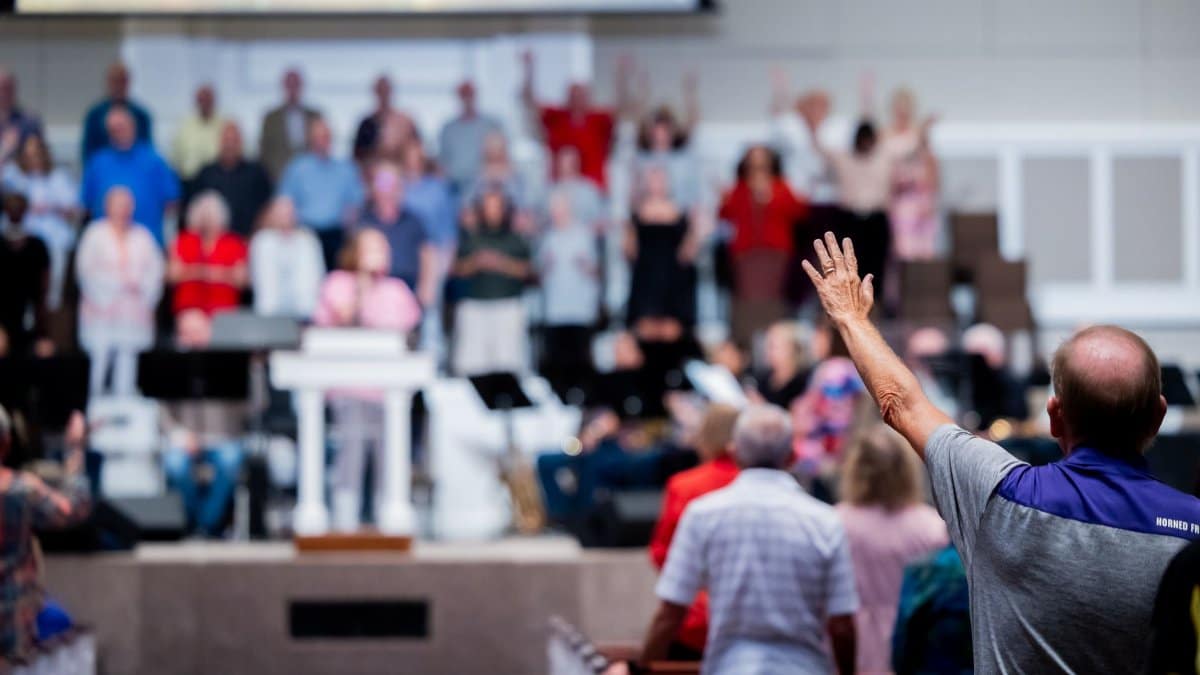
On a warm evening in Hollywood, Florida, a former president stood before an interfaith crowd and treated a statewide contest as more than a ledger of checks. Bill Clinton had come to help raise money and to say, in public, that the man at the center of the night deserved a hearing from people who do not share one political home. The room was a church, not a convention hall. What traveled beyond the doors was plain enough: the David Jolly campaign had gained both cash and a public blessing from a figure who still draws Democratic attention. For readers who track faith as closely as fundraising, the sanctuary itself was part of the argument.
A sanctuary chosen on purpose

Hollywood sits in Broward County, a dense stretch of South Florida where congregations, retirees, immigrants, and suburban professionals share the same highways and often different ballots. An interfaith event in that setting is not a neutral backdrop. It signals that organizers want the evening to feel civic and moral, not merely partisan. Clinton’s appearance there put a familiar national voice inside a local religious frame. The praise he offered was political, yet the architecture around it was spiritual: pews, clergy, neighbors who came as people of faith as much as as voters.
Campaigns rent ballrooms when they want donors to feel exclusive. They borrow sanctuaries when they want a wider public to feel addressed. The Hollywood gathering tried to do both at once. Money moved. So did a claim about character. That combination is common in American politics, and it is also uneasy. A church can host a speaker without endorsing a party. A party can thank a church without owning its pulpit. The line is real, and it is thin.
Who David Jolly has been
David Jolly is a former Republican member of Congress from the Tampa Bay area, a lawyer and commentator who later broke with the party that first sent him to Washington. His public life has been defined by that break as much as by any single vote. He has argued that the Republican Party he knew no longer matches his reading of constitutional restraint, and he has spent years saying so on television and in civic forums. Voters who remember him as a GOP congressman now meet a different pitch: a statewide bid that seeks Democratic money, independent minded moderates, and institutional help from groups that once treated him as an opponent.
That biography is both an asset and a burden. Supporters hear a man who changed his mind in public and paid a price. Skeptics hear a convert of convenience. Either reading can be fair, and neither is settled by a single night in Broward. What the Hollywood event did was place that biography under a famous light. Clinton did not invent Jolly’s record. He vouched for the version of it that the campaign wants Florida to accept.
Millions on the table

The financial headline attached to Clinton’s help is large by Florida standards for a still forming statewide effort: about $3 million raised with his assistance. Separate from that surge, the Democratic Governors Association has put $1 million into the contest’s orbit. Those are not abstract totals. They buy time on television, field staff, polling, and the unglamorous work of voter contact in a state that is expensive to cross. They also buy credibility. Donors watch other donors. A former president’s name on an invitation tells hesitant givers that the room will not be empty.
Money is not a moral argument, even when it is raised in a church basement or announced from a sanctuary stage. It is a measure of whether elites think a candidacy can last. For the David Jolly campaign, the new totals answer a practical doubt: can a former Republican attract the Democratic money machine without being treated as a guest who will soon be shown the door? The early answer, measured in dollars, is yes. Measured in votes, the question remains open.
What Clinton’s praise is for
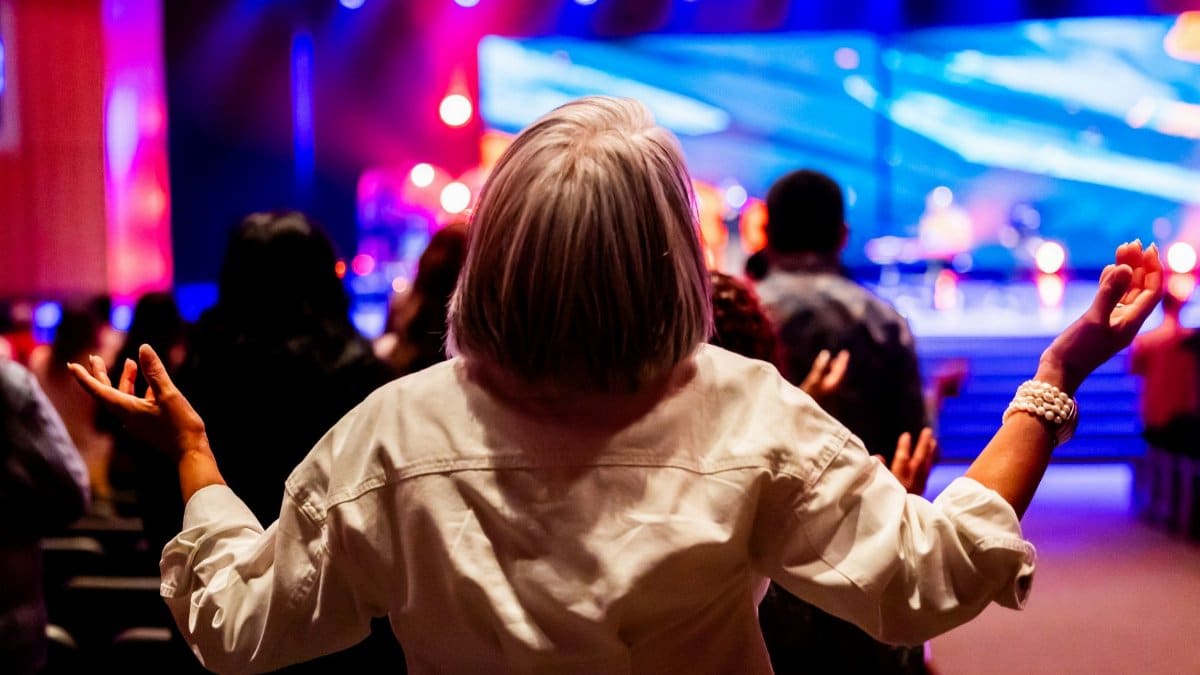
Presidential praise is a scarce commodity. Bill Clinton remains one of the most effective fundraisers in Democratic politics, and his compliments still function as a kind of introduction to voters who do not follow every Florida filing. At the Hollywood interfaith event he did more than thank hosts. He sang Jolly’s praises, which in campaign language means he offered a character reference in front of witnesses. The content of that reference, as reported, centered on fitness for office and on a willingness to stand apart from the hardest edges of contemporary Republican politics.
Praise of that kind does several jobs at once. It reassures Democratic activists that embracing a former member of the other party is not a betrayal. It tells religious audiences that the guest has been vetted by someone they may trust on tone if not on every policy. And it gives local news a scene: a former president, a church, a convert to a new political home. Scenes travel farther than position papers. Campaigns know this. So do clergy who agree to open their doors.
Faith as setting, not as slogan
Spiritual news is often written as if politics and worship occupy separate weeks. They do not. In South Florida, interfaith coalitions have long hosted elected officials, relief drives, and arguments about housing, immigration, and the dignity of work. A campaign stop inside that tradition borrows its vocabulary: neighbor, conscience, service, peace. The risk is that those words become decoration. The opportunity is that they force a candidate to speak in a register that is slower than a rally chant.
Jolly’s appearance beside Clinton in a house of worship invites a specific question. Is the church a backdrop for fundraising, or is the candidate willing to be questioned by people whose first loyalty is not a party? Interfaith crowds are rarely uniform. They include clergy who dislike both major parties, lay leaders who vote reliably Democratic, and congregants who came for the former president and stayed to inspect the newer face. A successful night flatters everyone. A serious night leaves some discomfort intact.
The governors group and the party map

The Democratic Governors Association does not spend $1 million on symbolism alone. Its investment says that national party strategists see a Florida governor’s contest worth contesting, or at least worth shaping, and that they are willing to associate that effort with Jolly. Associations of that kind are provisional. They can deepen if polls move, or cool if a primary produces a preferred insider. For now, the money is a marker on the map: this candidacy is inside the conversation, not knocking from the sidewalk.
Florida Democrats have endured a long stretch of losses in statewide races. Any new vehicle draws both hope and suspicion. A candidate with a Republican past draws more of both. The Hollywood event, with Clinton as the draw, was designed to shrink the suspicion. Whether it shrinks it among Black church networks, Hispanic evangelical congregations, Jewish communal groups, or secular suburban voters is a separate set of tests. One sanctuary does not speak for all of them.
Switching parties in public

American politics has a short memory for conversion stories and a long memory for old votes. Jolly’s critics on the right call him a turncoat. Critics on the left ask which positions survived the crossing. That double scrutiny is the price of a visible change. It is also, in a healthier civic culture, a useful discipline. Voters are entitled to know what a candidate believed when he held power and what he believes now that he wants it again under a different banner.
The church setting does not erase that audit. If anything, it raises the standard. Praise offered in a sanctuary carries an implied claim of integrity. Integrity, in political terms, is not sainthood. It is consistency between the story told on stage and the record available to anyone with a search bar. Clinton can amplify a story. He cannot rewrite committee votes, old interviews, or the years Jolly spent inside a party he now opposes. Those years remain part of the file.
South Florida as a proving ground
A statewide campaign that wants to be taken seriously in Florida eventually has to prove it can speak in Miami Dade, Broward, and Palm Beach without sounding imported. The Hollywood stop was an early attempt. Clinton’s name opens doors that a Tampa Bay résumé does not. Local clergy and county activists open different doors. The useful evenings are the ones where both kinds of doors stay open after the motorcade leaves.
South Florida voters are not a single spiritual public. Catholic parishes, Protestant megachurches, synagogues, mosques, and Hindu and Buddhist centers sit within a few miles of one another. An interfaith bill can gesture at that plurality. It cannot substitute for repeated, specific conversations about insurance costs, housing, schools, and the fear that national politics has made neighbors suspicious of one another. Those conversations are slower than a fundraising total, and they matter more in November.
What money cannot certify
Three million dollars is a loud number. It is not a certificate of fitness. Campaigns with full accounts have collapsed under weak messages, legal trouble, or a primary electorate that wanted someone else. Campaigns with thin accounts have sometimes lasted because volunteers and local trust filled the gap. The honest reading of the Clinton night is narrower: a famous surrogate helped solve an early credibility problem, and a national Democratic group placed a bet. Neither fact tells a voter how Jolly would govern, whom he would appoint, or how he would handle a legislature that may not share his new allies.
Religious audiences are often more alert to this gap than strategists expect. People who tithe, who staff food pantries, and who sit through long budget meetings at their congregations know the difference between a gift and a plan. They may welcome a former president. They may also ask, after the applause, what the candidate will do about the unglamorous crises that fill their inboxes. A campaign that treats the church only as a stage will be felt as such.
The moral tone of a hard state
Florida politics has grown sharp. Insults travel fast. So do accusations that any compromise is weakness. Into that climate, an interfaith praise event offers a contrasting picture: older Democratic royalty, a former Republican, clergy, and donors in the same room, speaking as if civility were still a political asset. Some listeners will find that picture comforting. Others will find it sentimental. Both reactions are available without cynicism.
The test is whether the tone survives contact with opponents. A campaign praised in a sanctuary will be attacked on television, in mail, and on social platforms that do not observe the manners of a church greeting. If the David Jolly campaign answers those attacks by abandoning the register it used in Hollywood, the evening will look like costume. If it keeps a measure of restraint while still drawing contrasts, the evening will look like a genuine clue to how the candidate wants to campaign. Voters can tell the difference, even when consultants hope they cannot.
Clergy, guests, and the limits of hospitality
Houses of worship in the United States host political figures under rules that are stricter than rally ethics and looser than many congregants assume. A candidate may speak. A congregation may not become a party committee without risking its standing. Interfaith events often navigate this by emphasizing shared civic values rather than a slate. That navigation is not a technicality. It is how religious communities protect their own diversity. Not everyone in the pews will vote for the guest. Hospitality does not require agreement.
Clinton’s praise, offered in that delicate space, puts a burden on the campaign as well as on the hosts. Gratitude should not turn into an implied claim that the congregation has enlisted. The cleaner public story is simpler: a church opened its doors, a former president spoke well of a candidate, and money was raised among people who chose to give. Anything beyond that, including hints that heaven has taken a side, cheapens both faith and politics.
How voters may read the night
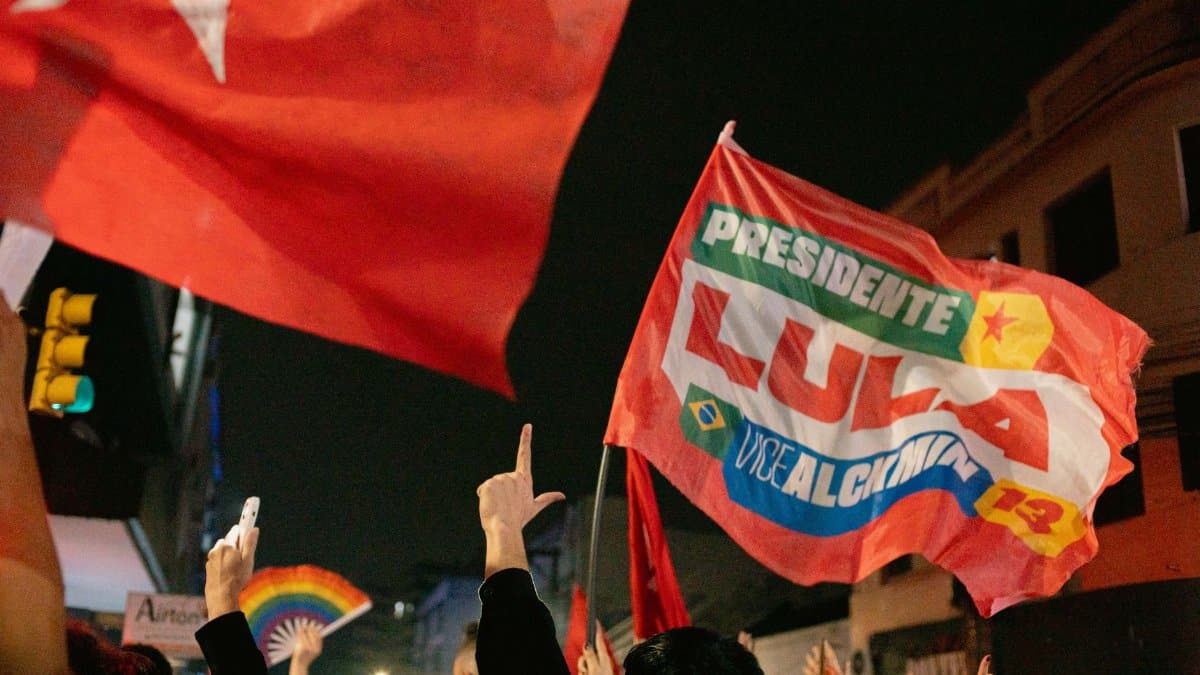
Different audiences will file the Hollywood evening under different headings. Loyal Democrats may see validation: if Clinton will work a room for this man, the party tent is wide enough. Former Republicans who dislike the current direction of their old party may see permission to look again. Voters who want a fighter with no complicated past may shrug. Religious readers may focus less on the dollar figure and more on whether the language of praise matched the setting. A boastful money announcement can clash with a sanctuary even when the numbers are accurate.
Journalists will keep two ledgers. One ledger is financial and organizational: $3 million with Clinton’s help, $1 million from the governors association, a visible surrogate, a South Florida footprint. The other ledger is narrative: a former Republican seeking a new majority, introduced in a church by the most famous living Democratic fundraiser. Both ledgers will be checked against later facts, including who else enters the race and how Jolly performs when Clinton is not in the room.
What remains to be proved
A single evening, however well staged, is an opening chapter. The David Jolly campaign now has resources and a story. It does not yet have a settled coalition. Florida’s governor’s race, whenever the ballot is final, will ask whether moderate rhetoric, Democratic institutional money, and a spiritual setting can coexist with the hard arithmetic of turnout. Clinton can raise millions and sing praises. He cannot cast the votes.
For people who follow politics through the lens of faith, the more lasting question is tone. Can a campaign that seeks blessing in an interfaith church speak about opponents without contempt? Can it talk about money without pretending that money is virtue? Can it accept hospitality without claiming the pulpit? Those are not soft questions. They are the ones a sanctuary quietly puts to every guest who arrives with a fundraising goal and leaves with a headline. Hollywood supplied the headline. The months ahead will supply the answer.