

The departure board at a Washington airport rarely tells you what a government believes matters most, but it can hint at what it is willing to postpone. This week the name on the travel manifest is not Kyiv, not a Middle Eastern capital under fire, and not a European ally asking for clearer American words. It is a swing through Uzbekistan and then India, a journey already being shortened in hallway talk to Marco Rubio Central Asia. The secretary of state is going to a region of pipelines, rare minerals, and old empires, while some in his own party and across the aisle ask whether the most urgent files are being left on a desk that will not wait.
A route that surprises even seasoned watchers

Secretaries of state do not choose itineraries the way tourists choose cities. Every stop is a signal about time, risk, and rank. Uzbekistan sits at a hinge between Russia, China, Afghanistan, and the wider Muslim world. India is a rising power whose choices on trade, technology, and security will shape the next decade. Together they form a coherent map if the goal is to court states that do not want to live inside anyone else’s bloc.
The surprise is not that the region matters. The surprise is the moment. Wars that dominate American television have not paused for a diplomatic courtesy call. Lawmakers who track hostage talks, aid packages, and ceasefire language wonder why the country’s top diplomat is thousands of miles from those tables. Supporters answer that presence in one place is not absence from another, and that a secretary who only chases the crisis of the week never builds the relationships that prevent the next one.
What Tashkent wants from Washington
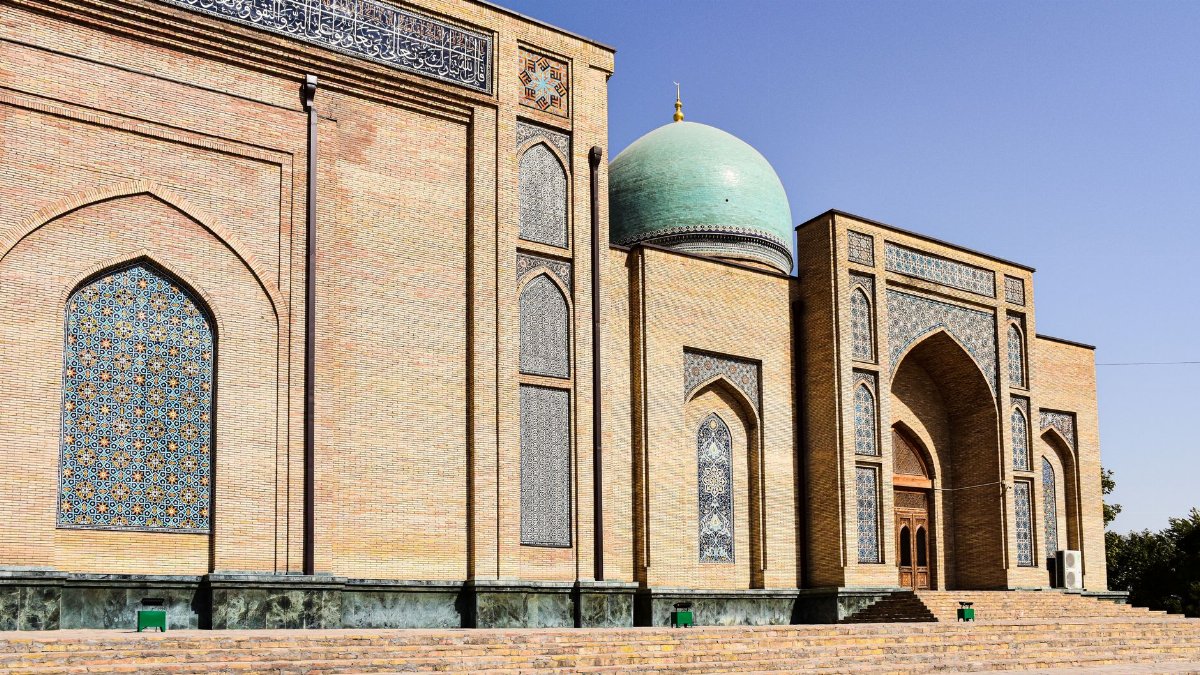
Uzbekistan has spent years trying to look outward after a long period of tight control. Its leaders want investment, respect, and a partner that will not treat Central Asia as a corridor on the way to somewhere else. They also want room to deal with Moscow and Beijing without being scolded for geography. American officials who have worked the region say the ask is practical: financing for infrastructure, training for border forces, and language that treats the country as a capital in its own right.
That is a modest brief, and modesty can be a virtue. It is also a brief that rarely produces headlines. A secretary can leave with memoranda on minerals and student exchanges and still be accused, fairly or not, of having staged a photo in a palace while harder negotiations stalled elsewhere. The test is whether follow up arrives in the form of staff, money, and attention after the plane lifts off.
India and the larger wager

The India stop raises the stakes. New Delhi does not need American validation, and it does not offer easy alignment. It buys energy where it must, guards its strategic autonomy, and expects visitors to arrive with specifics rather than lectures. A secretary who comes with a clear offer on technology, defense co production, and supply chains can leave with something durable. A secretary who comes mainly to be seen can leave with polite dinners and little else.
Here the phrase Marco Rubio Central Asia starts to feel incomplete. The trip is not only about the steppe and the old Silk Road cities. It is about whether Washington can hold a conversation with a major power while also tending to smaller states that sit between larger ones. If the India meetings are thin, the Uzbekistan stop will look like a detour. If they are substantial, the whole route can be read as a single argument about American reach.
The files that do not travel well

Distance is not only measured in miles. It is measured in what a principal can still decide from a secure phone and what requires him in the room. Hostage negotiations, coalition management, and late night bargaining over sanctions often depend on a secretary who can clear a position in minutes. Aides insist those channels remain open. Critics reply that open channels are not the same as a principal who is present when counterparts test whether Washington is distracted.
I have watched enough of these trips to know that the criticism is sometimes theatrical. Members of Congress complain about travel and then complain when no one visits their favored region. Still, the complaint lands harder when the crises at home in the foreign policy sense are active and bloody. A secretary cannot be everywhere. He can be accused of choosing the room where the questions are easier.
Allies who call the map strategic
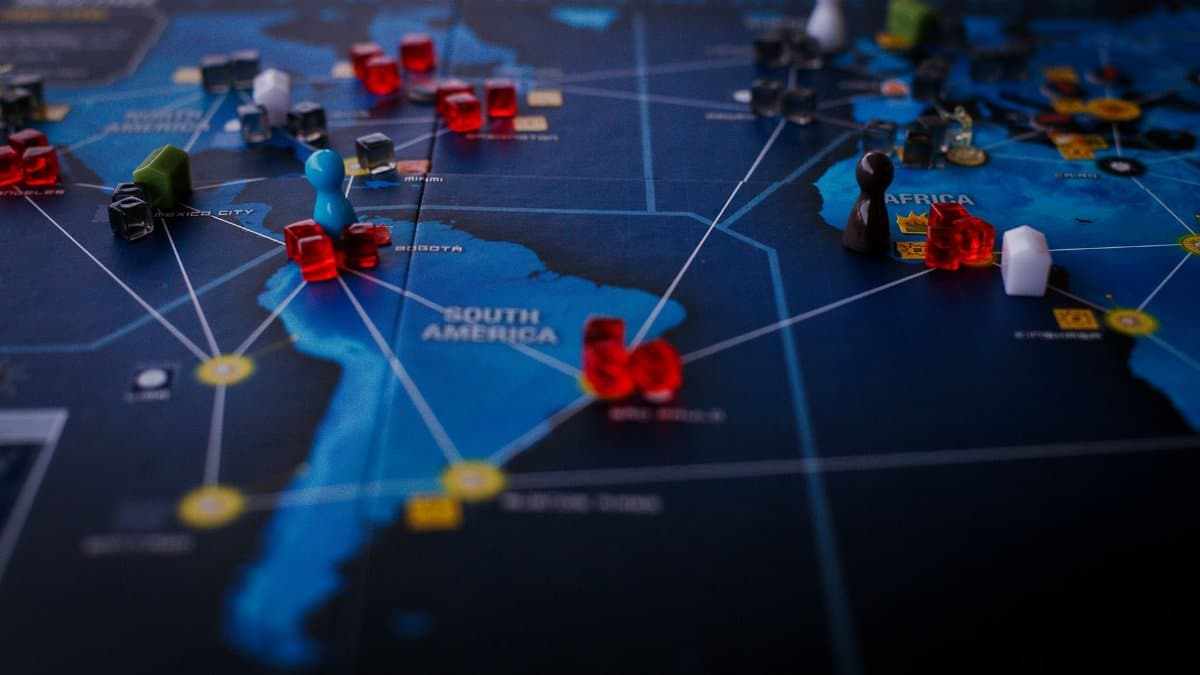
There is a serious case for the journey, and it should not be dismissed as spin. China has spent years building roads, loans, and political habits across Central Asia. Russia still holds security ties and energy leverage, even as its war in Ukraine has made some neighbors more cautious. The United States cannot match every loan. It can offer an alternative that is narrower and, if honest, more reliable: rule of law in contracts, help with water and agriculture, and a diplomatic ear that does not demand a client relationship.
India fits that case as well. A relationship that deepens there complicates any effort by Beijing to set the terms of Asian security alone. Officials who defend the trip argue that ignoring this geography in the name of urgency would be its own kind of distance, a distance from the future rather than from the present. The argument is coherent. It still has to survive contact with what happens in the cities he is not visiting.
Minerals, routes, and the quiet leverage
Central Asia is often described in the language of chess, which flatters everyone involved and explains very little. A better description is logistics. Copper, uranium, and other materials sit in places that lack easy routes to market. Rail lines and pipelines decide who gets paid and who gets squeezed. American interest in those routes is not new, but it has grown as governments talk more openly about dependence on a single supplier for critical inputs.
A secretary does not sign mining contracts on a tarmac. He can, if he is prepared, connect companies, export finance, and host governments in a way that outlasts a communique. That work is dull to watch and important to get right. It is also easy to fake. A joint statement about cooperation means little if permitting, corruption risk, and transport bottlenecks are left for a later visit that never comes.
Faith, memory, and the public square

There is another layer to this region that diplomatic schedules often treat as color rather than substance. Samarkand and Bukhara carry centuries of Islamic learning. India’s public life is shaped by Hindu, Muslim, Sikh, Christian, and other communities whose tensions and friendships are not side notes. A secretary who speaks only in the vocabulary of minerals will sound like a buyer. A secretary who acknowledges faith, memory, and the dignity of believers can sound like a guest who understands why people care who governs them.
This is not a call for sermons. It is a recognition that legitimacy in these societies is not only economic. Religious freedom, the treatment of minorities, and the space for peaceful worship are part of how partners judge American seriousness. Raising those issues without turning a visit into a scolding is a craft. Ignoring them in the name of access is a choice with a cost, paid later by people who do not ride in motorcades.
China and Russia in the same neighborhood
No American visit to this map is a bilateral event, whatever the protocol says. Moscow will read the stop for signs of encroachment. Beijing will read it for signs of a counteroffer. Regional leaders will read both readings and try to extract benefits from each. That triangle is the actual meeting, even when only two flags stand behind the podium.
The honest American message is limited and therefore more credible. Washington is not going to replace Russia as a security patron overnight, and it is not going to outspend China on concrete and rail. It can be the partner that does not punish a country for keeping other options open, so long as those options do not include helping evasion of sanctions or repression that Washington has already condemned. Saying that plainly is harder than implying a grand pivot. It is also more likely to be believed.
Congress and the argument over focus
On Capitol Hill the trip will be used as evidence for stories members already want to tell. Some will say the administration, and this secretary in particular, is wandering while allies wait. Others will say engagement with India and Central Asia is exactly the kind of long view that hearings always demand and then forget. Both claims can be aired without either being fully true.
What Congress can do, if it wishes, is ask for a measurable account after the return: which agreements moved, which human rights cases were raised, which commercial obstacles were named in the room rather than in a later fact sheet. Without that accounting, Marco Rubio Central Asia remains a slogan, useful for critics and defenders alike, and thin as a description of policy.
What regional leaders are likely to ask

Leaders in Tashkent and New Delhi are not confused about American politics. They watch hearings. They notice when a secretary is under fire at home for priorities. They will ask, in diplomatic language, whether promises made this week will survive the next budget fight and the next crisis that pulls Washington’s gaze back to Europe or the Middle East.
They will also ask for things that do not photograph well. Visa processes that do not treat every student as a suspect. Clear rules on which technologies can be sold. Help with water scarcity and climate stress that already shapes rural politics. A secretary who can answer those questions with timelines will be remembered. A secretary who answers with warmth alone will be hosted again and trusted less.
The charge of keeping a distance

The sharpest version of the critique is not that Central Asia is unimportant. It is that a talented principal sometimes prefers stages where he is welcomed to rooms where he may fail in public. Failure, in the hardest negotiations, is visible. A stalled ceasefire, a collapsed aid vote, a hostage who does not come home: those outcomes cling to a secretary’s name. A successful visit to a receptive capital does not.
That charge can be unfair. Diplomacy requires both the hard rooms and the wider circuit. A secretary who never leaves the crisis will burn out his alliances and miss shifts that matter five years on. The fair question is proportion. Are the most pressing matters staffed at the level they require while he is away, and is he willing to cut a stop short if a negotiation truly needs him? If the answer is yes, the distance is logistical. If the answer is no, the distance is a choice about risk.
How to read the trip when the plane returns
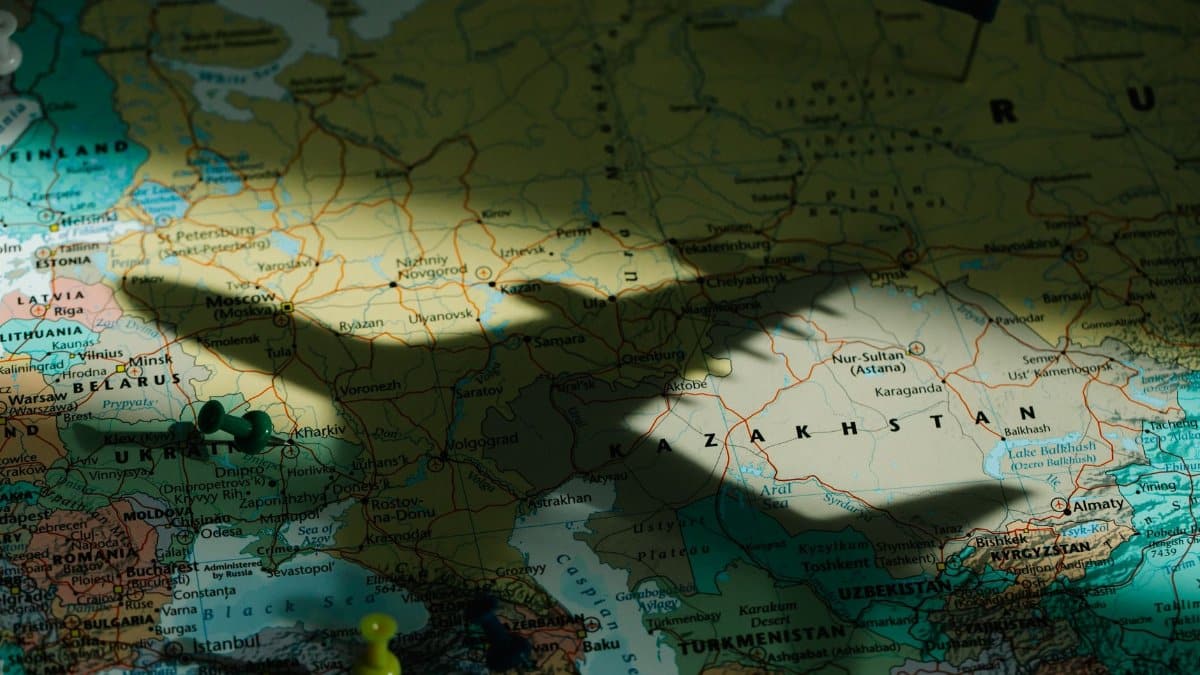
Readers do not need a classified cable to judge the week. They can look for a few plain signs. Did Indian and Uzbek counterparts speak in specifics, or only in courtesies? Did American remarks name difficult issues, including rights and regional security, without turning the visit into a lecture? Did the secretary’s public comments on the wars he did not visit sound like the words of someone still driving those files, or like the words of someone summarizing them from afar?
Marco Rubio Central Asia will keep appearing in headlines because the pairing is vivid and a little unexpected. Vivid is not the same as wise, and unexpected is not the same as evasive. The region deserves American attention that is steady rather than theatrical. The crises that dominate this season deserve a secretary who has not mentally left them behind a departure gate. Both can be true. The coming days will show which one his schedule actually served.
A standard worth keeping

Foreign policy is a contest over attention as much as over territory. Attention is finite. Spending it in Uzbekistan and India can be an act of strategy if it comes with follow through and if the harder files remain under a principal’s hand. Spending it there to avoid a bruising table would be a smaller act, and people who live with the consequences of that table would notice.
The useful standard is simple enough to say without a slogan. Go where American presence can still change a calculation. Stay reachable for the calculations that can still collapse. Speak to partners as adults, including about faith, law, and the limits of what Washington will fund. If this journey meets that standard, the questions about distance will fade into the ordinary noise of a capital that always suspects its diplomats of being in the wrong city. If it does not, the suspicion will have earned its place.