
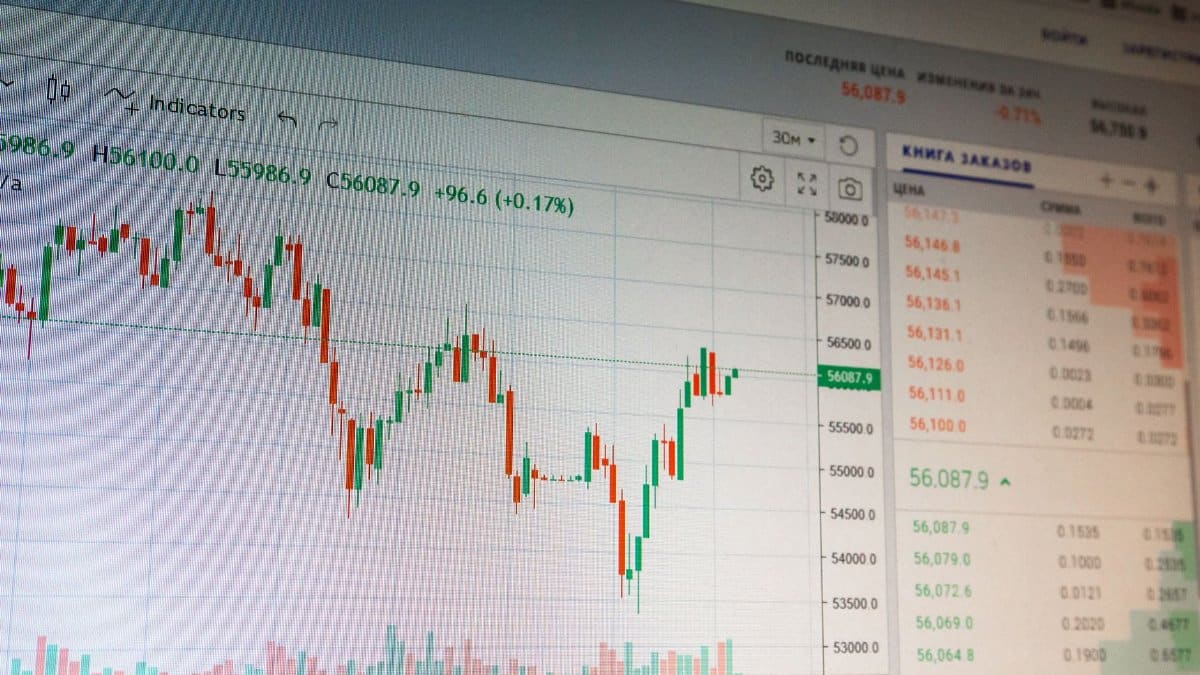
In a conference room in Bangkok, with currency traders half a world away refreshing their screens, the new steward of American monetary policy chose restraint over theater. Fed chair Warsh rates talk was the item everyone wanted, and the item he declined to deliver. Price stability, he said, remains the foundation. The next move in borrowing costs, he made plain, is not a riddle he intends to solve in public before the data do.
A careful message far from Washington
Kevin Warsh used meetings in Thailand to restate a principle that sounds simple and is anything but. Stable prices, in his telling, are the condition that lets households plan, lets firms invest, and lets the central bank keep its credibility when the next shock arrives. He did not pair that principle with a timetable. Officials and investors who hoped for a lean toward easier or tighter policy left with a portrait of priorities rather than a forecast.
The setting mattered. Speaking abroad, a Fed chair is heard by foreign finance ministries and by domestic audiences at once. A stray adjective can move Treasury yields before the U.S. market opens. Warsh appeared to treat that risk as reason enough to stay inside a narrow script: inflation must be durably contained, the labor market must be read with care, and the committee will decide meeting by meeting.
Why price stability still comes first

For two decades before the pandemic, many Americans experienced inflation as a background hum. Groceries rose, but slowly. Mortgages were a calculation, not a crisis. That calm broke when prices jumped and stayed jumpy long enough to rewrite family budgets. The memory is still fresh in grocery aisles and rent negotiations, which is why a chair who puts price stability at the center of his remarks is speaking to lived experience, not only to textbooks.
Warsh has long argued that a central bank loses room to support jobs if the public stops believing it will defend the value of money. In Bangkok he returned to that sequence. Get inflation convincingly back to the target, and the rest of the mandate becomes easier to honor. Talk about cuts or hikes before that job is finished, and the institution teaches markets to trade on adjectives instead of evidence.
Markets wanted a hint and heard a boundary
Bond desks had prepared for nuance. A softer line on services inflation, a nod to slowing wage growth, even a cautious phrase about the policy rate being restrictive enough, would have been enough to reprice the path of Fed chair Warsh rates expectations into the summer. None of those gifts arrived. The chair described the current stance as appropriate to the information in hand and refused to preview the next vote.
That refusal is itself a signal, though not the one traders prefer to code into models. It says the committee is not ready to be pinned to a narrative. It also says Warsh would rather disappoint a morning briefing than spend the next month walking back a sentence. In an era when every public appearance is clipped, translated, and fed into algorithms, silence on the policy rate is a deliberate instrument.
How he talks when he will not forecast
Warsh built a reputation, in his earlier years at the Board of Governors and later as a commentator, for skepticism toward elaborate guidance. He has preferred a central bank that explains its framework and then lets outcomes speak. The Bangkok remarks fit that habit. He named the goal, described the risks on both sides of a mistake, and stopped short of the calendar.
Supporters hear discipline. Critics hear evasion. Both can be partly right. Households cannot refinance on a philosophy. Firms cannot lock in payroll plans on a reminder that the dual mandate still exists. Yet a chair who over explains can also do damage, locking the committee into a path that incoming data no longer justify. The art is to be clear about purpose without pretending the next three meetings are already written.
Inflation memories that still govern the room

The last tightening cycle taught a costly lesson. Officials who described price spikes as temporary discovered that temporary can last long enough to shift expectations. Once families and businesses start assuming higher inflation, wage demands and price lists adjust, and the job of bringing inflation down becomes slower and more painful. Warsh does not need to recite that history for it to sit in the room. Every careful sentence about persistence is a sentence written against that episode.
He also faces the opposite error. Hold policy too tight for too long, and hiring cools more than necessary. Small businesses feel that first, in credit lines and in the decision to wait another quarter before adding a shift. The chair acknowledged both dangers without ranking them for the audience. That balance is what “data dependent” is supposed to mean when it is more than a slogan.
What companies hear in the absence of a path

Chief financial officers do not need a press conference to know that money is no longer free. They need to know whether the cost of capital is likely to drift down, stay put, or rise again if inflation stalls above target. When Fed chair Warsh rates commentary withholds that drift, planning desks fall back on scenarios. One case assumes patience at the current setting. Another assumes a gradual easing if price measures cooperate. A third assumes a renewed tightening if progress stalls.
That is inconvenient, and it is also how a cautious central bank wants the private sector to behave: not betting the firm on a single implied path. Banks, for their part, hear a chair who will not bless a rally built only on hoped for cuts. Credit standards may stay tighter than a more dovish speech would have allowed. For borrowers on the margin, the speech in Bangkok was not neutral. It was a decision to keep uncertainty in the price of money.
Bangkok, the dollar, and everyone else in the room

International meetings are never only about the host city’s agenda. When the Fed chair speaks, exchange rates listen. A firm commitment to price stability tends to support the dollar if investors believe the commitment will be kept with policy, not with adjectives. Warsh did not tour the outlook for other economies in detail, but counterparts will have heard the implication. The United States is not offering a timetable that foreign central banks can simply import.
That matters in Asia, where dollar funding and U.S. yields shape local financial conditions. A surprise easing cycle in Washington can ease pressure on emerging markets. A surprise that never comes, because the chair will not preview it, leaves those markets to trade the data instead of the personality. Some officials prefer it that way. Others would rather have a clearer map, even if the map later changes.
Independence when politics wants a number
Every modern chair inherits a political weather system. Presidents and members of Congress have views about the cost of mortgages and the pace of hiring, and they are entitled to voice them. The institution’s value depends on whether those views become instructions. Warsh’s refusal to signal a rate move is, among other things, a way of drawing that line in public. If he will not hand a timetable to markets, he is also declining to hand one to the White House or to the opposition.
The test will come when the data are mixed and the commentary is loud. A chair can cite price stability in fair weather and still flinch when unemployment edges up or when an election calendar grows near. Nothing in a single set of remarks in Thailand proves how that test will go. The remarks do show the standard he is asking to be judged by: stability first, signals later, and only when the committee is ready to own them.
Borrowing costs without a promised destination
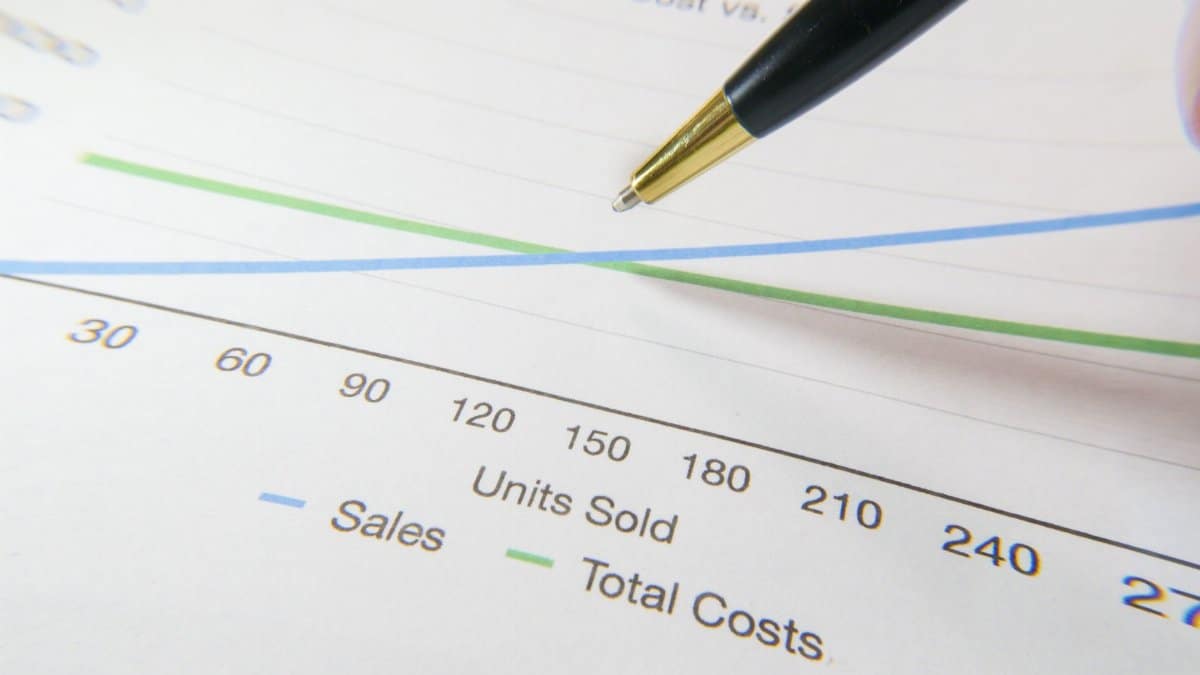
For families, the practical question is simpler than the communique. What happens to the mortgage, the car loan, the credit card, the savings account? The honest answer after Bangkok is that the chair would not say. If inflation continues to cool and the job market softens without breaking, the committee will have room to ease. If price pressures stick, that room shrinks. Warsh described the logic and withheld the odds.
Savers occupy the other side of the same silence. Higher policy rates have restored some yield to cash and short term instruments after years when deposits paid almost nothing. A chair who will not promise cuts is, for the moment, a chair who will not promise to take that yield away. That is not a gift designed for retirees. It is a byproduct of a policy that refuses to get ahead of the inflation figures.
Reading the chair without inventing a promise

Commentators will still try to decode the adjectives. “Key” attached to price stability will be treated as hawkish. The absence of a warning about overtightening will be treated as hawkish too. A mention of balanced risks will be treated as a pivot. This cottage industry is unavoidable. It is also how guidance leaks back into the market even when a chair tries to keep it out. Fed chair Warsh rates speculation will continue on trading floors whether or not he feeds it.
The healthier reading is plainer. He told a foreign audience that the central bank’s first duty is a currency that holds its purchasing power, and he declined to audition the next policy vote. That is consistent with a view that credibility is built by sequence: state the objective, wait for the evidence, then move. It is inconsistent with a view that the chair’s job is to manage the daily mood of the bond market.
What the next meetings will have to answer
Upcoming releases on consumer prices, employment, and spending will do the work his remarks refused to do. If inflation’s stickiest components ease and hiring cools in an orderly way, pressure will build inside the committee for a less restrictive stance. If progress stalls, the Bangkok emphasis on stability will look like preparation for patience, or even for another turn of the screw. Either outcome can be squared with what he said, which is precisely why the speech cannot be traded as a forecast.
Colleagues on the Federal Open Market Committee will matter as much as the chair. A single voice, even the most prominent, does not set the federal funds rate. Dissents, speeches by regional presidents, and the minutes will fill in the range of views that a carefully staged appearance leaves blank. Investors who treat one transcript as the whole committee will misread the institution.
A standard he will be measured against
Warsh has now put a sentence on the record that is easy to remember and hard to hide from. Price stability is key. Rate signals can wait. If inflation settles near the target and he still speaks as if the fight is unfinished, critics will say he is fighting the last war. If he pivots toward easier policy while prices are still running hot, critics will say the Bangkok line was theater. The standard is public. The verdict will be written in the price indexes, not in the adjectives.
For a broad public that does not follow basis points, the takeaway is still worth holding. The person at the head of the Fed is asking to be trusted on a sequence rather than on a promise of cheaper money by a date. That is a more austere kind of leadership than a market rally prefers. It is also closer to the job the statute describes: stable prices, maximum employment, and a central bank that does not spend its credibility on hints it may have to abandon.
Until the data move, Fed chair Warsh rates will remain a question he is willing to leave open. In Bangkok he treated that openness as a feature of honest policy, not as a failure of communication. Whether households and investors agree will depend less on the next speech than on whether the prices they pay finally behave as the goal he keeps naming.