
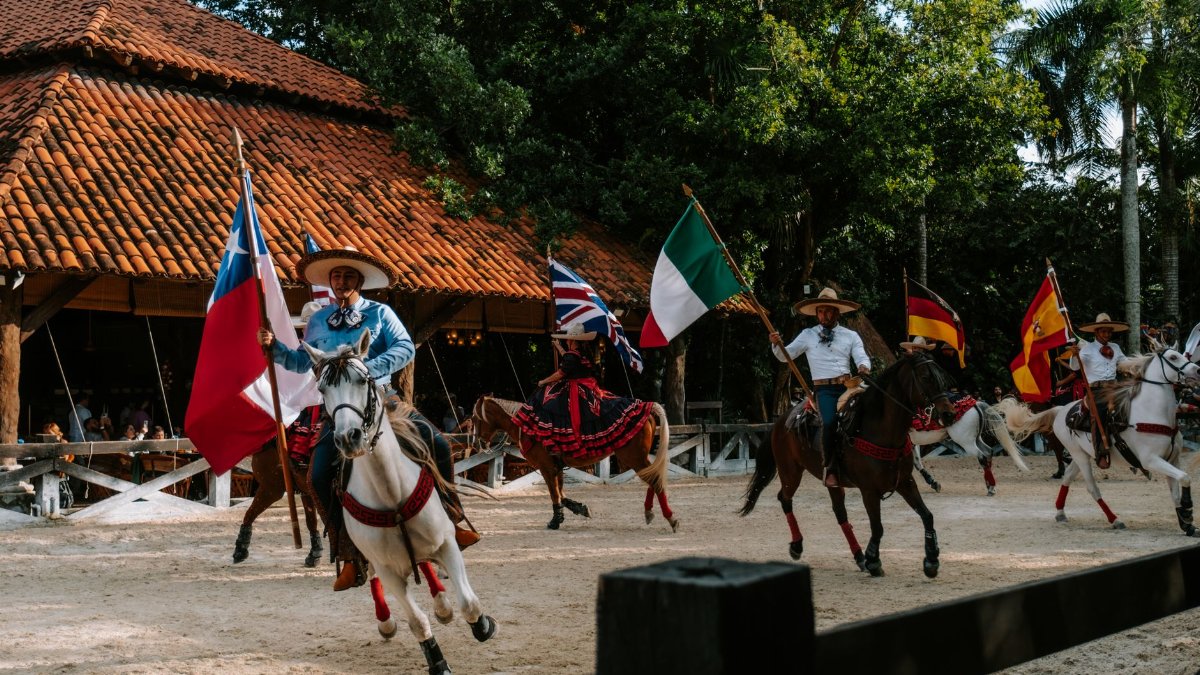
On a bright Saturday in the middle of October, North Texas does not so much slow down as multiply. Parking lots fill before noon, food lines curl past tents, and families negotiate which neighborhood deserves the afternoon. The Plano International Festival sits near the center of that choice, a large outdoor gathering that treats a suburban green space like a temporary capital of many kitchens and languages. Around it, short films, beer gardens, and neighborhood stages compete for the same precious weekend hours. For readers mapping the middle of the month, the useful question is not whether there is something to do. It is how to move through a crowded calendar without missing the thing you actually came for.
What the middle of October asks of a weekend
October in this part of Texas has a particular temperament. The heat has usually loosened its grip, though a warm afternoon can still surprise anyone who packed only a light jacket. Days are long enough for two stops if you plan them, and short enough that a third stop often becomes a wish rather than a fact. That arithmetic matters more than any single poster. A film program, a cultural fair, and a traditional autumn celebration can all look reasonable on a phone screen at breakfast. By early evening, traffic, hunger, and tired children rewrite the list.
The wiser approach is to pick a primary event and treat everything else as optional. Mid month weekends reward people who decide what they refuse to miss. They punish people who try to collect every highlight. North Texas is wide. Collin County, Dallas, and the smaller cities to the west do not sit in one convenient loop. A good plan respects that distance instead of pretending a map app can erase it.
Why the Plano International Festival draws a regional crowd
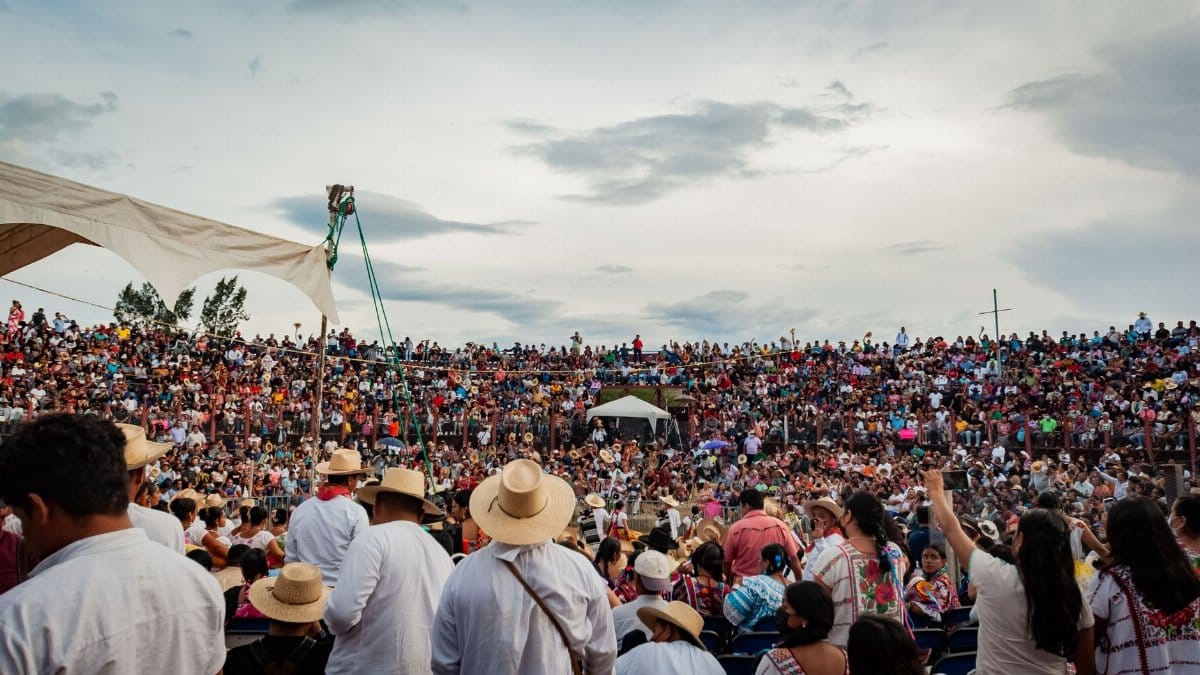
The Plano International Festival has become one of the clearer expressions of how this metro area actually lives. It is not a costume party built around a single heritage. It is a broad outdoor assembly of dance groups, craft tables, community organizations, and food vendors whose menus rarely share a cuisine. Visitors come for spectacle, yes, but also for the ordinary pleasure of standing in a line next to neighbors they do not otherwise meet. In a region that grew fast and spread wide, that kind of proximity is not trivial.
What distinguishes the day is scale paired with approachability. You do not need a ticket strategy worthy of a stadium tour. You need comfortable shoes, a sense of curiosity, and a willingness to linger at a stage you did not intend to watch. Performances rotate. A dance set ends, a choir begins, and the crowd shifts without much ceremony. The festival works best when you let that rotation set the pace rather than racing from one highlighted act to the next as if culture were a checklist.
Food, music, and the real shape of the afternoon
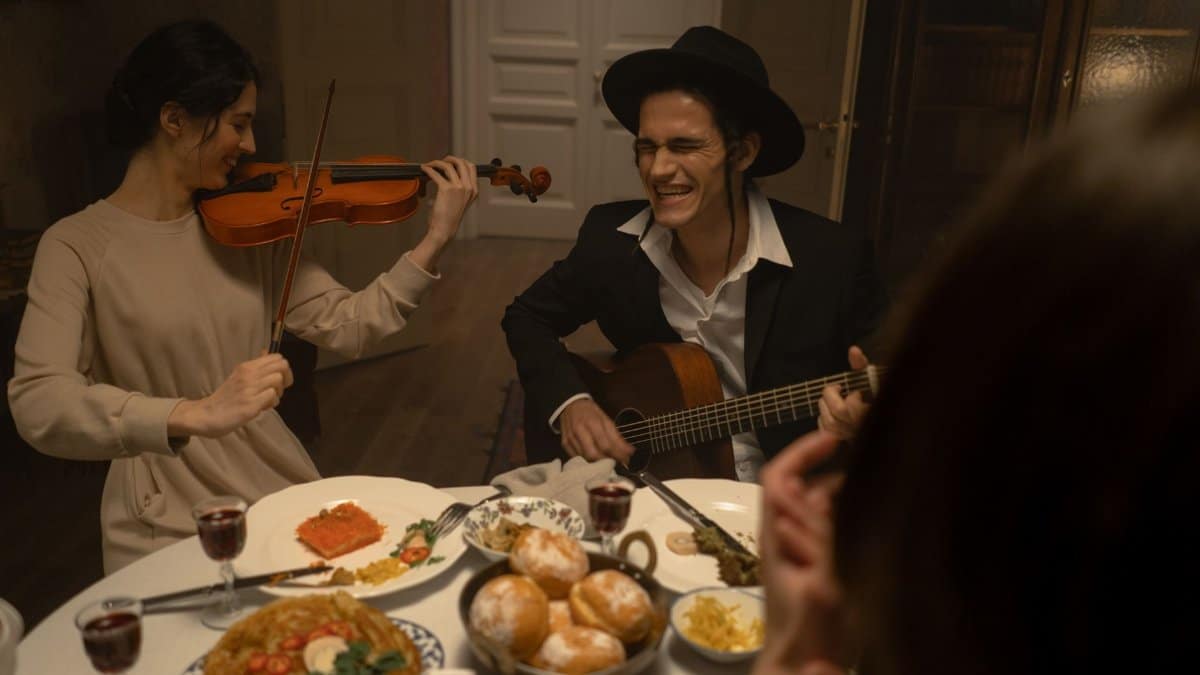
At gatherings like the Plano International Festival, food is not a side note. It is the map. People remember the stall that ran out of a particular pastry, the spice level they underestimated, and the shaded table they finally found after circling twice. Sharing plates is the easiest way to turn a large event into a conversation. Order less than you think you want at the first stop. The second and third stops are where the day becomes interesting.
Music does similar work. A stage can hold a crowd that would never assemble for the same reason on an ordinary Tuesday. Parents pause. Teenagers, briefly, stop scrolling. The sound is uneven by design, because community festivals are not produced like arena shows. That unevenness is part of the charm and part of the frustration. If a set is hard to hear, walk. Another performance is usually starting within a short stroll, and the walk itself is half the point.
Short films and a different kind of attention
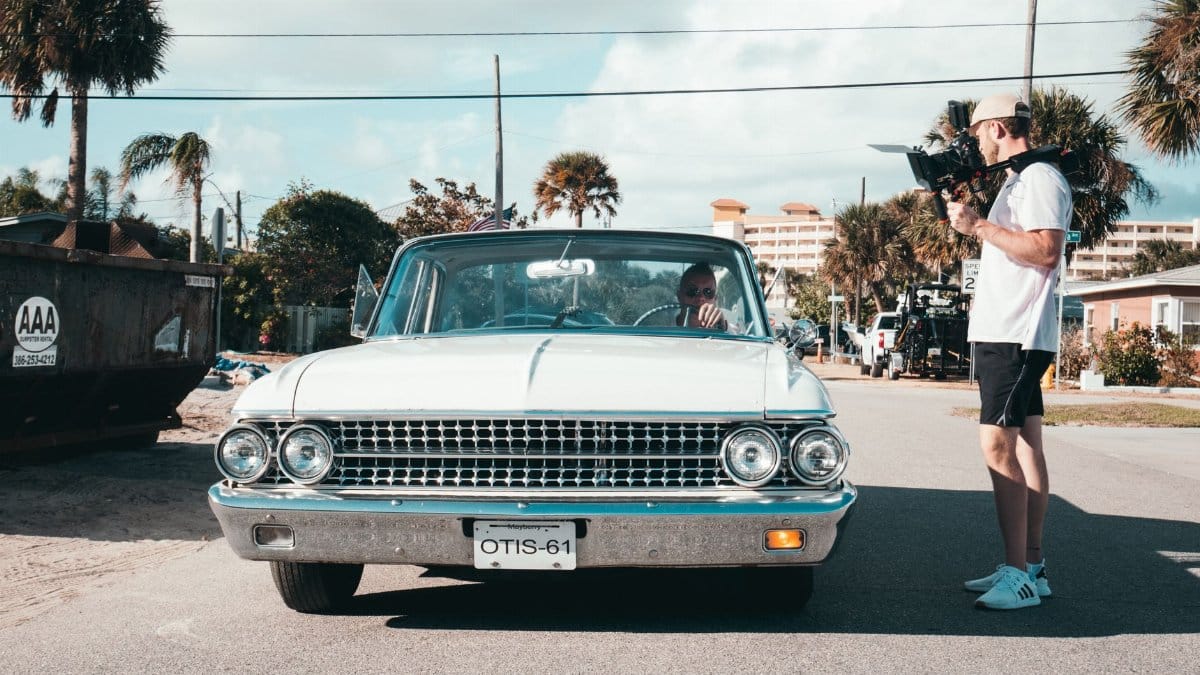
The DIFF Shorts Film Festival offers a useful contrast to the open air calendar. Where a festival ground asks you to wander, a shorts program asks you to sit still and accept a series of complete stories in miniature. North Texas audiences have grown used to big multiplex openings. A shorts slate restores a different muscle: the ability to meet a filmmaker’s world in twelve or twenty minutes and then release it. That compression can feel more intimate than a two hour feature, because there is no time for decoration that does not serve the point.
Pairing a film block with an outdoor fair is possible, but only if you protect the screening. Do not schedule a meal that depends on a precise departure from the theater. Shorts programs sometimes start late, run long, or invite a brief conversation afterward. Build a buffer. The reward is a weekend that includes both public noise and private focus, which is a rarer combination than most entertainment listings admit.
Oktoberfest in Southlake and the pull of inherited ritual
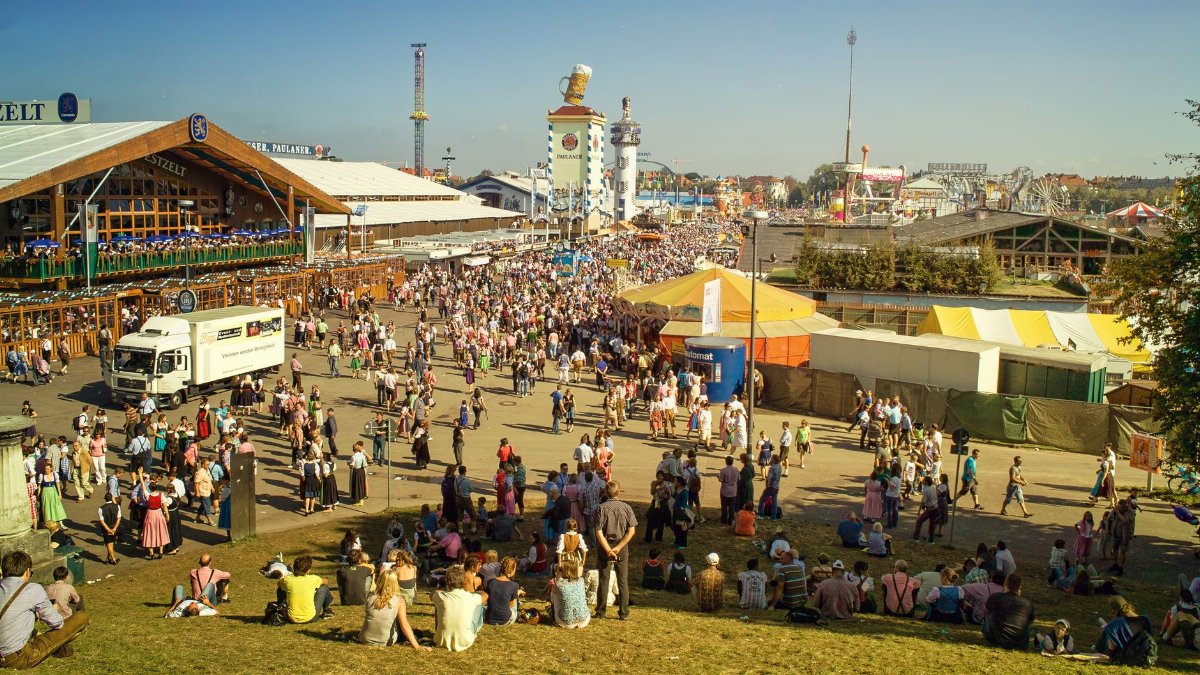
Oktoberfest Southlake answers a different appetite. German autumn celebrations in American suburbs are always translations. The beer, the bands, the pretzels, and the family activities echo a tradition whose original setting was a royal wedding season in Munich, not a North Texas parking plan. The translation still matters. People show up because ritual gives a weekend a shape. You know, roughly, what you are walking into: music with a strong beat, food meant to be shared, and a crowd dressed a little more deliberately than on a random Saturday.
For households with children, the value is often logistical as much as cultural. There is usually something to watch, something to eat, and somewhere to stand that does not require silent attention. For adults, the event can be a reunion without the pressure of hosting. Bring cash or a charged payment app, confirm whether outside food is discouraged, and decide in advance who is driving. Those small decisions determine whether the afternoon feels festive or merely crowded.
Choosing among overlapping invitations

The hardest part of a North Texas events weekend is not discovery. Listings are everywhere. The hard part is refusal. If the Plano International Festival is your anchor, say so out loud to the people you are bringing. If the film program is the thing you have been waiting for, do not bury it under a vague plan to “swing by” a fair afterward. Overlapping invitations create a false sense of abundance. You can attend many things across a month. You can attend only a few things well across a single Saturday.
A practical method is to assign each person in the group one nonnegotiable and one preference. The nonnegotiable gets the best arrival time. The preference fills whatever energy remains. This sounds managerial. It is actually kind. Nothing sours a cultural afternoon faster than three people silently wanting three different cities while pretending to be flexible.
Getting there without spending the day in the car
Distance is the unnamed headliner of every regional guide. Plano, Dallas, and Southlake are all reachable, and none of them is next door to the others in the way a downtown walker understands proximity. Highway conditions on a Saturday can be gentle or suddenly not. Leave earlier than the event start if you care about parking near an entrance. Many large gatherings fill close lots first and then push later arrivals toward a longer walk, which is fine if you expected it and miserable if you did not.
Rideshare can solve the driving question and create a new one at departure, when hundreds of people request cars at once. If you are attending the Plano International Festival with a group, agree on a meeting point that is not “by the main stage,” because main stages look alike once the crowd thickens. A specific landmark, a numbered gate, or a parked car with a clear description will save a half hour of texting.
Weather, clothing, and the small preparations that matter
Middle of October weather in North Texas is a negotiation, not a promise. Mornings can feel like early autumn. Afternoons can feel like late summer. Evenings cool again. Layers beat a single confident outfit. Closed shoes beat new sandals if you expect grass, pavement, and long standing. A hat is not a fashion statement so much as a tool when you are facing a stage with the sun behind the performers or, worse, in your eyes.
Bring water even if vendors sell drinks. Lines move slowly when everyone is thirsty at the same moment. If you are sensitive to loud sound, distance from the speakers is a better plan than hoping the mix will be gentle. None of this is glamorous advice. It is the difference between staying for the performance you wanted and leaving because your feet or your patience gave out first.
Crowds, courtesy, and when to leave
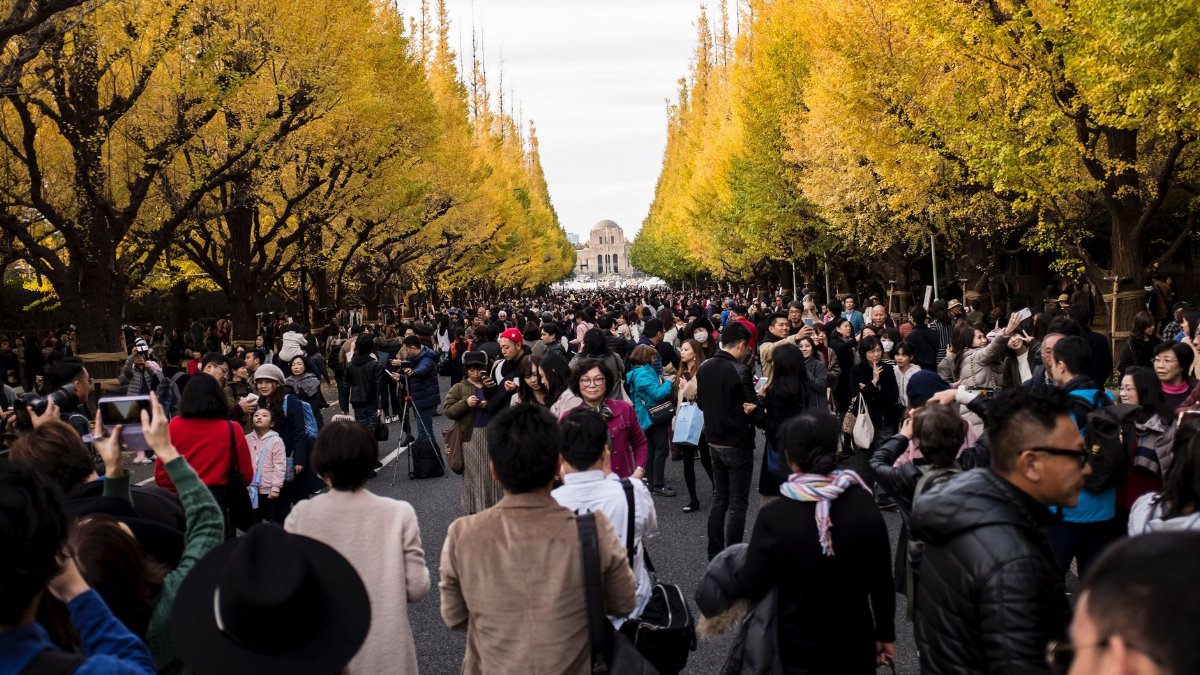
Large public events test ordinary manners. Strollers, wheelchairs, and people stopping suddenly to take photographs all occupy the same narrow paths between tents. The courteous move is simple: do not halt in the middle of a lane, and do not treat a performer as background for a long video if you are blocking sightlines. Festivals depend on a shared agreement that everyone gets a little space and nobody gets all of it.
Leaving early is an underrated skill. Peak departure times turn a pleasant day into a slow crawl. If you have already heard the music, eaten the meal, and watched the performance that justified the trip, you are allowed to go. The last hour is not morally superior to the middle hour. I have left good events while they were still good, and the memory stayed cleaner for it.
A public gathering as a kind of shared practice
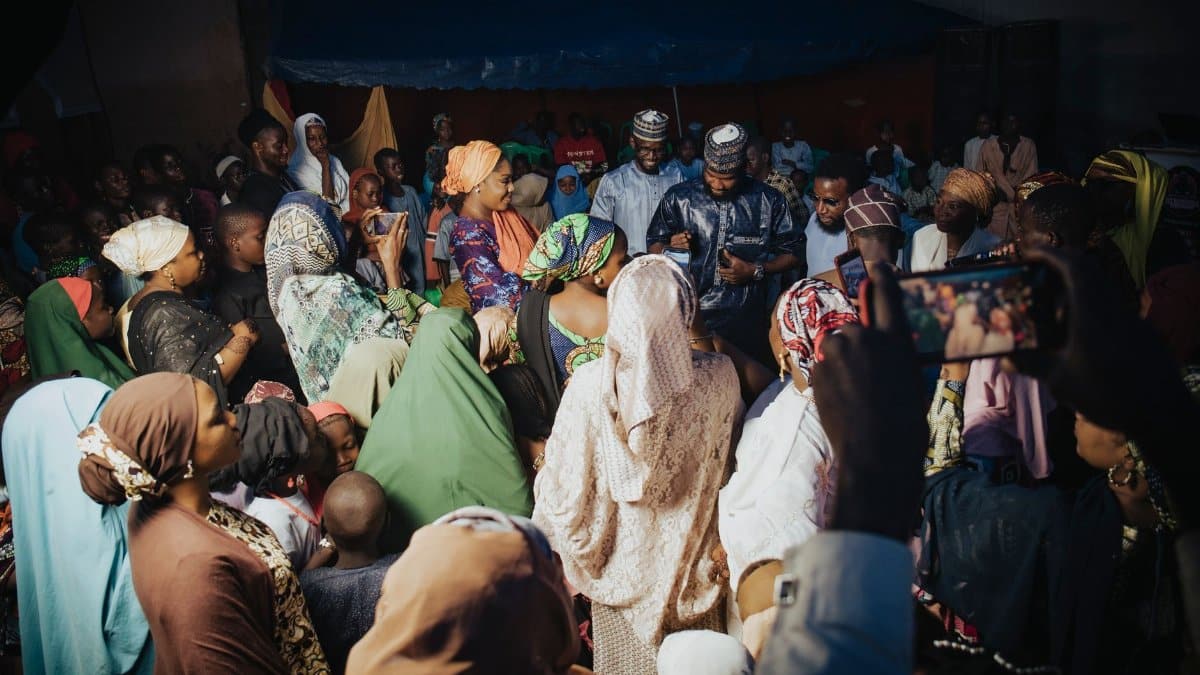
There is a reason weekends like this linger in a category beyond simple entertainment. People do not only consume culture at the Plano International Festival or at an Oktoberfest tent. They practice being in public with strangers. They wait. They applaud for a dance they cannot fully interpret. They taste food from a tradition that is not theirs and, if the day goes well, they do it without turning curiosity into entitlement. That is a modest civic habit, and modest habits are how a diverse region stays livable.
You do not need a sermon to notice the pattern. Standing in a long line, hearing several languages, and choosing patience over irritation is its own quiet discipline. Film shorts ask for a related discipline: attention without possession. You watch a story, you let it end, you do not own it. In a month crowded with noise, those small acts of attention are worth planning for.
What to confirm before you walk out the door
Listings change. A stage time shifts. A film block sells out. A weather front turns an outdoor afternoon into a shorter visit than anyone advertised. Before you commit the household to the Plano International Festival, the DIFF Shorts Film Festival, Oktoberfest Southlake, or any neighboring stop, check the organizer’s own page on the morning you leave. Look for parking notes, bag rules, age guidance, and whether tickets are required for any portion of the day. A regional newspaper calendar is a starting map, not a contract.
Then make the smaller human plan. Who is meeting whom, where, and at what time. What you will eat first. What you are willing to skip. North Texas in the middle of October will keep offering more. The weekend belongs to the people who choose a few things clearly, arrive ready to stay awhile, and leave while the day still feels like a gift rather than an obligation.