
On a stretch of Card Sound Road where the mangroves thin and the water opens toward the bay, a battered wooden bar has outlasted hurricanes, fashion, and more than one generation of regulars. Now the notice that matters is not the one over the kitchen window. Alabama Jack’s for sale is the fact now attached to the place, listed at $4.9 million, and the asking price covers more than stools and a fryer. It covers a business, a stack of recipes, and the right to keep operating on leased waterfront ground in Key Largo. For people who measure Florida by the places that still feel unfinished, the listing reads like a signal that another unofficial landmark is about to change hands.
What a buyer would actually be purchasing

The number on the listing is large enough to stop a casual scroller, but the package is more particular than a waterfront fantasy. Reporting on the offering, including an account in the Miami Herald, describes a sale of the operating business rather than a clean transfer of privately owned shoreline. A buyer would be looking at the bar itself, the goodwill attached to a name people already know how to find, and the recipes that have kept plates moving across the counter for decades. Among those recipes is the conch fritter formula regulars talk about as if it were a family heirloom. There is also a long term land lease, which means the romance of the address comes with a clock and a landlord, not with a deed that can be framed and forgotten.
That structure matters. In much of the Florida Keys, the ground under a beloved business is the scarce asset, and the business is what the public thinks it is buying. Here the public memory and the legal instrument do not line up in a simple way. Anyone who treats the asking price as the cost of a view is reading the listing too quickly. The view is part of the draw. The durable asset is permission to keep serving people in a spot they already trust.
A room with no walls and a long memory
Alabama Jack’s never tried to look like a resort. It sits low, open to weather, closer in spirit to a fish camp than to a hotel lounge. The appeal is not polish. It is the feeling that you can arrive in a sandy shirt, order something fried, and stay as long as the light holds. I have eaten at plenty of waterfront counters that try to manufacture ease. This one never had to. The wood, the breeze, and the lack of ceremony did the work.
Places like that accumulate stories the way pilings accumulate barnacles. People remember a first date, a ride down from Miami on a hot afternoon, a meal after a fishing trip that produced nothing but sunburn. They remember who was playing, or that nobody was playing and the quiet was enough. None of that appears as a line item. All of it is why a sale of this kind draws attention beyond the usual circle of commercial brokers and investors. The building is modest. The attachment is not.
The fritter recipe that comes with the keys
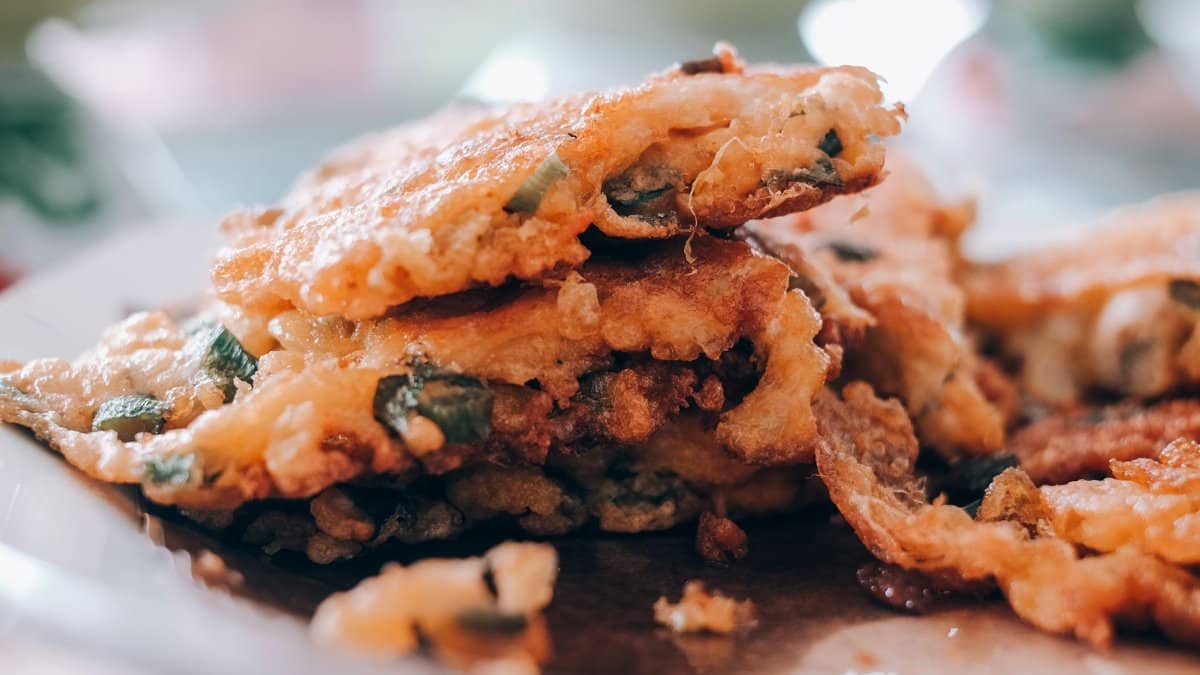
Food is the most portable part of a bar’s identity, and also the easiest part to ruin. Conch fritters are not a secret in the Keys. Nearly every dockside menu has a version. What travels badly is proportion, heat, and the refusal to fancy up a thing that works. Including the recipe in a sale is a practical gesture and a symbolic one. It tells a buyer that the kitchen knowledge is an asset, not a rumor left behind in someone’s head.
Still, a written recipe is not a crowd. Regulars can taste hesitation. They notice when the fritter gets sweeter, smaller, or dressed up for a photograph. The listing can transfer instructions. It cannot transfer the muscle memory of a cook who has made the same basket a thousand times on a humid Saturday. A new owner who treats the recipe as a starting point for reinvention may discover that loyalty was attached to the old version, not to the idea of fritters in general. Continuity, in this case, is a business strategy as much as a sentimental one.
A crowd that does not sort itself by status
Part of the bar’s hold on people is how little it sorts them. Boaters, riders, families, and tourists end up at neighboring tables without a host deciding who belongs. That mix is harder to design than a theme. It grows when a place stays affordable enough, informal enough, and geographically a little out of the way. Card Sound Road is not the parade route of Key West. The slight inconvenience is a filter. People who make the drive are often looking for exactly this kind of afternoon.
There is a spiritual dimension to that habit, if the word is allowed to mean something quieter than a sermon. A weekly table, a familiar server, a view that does not require a reservation: these are small rituals. They give shape to a weekend and a sense that the world still contains rooms where status is not the price of entry. When such a room is listed, the anxiety people feel is not only about fried seafood. It is about whether an ordinary sanctuary will remain ordinary.
Leased ground and the limits of ownership
The lease is the part of the story that should sober any romantic buyer. A long term land lease can be a gift, because it lets a business occupy remarkable ground without paying the full price of Keys real estate. It can also be a constraint. Rent, renewal terms, permitted uses, and the landlord’s plans all sit underneath the beer taps. A purchaser who ignores those pages is not buying a landmark. That purchaser is buying a tenancy with a famous name.
This is where Alabama Jack’s for sale differs from the sale of a standalone building on a fee simple lot. Control is shared with time. Improvements may make sense only if the remaining term justifies them. A renovation that charms a designer can look foolish if the lease does not protect the investment. Serious buyers will read the ground agreement before they taste a fritter. The public will taste the fritter and assume the ground is settled. Both readings are incomplete on their own.
Why $4.9 million is both a fortune and a Keys number
Outside South Florida, $4.9 million still sounds like the price of a substantial property, not a casual roadside bar. Inside the Keys market, context changes the sentence. Waterfront access, name recognition, and a working food and beverage operation can support numbers that would seem inflated on a mainland highway. The question is not whether the figure is eye catching. It is whether the cash flow, the lease, and the cost of keeping the place staffed can carry it without forcing the business upscale.
That last risk is the one neighbors understand intuitively. If debt service demands higher checks, the crowd changes. If the crowd changes, the story that justified the price begins to thin. A buyer can pay for nostalgia and then spend the next decade pricing nostalgia out of the room. The healthier path is duller: know the volume, know the seasonality, know what storm closures do to a year, and resist the urge to turn a fish camp atmosphere into a brand exercise. The listing can start a negotiation. It cannot guarantee that the math and the myth will agree.
The fear that a sale will sand off the edges
Every sale of a beloved hangout produces the same worry, and the worry is not always fair. New owners are not required to be villains. Some of them are the only reason a place survives, because the previous operator is tired, undercapitalized, or ready to leave a life of early mornings and late repairs. Preservation can look like stagnation if the roof leaks and the kitchen fails a health inspection. Affection does not pay for insurance.
The fear becomes reasonable when the marketing starts to describe the bar as an experience to be optimized. Rough edges are not always neglect. Sometimes they are the evidence that nobody has yet decided the customer should feel managed. People who love this spot are not asking a buyer to freeze it in amber. They are asking that a sale not confuse improvement with replacement. Fresh paint is fine. A new identity, imported from somewhere with better lighting and worse fritters, is the loss they are naming when they say the place will not be the same.
Keeping a gathering place when the owner changes

The useful question is what continuity actually requires. It requires staff who know the regulars, a menu that does not blush at its own simplicity, and an owner willing to be present when the romantic version of ownership wears off. It requires honoring the lease and planning for weather, because a Keys business that ignores storms is not a business for long. It also requires a certain humility about the name. The name was built by other people, on other afternoons, and it can be spent down faster than it can be rebuilt.
Alabama Jack’s for sale will keep circulating until a buyer, or the absence of one, settles the matter. If the sale closes, the public test will be ordinary and revealing. Can you still arrive without a costume? Does the fritter taste like the one you remember, or like a note in a corporate binder? Is the water still the main decoration? Those are not mystical standards. They are how a community decides whether a landmark was transferred or merely liquidated.
For now the bar remains what it has been: a low, open room beside the water, selling cold drinks and a recipe people are willing to drive for. The market will decide the price. The next owner will decide whether the price was paid for a business or for the right to erase one. Anyone watching Alabama Jack’s for sale is really watching that choice, and hoping the Keys still have room for a place that never needed to explain itself.