

On an ordinary weekday in the Fenway, a custodian finished his rounds and kept a promise that most people never have to make. Andrew Allen, who looks after Boston Arts Academy, had entered a paired exchange so a Babson College student in renal failure could receive a compatible kidney. In the tight circle of kidney donation Boston has formed around its hospitals, colleges, and waiting rooms, the choice was both exceptional and plain. He later brushed off praise. He was not a hero, he said. He was just a regular schmuck.
A refusal that says more than the praise

The line is funny, a little rough, and carefully aimed. Hero is a word that lifts a person out of the room and sets him on a shelf. Allen would not take the lift. People who work in schools know how praise can flatten a story. A custodian is already easy to overlook, then suddenly easy to mythologize. Neither version is fair. What he did required surgery, risk, and weeks away from the building he knows by its scuffs and bells. What he refused was the idea that goodness belongs only to extraordinary personalities.
That refusal matters in a city that likes its saints with nameplates. Allen’s account, as reported, keeps the act inside ordinary life. He showed up for work. He noticed a student in danger, even if that student studied on another campus. He said yes in a system built for people who are not related, not famous, and not looking for a speech.
Two schools and one failing organ

Babson College sits in Wellesley, a short ride from Boston and a long way from a high school hallway. The student there was in renal failure, the blunt medical phrase for kidneys that can no longer clear the blood. Dialysis can hold a person in place. It cannot restore the easy future a college calendar assumes: internships, late seminars, the ordinary exhaustion of being young.
Boston Arts Academy is a public high school for students who train in music, theater, dance, and visual art. Allen’s job is the unglamorous half of that ambition. Doors, floors, spills, the small repairs that let a rehearsal continue. Nothing in that description predicts transplant surgery. The link was human, not institutional. A young person needed a kidney. A man with a healthy one decided the distance between the campuses was not a reason to look away.
How a paired exchange moves a gift

Direct donation fails when blood type or antibodies do not match. A paired exchange solves that mismatch by trading. A donor gives to a stranger who is compatible. In return, the donor’s intended recipient receives a kidney from someone else in the chain. Computers and transplant coordinators do the matching. Surgeons do the rest, often on the same day so no one is left waiting on a promise.
That is the mechanism behind this kidney donation Boston story, and it is less romantic than a single dramatic handoff. It is also more just. Love or loyalty can start the chain. Biology does not have to end it. Allen did not need to be a tissue match for the Babson student. He needed to be willing, healthy enough, and patient with a process that asks strangers to trust a schedule they do not control.
The tests that come before the incision
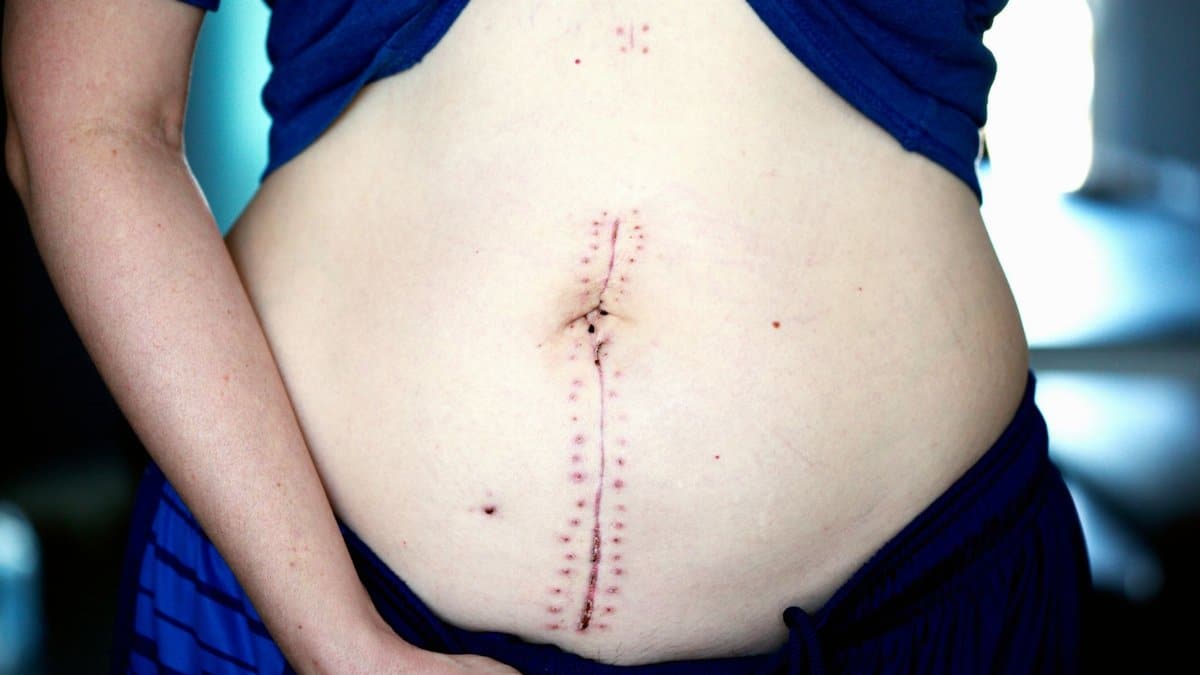
Living kidney donation is not a spontaneous errand. Centers screen donors for blood pressure, kidney function, infection, and the ability to live well with one organ. They also look for pressure: family expectation, money trouble, a wish to be admired. A donor can stop at many points. That right is part of the ethics, not a footnote.
Readers sometimes imagine the remaining kidney simply doubles its effort and forgets the loss. Many donors do return to full lives. Some have lasting fatigue, pain, or a changed relationship to their own health. Honest storytelling keeps both facts. Allen’s dismissal of hero language does not shrink the medical fact. It refuses to let gratitude erase the body that paid for the gift.
Recovery, reported without ornament

Both Allen and the student have been described as recovering well. That sentence is the one families wait for, and it should be left mostly alone. Recovery is not a montage. It is walking, medication, swelling, the first night of real sleep, the return of appetite, the slow permission to lift a bag again. For a student, it is also the question of whether a semester can be salvaged or must be rebuilt.
For a custodian, recovery has a particular texture. The job is physical. Hallways are long. Praise from administrators does not take out the trash. If Allen goes back to Boston Arts Academy as the same man who refused a pedestal, the school will have to match that tone: gratitude without spectacle, time off without guilt, and a clear understanding that a donated organ is not a debt the building can repay.
Why the waiting list still governs the story

A single chain can feel like a solution. Nationally it is a relief inside a shortage. Thousands of people remain on lists for kidneys. Some die waiting. Others age out of the life they meant to resume. Living donation, including exchange programs, shortens that wait for particular patients. It does not retire the list.
Boston’s hospitals have deep transplant experience, which is why kidney donation Boston keeps surfacing in local news whenever a neighbor, coworker, or stranger steps forward. Geography helps. So do coordinators who know how to turn a yes into a match. None of that infrastructure replaces the person who agrees to be cut open for someone whose name may never have been on his payroll.
Ordinary holiness, if the word can bear it

This is not a sermon, and Allen did not offer one. Still, the story sits in a spiritual register whether or not anyone uses church language. A gift that cannot be returned in kind changes the moral weather of a place. Students at an arts high school will hear it. Students at a business college will hear it too. The lesson is not that everyone must donate an organ. Almost no one can, and no one should be pressed.
The lesson is smaller and harder. Attention is a form of duty. The person who empties the bins may be the one who sees a crisis clearly, because his status does not depend on looking unburdened. Calling that holiness is optional. Calling it mere luck is too thin. He chose. The choice had a theology of its own: another person’s life was not someone else’s department.
What the schmuck line protects

Humor is a shield, and this shield is useful. If Allen becomes a mascot, the next donor may feel he has to perform worthiness. If the Babson student becomes a symbol, recovery gets crowded by other people’s need for a happy ending. The schmuck line blocks both distortions. It says the donor is fallible, employed, maybe impatient, definitely not auditioning for a statue.
Journalists should respect that boundary. The public facts are enough: a custodian, a paired exchange, a student in renal failure, two recoveries described as going well, and a man declining the crown. Inventing a richer inner life would steal the modesty he asked for. The restraint is part of the reporting, not a gap in it.
Questions worth asking before anyone volunteers
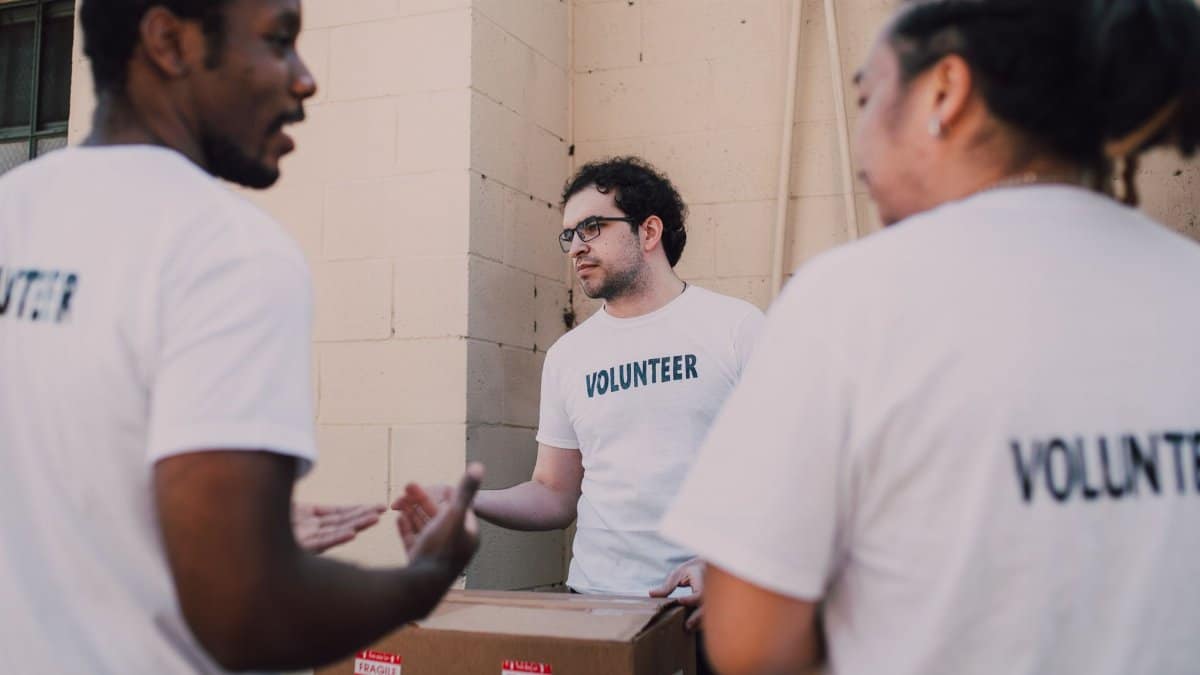
People who read a story like this sometimes feel a sudden urge to register. That impulse is decent. It is not a plan. A useful next step is a conversation with a transplant center, a physician, and the family members who would share the recovery. Donors should ask who pays for complications, how long work will stop, and what happens if the chain breaks. Recipients should ask what the medicines will demand for years, not days.
Anyone searching kidney donation Boston will find hospital programs, screening clinics, and stories that sound cleaner than surgery ever is. Clean is not the standard. Informed is. Allen’s yes is not a template. It is evidence that the template exists for people who reach it clear eyed, with a ride home and a job that will still be there.
A city learning how to say thank you

Boston is good at monuments and uneven at thanks. The right thanks here is practical. Hold the job. Tell the story once, accurately, then let the man return to the hallway. Teach students that a stranger’s kidney is not a miracle they are owed, but a mercy they might someday extend in some other form: time, money, advocacy, or simply the refusal to treat illness as a private embarrassment.
Kidney donation Boston will produce more headlines, because the need does not retire when one chain closes. Some donors will want their names in lights. This one did not. He offered an organ and a correction. Not a hero. A regular person who decided that regular was not an excuse to do nothing, and who trusted the rest of us to hear the difference.