

On a warm Tuesday evening near a Montrose coffee shop, a city council aide and a retired teacher argued over a ballot line that sounds smaller than it is. Houston Prop A marijuana policy would tell police to treat simple possession as a low priority, not a reason for a jail booking. The measure does not legalize the drug. It asks the Houston Police Department to spend its hours on violence, theft, and crashes instead of citations that rarely change a life for the better. Voters will decide whether that shift matches the city they want, and whether a charter instruction can actually move a department that already claims it has better things to do.
What the ballot language actually asks
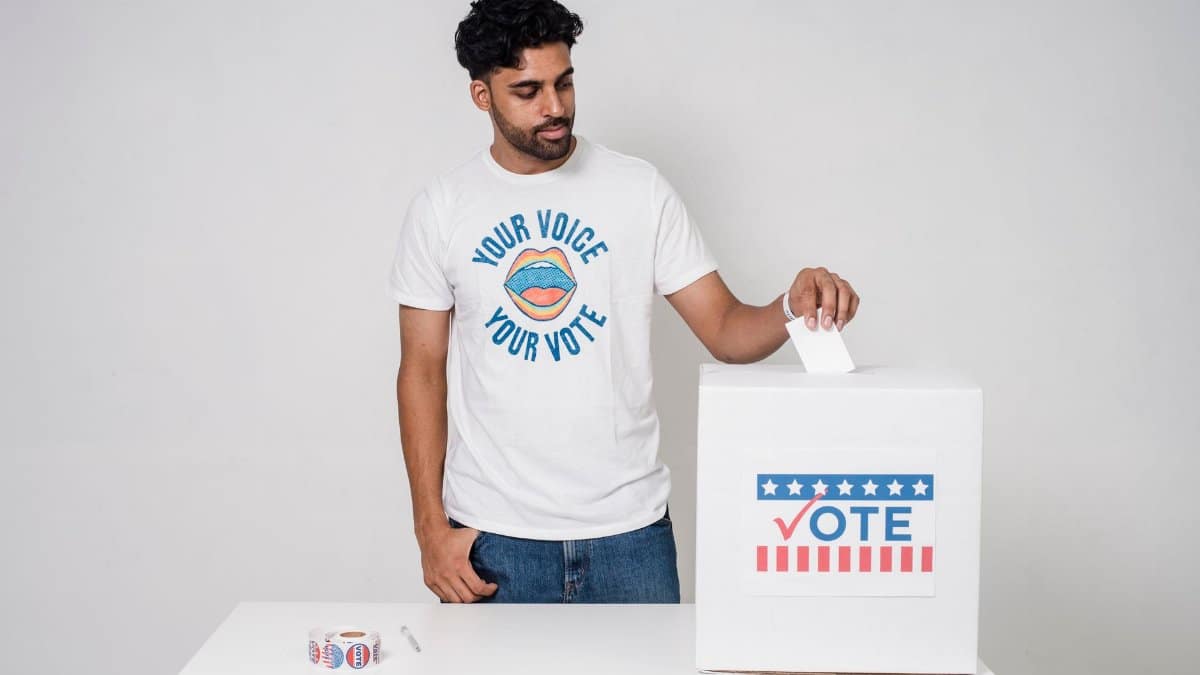
Proposition A is a local instruction, not a new criminal code. In plain terms, it tells Houston police to place simple marijuana possession near the bottom of the enforcement list. Officers would still have authority under state law. The difference is priority. A charter measure can shape department goals, training emphasis, and how commanders explain success. It cannot order a judge to dismiss a case, and it cannot bind the district attorney, who answers to county voters rather than to City Hall alone.
That limit matters. People sometimes hear the word deprioritize and assume the drug becomes legal at the city line. It does not. What changes, if the measure works as advertised, is the chance that a small amount in a pocket becomes the reason a stop ends in handcuffs. The text is aimed at low level possession, not at sales, not at driving while impaired, and not at cases tied to guns or violence. Readers who treat every marijuana question as the same question will misread this one.
Why the Chronicle board said yes

On October 15, 2026, the Houston Chronicle Editorial Board endorsed the measure, arguing that police time is too scarce to spend on minor marijuana cases. The board framed the choice as a matter of public safety priorities, not as a celebration of the drug. In that telling, a yes vote is a message to commanders: clear the serious calls first.
Editorial boards do not decide elections, and Houston voters have ignored them before. Still, the endorsement puts a familiar institution on one side of a fight that often gets reduced to slogans. The board is not claiming that marijuana is harmless. It is claiming that the current use of arrests, bookings, and court dates for small amounts does little to make streets safer. That is a narrower claim, and it is the one Houston Prop A marijuana supporters have to defend when neighbors ask what happens after a yes vote.
What officers already say they do
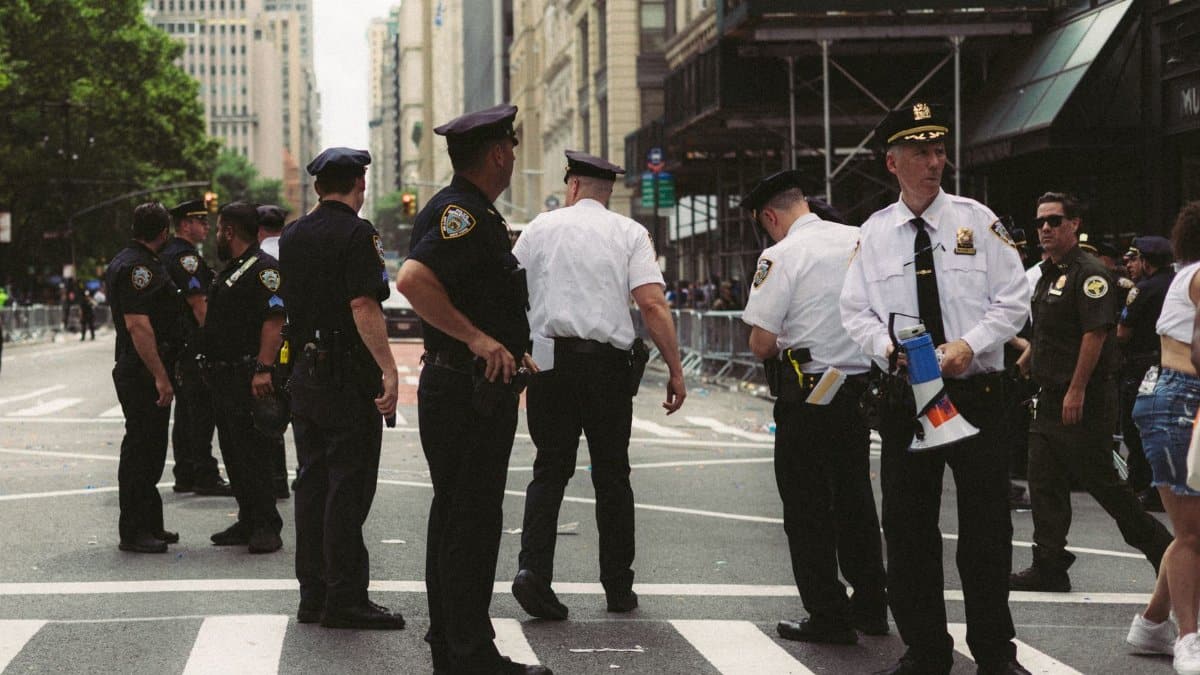
Ask a patrol sergeant about priorities and you will hear a list that starts with shots fired, family violence, and wrecks that block a freeway. Marijuana possession rarely sits at the top of that list in practice. Many stops that end with a small amount of the drug began as something else: a broken taillight, a warrant check, a complaint about a gathering. The ballot measure tries to turn an informal habit into a written expectation.
Habits and rules are not the same thing. A written priority can survive a change in chief, a bad news cycle, or a mayor who wants a tougher tone. It can also become a dead letter if sergeants never hear it in roll call. The practical test is boring and useful. Do booking logs show fewer simple possession cases a year from now? Do officers still have a clear path when marijuana is only one fact in a larger crime? Those are the questions a serious reader should keep, rather than the theater of a campaign ad.
The case from prosecutors and neighbors
Supporters talk about court time. A possession case can pull an officer off the street for paperwork and, later, for a hearing. Prosecutors in Harris County have, in recent years, treated many minor marijuana files as poor uses of a crowded docket. Critics answer that uneven mercy is not the same as a citywide rule, and that a charter line invites confusion about what is still a crime under state law.
Neighbors split along familiar lines, though not always along party lines. Some want every law enforced as written, on the theory that selective policing teaches people which rules are optional. Others have watched a son or a coworker miss work over a charge that a different zip code might have handled with a ticket or a warning. Both instincts are moral, not merely tactical. A city can respect the harm of impaired driving and street sales while still doubting that a backpack with a small amount belongs in the same enforcement queue as a robbery.
Budgets, bookings, and the hours that vanish

Houston is not short of calls. It is short of the hours those calls require. Every booking has a cost in officer time, jail intake, and the slow machinery of notices and settings. None of that cost is abstract to a family waiting on a burglary detective or a crash investigator. The argument for Proposition A is that those hours should be reclaimed, even if the number reclaimed is modest.
Opponents worry about the other side of the ledger. If officers believe a category of crime is officially unimportant, they may miss cases that started small and grew. A possession stop can surface a warrant, a stolen gun, or a driver who should not be behind a wheel. Deprioritizing is not the same as forbidding a stop that has another lawful basis. Campaigns blur that line because blur is easier to shout. Voters who want a clean read should ask whether the measure preserves discretion for real danger while discouraging arrests that exist only because the drug was there.
Race, neighborhoods, and trust

Enforcement patterns in American cities have never been evenly spread, and Houston is not an exception to that history. Neighborhoods with heavier patrol presence produce more discoveries of minor offenses, including marijuana. When those discoveries become arrests, the burden falls harder on Black and Latino residents, and on people who cannot afford a lawyer or a missed shift. That is not a theory about individual officers so much as a description of where stops happen and who can absorb the consequence.
Trust is the quieter stake in Houston Prop A marijuana politics. Residents who believe police exist to manage them, rather than to protect them, share less information after a shooting. A policy that narrows low level drug arrests will not repair that relationship by itself. It can remove one routine grievance. It can also be dismissed as symbolism if violent crime response does not improve. The measure should be judged on both counts: fewer needless bookings, and no excuse for slower work on the crimes people actually fear.
What a city charter cannot repeal

State law still sits above a municipal ballot line. If the legislature defines possession as a crime, a city cannot wave that definition away. Officers who ignore a clear state duty can create liability for themselves and for the city. Defense lawyers will test the new priority in individual cases. Prosecutors will decide which files are worth a courtroom. Judges will apply the statutes they have, not the campaign mailer a defendant remembers.
That legal stack is a reason for modesty, not for cynicism. Cities often govern by emphasis: which units get funded, which metrics appear in a chief’s review, which conduct triggers discipline. Proposition A lives in that zone of emphasis. It is weaker than legalization and stronger than a press release. Anyone selling it as either a revolution or a meaningless gesture is selling a simpler story than the charter can support.
The health question the ballot does not settle
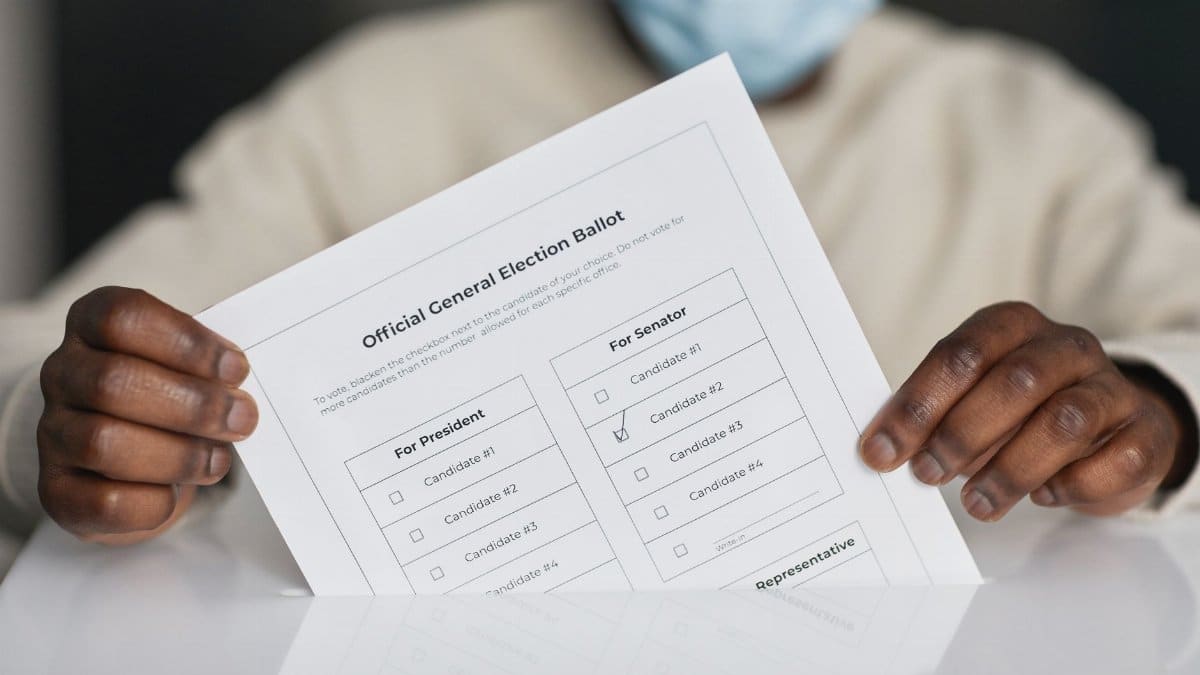
Marijuana is not a moral blank. Heavy use can harm attention, motivation, and, in some people, mental health. Youth use is a legitimate worry for parents and for schools. Impaired driving kills. None of those facts disappears because a police department moves possession down a list. Public health tools, from honest education to treatment access, do not require a jail cell to be real.
The mistake is to force every health concern into the same enforcement tool. A city can fund prevention, support hospitals, and still tell patrol officers that a small possession case is not their main job. Voters who want a sermon will not find one in this proposition. Voters who want a sorting of tasks will find exactly that, and they should say so without pretending the drug is either medicine for every ill or poison in every dose.
How to read the result
A yes vote would instruct the department to deprioritize low level marijuana arrests and would give reformers a document to cite when practice drifts. A no vote would leave priorities where they are: informal, dependent on leadership, and easy to reverse after a headline. Neither outcome legalizes sales. Neither outcome hires more officers. The useful argument is about sequence. What should Houston police do first when they cannot do everything?
Houston Prop A marijuana will not settle the national fight over the drug, and it should not be asked to. It asks a narrower question of a specific department in a specific city. If the answer is yes, the work begins the next morning in roll calls, booking desks, and the dull comparison of numbers. If the answer is no, the same streets, the same calls, and the same arguments will still be there, waiting for a different tool.