

On a foggy morning outside City Hall, the argument is less about a single bus line than about who is allowed to act when the city stalls. Mayor Daniel Lurie is asking San Francisco voters, on November 3, 2026, to approve charter changes and a transit funding plan that would widen the reach of the office he holds. Together those items are being discussed as the Lurie ballot measures, a package that treats slow government as a design problem rather than a run of bad luck. The choice will not feel abstract to riders waiting in the rain or to supervisors who guard their own votes.
What the mayor wants the charter to say
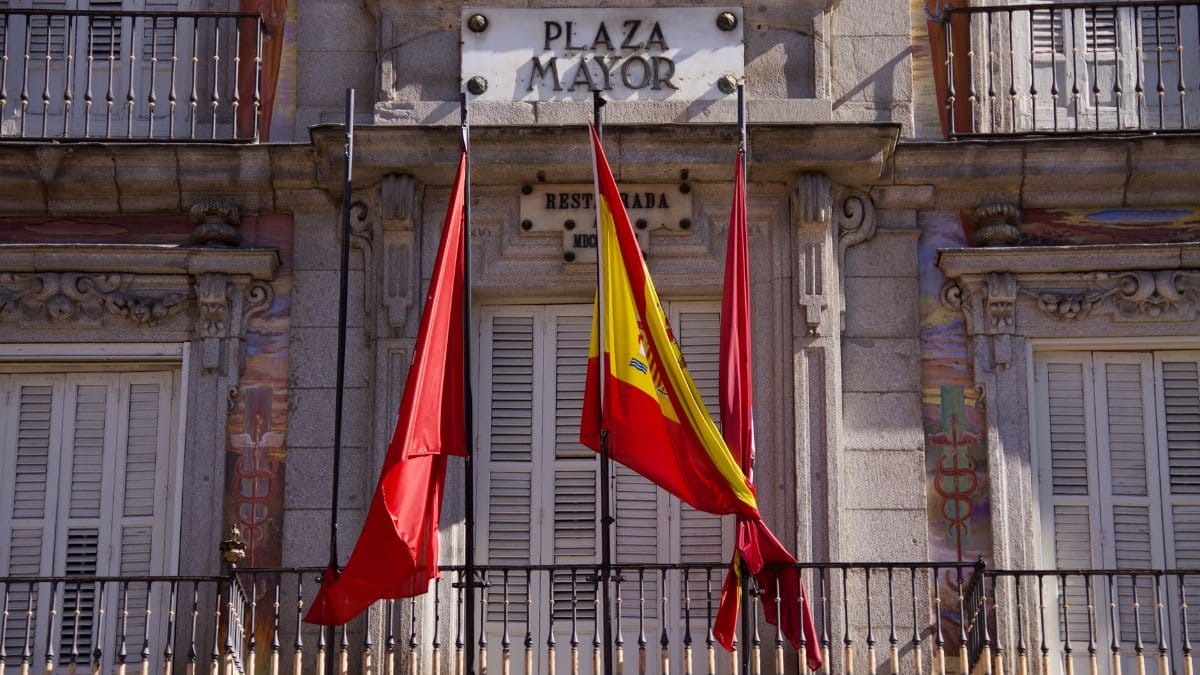
San Francisco already elects a mayor with real executive weight, yet the charter still splits authority in ways that can freeze a decision between the Mayor’s Office, commissions, and the Board of Supervisors. Lurie has framed his request as a cleanup of that split. He wants clearer lines on appointments, faster paths for urgent city business, and fewer places where a plan can die in a committee without a public yes or no.
Charter language is dull until it is not. A sentence about who hires a department head can decide whether a shelter opens, whether a street project moves, or whether a budget hole is patched before the fiscal year ends. Voters are being asked to treat that fine print as the main event, not as a technical appendix to a louder campaign.
Why this fight returned in 2026

The city has spent years cycling through crises that do not respect meeting calendars: empty downtown offices, a strained safety net, and a transit system whose ridership never fully returned to old patterns. Each crisis produced a task force, a hearing, and a promise that coordination would improve. Lurie is betting that voters are tired of coordination as a slogan and want a single office held responsible when the work slips.
That bet depends on memory. San Franciscans have expanded and restrained mayoral power before, often after a scandal or a budget scare. The present push arrives without a single triggering disaster and with a mayor still early in his term, which makes the ask both cleaner and easier to oppose. Critics can say the office has not yet earned a larger toolkit. Supporters can say waiting for a perfect record is how the toolkit never arrives.
Transit money as the practical half

The funding side of the package is easier to picture than charter clauses. Muni and the regional agencies that feed the city face structural gaps: fare revenue that no longer covers the old network, labor and maintenance costs that rise with the calendar, and capital needs that compete with operating needs. A ballot measure that steadies local transit dollars is an attempt to stop the annual ritual of service cuts dressed up as efficiency.
Riders do not experience governance theory. They experience a missed train, a shortened line, or a transfer that no longer works after dark. Linking that daily fact to mayoral authority is the political move. If voters believe money without a manager still leaks, they may accept both halves. If they believe the money is the only honest part, they may try to split the package in their minds even when the ballot does not let them.
How power is divided now
Under the current charter, the mayor proposes, the board amends, and a thicket of commissions holds pieces of hiring, contracting, and policy. That structure was built to prevent a strong personality from running the city as a private firm. It also creates veto points that no one person owns. A stalled contract can be blamed on the mayor, the board, a commission chair, or the city attorney, and each explanation can be partly true.
Lurie is not the first mayor to call that arrangement a trap. What differs is the timing. Downtown tax receipts are softer than they were before the pandemic, and state and federal help is less reliable as a backstop. In that climate, delay has a price tag. The argument for concentration is that someone must be able to choose, publish the choice, and face the voters for it.
The case his allies are making

Allies describe the Lurie ballot measures as a test of whether San Francisco still believes in elections as a management tool. Their pitch is plain. Give the mayor a shorter path on appointments. Let urgent fiscal items move without a maze of sequential approvals. Pair that authority with a transit revenue plan so the power is attached to a visible public good, not to an open ended grant of discretion.
They also argue that accountability improves when credit and blame are harder to share. A mayor who can hire and fire more directly has fewer excuses. A board that loses some procedural leverage gains a cleaner role as the body that writes law, holds hearings, and can still block a budget it rejects. In that telling, reform is not the death of checks. It is a relocation of them to places voters can see.
The case against a wider mayoral reach
Opponents hear a different story. They note that San Francisco’s problems are not only procedural. Housing costs, street conditions, and a hollowed commercial core will not yield to a faster signature. Expanding the office, they say, risks locking in one political style for years, especially if charter changes are hard to undo once they pass.
Labor groups, neighborhood advocates, and some supervisors worry about commissions that were designed as buffers. Those bodies can be slow, and they can also be the only formal seat for people who do not win citywide races. Stripping or bypassing them may speed a contract and still narrow who gets heard before the contract is signed. The objection is not that Lurie is uniquely untrustworthy. It is that charters should be written for the next mayor as well as this one.
What November will actually measure

Ballot campaigns in this city often collapse into personality. This one will be tempted to do the same, because the mayor’s name is on the argument even when it is not printed in the title. The more useful measure is whether voters accept a trade: less diffusion of authority in exchange for a clearer line from decision to result, plus a dedicated stream for trains and buses.
Turnout will matter as much as message. November 3, 2026, is a general election date, which usually draws a broader city than a spring special. Broader does not mean softer. Homeowners worried about taxes, renters worried about service, and downtown employers worried about workers who will not commute on an unreliable system may not land in the same column. The Lurie ballot measures will have to speak to all three without promising that one vote repairs the tax base.
A city that keeps rewriting its own rules

San Francisco voters are practiced at charter surgery. They have created offices, merged departments, and set aside funds for parks, libraries, and transit with a frequency that surprises people who assume a constitution is meant to sit still. That habit cuts both ways. It means reform is culturally normal. It also means voters have seen grand designs fade into the next round of amendments.
Cynicism is the quiet opponent here. If residents decide that every structural fix is advertising, they will vote no out of habit and leave the slow machinery in place. If they decide that habit is the luxury of a richer decade, they may sign over powers they later regret. The adult version of the debate admits both risks and still asks which risk is larger in 2026.
Questions worth asking before a yes or a no

A careful voter can ignore the slogans and test a few concrete points. Does the charter text name the appointments and the deadlines, or does it gesture at flexibility? Does the transit plan identify a source that survives a recession, or does it lean on a tax base that is already shrinking? Can the board still stop a bad budget, or does speed come from shrinking that stop?
It is also fair to ask what success would look like two years later. Faster hiring is measurable. So is service frequency on core lines. So is the number of major contracts that clear without a lawsuit or a do over. If the campaign cannot point to those markers, the request is mood, not management. The Lurie ballot measures deserve that standard because they ask for durable changes, not a one year experiment.
The political weather around the mayor

Lurie came into office with a reputation as a civic figure more than a club politician, and that biography still shapes how the package is heard. Supporters treat it as evidence that he is willing to spend capital early rather than hoard popularity. Skeptics treat it as evidence that a new mayor is reaching for tools before he has shown he can use the ones he has.
Neither reading requires a villain. City politics is crowded with competent people who cannot move a file because the file needs four signatures and a hearing date that keeps slipping. It is also crowded with confident people who would use a shorter path to avoid a hearing they would lose. The charter cannot read motives. It can only set the path and leave motives to the next election.
Money, trust, and the bus stop

Trust is the scarce resource, more than any single tax dollar. Residents who feel the city takes their money and returns delay will hear a funding measure as another extraction. Residents who feel the city argues while services thin will hear a power measure as a chance to end the argument. The package tries to answer both feelings at once, which is ambitious and also fragile. A scandal in contracting, or a clumsy cut to a neighborhood line, could sink both halves even if the legal text is sound.
That is why the transit half is not a sweetener in the cheap sense. It is the proof the mayor is offering that authority will touch ordinary days. If the proof feels vague, the authority will feel like a personal ask. Campaigns that forget the bus stop usually learn that lesson on election night.
What a win or a loss would mean

A win would not make San Francisco a strong mayor city in the textbook sense overnight. It would shift the default toward the executive on the items the text names, and it would give transit a more predictable local floor if the revenue language holds. Department heads would feel the change before the public did. The public would feel it later, in who gets hired and which projects survive a tight year.
A loss would leave the mayor with the powers he already has and with a public signal that voters are not ready to concentrate them. That signal can discipline an administration or paralyze it. Lurie would still propose budgets and still bargain with supervisors. He would do so knowing that a structural shortcut was refused, which often pushes mayors toward narrower deals rather than another charter campaign.
A vote about responsibility more than ideology

The argument does not map cleanly onto national factions. Plenty of progressives want a mayor who can force housing and street projects past delay. Plenty of moderates want commissions kept as brakes on spending. The Lurie ballot measures sit in that overlap, which is why they are hard to caricature and easy to oversell.
What voters are really deciding is where responsibility should sit when the city is short of money and long on process. Spread thin, responsibility can look like democracy and function like drift. Pulled tight, it can look like leadership and function like overreach. November will not settle that tension for good. It will settle it for this mayor, this charter, and the next few years of buses, budgets, and blame.