
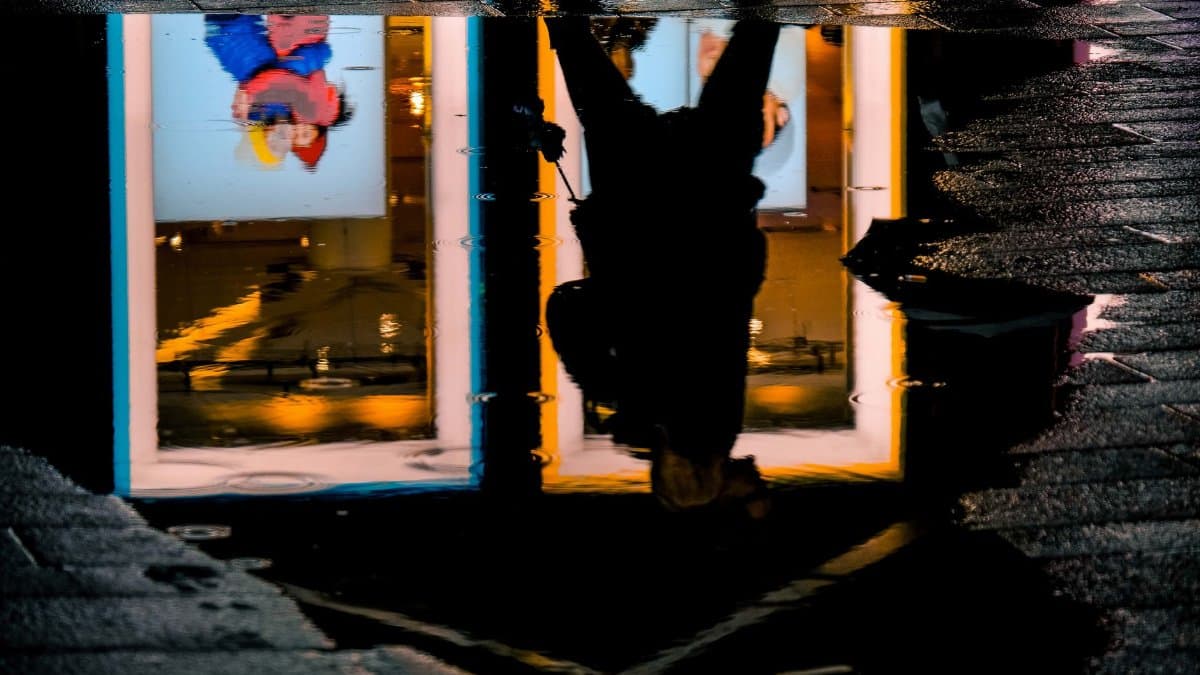
On a narrow stretch of Ping On Alley, water used to sit long after the rain had moved on. It gathered between brick walls, reflected neon from nearby restaurants, and refused to leave. Shopkeepers stepped around it. Delivery drivers slowed. Mosquitoes found a home that the weather never quite took away. Then the city acted. After a Boston Globe report drew fresh attention to the standing water, crews cleared the drain and pumped the alley dry. The Chinatown puddle fix was small on a municipal map and large on the block where people actually walk. What disappeared was not only a nuisance. It was a reminder of how long a problem can linger when it lives in a place that few officials pass on an ordinary Tuesday.
A corner that would not dry
Ping On Alley is the kind of passage a city map treats as connective tissue. It is not a parade route. It is not a plaza with a plaque. It is a working cut between buildings, used by people who know the neighborhood by habit rather than by guidebook. For a long time, a puddle claimed part of that passage. Rain fed it. Poor drainage held it. Debris in the line kept the water from finding the outlet it was supposed to reach.
Standing water in an alley is easy to dismiss if you only see it once. You assume the next dry day will finish the job. In this case the dry days did not finish the job. The water returned, or never fully left, and the corner acquired a reputation among people who had to pass it with carts, bags, and tired feet. A puddle becomes a landmark when it outlasts the weather that made it.
Boston has no shortage of wet pavement. Storms roll in off the harbor. Older streets settle. Catch basins clog with leaves, paper, and the fine grit that traffic grinds into the gutter. Most of those problems are cleared in the ordinary round of maintenance. A few sit long enough to become stories. This one sat long enough to become a Globe story, and then, according to that report, a work order with a visible result.
Daily life around standing water
Flooding sounds dramatic until you watch what a shallow pool actually does to a workday. It soaks shoes. It splashes trouser cuffs. It forces a delivery worker to choose between a longer route and a wet one. Restaurant staff who already move fast between a hot kitchen and a crowded sidewalk lose minutes they do not have. Residents who use the alley as a shortcut start treating a few square yards of their own neighborhood as optional.
There is also the smell. Water that sits picks up oil, food waste, and whatever the street gives it. In warm weather the smell arrives before the puddle does. People who live above storefronts notice it when they open a window. People who work at street level notice it all shift. None of this is a catastrophe in the language of emergency management. It is a steady tax on patience, and patience is not an infinite civic resource.
Neighbors in Chinatown have argued for years that small conditions deserve the same seriousness as large ones. A broken streetlight, a blocked vent, a pool that will not drain: each is minor in isolation and exhausting in sequence. The alley puddle belonged to that sequence. It was not the only unfinished task in the neighborhood. It was simply the one that refused to be abstract.
The story that got a crew to the alley
Local journalism still has a blunt power that dashboards and complaint apps have not replaced. A resident can file a request and wait. A reporter can stand in the water, describe the block, and put the delay in front of readers who do not live there. The Globe account of the Ping On Alley puddle did that work. It named the place. It described the flooding and the mosquitoes. It made an overlooked corner legible to people who control crews and schedules.
After the story, the city response arrived in the form that alleys understand: people, tools, and a pump. Drains that had been choked were cleared. Water that had been sitting was moved out. The pavement, long accustomed to a dull mirror, went back to being pavement. Officials can debate whether the article caused the visit or merely coincided with a job already in the queue. Residents tend to care less about that distinction than about the dry ground under their shoes.
The Chinatown puddle fix will be cited, fairly or not, as evidence that attention still moves government. That reading is incomplete. Crews do not appear from nowhere. Budgets, union schedules, equipment yards, and competing emergencies all sit behind a single afternoon of pumping. Still, the sequence is hard to ignore. A problem persisted. A newspaper described it. The water left.
Pumps, debris, and a cleared drain
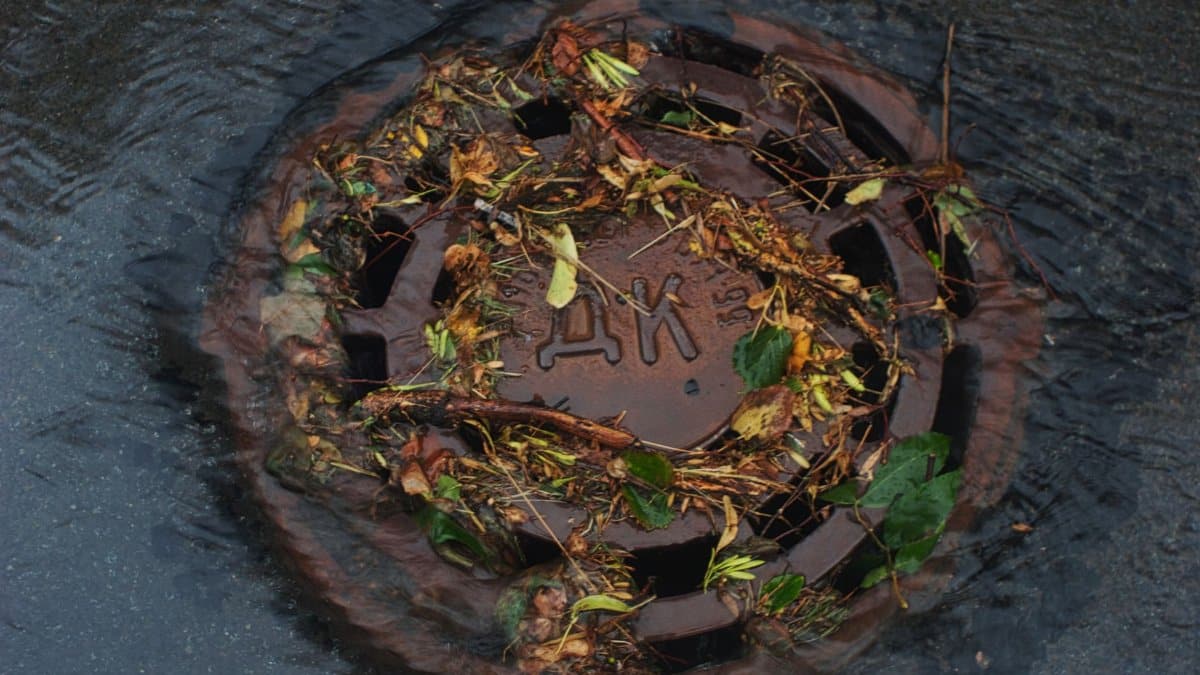
Unclogging a drain is less mysterious than the wait that precedes it. Leaves mat together. Plastic bags fold into the mouth of a basin. Sediment settles until the opening is a rumor. In an alley, trash from nearby businesses and wind from the wider street both find the low point. Once the line is blocked, every rain adds volume that has nowhere useful to go. Pumping removes the symptom. Clearing the obstruction addresses the cause, at least until the next season of debris.
The Globe reported that crews unclogged the drain and pumped the water out. That pairing matters. A pump alone would have left the alley vulnerable to the next storm. A cleared line without pumping would have left the existing pool to evaporate on its own timetable. Together, the two steps restored the basic promise of a street: water comes, water goes.
Anyone who has watched municipal work up close knows the scene. Cones, a truck, a worker kneeling at a grate, another guiding a hose. It is not cinematic. It is the city functioning at the scale where function is supposed to be invisible. The fact that the scene became news says something about how long invisibility had failed.
Why alleys hold water
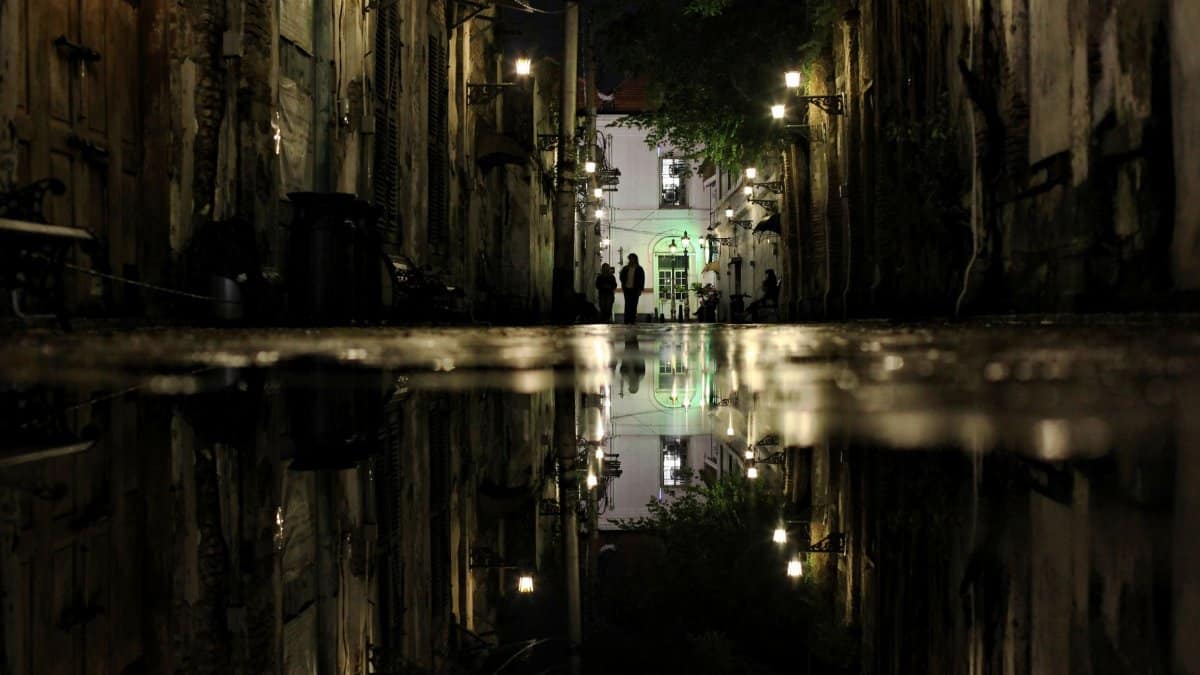
Alleys are drainage afterthoughts in many older American downtowns. They were cut for service, not for ceremony. Their slopes are slight. Their inlets are few. Buildings crowd them, so runoff from roofs and rear doors joins whatever the pavement already holds. When a single basin fails, there is often no second path for the water. The alley becomes a basin of its own.
Chinatown sits in a part of Boston where land, fill, and tide have always argued with engineers. Intense rain, more common in recent years, overwhelms systems designed for a gentler pattern. A clog that might once have been a brief annoyance can now hold a deeper pool because the storm that fills it is heavier. Climate is not an excuse for a blocked drain. It is a reason to treat blocked drains as urgent rather than cosmetic.
Maintenance is also a question of access. Wide avenues are easy to schedule. Narrow passages require smaller equipment, more hand work, and a crew willing to interrupt loading zones and kitchen doors. Those frictions delay jobs. Delay becomes habit. Habit becomes a puddle with a biography.
Mosquitoes and a summer that would not end

The Globe noted mosquitoes along with the flooding, and that detail lifts the story out of mere inconvenience. Standing water is a nursery. Even a shallow pool, if it persists, can support breeding that a well drained street would deny. In a dense neighborhood, the flight radius of those insects is not theoretical. It is the stoop, the open kitchen door, the bedroom window on the second floor.
Public health agencies have said for years that the simplest mosquito control is source control: empty the water, clear the container, fix the drain. No spray program is a substitute for a grate that works. Residents understand this without a briefing. They swat, they close windows on warm nights, and they wonder why a fix measured in hours of labor took so long to schedule.
There is no need to inflate a puddle into an epidemic to take it seriously. A localized breeding site is still a localized breeding site. People who are older, who work outdoors, or who already deal with respiratory irritation pay a higher price for insects and for damp air. The Chinatown puddle fix removed one such site. That is a health outcome, even if it never appears in a hospital chart.
Who notices a side street
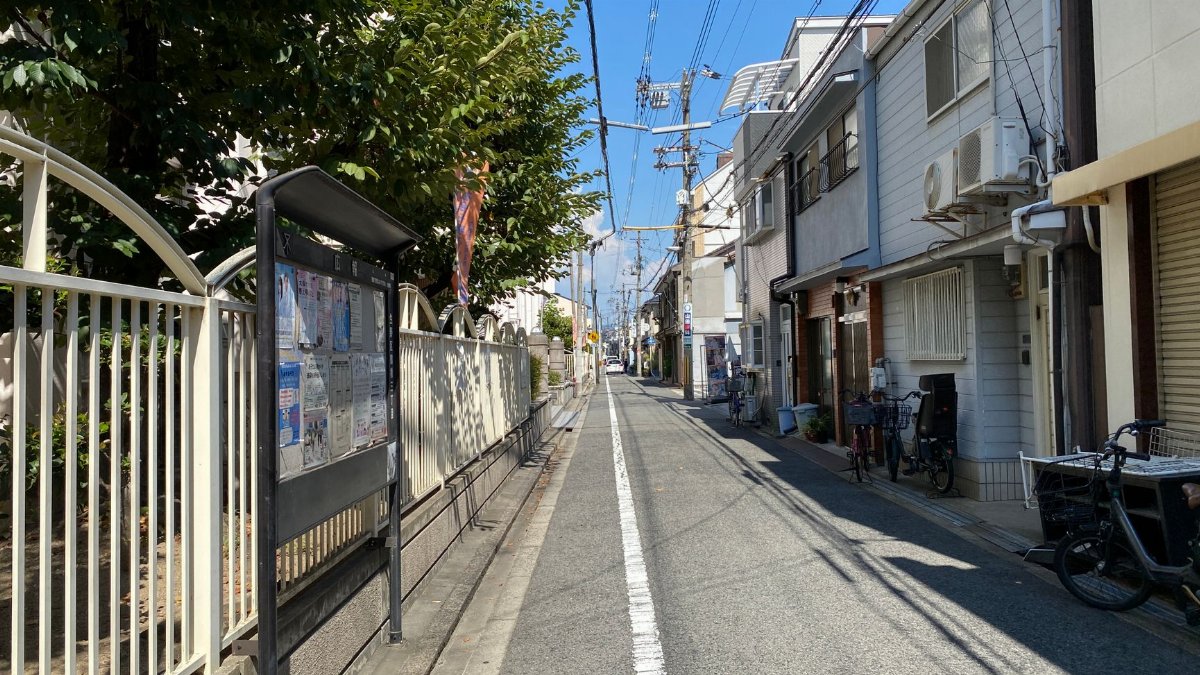
Cities reveal their priorities in the places they forget. A fountain on a civic plaza will be cleaned because visitors photograph it. An alley behind a restaurant row can wait because the people who use it are presumed to cope. Chinatown has lived with that presumption in more than one era. Immigrant commercial districts often absorb deferred maintenance while anchoring the tax base, the food culture, and the street life that other neighborhoods advertise.
Ping On Alley is not a symbol invented for an essay. It is a real passage with real users. When its drain failed, the failure landed on workers and residents who already navigate language barriers, high rents, and the squeeze of a downtown that wants their restaurants more than their complaints. A dry alley does not repair those larger pressures. It does refuse one small insult.
Attention is uneven inside the neighborhood too. Owners with a public frontage may get a faster response than tenants whose only contact with the city is a form. The Globe story widened the audience. Widening the audience is not the same as sharing power, but it changed the cost of doing nothing. Doing nothing had become visible.
Maintenance as a form of respect

There is a habit, in talk about infrastructure, of reserving respect for bridges, tunnels, and billion dollar digs. Those projects matter. So does the grate at the end of an alley. Respect, in municipal terms, is often just regularity: the crew that comes before the complaint becomes folklore. When regularity fails, a newspaper can substitute for a calendar. That substitution should embarrass the calendar.
Residents do not need poetry from their public works department. They need the drain to accept water. They need the pump when the drain has already failed them. They need a way to report the next clog without wondering whether the report enters a void. The Chinatown puddle fix met the first two needs on one block. The third need is the one that decides whether this story is a conclusion or a preface.
I have walked enough city alleys, in Boston and elsewhere, to know the look of a place that is maintained and the look of a place that is endured. The difference is not charm. Endured places have stains at a consistent height on the brick, a bleach bottle left by someone who tried a private remedy, a plank someone laid down as a bridge. Maintained places lack those inventions. Their boredom is the compliment.
What the dry pavement does not settle

A pumped alley can refill. Debris returns. A heavy storm can test a line that was only partly cleared. Anyone celebrating the disappearance of the puddle should also ask what inspection follows the visit. One afternoon of work is a correction. A season of clear flow is a policy.
The neighborhood will also keep its other unfinished items. Crosswalk timing, trash pickup behind restaurants, the pressure of development on longtime tenants: none of those yield to a single hose. It would be a mistake to treat the dry pavement as proof that the system listens in general. It listened here, after publicity, to a problem that could be filmed in one shot. Problems that cannot be filmed in one shot still wait.
Still, refusing the small victory is its own kind of cynicism. People who stepped around that water for months are allowed to be pleased. Pleasure is data. It tells the city what competence feels like at ground level. If officials want trust, they can study that feeling and try to produce it without waiting for a headline.
A city measured in small repairs
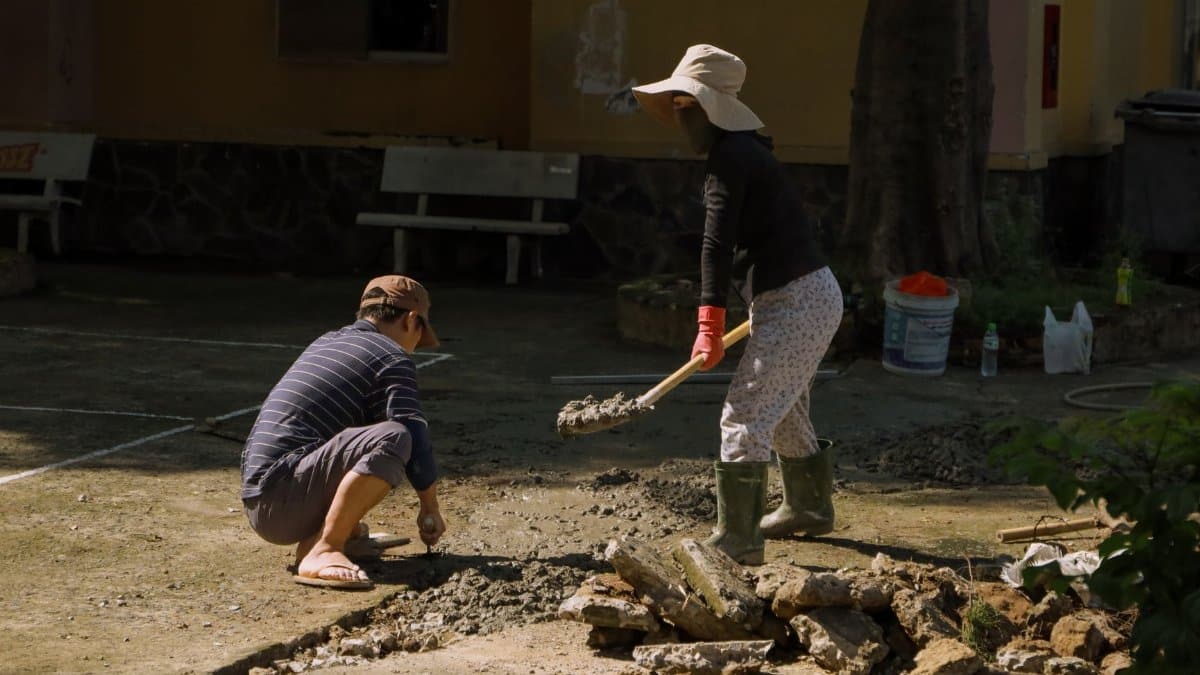
Boston likes to speak of itself as a laboratory of innovation, a harbor city planning for higher seas, a place where history and construction cranes share the same block. Those descriptions can all be true and still miss Ping On Alley on a wet morning. The test of a mature city is not only whether it can fund a landmark. It is whether it can find a clogged drain before the clog becomes a character in the local paper.
The Chinatown puddle fix belongs in that quieter ledger. Drain unclogged. Water pumped out. Mosquitoes denied a stagnant pool. A Globe story in the background, doing what local reporting is supposed to do when official routines stall. Readers outside the neighborhood may forget the alley by next week. The people who use it will not forget how long the water stayed, or how quickly it left once enough eyes were on it.
If there is a lesson worth keeping, it is modest. Report the puddle. Clear the line. Come back before the next storm writes the sequel. A city that can do those three things on a side street has earned a little of the confidence it asks from the people who live there. A city that can do them only after the paper arrives still has work in front of it, and the work is not abstract. It is waiting at the next grate, already collecting leaves.