
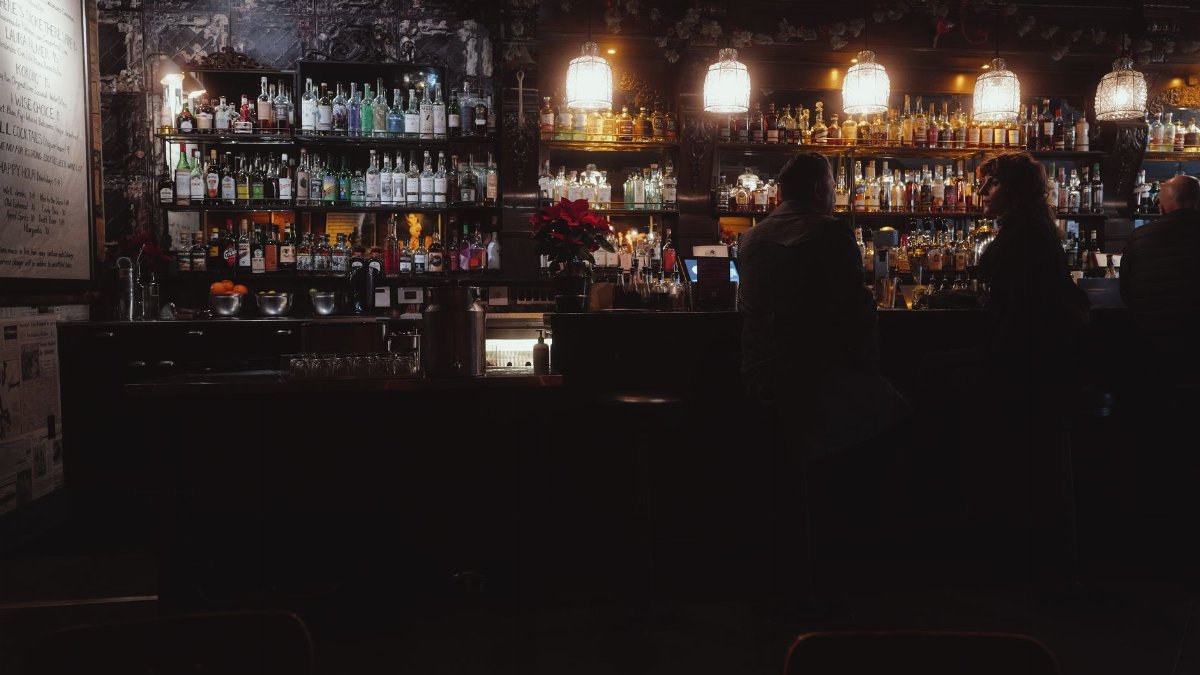
On a block where empty storefronts have become a kind of weather, a New York room is about to test whether San Francisco still wants to linger. The plan, already circulating among neighbors and brokers as the Bar Oliver Fillmore SF opening, would plant a vermouth bar and pintxos counter in Pacific Heights, on Upper Fillmore, as part of a wider bet that the street can feel inhabited again. Bar Oliver made its name in New York by treating fortified wine as a reason to stay, not a prelude to something louder. The San Francisco version arrives with the same promise and a harder question. Can a small ritual survive a city that has spent years eating faster, leaving earlier, and arguing about what a neighborhood is for?
A room built around staying
In New York, Bar Oliver earned a following by refusing the idea that a bar must escalate. The drink in the glass is often vermouth, served with the seriousness other rooms reserve for rare bottles. The food is pintxos, the small Basque and Spanish bites that turn a drink into a meal without demanding a reservation theology. Regulars talk about a pace that is social but not frantic. You can talk. You can order another. You are not being processed. That pace is the export. San Francisco has ambitious dining rooms and a Spanish and Basque lineage of its own. What it has fewer of, after years of closures and shortened hours, is the intermediate room: not a club, not a tasting menu, a place where the evening has a middle.
Vermouth, taken seriously
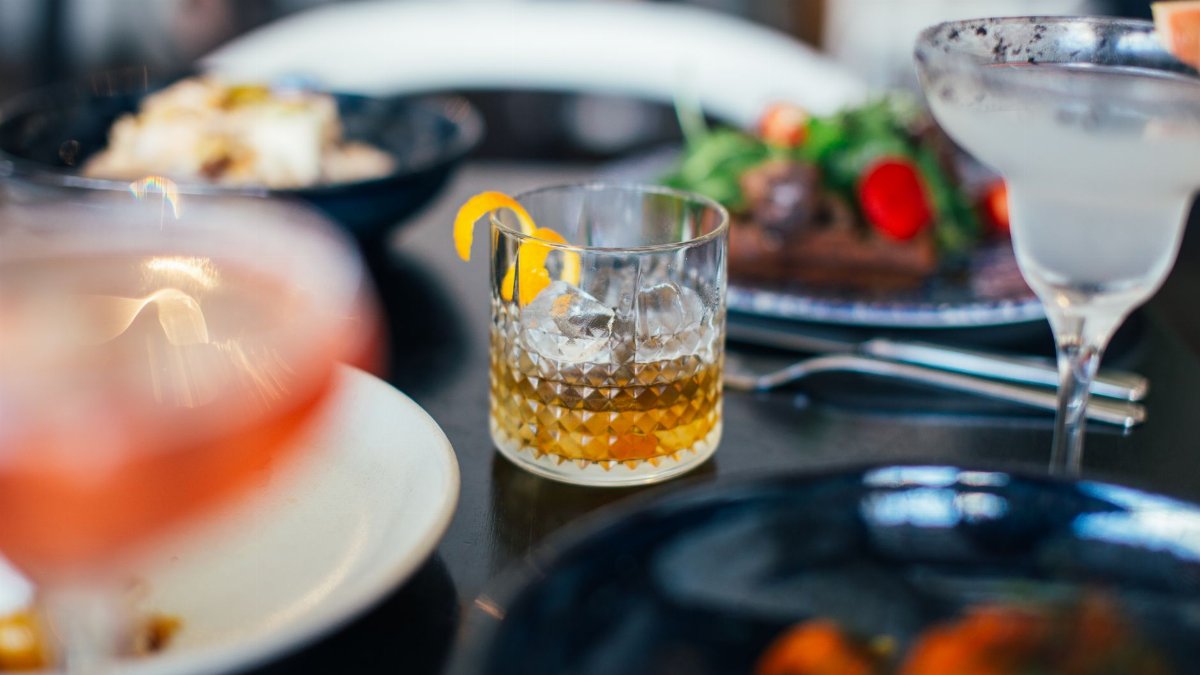
Vermouth is easy to misunderstand. In many American bars it is a mixer, a bitter note in a cocktail, a bottle left too long on the rail. In Spain, and in a growing set of city rooms, it is the drink itself: aromatized wine meant to be sipped, often over ice, often with citrus, often before dinner. Bar Oliver belongs to that correction. The point is range, not novelty. A list can move from dry to sweet, from herbal to oxidized, from a casual pour to a bottle that wants a proper glass. Readers who remember the aperitif as a European postcard may file the revival under fashion. It is also a practical answer to how people drink now, with less alcohol than a stack of cocktails and more flavor than a single beer. That middle is where a room makes its money and, with luck, its regulars.
Pintxos and the grammar of a small plate
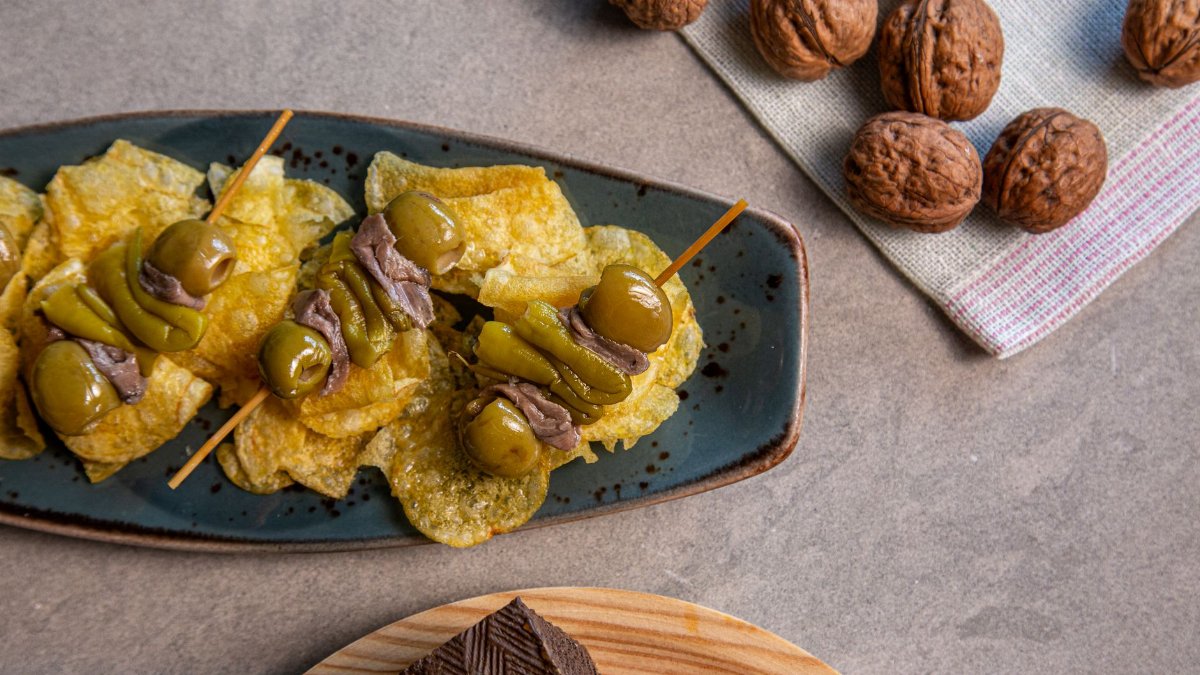
Pintxos are not tapas under another name, though the cousinship is real. A pintxo is often a composed bite, sometimes held by a toothpick, built to be eaten standing or perched, priced so that three or four feel like a choice rather than a vow. The format suits conversation. It also suits a bar that wants food to support the glass. In a Pacific Heights storefront, that format has a practical advantage. It can feed a couple on the way to a show, a neighbor who does not want a long table, a visitor who wants proof that the street is awake. The risk is portion theater, tiny food at prices that feel like a joke. The New York room has already had to answer that suspicion. San Francisco, with its own scar tissue about value, will ask again on the first busy weekend.
Why Upper Fillmore, and why this moment
Upper Fillmore has become a case study in what happens when a retail street loses its reasons to walk. Vacancies accumulate. Windows paper over. The businesses that remain carry pride and fatigue in the same shift. Officials and landlords speak of revitalization as if a corridor could be wished back into habit. A restaurant cannot do that alone. A restaurant can change the temperature of a block near 6 in the evening, when people decide whether to keep walking. Pacific Heights is not a blank slate. It is a wealthy, watchful neighborhood with firm views on parking, noise, and who a new room is for. A New York vermouth bar there is a bet on affluence and on foot traffic at once. The Bar Oliver Fillmore SF opening sits inside that tension. If the room draws only destination guests, the street gains a headline and misses a neighbor. If it draws people who live a few blocks away, the headline starts to look like a habit.
What revitalization actually asks of a bar

Revitalization is a word officials like because it sounds like weather improving. On a commercial street it means rent, hours, staffing, and whether a business can survive a Tuesday. A pintxos bar lives on repeat visits. One crowded Saturday does not pay a cook in March. The honest comeback is dull: steady hours, a list that does not change so fast that regulars feel punished, a person at the door who remembers who likes the drier pour. San Francisco has applauded openings and then watched them thin out when the novelty faded. Anyone cheering a Fillmore plan should ask what the lease assumes about volume, and what the kitchen assumes about labor. Those are not romantic questions. They decide whether a revival is a press note or a Tuesday night with the lights on.
Neighbors, noise, and the politics of a good time
Every new bar in a residential city is also a negotiation. Upper Fillmore sits close enough to homes that sound carries, and close enough to other shops that a sidewalk line is either a compliment or a nuisance. Spanish bars have a tradition of density, of people standing, of glasses set on a narrow counter. That tradition can clash with American hopes for a seated booking and a quiet room. The new outpost will have to translate. Translation is not dilution. It is a choice about which parts of the New York ritual are the point, and which parts were accidents of a tight footprint or a later city. Neighbors will judge the room by the sidewalk. Do people cluster and smoke. Does music leak. Do the lights stay on past the hour when the block wants sleep. A careful operator treats that judgment as information.
Hospitality as a kind of attention

A food story can sit beside talk of spirit without strain, if spirit means attention rather than a brand word. A vermouth hour is a small sequence for people who may not share a creed. You arrive. You are greeted. You are given something bitter and sweet. You are not rushed toward the door. In a city that has measured itself by disruption, that sequence can feel almost old fashioned. For many middle aged diners, it is the part of going out they actually miss. The meal is not only calories and status. It is the relief of being noticed for an hour by someone whose work is to notice. If this bar imports anything worth the flight, it is that notice. A city can survive without another reserved counter. It has a harder time without rooms where strangers practice being civil at close range. That practice is not church. It is closer to church than a delivery app will ever be.
A test of patience, not of photographs
The phrase neighbors keep repeating, the Bar Oliver Fillmore SF opening, sounds like a logistics memo. It is also a test of patience. Openings are when a room is least itself. The list is nervous. The staff is new to one another. Friends of the house fill early seats and create a false crowd. The useful question is not whether the first month looks bright in photographs. The useful question is whether, in month four, a person can walk in on a Wednesday, get a glass, eat three pintxos, and leave believing the room will exist next Wednesday. New York can sustain a concept on pilgrimage. San Francisco, after a hard decade for independent restaurants, is more skeptical of pilgrimage and more grateful for reliability. If the Bar Oliver Fillmore SF opening is remembered as a moment, it will have been a party. If it is remembered as an address, it will have been a civic fact.
What a first night cannot prove

A first night can prove that the lights work and that people are curious. It cannot prove that a street has turned. Upper Fillmore will not be rescued by vermouth, and it does not need a single tenant to justify hope. What a careful opening can do is restore a sequence: leave the house, walk, see other people choosing the same block, sit, talk, pay, walk home. That sequence is how a neighborhood rehearses a future. The San Francisco Chronicle has already treated the plan as news, which is right, because restaurant news in this city is never only about food. It is about whether capital, labor, and appetite can still meet in a storefront. Watch the Bar Oliver Fillmore SF opening for the glass. Watch it also for the sidewalk at 7 on an ordinary evening, when nobody is obliged to clap.